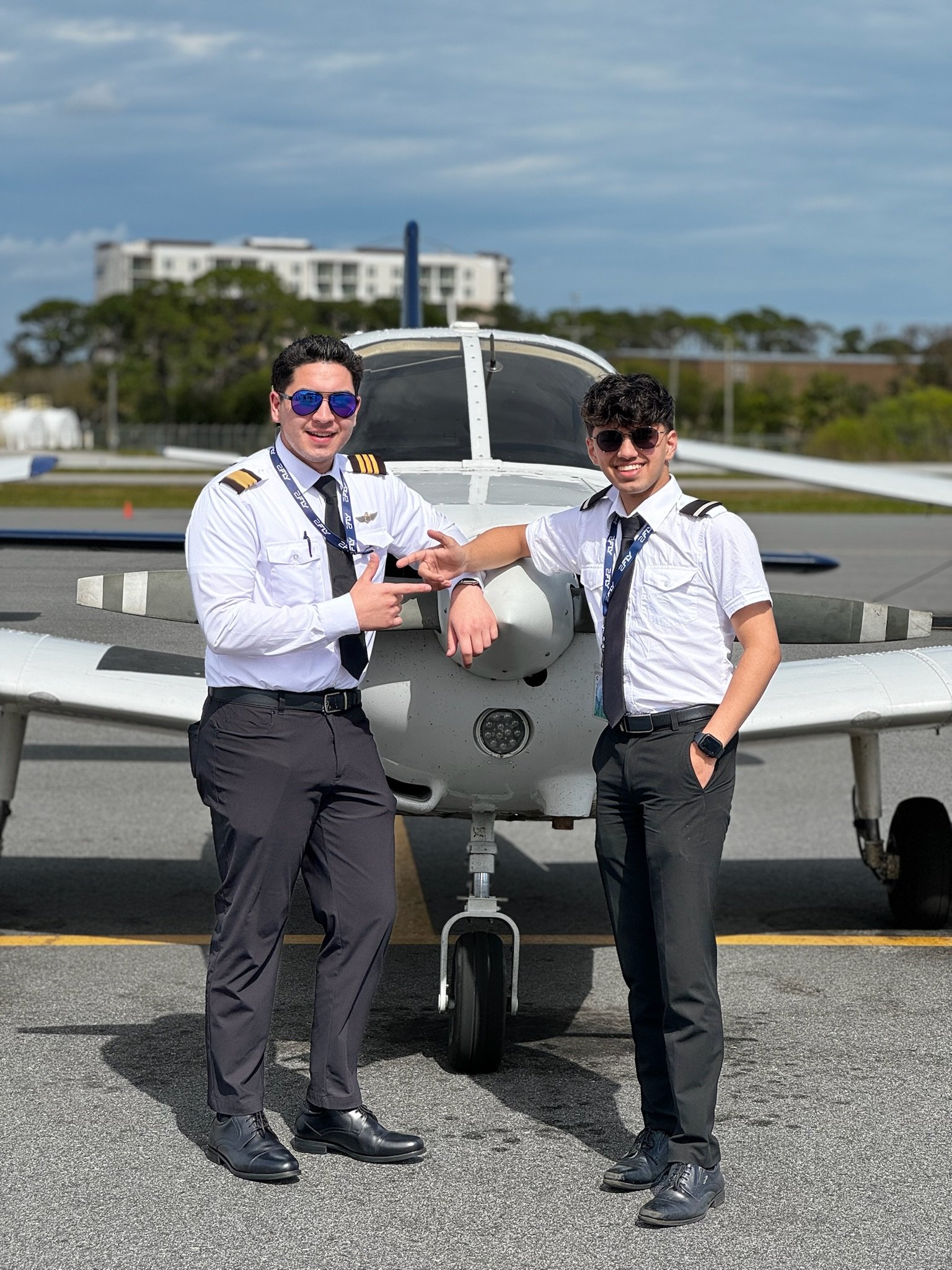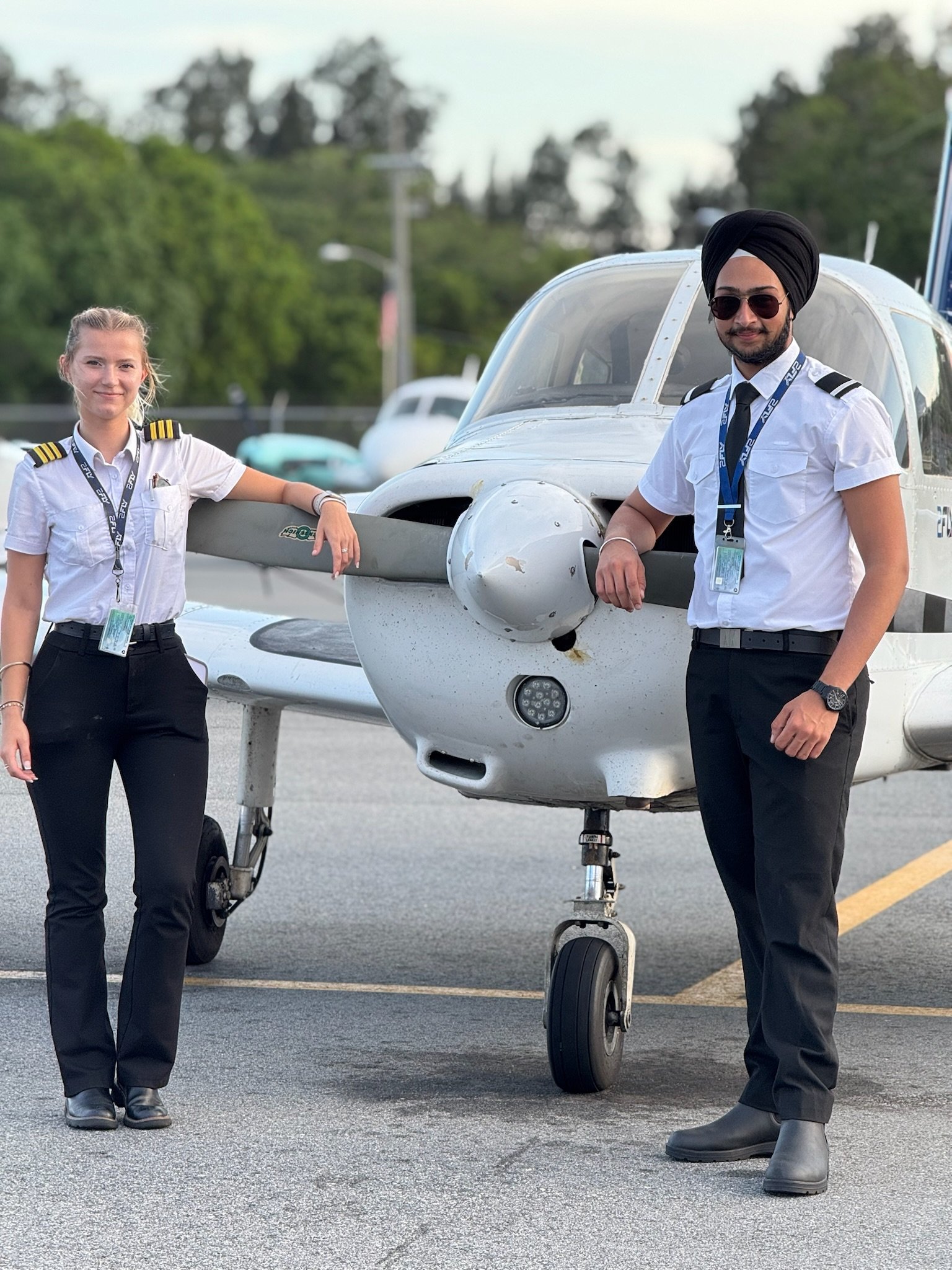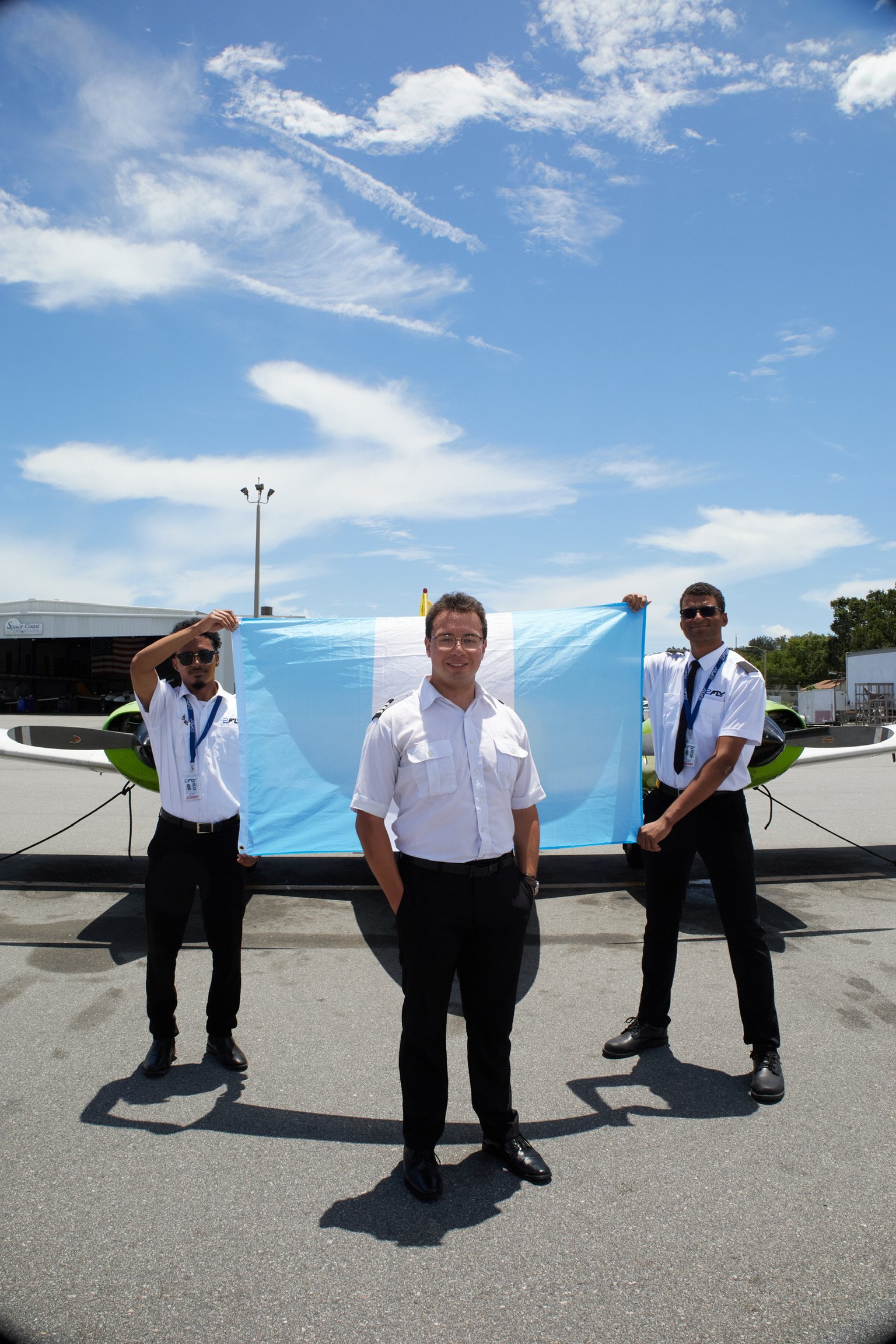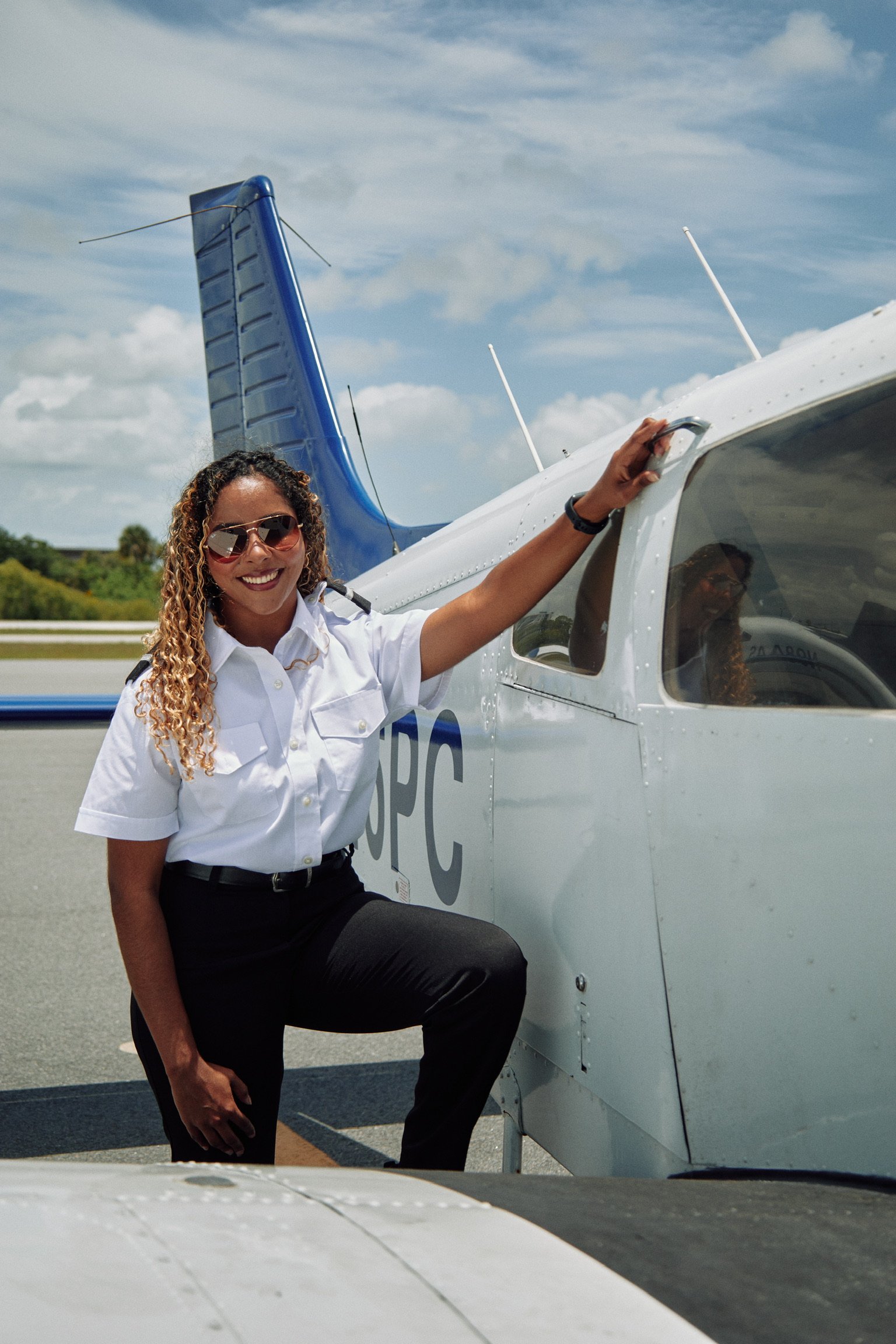
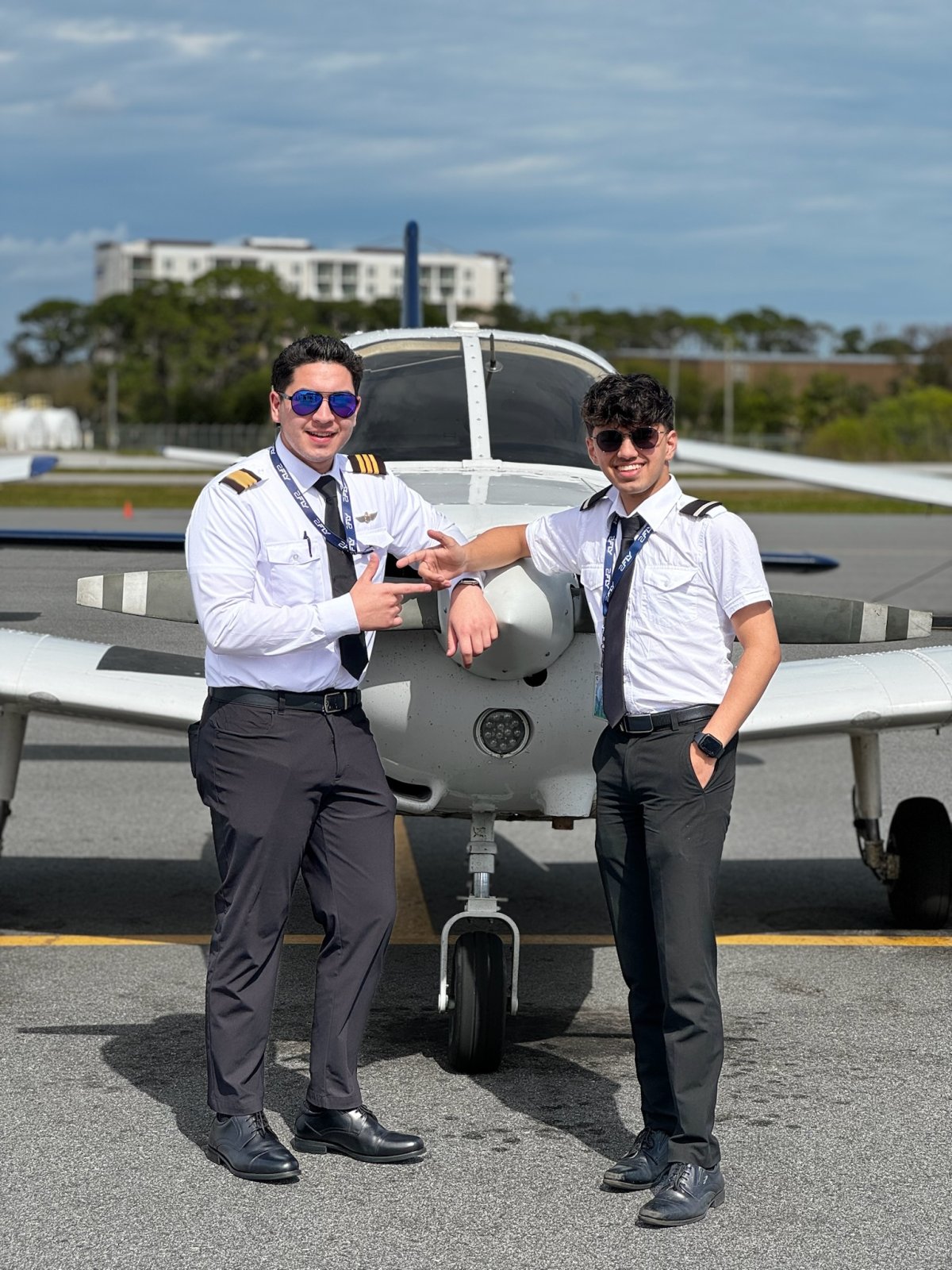
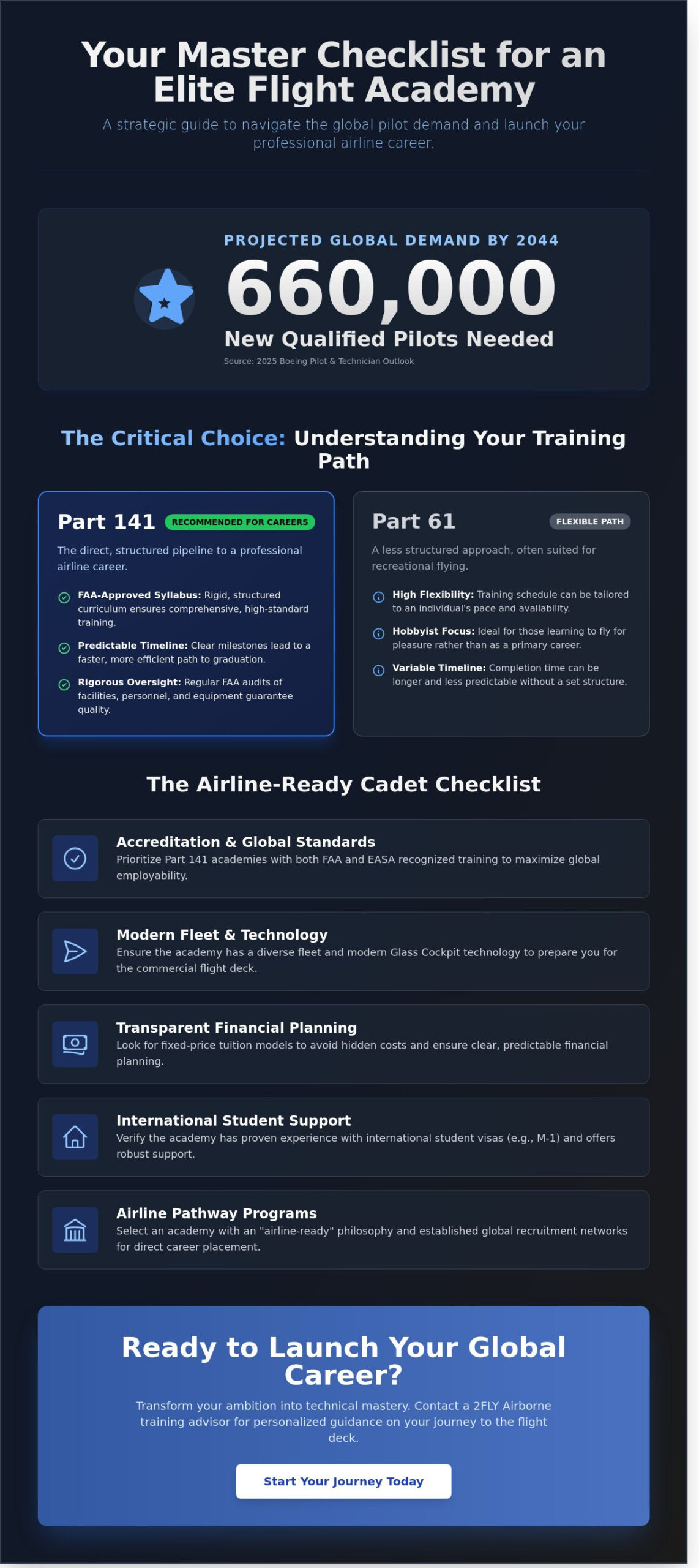
The 2025 Boeing Pilot and Technician Outlook projects a global demand for 660,000 new qualified pilots through 2044. This massive figure represents a golden era for aviation, yet the sheer number of training options can feel overwhelming. You likely feel the weight of choosing between FAA and EASA regulations while worrying about hidden costs or visa hurdles. It’s natural to feel anxious about whether your chosen flight academy in USA will actually lead to a professional airline career.
This guide eliminates the guesswork by providing a master checklist for selecting a world-class training provider. You’ll learn to evaluate the 2026 pilot market and identify the direct path to a First Officer position. We’ll examine training quality, job placement records, and the practical steps needed to become an airline-ready professional. Our goal is to transform your ambition into technical mastery and career success. If you’re ready to take the first step toward the flight deck, contact 2FLY Airborne to speak with a training advisor for personalized guidance.
Key Takeaways
- Understand how to capitalize on the 2025 Boeing Pilot Outlook, which projects a global demand for 660,000 new qualified pilots through 2044.
- Identify the critical advantages of choosing a Part 141 flight academy in usa to ensure your training meets the rigorous standards of global airlines.
- Evaluate essential infrastructure requirements, including fleet diversity and Glass Cockpit technology, that prepare you for the modern commercial flight deck.
- Master the logistics of professional pilot training, from navigating international student visas to selecting fixed-price tuition models for better financial planning.
- Discover the “airline-ready” philosophy designed to transition cadets from the classroom to a professional career through elite global recruitment networks.
Navigating the Global Demand: Why Choose a Flight Academy in the USA?
Choosing a professional flight academy in usa represents a commitment to a structured, immersive career path. Unlike modular training, where students often piece together licenses over several years at various locations, an integrated academy environment provides a direct pipeline to the flight deck. You aren’t just learning to fly; you’re adopting an airline-ready mindset from day one. This immersive approach ensures that every hour spent in the cockpit contributes to a cohesive set of skills designed for the high-pressure commercial environment.
The United States serves as the world’s premier training hub because of its diverse geography and consistent weather patterns. Regions like Florida and Arizona offer year-round flying conditions, which means fewer cancellations and a faster path to graduation. To better understand why international students prioritize training in the States, watch this helpful video:
The aviation industry is currently entering a massive expansion phase. This demand turns the “Global Pilot” concept into a reality for those willing to train at an elite level. By training at an institution that follows FAA pilot certification standards, you gain a qualification that’s recognized and respected by carriers across the globe. You’re preparing for a career that could take you from New York to Dubai or Singapore.
The 2026 Aviation Market Outlook
Airlines are currently struggling to fill seats in the cockpit, creating a unique window for aspiring First Officers over the next two decades. The 2025 Boeing Pilot and Technician Outlook projects a global demand for 660,000 new qualified pilots through 2044. Starting your journey at a flight academy in usa by 2026 is a strategic move for your long-term prospects. Seniority in aviation is everything. The sooner you enter the workforce, the faster you’ll climb the ranks and secure your preferred routes and schedules.
FAA vs. EASA: Understanding Certification Standards
The Federal Aviation Administration (FAA) governs civil aviation in the US, while the European Union Aviation Safety Agency (EASA) sets the rules for Europe. Both systems are highly respected, but having access to both standards significantly boosts your international employability. Many elite programs, such as our FAA Airline Pilot Program, focus on meeting these high-level requirements to ensure you’re ready for any global carrier. This dual-perspective training makes you a more versatile candidate in a competitive market. Speak with a 2FLY Airborne training advisor today to receive personalized guidance on your journey to the flight deck.
The Essential Flight Academy Checklist: Accreditation and Training Standards
Selecting the right flight academy in usa determines your trajectory toward the flight deck. You’ll encounter two primary training paths: Part 61 and Part 141. Part 61 offers flexibility for hobbyists; however, professional cadets should focus on Part 141 schools. These institutions follow a rigid, FAA-approved syllabus. This structure ensures you meet specific milestones on a predictable timeline. It’s the standard for those aiming for the 660,000 new pilot positions identified in the 2025 Boeing Pilot and Technician Outlook. Before you commit, review the official FAA guide to becoming a pilot to understand the regulatory baseline.
Evaluating Part 141 Flight Schools
Part 141 certification isn’t easily earned. The FAA conducts regular audits of a school’s facilities, personnel, and equipment. This oversight translates to a higher caliber of education and a more professional atmosphere. You’ll often benefit from reduced flight hour requirements for certain certificates due to the structured environment. This efficiency is vital when you’re targeting a position in a commercial cockpit. Look for schools that integrate their training with a clear airline pilot program to maximize your career momentum.
Safety Records and Maintenance Standards
Safety isn’t just a buzzword; it’s a measurable system. Ask if the flight academy in usa uses a formal Safety Management System (SMS). This framework identifies risks before they lead to incidents. Check the maintenance department’s credentials. On-site maintenance teams ensure aircraft are available and airworthy every day, which prevents training delays. Modern training also requires high-fidelity flight simulators. These tools allow you to practice emergency procedures in a controlled environment without risk. They’re non-negotiable for anyone serious about modern pilot education.
Instructor availability is another critical factor. A high instructor-to-student ratio often leads to scheduling bottlenecks and training gaps. You want a school that prioritizes continuity. Training with the same mentor builds a rapport that refines your skills faster. This personalized attention is what separates elite academies from high-volume flight mills. When you have a dedicated instructor, your progression remains steady and focused on your ultimate goal. If you’re comparing your options, our detailed breakdown of choosing the right aviator college for professional pilot training can help you evaluate each institution with the precision of a pre-flight checklist.
Ready to begin your journey? Speak with a training advisor at 2FLY Airborne to discuss your path to the airlines.
Evaluating Training Infrastructure: Fleet, Simulators, and Student Support
Choosing a flight academy in usa involves looking past the marketing and into the operational reality of the facility. A professional training organization relies on a robust administrative team to handle the logistics of your education. This includes everything from scheduling your sessions to managing complex regulatory filings for international students. The 2025 Boeing Pilot and Technician Outlook projects a demand for 660,000 new qualified pilots through 2044. Reaching that goal requires a school that removes administrative friction so you can focus entirely on your skills. This “hidden” support structure ensures you don’t stall during your training due to paperwork or scheduling conflicts.
Aircraft Fleet and Technology
Elite training requires a diverse fleet. You’ll start in single-engine trainers to master the fundamentals, but you must transition to multi-engine aircraft to reach the flight deck of a commercial jet. You should look for a large fleet of reliable trainers like the Piper Seminole to ensure you aren’t grounded by maintenance delays. Ask specific questions about their maintenance schedule and the ratio of students to aircraft. If a plane is down for service, there should be another ready to take its place. This keeps your training momentum alive.
Training on G1000 glass cockpit technology is equally critical. These digital systems prepare you for the sophisticated automation you’ll encounter in a modern Boeing or Airbus. Understanding FAA pilot certification requirements is the first step in mapping out how these aircraft hours lead to your commercial license. When you train on technology that mirrors the airline environment, you become a more competitive candidate for global carriers. It’s about being airline-ready from day one.
The Residential Advantage
Speed and focus are the two biggest factors in successful training at a flight academy in usa. On-campus housing transforms a school into a professional aviation community. Living near the flight line is especially vital for international students who need a seamless transition to life in the United States. It eliminates the stress of a daily commute and allows you to live and breathe aviation alongside your peers. This immersion accelerates your learning curve and builds a network of future colleagues.
For those seeking a comprehensive route, a Degree Program with Airline Pilot Training integrates this residential experience with a higher education degree. This pathway ensures you’re prepared with both the technical flight skills and the academic credentials that top-tier airlines value. Contact a training advisor to discuss how a residential program can streamline your journey to the flight deck.
Career Strategy: Visas, Financial Planning, and Airline Pathways
Success in professional aviation requires more than mastering a Cessna 172. It demands a strategic approach to your professional development. The 2025 Boeing Pilot and Technician Outlook projects a global need for 660,000 new qualified pilots through 2044. Meeting this demand requires selecting a flight academy in usa that offers more than just flight hours; it requires a partner that facilitates your transition into a commercial cockpit.
International Student Support and SEVIS
International cadets face unique regulatory requirements that can be difficult to manage alone. The Student and Exchange Visitor Information System (SEVIS) is the primary tool used by the US government to track non-immigrant students. You must ensure your chosen academy is SEVIS-certified and authorized to issue I-20 forms. This document is the foundation for obtaining either an M-1 or F-1 visa. While the M-1 is standard for vocational training, the F-1 typically applies to academic degree programs. Dedicated administrative support is vital to ensure your status remains compliant throughout your training syllabus.
Funding Your Future
Managing your capital is just as critical as managing your fuel. Many modern flight schools have moved toward fixed-price tuition models. These structures provide a predictable budget, protecting you from the price volatility often found in pay-as-you-go systems. You shouldn’t view these costs as a simple expense. Instead, see them as a calculated investment in a high-earning career path. For domestic students in 2026, specialized financing options for pilot training help bridge the gap between ambition and the flight deck. These include private educational loans specifically tailored to the aviation industry’s unique timeline.
The final piece of the strategy involves airline recruitment networks. The right flight academy in usa acts as a direct pipeline to major and regional carriers. These networks often include flow-through agreements or preferential hiring status for graduates. This direct connection drastically reduces the time spent in the time-building phase of your career. It ensures you’re ready to transition from a student to an airline-ready professional as quickly as possible. You aren’t just paying for a license; you’re paying for a professional network that spans the globe.
Ready to secure your seat on the flight deck? Speak with a 2FLY Airborne training advisor to build your personalized career roadmap.
Launching Your Global Career with 2FLY Airborne
Choosing the right flight academy in usa is a decision that defines your entire professional trajectory. At 2FLY Airborne, our philosophy centers on a single objective: creating “Airline-Ready” professionals. We don’t just focus on the minimum hours required for a license. Instead, we cultivate the cockpit discipline, leadership, and technical precision that major carriers expect from day one. This high-standard approach ensures you transition from the classroom to the flight deck with total confidence.
The 2025 Boeing Pilot and Technician Outlook projects a global demand for 660,000 new qualified pilots through 2044. To meet this massive industry need, 2FLY leverages a global recruitment network and strategic partner locations. This international reach provides our cadets with a unique perspective on global aviation standards. Whether you aim to fly for a domestic carrier or a major international airline, our training infrastructure is built to support those ambitions. Our Professional Pilot Program aligns with every critical metric on the 2026 industry checklist, focusing on safety culture, advanced avionics proficiency, and career-path transparency.
The 2FLY Professional Pilot Program
Our curriculum is a structured, fast-track pipeline designed to take you from your first discovery flight to becoming a Certified Flight Instructor (CFI). This progression allows you to build the 1,500 flight hours required for ATP certification while gaining valuable teaching experience. For those focused on a structured path toward the right seat of a commercial jet, the FAA First Officer Program offers a comprehensive solution. We maintain rigorous adherence to both FAA and EASA standards, providing you with maximum flexibility to work in different regulatory environments across the globe.
- Accelerated Timeline: Move from zero experience to commercial ratings efficiently.
- CFI Integration: Build professional hours while mentoring the next generation of flyers.
- Global Versatility: Training that respects international certification requirements.
Take the First Step Toward the Flight Deck
The journey to becoming a commercial pilot is complex, but you don’t have to navigate it alone. We invite you to attend one of our upcoming 2FLY Events and Webinars to see our facilities and meet our instructors. These sessions provide a transparent look at our training environment and the career opportunities waiting for you after graduation. You’ll get the chance to ask specific questions about the flight academy in usa experience and how we tailor our programs to individual goals.
Professional guidance is just one conversation away. Contact a training advisor today to customize your path and begin your transformation into an elite aviator. Your future in the sky starts with a single, informed decision.
Take Command of Your Aviation Future
The path to becoming a commercial pilot requires more than just passion; it demands a strategic choice in your training partner. Selecting a premier flight academy in usa ensures you’re equipped with the technical mastery and global perspective needed for today’s industry. The 2025 Boeing Pilot and Technician Outlook highlights a massive demand for 660,000 new qualified pilots through 2044. This means your timing is perfect to enter a high-growth profession. By prioritizing FAA and EASA professional training standards, you align yourself with the rigorous expectations of major airlines worldwide.
Success in this field depends on a robust infrastructure and a proven global recruitment network. You’ll need access to modern fleets and advanced simulators that bridge the gap between a student mindset and an airline-ready professional. Don’t leave your career trajectory to chance. It’s time to transform your ambition into a concrete plan for global success. The flight deck is waiting for those who prepare with precision and purpose.
Speak with a 2FLY Training Advisor to launch your career and secure your place in the next generation of elite aviators. The sky isn’t your limit; it’s your office.
Frequently Asked Questions
What is the best flight academy in the USA for international students?
The best flight academy for international students is an institution that provides a seamless transition from initial training to a global aviation career. You should look for schools that offer dual FAA and EASA certification pathways, as this maximizes your employability across different continents. High-achievers prioritize academies with a proven record of training airline-ready professionals who can navigate complex international regulatory environments with total confidence.
How much does a professional pilot program cost in 2026?
Professional pilot program costs are influenced by fuel prices, aircraft maintenance, and the specific training route you select. While specific 2026 figures depend on market conditions, industry data shows that a comprehensive career pilot course requires a significant investment in tuition and flight hours. We recommend speaking with a training advisor to receive a personalized breakdown of current expenses and to discuss available financial planning options.
Can I get a US student visa for flight training?
You can obtain a US student visa for flight training through the M-1 or F-1 visa programs. Most international students at a professional flight academy in usa utilize the M-1 visa, which is tailored for vocational and technical instruction. Our dedicated team assists cadets with the necessary I-20 documentation to ensure a smooth application process through their local US embassy or consulate.
How long does it take to go from zero experience to a commercial pilot?
Transitioning from zero experience to a commercial pilot typically takes between 10 and 14 months in a full-time, accelerated program. This timeline depends on your personal dedication, local weather conditions, and the structured nature of the training syllabus. You’ll progress systematically through your private, instrument, and commercial ratings to meet the 250-hour FAA minimum required for your commercial certificate.
What is the difference between FAA and EASA pilot licenses?
The primary difference lies in the regulatory body that issues the license and the geographic region where it’s legally recognized. FAA certifications are issued by the United States, while EASA licenses are the standard across Europe. Selecting a program that integrates both sets of standards allows you to become a global pilot, capable of securing employment with airlines in almost any country.
Are there enough pilot jobs available for new graduates in 2026?
The demand for new pilots remains exceptionally high according to the 2025 Boeing Pilot and Technician Outlook. This report forecasts a global requirement for 660,000 new qualified pilots through 2044. This long-term industry need ensures that career-ready professionals entering the market in 2026 will find a wealth of opportunities within the global aviation sector as airlines expand their fleets.
Do I need a college degree to become a commercial pilot in the USA?
You don’t need a college degree to earn your commercial pilot license or to start working as a professional pilot. While some major airlines historically preferred a four-year degree, many have removed this requirement to focus on flight hours and technical proficiency. You can launch your airline career with a high school diploma and the elite certifications earned at a professional flight academy in usa.
Why should I choose a Part 141 flight school over Part 61?
Choosing a Part 141 flight school provides you with a highly structured, FAA-approved curriculum that mirrors the training environment of a major airline. Part 141 programs are subject to regular audits and strict oversight, which often results in a more disciplined learning experience. This path is ideal for students who value a methodical approach to flight training and want to be prepared for professional standards.
Article by
2FLY Airborne
2Fly Airborne is a professional flight training organization dedicated to developing the next generation of skilled, confident, and safety-focused pilots. With decades of combined aviation experience, our team of certified instructors provides structured, real-world training designed to prepare students for both checkrides and long-term success in the aviation industry.
Content Disclaimer
Some blog content is generated with the assistance of automated tools and may not always be fully accurate or up to date. Please verify all aviation-related information with official sources or a certified instructor. For additional guidance or clarification, we encourage you to contact one of our training advisors at 2Fly Airborne.