
Your success as a commercial pilot depends less on your natural talent and more on the regulatory framework of your initial flight hours. In 2024, the Boeing Pilot and Technician Outlook projected a global need for 674,000 new aviators by 2043. Despite this massive demand, many students struggle with hidden hourly rates and the confusing overlap between FAA and EASA standards. You need a reliable, transparent path to the cockpit. This guide to elite pilot training programs provides the definitive roadmap to transition from zero experience to an airline-ready professional.
It’s common to feel overwhelmed by the logistics of international training, from visa applications to finding stable housing in a new country. We agree that your focus should be on the sky, not on paperwork. In this article, you’ll discover how a structured, fixed-price training environment in Florida can secure your future. We’ll preview the essential certifications and the support systems designed to launch your global career. If you’re ready to begin, reach out to a 2FLY Airborne training advisor for expert guidance on your journey.
Key Takeaways
- Discover why 2026 represents a critical entry point for aspiring aviators and how to transition from zero experience to a professional career path.
- Learn how elite pilot training programs structure the journey from foundational stick-and-rudder skills to advanced instrument precision.
- Explore the financial advantages of fixed-price tuition models designed to eliminate “financial turbulence” and provide cost certainty for your training.
- Understand the logistical and geographical benefits of training in Florida, including essential visa support for international students.
- Identify the strategic roadmap for building flight hours through instruction to reach the ultimate goal of the commercial flight deck.
Navigating Modern Pilot Training Programs in 2026
Entering the flight deck in 2026 requires more than a passion for aviation; it demands a commitment to a structured professional pilot program. These pilot training programs aren’t for hobbyists. They’re rigorous, full-time career tracks designed to meet the rising global demand for aviators. Current projections from industry leaders like Boeing suggest the world will need 649,000 new pilots by 2042. Because of this, 2026 is a vital entry point for new cadets. Citing Modern Pilot Training Programs as a baseline, students must choose between modular paths and integrated, fast-track curriculums that prioritize career speed and proficiency.
To better understand the journey from student to professional, watch this helpful guide:
The distinction between modular and integrated training is critical. Modular training allows you to pay as you go, but it often lacks the cohesion of an integrated program. Integrated paths are designed as a direct pipeline to the airlines. These programs embrace an Airline-Ready philosophy. You aren’t just learning to pass a checkride; you’re training for the specific operational environment of a commercial jet. This focus on the end result ensures that your transition from the training aircraft to a Boeing or Airbus is seamless and professional.
The Shift Toward Career-Focused Aviation Education
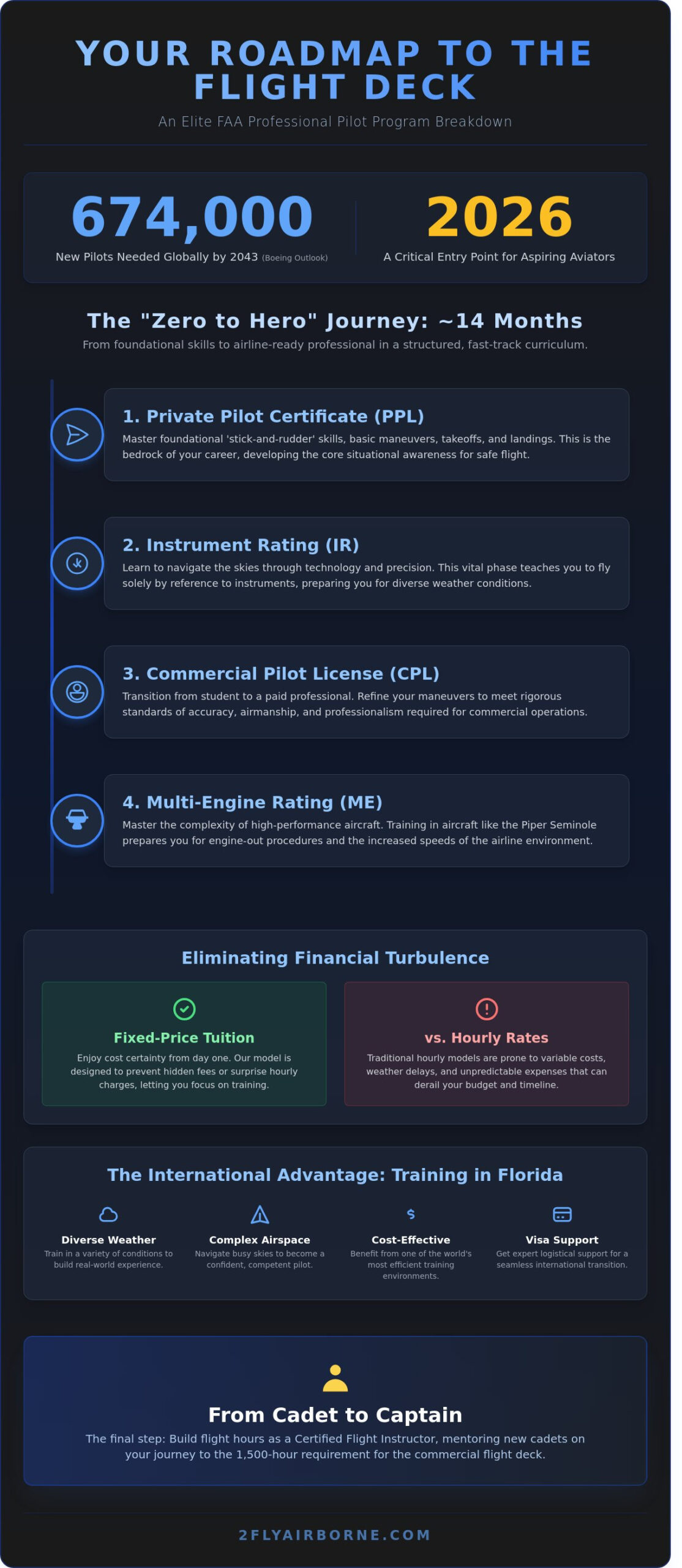
Airlines have refined their hiring criteria to favor graduates of structured academies. They look for more than just basic flight skills. Modern pilot training programs emphasize Crew Resource Management (CRM) and soft skills like leadership and decision making. A Zero to Hero approach is the most efficient way to reach airline requirements. It condenses the timeline, moving you from the classroom to the cockpit in as little as 14 months. This structure mirrors the discipline you’ll face in airline ground school.
Understanding FAA vs. EASA Standards
Two primary bodies govern global aviation: the FAA in the United States and EASA in Europe. Training under FAA standards is often the preferred choice for international students. The US offers diverse weather, complex airspace, and cost-effective training environments. The FAA Airline Pilot Program bridges these certification paths, ensuring you’re prepared for a global career. This approach prepares you for the specific operational demands of major carriers worldwide while providing a stable, world-class environment for development. For European students seeking to maximize their training efficiency, an EASA flight school USA program offers the advantage of consistent Florida weather and accelerated certification pathways.
Anatomy of an Elite FAA Professional Pilot Program
The journey through elite pilot training programs begins with the Private Pilot Certificate (PPL). This stage builds your foundational stick-and-rudder skills. You’ll master basic maneuvers, takeoffs, and landings while developing the situational awareness required for safe flight. It’s the bedrock of your career. Once you’ve secured your PPL, you move to the Instrument Rating (IR). This phase teaches you to navigate the skies through technology and precision. You’ll learn to fly solely by reference to instruments, a vital skill for operating in diverse weather conditions.
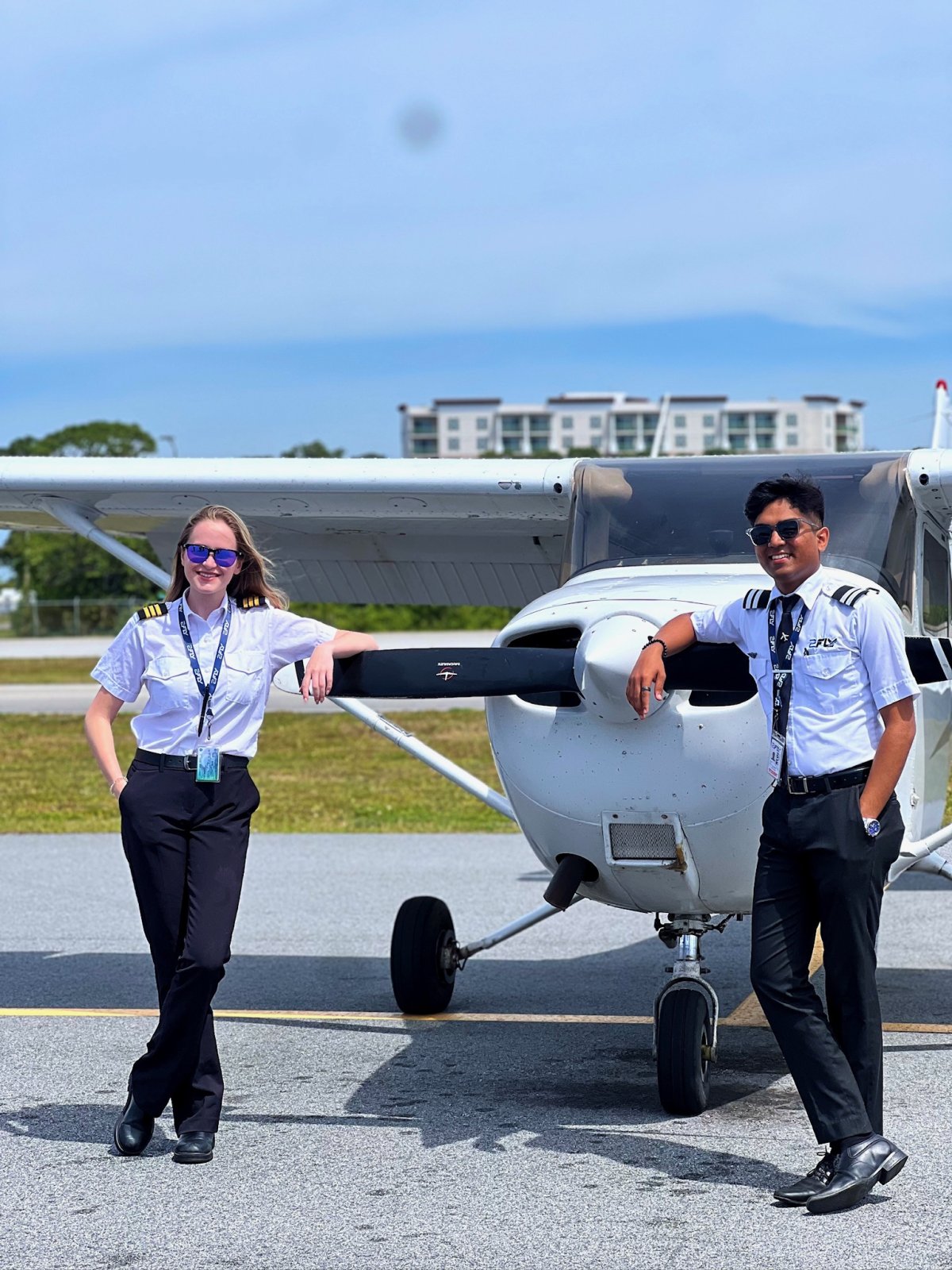
The transition from a student to a paid professional occurs during the Commercial Pilot License (CPL) training. You’ll refine your maneuvers to meet rigorous standards of accuracy and airmanship. Following this, the Multi-Engine Rating (ME) introduces the complexity of high-performance aircraft. Training in a Piper Seminole prepares you for the engine-out procedures and increased speeds typical of the regional airline environment. Following an FAA Professional Pilot Program ensures you meet the strict 14 CFR Part 141 or Part 61 requirements necessary for global airline employment.
The Role of State-of-the-Art Flight Simulators
Modern flight simulators are essential for safety and efficiency. They allow cadets to practice complex emergency procedures that are too high-risk to perform in a real aircraft. Advanced glass cockpit simulators mirror the Garmin G1000 suites found in our modern fleet, making the transition to actual flight seamless. Simulators bridge the gap between ground school and the first solo flight by allowing students to master cockpit flows in a controlled, low-stress environment. This technology significantly reduces training costs while maximizing your proficiency before you ever leave the tarmac.
Ground School: The Intellectual Rigor of Flight
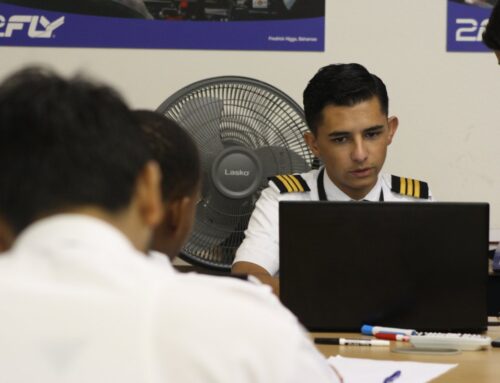
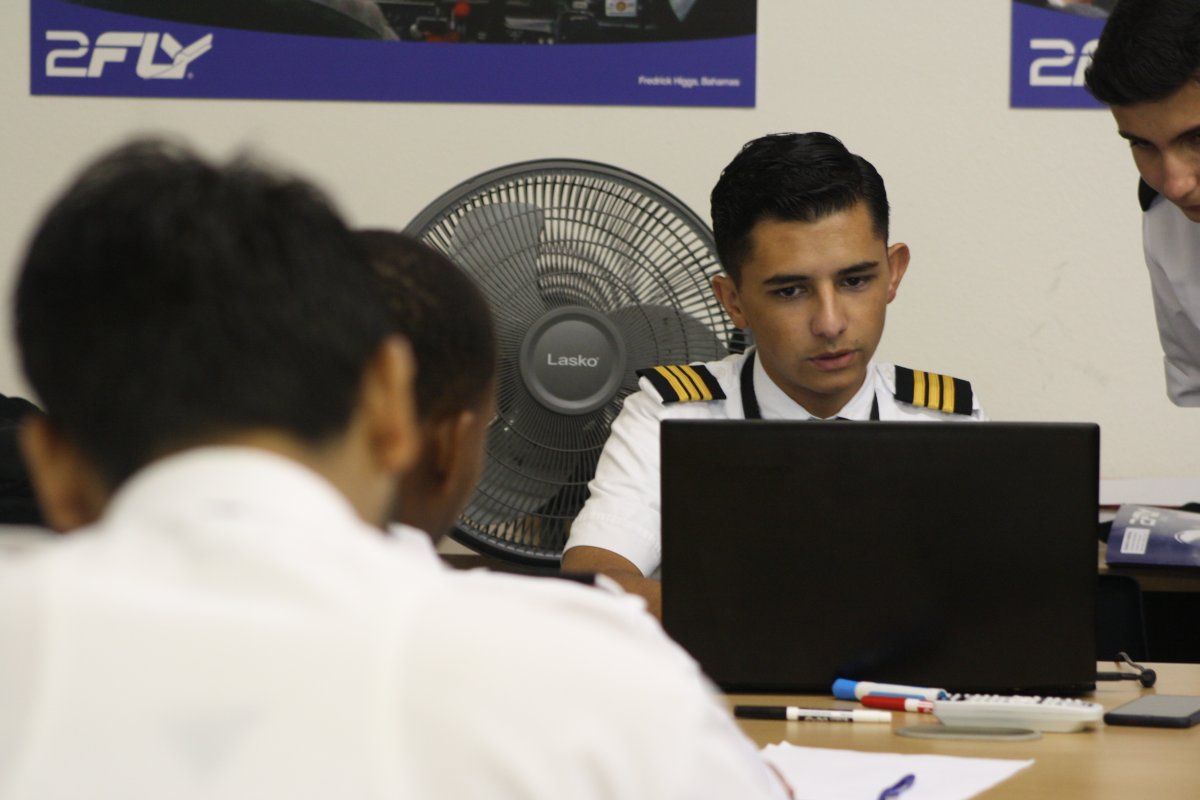
Becoming an airline-ready professional requires deep theoretical knowledge. You must master Meteorology, Navigation, and Federal Aviation Regulations (FARs). While some pilots attempt self-study, 2FLY utilizes a structured classroom environment to ensure no critical details are missed. This setting fosters collaboration and provides direct access to expert instructors who can clarify complex aerodynamic principles. We integrate ground school lessons directly with flight line experience to ensure better retention. If you study weather systems in the morning, you’ll apply that knowledge to your pre-flight briefing in the afternoon. You can attend one of our upcoming webinars to learn more about our integrated curriculum.
Fixed-Price Tuition vs. Hourly Rates: Eliminating Financial Turbulence
The primary barrier to entry for most aspiring aviators is financial uncertainty. You want to know exactly what your investment covers before you step into the cockpit. Traditional “pay-as-you-go” models often lead to budget overruns. Fuel surcharges, shifting instructor fees, and unexpected re-training hours can inflate the final price by 20% or more. Choosing pilot training programs with a fixed-price tuition model eliminates this financial turbulence. It provides a guaranteed cost for the entire syllabus, ensuring you focus on your maneuvers rather than your bank balance.
This model shifts the responsibility of efficiency to the academy. When a school offers a fixed rate, they’re incentivized to ensure you succeed on schedule. They provide the resources and high-quality instruction needed to meet FAA pilot training standards without dragging out the process. It aligns the interests of the student and the flight school, creating a partnership focused on one goal: your graduation and subsequent airline placement.
Calculating the Real ROI of Flight Training
A smart investment requires looking at the long-term return. In 2024, starting salaries for regional airline First Officers often range from $90,000 to $100,000. When you compare this to the cost of training, the initial investment often pays for itself within the first two years of professional employment. Speed is your greatest asset. Finishing your training 6 months earlier allows you to enter the airline seniority list sooner; this can add over $250,000 to your lifetime earnings through faster career progression. To bridge the gap between your current savings and your professional goals, you can explore specialized financing options designed specifically for career-track aviation students. This mindset of investing in expert instruction is key in any specialized field, from aviation to professional canine training where an academy like JPK9 Academy can make all the difference.
What is Included in a Comprehensive Tuition Fee?
An elite academy provides total transparency. A comprehensive fee includes all flight hours, advanced simulator sessions, and administrative support. You shouldn’t be surprised by extra costs for study materials or checkride fees. Professional programs package these elements together to create a streamlined path to the flight deck. This level of clarity is a hallmark of a world-class academy. It ensures you’re airline-ready without the distraction of hidden invoices or unexpected billing cycles.
Ready to secure your future in the cockpit? Contact a 2Fly Airborne training advisor today to discuss our transparent pricing structures and start your journey toward a global airline career.
The International Advantage: Training in the Florida Aviation Hub
Florida’s reputation as the global flight training hub is built on a foundation of 300+ annual flying days and an unparalleled density of aviation infrastructure. This environment allows students in pilot training programs to accumulate hours rapidly, avoiding the seasonal delays common in other regions. Beyond the weather, the logistical framework for international cadets must be precise. We manage the M-1 and F-1 visa sponsorship process, guiding students through SEVIS registration and TSA background checks. Our administrative team handles these regulatory hurdles so you can focus entirely on the cockpit.
The state’s aviation landscape is designed for high-volume, professional operations. With dozens of regional airports and dedicated practice areas, cadets gain experience in complex airspace that mirrors the environments they’ll encounter at major airlines. Success in 2026 requires more than just stick-and-rudder skills; it demands an understanding of international regulations and the ability to operate within a fast-paced, global system. European students particularly benefit from Florida’s consistent training conditions, which is why many choose to pursue their aviation education through specialized EASA flight school USA programs that offer dual certification pathways.
For many international students, mastering standard aviation phraseology also involves refining their speech for crystal-clear ATC communication. To achieve this, many find that an American Accent Program can be an invaluable tool for building confidence and precision over the radio.
Living the Aviator Lifestyle at Merritt Island and Lakeland
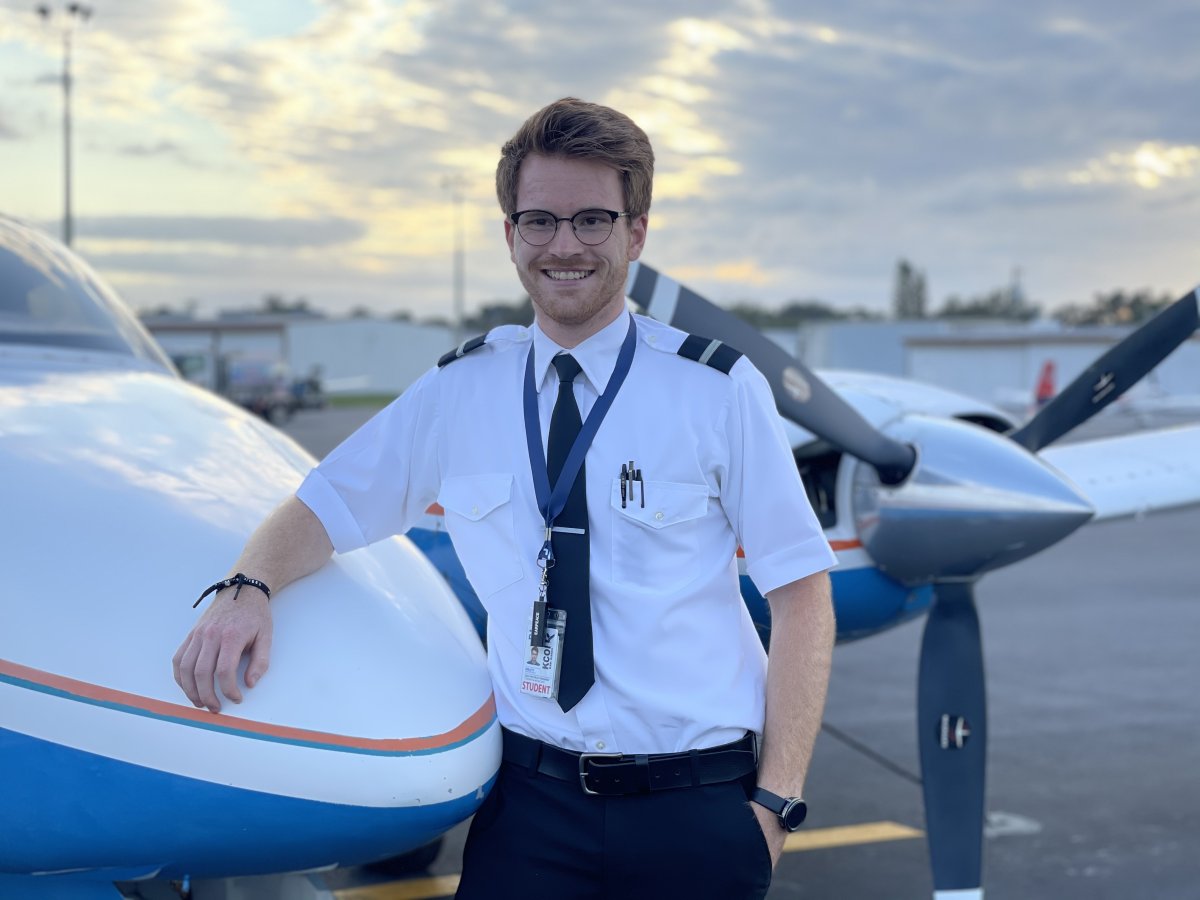
Training at Merritt Island (KCOI) or Lakeland (KLAL) provides exposure to diverse air traffic and professional-grade facilities. On-campus housing fosters a 24/7 immersion culture. You aren’t just a student; you’re a member of a dedicated cohort. Cadets who live on-site often complete their ratings faster because they remain constantly engaged with peers and instructors. This social and professional synergy is a hallmark of an elite training experience. The Florida climate ensures that your syllabus stays on schedule, providing the consistency needed to master advanced maneuvers without interruption.
Global Recruitment and Career Support
Global carriers seek candidates who’ve mastered the high-intensity airspace of the United States. Our recruitment network in Europe ensures that your transition from a US-based academy to an international flight deck is seamless. We train you to be “airline-ready” from day one. This means emphasizing standardized procedures and professional conduct that meets the expectations of major carriers. By combining the high-volume flying environment of Florida with a dedicated European recruitment footprint, we bridge the gap between initial training and a global airline seat.
Speak with a training advisor today to learn more about our FAA Airline Pilot Program and start your journey toward a professional career.
From Cadet to Captain: Launching Your Career with 2FLY Airborne
Completing your initial licenses is a massive milestone, but the journey to a global airline career requires bridging the gap between a commercial certificate and the Airline Transport Pilot (ATP) minimums. For most pilots in the United States, this means reaching the 1,500-hour flight time requirement established by the FAA in 2013. This phase is often the most challenging part of any pilot training programs, as it requires discipline and a clear strategy to gain high-quality multi-engine and cross-country experience. The FAA First Officer Program is specifically designed to streamline this transition; it provides a structured path that moves you from the classroom to the cockpit of a regional jet.
The CFI Pipeline: Earning While You Learn
Becoming a Certified Flight Instructor (CFI) is the most effective way to build the necessary hours while earning a professional income. At 2FLY, we prioritize hiring our top-performing graduates to join our instructional team. This internal pipeline allows you to master complex maneuvers and emergency procedures by teaching them to others. Pilots who instruct often develop superior situational awareness and communication skills. These traits are critical when you eventually transition to the Captain’s seat. You aren’t just waiting for hours to accumulate; you’re refining your leadership abilities in a high-stakes environment.
- Build hours quickly while receiving a steady paycheck.
- Gain deep technical knowledge that only comes from teaching.
- Access internal hiring opportunities within the 2FLY academy network.
Your First Step Toward the Flight Deck
Your choice of flight school is the most significant career decision you’ll make. It determines the quality of your foundational skills and the strength of your professional network. For the upcoming 2026 intake, we recommend scheduling a personal consultation or a Discovery Flight at our Florida base. This allows you to inspect our fleet, meet our instructors, and finalize your application timeline. Understanding the private pilot license requirements and certification process is essential before taking this important step. If you’re just starting to explore your options and want a comprehensive overview of the entire journey, our detailed guide on how to become a pilot in 2026 provides the complete roadmap from initial eligibility requirements through airline placement. Join the elite ranks of 2FLY Global Pilots today. The demand for qualified aviators remains high, and our comprehensive pilot training programs ensure you’re ready to meet that demand head-on. Contact an admissions officer to start your journey toward the flight deck.
Take Command of Your Future in the Skies
The global demand for airline-ready professionals is accelerating as we head toward 2026. Selecting the right pilot training programs requires a sharp focus on financial transparency and proven results. Since 1994, 2FLY Airborne has delivered decades of success by combining elite FAA training with the certainty of fixed-price tuition. This model eliminates the financial turbulence often found with hourly rates. It provides a clear, predictable path to your commercial license. By training at our premier aviation hubs in Florida, you’ll gain the international perspective and flight hours necessary to excel in a competitive global market. You aren’t just learning to fly; you’re preparing to lead as a captain. The transition from cadet to professional demands discipline, but the rewards of a lifelong career are within your reach. It’s time to stop watching the horizon and start navigating toward it. Your seat on the flight deck is closer than you think.
Start Your Journey: Apply for the FAA Professional Pilot Program Today
Frequently Asked Questions
How long does it take to complete a professional pilot training program?
A full-time professional pilot training program typically takes 12 to 18 months to complete from zero experience to commercial certification. This timeline depends on your training frequency and local weather conditions. At 2Fly Airborne, our structured syllabus is designed to move you through the 1,500 hour requirement for U.S. airlines efficiently, ensuring you’re career-ready in the shortest possible timeframe.
What are the medical requirements to become a commercial pilot in 2026?
You must obtain an FAA First-Class Medical Certificate to operate as a commercial airline pilot. This examination, conducted by an authorized Aviation Medical Examiner, evaluates your vision, hearing, and cardiovascular health. For pilots under age 40, this certificate remains valid for 12 months; for those over 40, it requires renewal every 6 months to maintain your flying privileges.
Can international students get a job in the US after flight training?
International students training on an M-1 visa can apply for Practical Training after completing their course, which allows them to work as flight instructors for up to 6 months. While direct airline employment in the U.S. usually requires a green card, the 1,500 hours you gain during this period makes you a competitive candidate for global carriers. We’ve seen graduates successfully transition to airlines across Europe and Asia using this experience.
What is the difference between a Part 61 and a Part 141 flight school?
Part 141 schools follow a rigid, FAA-approved curriculum and are subject to regular audits, whereas Part 61 schools offer more flexibility in lesson structure. Choosing Part 141 pilot training programs often allows students to graduate with fewer total flight hours because of the highly structured environment. For example, a commercial license under Part 141 requires 190 hours instead of the 250 hours mandated under Part 61 regulations.
How much does it cost to go from zero experience to a commercial license?
The total investment for a professional pilot career generally ranges between $80,000 and $100,000 as of 2024. This estimate covers flight hours, ground school, instructor fees, and FAA exam costs. Because fuel prices and aircraft maintenance costs fluctuate, we recommend speaking with a 2Fly training advisor to get a current, itemized quote for our accelerated pilot training programs.
Do I need a university degree to become an airline pilot?
You don’t need a four-year university degree to obtain your commercial pilot license or fly for regional airlines. However, 80% of major U.S. carriers still prefer candidates with a bachelor’s degree during the final hiring process. Many of our cadets choose to complete their flight training first to start earning seniority, then finish their degree online while working as a professional pilot.
What happens if I fail a checkride during my training?
Failing a checkride means you’ll receive additional training on the specific maneuvers you missed before retaking the exam with an examiner. Statistics show that approximately 20% of pilots experience a failed checkride at some point in their training career. It’s a learning opportunity rather than a career-ender, provided you show consistent improvement and a professional attitude during your subsequent evaluations.
How does 2FLY support students with the M-1 visa process?
2Fly Airborne provides dedicated administrative support by issuing the Form I-20 required for your M-1 vocational student visa application. Our team guides you through the SEVIS fee payment and interview preparation process to ensure you meet all TSA and Department of State requirements. We’ve helped students from over 50 countries navigate these legal steps to begin their journey toward the flight deck.
Article by
2FLY Airborne
2Fly Airborne is a professional flight training organization dedicated to developing the next generation of skilled, confident, and safety-focused pilots. With decades of combined aviation experience, our team of certified instructors provides structured, real-world training designed to prepare students for both checkrides and long-term success in the aviation industry.
Content Disclaimer
Some blog content is generated with the assistance of automated tools and may not always be fully accurate or up to date. Please verify all aviation-related information with official sources or a certified instructor. For additional guidance or clarification, we encourage you to contact one of our training advisors at 2Fly Airborne.

Leave A Comment