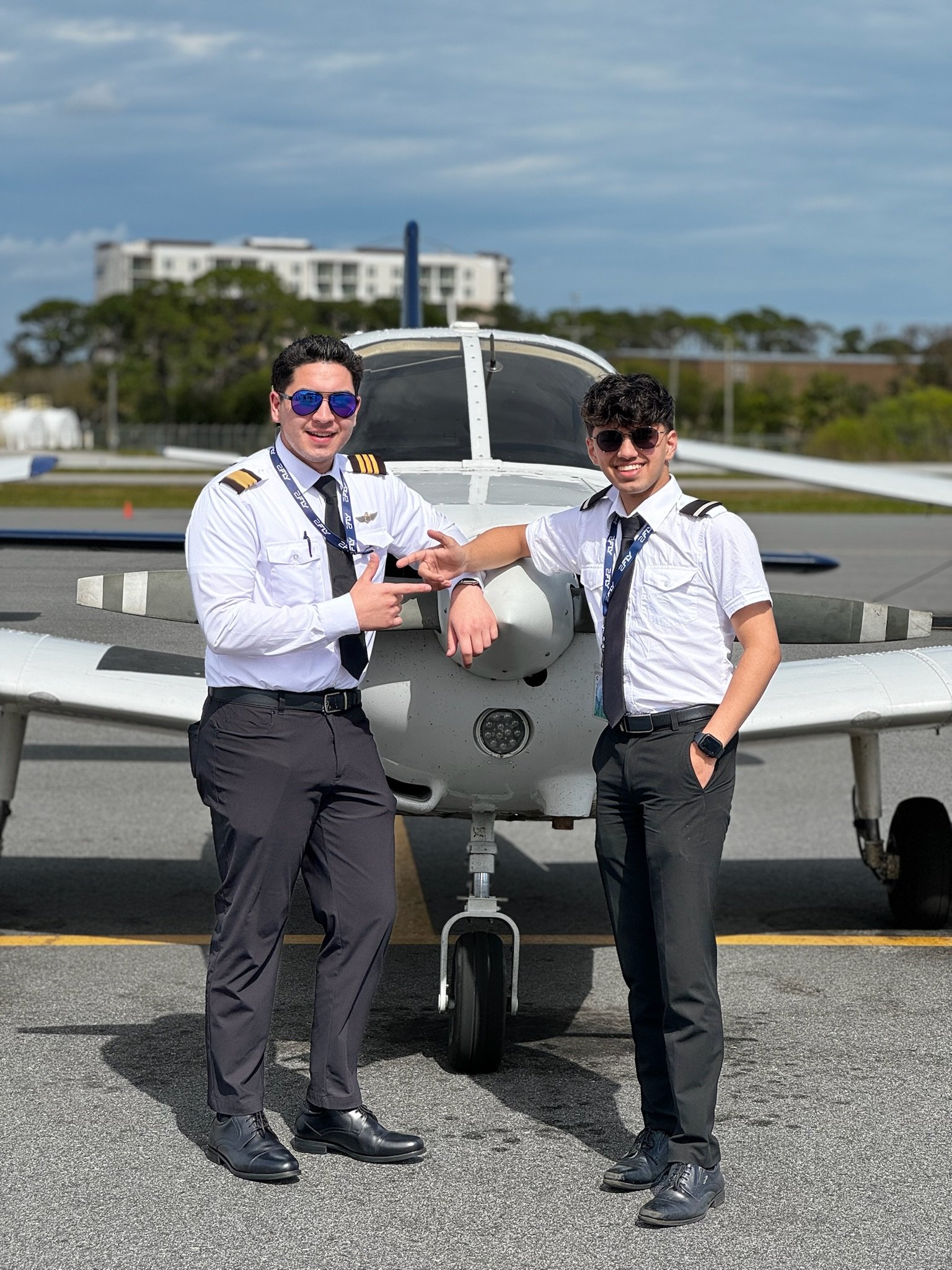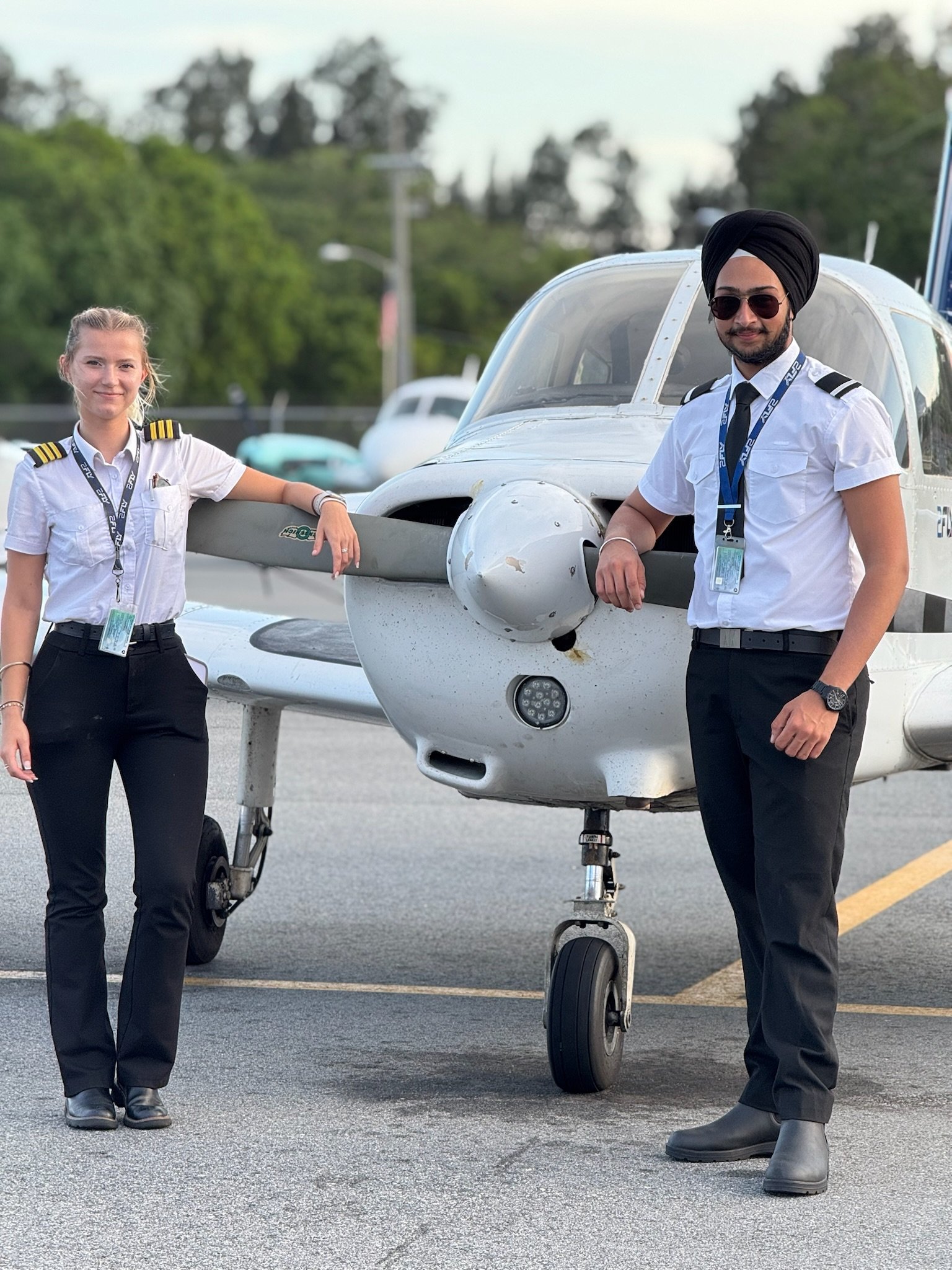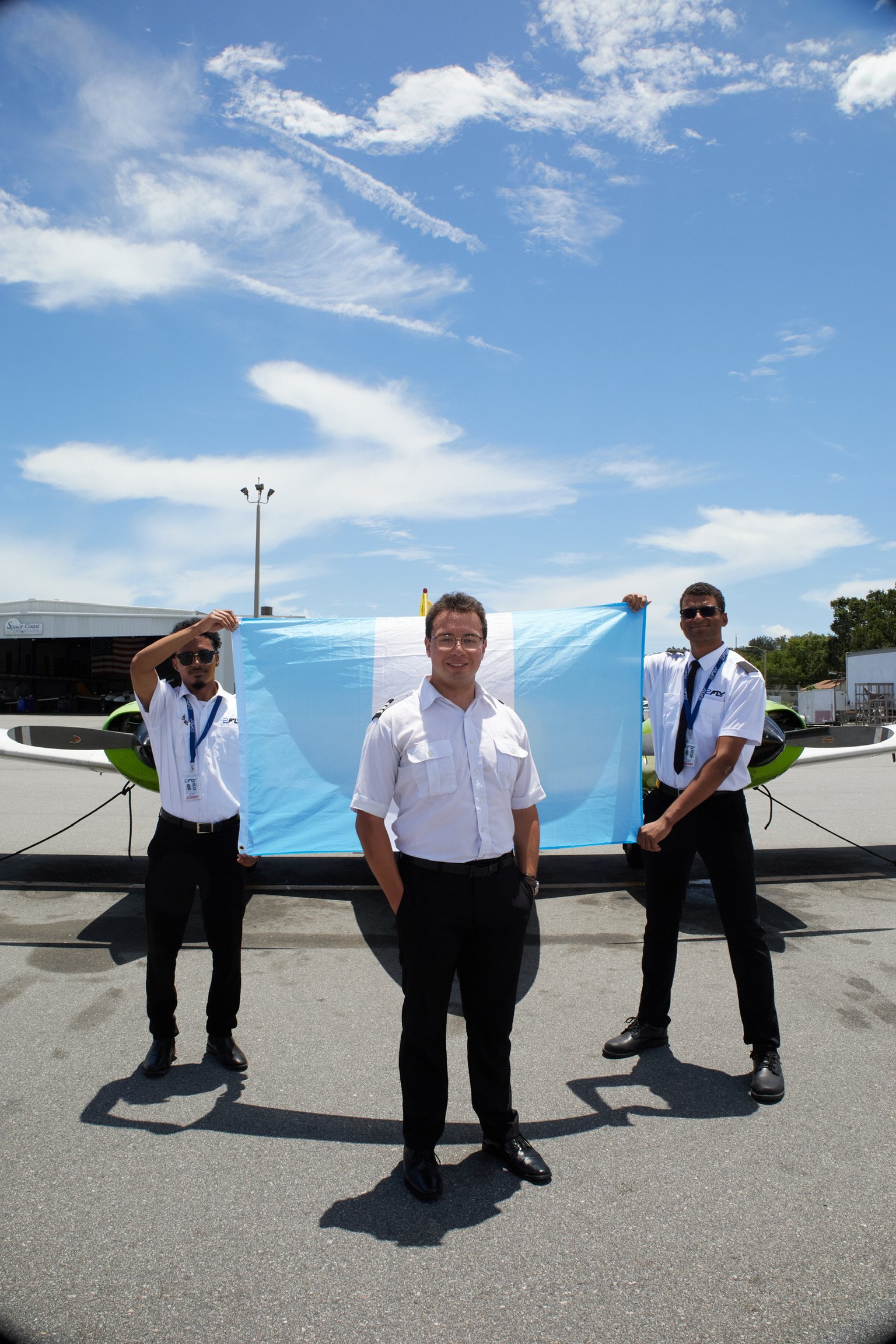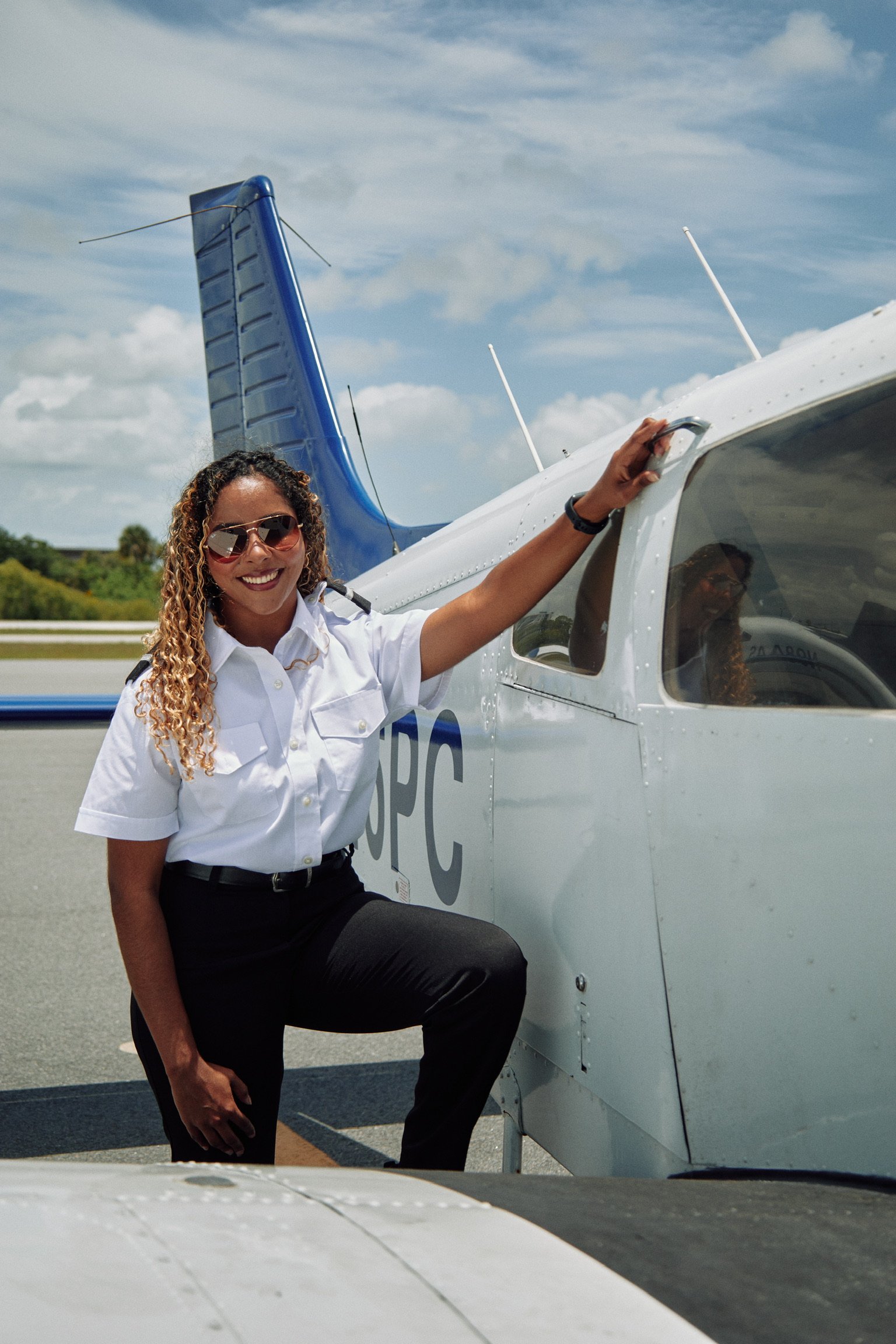
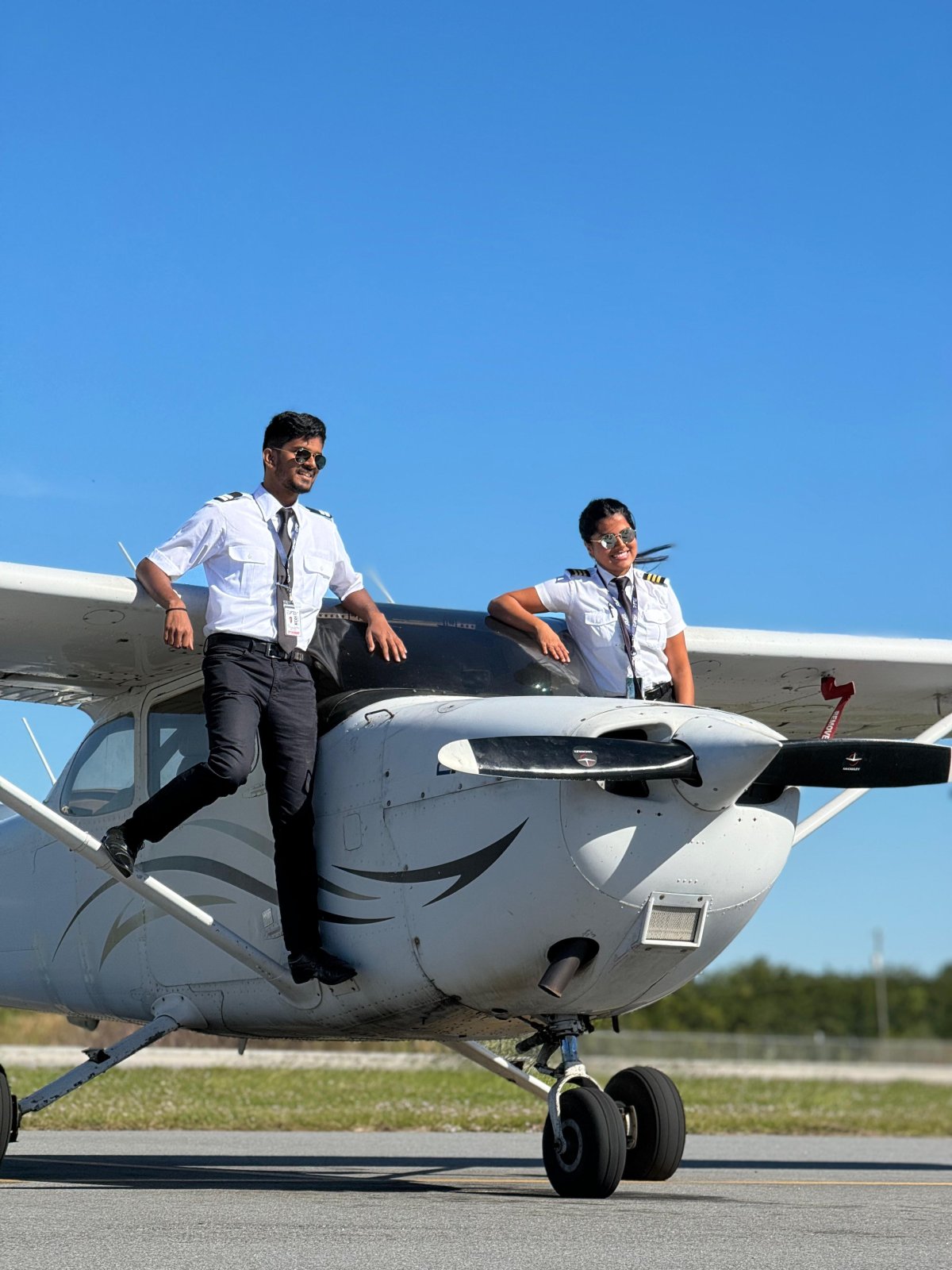
The 2025 Boeing Pilot and Technician Outlook forecasts a staggering demand for 660,000 new qualified pilots through 2044. This projection highlights a massive opportunity for those ready to earn a commercial pilot license and commit to an elite, global career. You likely recognize that aviation offers a unique blend of technical mastery and professional freedom, yet the regulatory hurdles can seem daunting. It’s natural to feel anxious about meeting the 250-hour flight time requirement or choosing the right medical certification path.
This guide provides the roadmap you need to transition into a professional role with confidence. We’ll detail the precise steps, from initial training milestones to the final checkride, ensuring you understand the return on investment for your flight training. You will receive a structured checklist that simplifies the path to the flight deck. By the end of this article, you’ll have a clear vision of how to transform from a student into an airline-ready pilot.
Key Takeaways
- Discover the critical steps to earning your commercial pilot license and transitioning from a student to an elite, career-ready professional.
- Navigate the essential FAA eligibility requirements and flight hour benchmarks necessary to meet the global demand for 660,000 new pilots by 2044.
- Learn the key distinctions between Part 61 and Part 141 training programs to determine which professional path aligns with your timeline and career goals.
- Uncover the diverse legal privileges and specialized aviation sectors unlocked once you are certified to act as Pilot-in-Command for compensation.
- Gain expert insight into mastering the ground school curriculum and aeronautical experience required to join the next generation of global aviators.
What is a Commercial Pilot License (CPL)? The Professional Milestone
Earning a Commercial Pilot License is the definitive turning point in an aviator’s journey. While the industry frequently uses the term “license,” the FAA technically issues a “certificate.” This credential serves as the legal authorization for a pilot to be compensated for their flight services. It transforms a passion for flying into a legitimate profession, moving you beyond the limitations of private flight where sharing costs is the only financial option.
The timing for entering this field is ideal for ambitious cadets. The 2025 Boeing Pilot and Technician Outlook projects a massive global demand for 660,000 new qualified pilots through 2044. This data highlights a robust and growing market for those who possess the right certifications and a commitment to excellence. Securing your CPL is the first major step toward meeting this global need.
To better understand the specific experience requirements for this milestone, watch this helpful video:
Obtaining this certificate requires a significant psychological shift. You’re no longer just a student flying for personal satisfaction. You must adopt the mindset of a disciplined professional mentor and safety leader. Every maneuver and decision must reflect a commitment to the highest standards of the commercial aviation industry. This transition ensures you’re prepared for the rigors of a career where safety and precision are the primary objectives.
CPL vs. ATP: Knowing the Difference
While a commercial pilot license allows you to work for hire, it’s distinct from the Airline Transport Pilot (ATP) certificate. The ATP is the highest level of aircraft pilot certification and is required to act as a captain or first officer for major airlines. The CPL serves as the essential bridge certification. It enables you to earn money while building the 1,500 flight hours typically required for the ATP. Common entry-level roles for CPL holders include flight instruction, aerial photography, banner towing, and charter operations.
The Global Pilot Mindset
FAA certification is recognized and respected across every continent, providing a foundation for a truly international career. Training in a professional environment that mirrors airline operations is vital for long-term success. A Global Pilot is an aviator trained to international standards who possesses the skills to operate in diverse regulatory environments. This perspective ensures you’re airline-ready from the moment you complete your training. If you’re ready to begin your journey, speak with a training advisor at 2FLY Airborne for personalized guidance on your career path.
Commercial Pilot License Requirements: Eligibility and Prerequisites
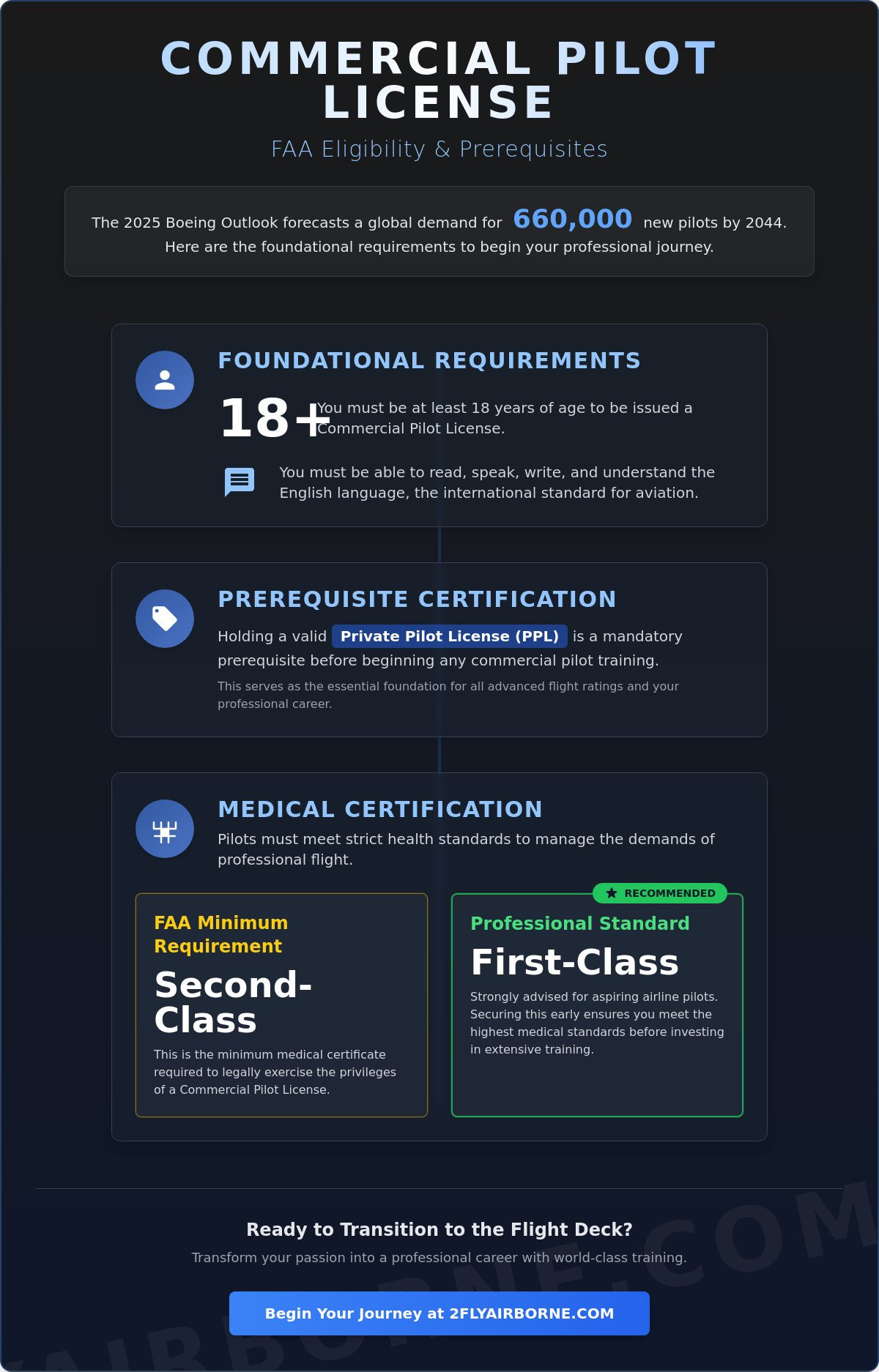
Securing a commercial pilot license represents a major shift from flying as a hobbyist to operating as a professional. You can’t simply jump into commercial training without a solid base. The FAA mandates that every candidate must already hold a Private Pilot License (PPL) before they can begin the formal process of earning commercial privileges. Beyond certification, you must be at least 18 years old and demonstrate full proficiency in reading, speaking, and understanding the English language, which is the international standard for aviation safety.
Aspirations of a career on the flight deck require more than just technical skill; they require physical readiness. According to the Bureau of Labor Statistics, pilots must meet strict health standards to manage the demands of professional flight operations. While the FAA requires a Second-Class Medical Certificate to exercise commercial pilot privileges, we strongly advise cadets to obtain a First-Class Medical Certificate at the start of their journey. This ensures you meet the higher physical standards required for airline roles before investing in full-scale training.
FAA Medical Standards for Professionals
The distinction between medical classes is vital for your career trajectory. A Second-Class medical allows you to fly for compensation in roles like aerial photography or flight instruction. A First-Class medical is the gold standard for airline captains. You’ll visit an Aviation Medical Examiner (AME) who evaluates vision, hearing, and cardiovascular health. Proactively securing the highest certification confirms your long-term viability in an industry that the 2025 Boeing Pilot and Technician Outlook projects will need 660,000 new pilots by 2044. This forward-thinking approach prevents medical surprises from grounding your career later.
The Private Pilot Foundation
Success in commercial training depends heavily on the habits you formed during your PPL phase. You’re moving away from basic Visual Flight Rules (VFR) toward professional-grade precision. Commercial maneuvers require tighter tolerances and a deeper understanding of aircraft systems. If your foundation is weak, the transition to the advanced requirements of a commercial pilot license will be difficult. Mastery of the basics allows you to focus on the complex decision-making skills required for airline-ready performance. If you’re ready to map out your path to the flight deck, speak with a training advisor at 2FLY Airborne to discuss our FAA Airline Pilot Program.
How to Get a Commercial Pilot License: A Step-by-Step Guide
Earning your commercial pilot license is a transformative milestone. It transitions you from a recreational flyer to a professional aviator authorized to fly for compensation. This journey requires a disciplined approach and a commitment to excellence. The 2025 Boeing Pilot and Technician Outlook projects a demand for 660,000 new qualified pilots through 2044, making this the ideal time to begin your professional progression.
The path to the flight deck follows four primary steps:
- Step 1: Build Aeronautical Experience. You’ll need to accumulate the flight time required by the FAA. Under Part 61 regulations, this is typically 250 hours. Part 141 schools often provide a more condensed route, sometimes requiring as few as 190 hours.
- Step 2: Ground School and Knowledge Test. You must complete a comprehensive ground school curriculum. This culminates in the FAA Commercial Pilot Knowledge Test, which covers advanced aerodynamics, federal regulations, and complex systems.
- Step 3: Advanced Flight Training. This phase focuses on precision. You’ll master maneuvers that require high levels of coordination and situational awareness.
- Step 4: The FAA Practical Test. Often called the “Checkride,” this is the final hurdle. You’ll demonstrate your skills and knowledge to a Designated Pilot Examiner.
Logging the 250 Hours: Quality vs. Quantity
Logging hours isn’t just about watching the clock. The FAA requires specific experience, including 100 hours of Pilot-in-Command time and 50 hours of cross-country flight. According to the AOPA, these requirements are designed to ensure you’ve developed the sound judgment necessary for commercial operations. Professional programs, such as our FAA Airline Pilot Program, emphasize high-quality hour building. Flying in varied weather and complex airspace prepares you for the realities of airline operations better than circling a local airfield. Focus on diversity in your flight log to build a robust professional foundation.
Mastering the Advanced Maneuvers
Commercial training pushes your technical skills to an elite level. You’ll move beyond basic turns to master maneuvers like chandelles, lazy eights, and steep spirals. These exercises aren’t just for show; they teach you to manage aircraft energy and maintain control at the edges of the flight envelope. Modern training often utilizes Technically Advanced Aircraft (TAA) to ensure you’re comfortable with the glass cockpits found in regional and major jets. The CPL checkride tests “commercial standards” of +/- 100 feet and 10 knots. Precision is your new baseline. If you’re ready to meet these standards, contact a 2FLY Airborne training advisor to discuss your career goals.
CPL Privileges: What Can You Do With a Commercial Certificate?
Earning a commercial pilot license transforms flying from a high-level hobby into a professional career. This certificate is the legal threshold that allows you to act as Pilot-in-Command (PIC) for compensation or hire. It marks the moment you stop paying for flight time and start getting paid for it. The industry is currently facing an unprecedented need for talent. According to the 2025 Boeing Pilot and Technician Outlook, the global aviation sector requires 660,000 new qualified pilots through 2044. Your CPL is the foundational credential required to meet this demand.
You aren’t limited to the flight deck of a regional jet immediately. Many pilots find rewarding work in specialized sectors that demand high levels of stick-and-rudder skill. Aerial photography provides a unique perspective for real estate and surveying projects. Agricultural aviation, or crop dusting, requires precision flying at low altitudes. Pipeline and powerline patrol involve long-range navigation to ensure the integrity of national infrastructure. These roles provide valuable experience while you build your professional reputation. Mastering IFR instrument flight rules is essential for expanding your capabilities across all of these commercial sectors.
For many cadets, the most efficient way to build the hours needed for an airline seat is through education. Becoming a Certified Flight Instructor (CFI) allows you to master your craft by teaching others. It’s a role that demands discipline and deep technical knowledge. You can explore this path in detail through our Flying Instructor Course 2026: The Definitive Guide. Teaching is widely regarded as one of the best ways to prepare for the rigors of airline training.
Entry-Level Commercial Careers
Traditional first jobs often involve high-repetition operations. Banner towing over crowded beaches and flying skydivers to altitude are classic ways to sharpen your skills. If you prefer a corporate environment, Part 135 charter operations offer a path into professional jet and turboprop operations; to explore the standards of excellence in this sector, you can visit FlyEliteJets. Ferry pilots also play a vital role in the global supply chain. They move aircraft across international borders for manufacturers or private owners, often navigating complex global networks in a single delivery mission.
The Multi-Engine Advantage
While a single-engine commercial pilot license is a major milestone, most professionals add a Multi-Engine Rating immediately. Multi-engine time is the primary currency of the airline recruitment world. It proves you can manage complex systems and handle the high-performance demands of twin-engine aircraft. Training on the right equipment makes a difference. Many successful pilots use the Piper Seneca as their ultimate multi-engine training platform. This experience is essential for transitioning to the flight deck of a modern airliner.
Your future in the cockpit starts with a clear plan. Speak with a 2FLY Airborne training advisor to learn how our programs can accelerate your career.
Choosing the Right Training Path: Professional vs. Modular
Choosing how to earn your commercial pilot license defines the trajectory of your career. Most students choose between Part 61 and Part 141 training environments. Part 61 offers a modular, pay-as-you-go approach. It works for those needing extreme flexibility, but it often lacks the momentum required for a rapid transition to the flight deck. In contrast, Part 141 programs provide a rigorous, FAA-approved syllabus designed for career-minded students. The 2FLY Airborne FAA Professional Pilot Program utilizes this structured framework to create “airline-ready” cadets. These programs prioritize efficiency and prepare you for the high-stakes environment of a major carrier. Fixed-price programs provide a significant advantage here. They allow for precise financial planning and eliminate the uncertainty of fluctuating costs. You aren’t just paying for flight hours; you’re investing in a guaranteed standard of excellence.
The Value of a Structured Academy
Immersion is the primary driver of high success rates. At a dedicated flight academy, you live and breathe aviation. On-campus housing creates a student pilot community that fosters accountability and peer-to-peer learning. You’ll have constant access to state-of-the-art simulators and a standardized fleet of aircraft. This consistency builds muscle memory and professional discipline from day one. You won’t waste time adjusting to different cockpit layouts or varying maintenance standards. If you’re ready to map out your future, speak with a 2FLY training advisor for a personalized career roadmap today.
Planning Your Investment
Modular training often hides costs behind low hourly rates. You might face unexpected delays due to instructor availability or aircraft maintenance issues. These interruptions extend your timeline and inflate your total spend over several years. A professional program minimizes these risks through dedicated resources and a clear timeline. According to the 2025 Boeing Pilot and Technician Outlook, the global industry requires 660,000 new qualified pilots through 2044. This massive demand makes the FAA First Officer Program a strategic choice for serious candidates. While the initial commitment is significant, the commercial pilot license is an investment in a career with high lifetime earnings. You’re building a foundation for a global profession that rewards skill and dedication. Reach out to our team to discuss how to begin your journey toward the flight deck.
Launch Your Professional Flight Career
Earning your commercial pilot license marks the definitive transition from a student to a professional aviator. You’ve explored the rigorous FAA Part 141 training standards and the strategic choice between modular and integrated paths. These steps don’t just build skill; they prepare you for a global industry facing an unprecedented demand for talent. The 2025 Boeing Pilot and Technician Outlook projects that airlines will need 660,000 new qualified pilots through 2044. This massive requirement creates a clear runway for dedicated cadets who prioritize elite training environments to become a Global Pilot.
Success in the cockpit requires a combination of technical mastery and disciplined mentorship. 2FLY Airborne provides this through fixed-price professional pilot programs designed to get you airline-ready. You’ll train under high-caliber standards that mirror real-world airline operations from day one. Don’t leave your career progression to chance when you can follow a proven, structured syllabus. It’s time to move beyond the classroom and into the captain’s seat.
Speak with a 2FLY Training Advisor to start your professional pilot journey today. The sky is waiting for its next generation of leaders.
Frequently Asked Questions
How many flight hours do I need for a commercial pilot license?
You need a minimum of 250 total flight hours under FAA Part 61 or 190 hours under FAA Part 141 to earn a commercial pilot license. These hours include specific requirements like 100 hours of pilot-in-command time and 50 hours of cross-country flight. Meeting these benchmarks is a critical step toward becoming an airline-ready professional. Contact 2FLY Airborne to review your logbook and plan your training path.
Can I get paid to fly with just a commercial pilot license?
Yes, a commercial pilot license allows you to receive compensation for your flight services. You can pursue careers in flight instruction, aerial photography, or banner towing once you’ve met the certification requirements. The 2025 Boeing Pilot and Technician Outlook projects a demand for 660,000 new pilots through 2044, making this the perfect time to launch your career. Speak with a training advisor to explore your employment options.
What is the difference between a commercial pilot and an airline pilot?
A commercial pilot holds the credentials to fly for hire, while an airline pilot requires an Airline Transport Pilot certificate. Most pilots work in entry-level roles to build the 1,500 flight hours required for the ATP. This progression ensures you gain the elite technical mastery needed for the flight deck of a major airline. We provide the structured environment necessary to achieve these professional milestones and reach the flight deck.
Is the commercial pilot ground school harder than the private pilot one?
Commercial ground school is more rigorous because it focuses on the complex regulations and technical systems required for professional flight operations. You’ll dive deeper into topics like high-altitude weather, advanced navigation, and commercial operating rules under 14 CFR Part 135. While the private pilot course builds your foundation, this stage prepares you for the high standards of a global aviation career. Our mentors guide you through every technical lesson.
Do I need a college degree to get my commercial pilot license?
You don’t need a college degree to obtain your CPL from the FAA. However, many major airlines prioritize candidates with a bachelor’s degree during their recruitment process. 2FLY Airborne focuses on making you airline-ready by providing the technical flight training required to enter the industry immediately. Contact our team to discuss how to balance your academic education with your professional flight training goals for long-term success.
What medical certificate is required for a commercial pilot license?
You must hold at least a second-class medical certificate to exercise the privileges of your CPL. If your goal is to fly for a major airline, you’ll eventually need to obtain a first-class medical certificate. These examinations ensure you meet the physical standards required for professional safety and long-term career reliability. Speak with a training advisor if you have specific questions about medical eligibility or meeting FAA health requirements.
How long does it typically take to earn a CPL?
Earning a CPL typically takes six to twelve months of dedicated training after you’ve completed your private pilot and instrument ratings. Your individual timeline depends on your flight frequency and the training program’s structure. We design our syllabus to move you through the requirements efficiently so you can begin working toward the 660,000 pilot vacancies projected by Boeing’s 2025 outlook. Take the first step by contacting our admissions team today.
Is a commercial pilot license valid internationally?
An FAA CPL is recognized globally, though you may need a license conversion to fly aircraft registered in other jurisdictions. Many pilots choose to train in the United States due to the high quality of instruction and then convert their credentials to EASA or other local authorities. 2FLY Airborne specializes in training global pilots who are prepared to work in international aviation markets across every continent. Contact us to start your journey.
Article by
2FLY Airborne
2Fly Airborne is a professional flight training organization dedicated to developing the next generation of skilled, confident, and safety-focused pilots. With decades of combined aviation experience, our team of certified instructors provides structured, real-world training designed to prepare students for both checkrides and long-term success in the aviation industry.
Content Disclaimer
Some blog content is generated with the assistance of automated tools and may not always be fully accurate or up to date. Please verify all aviation-related information with official sources or a certified instructor. For additional guidance or clarification, we encourage you to contact one of our training advisors at 2Fly Airborne.