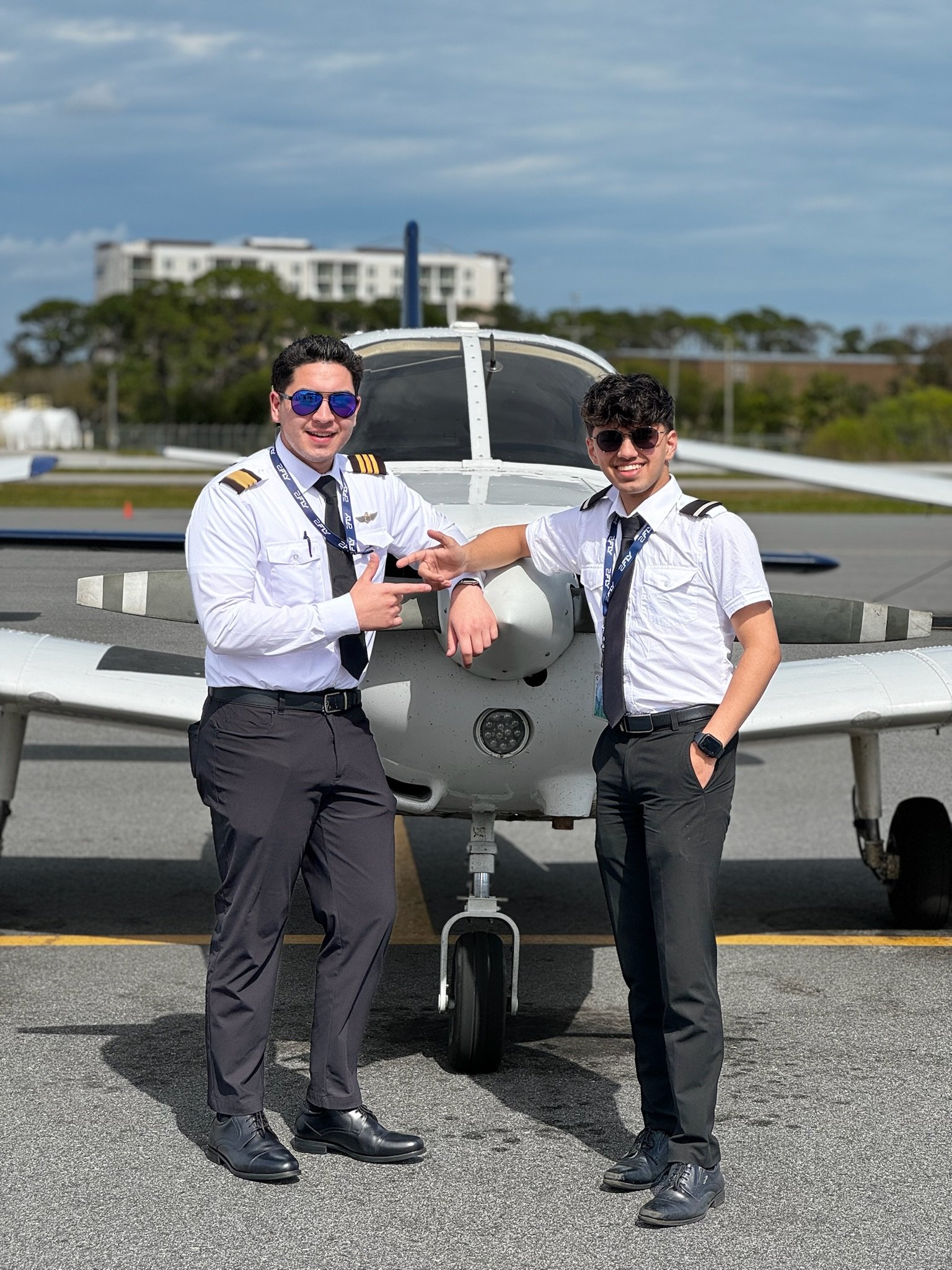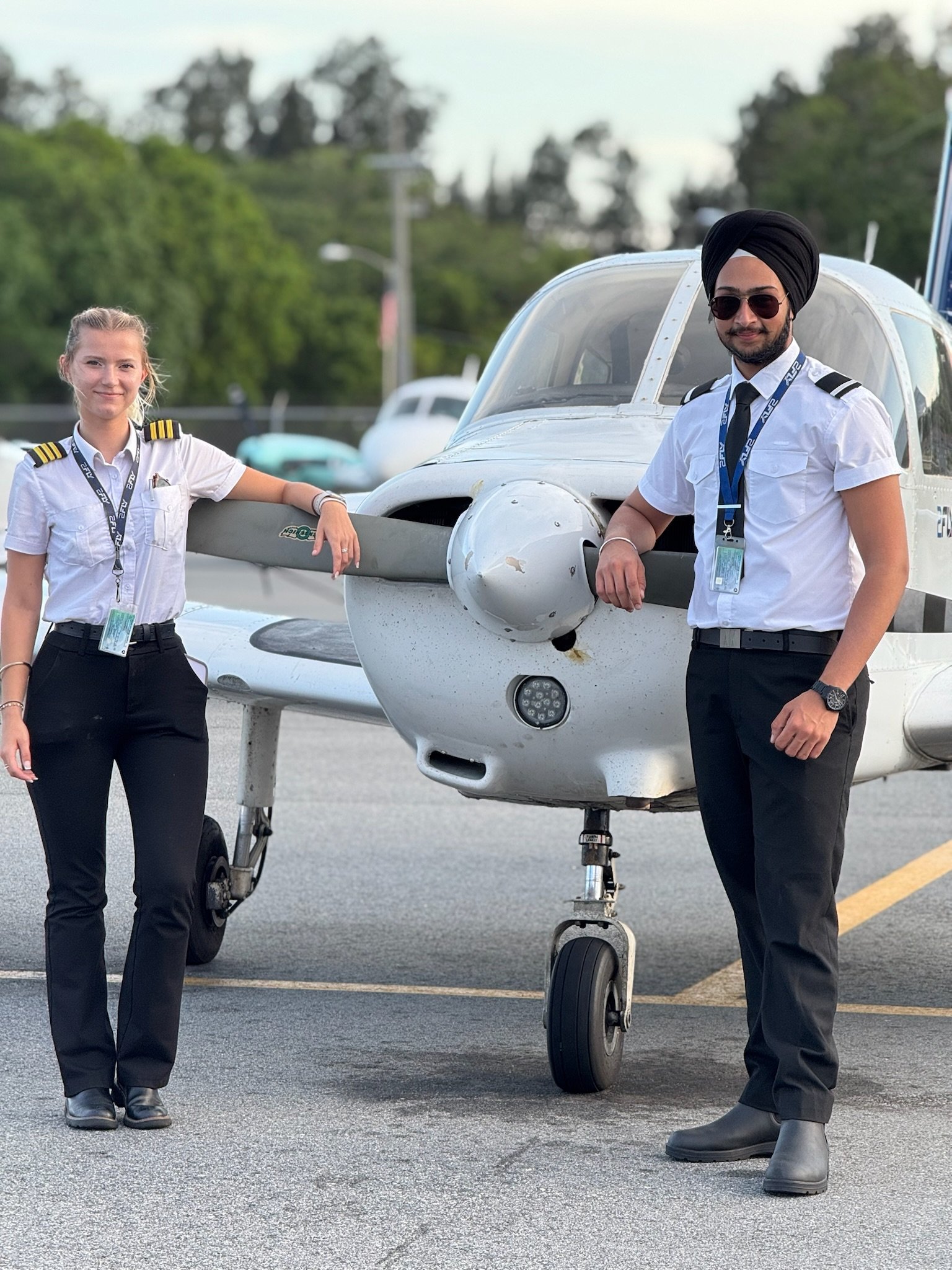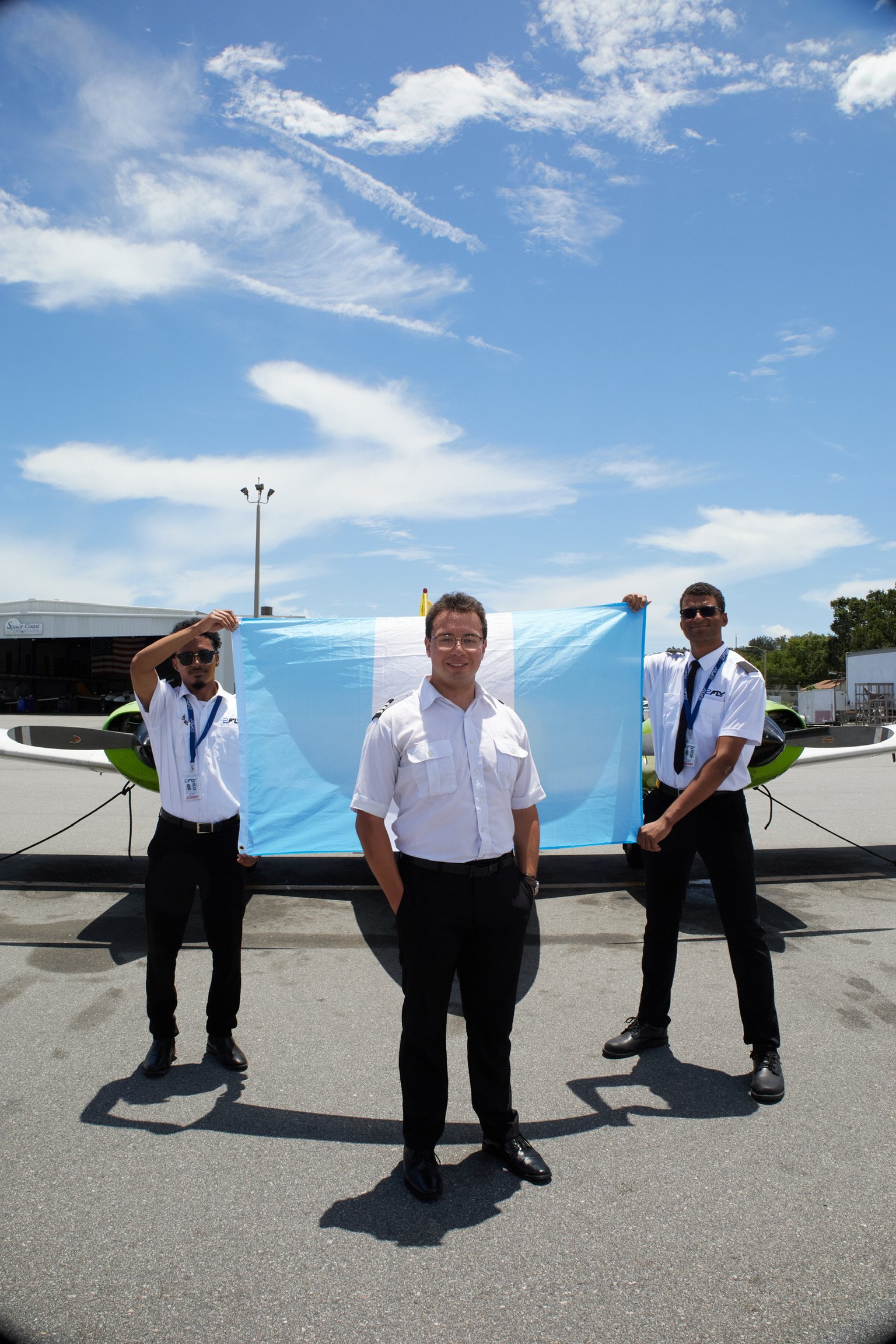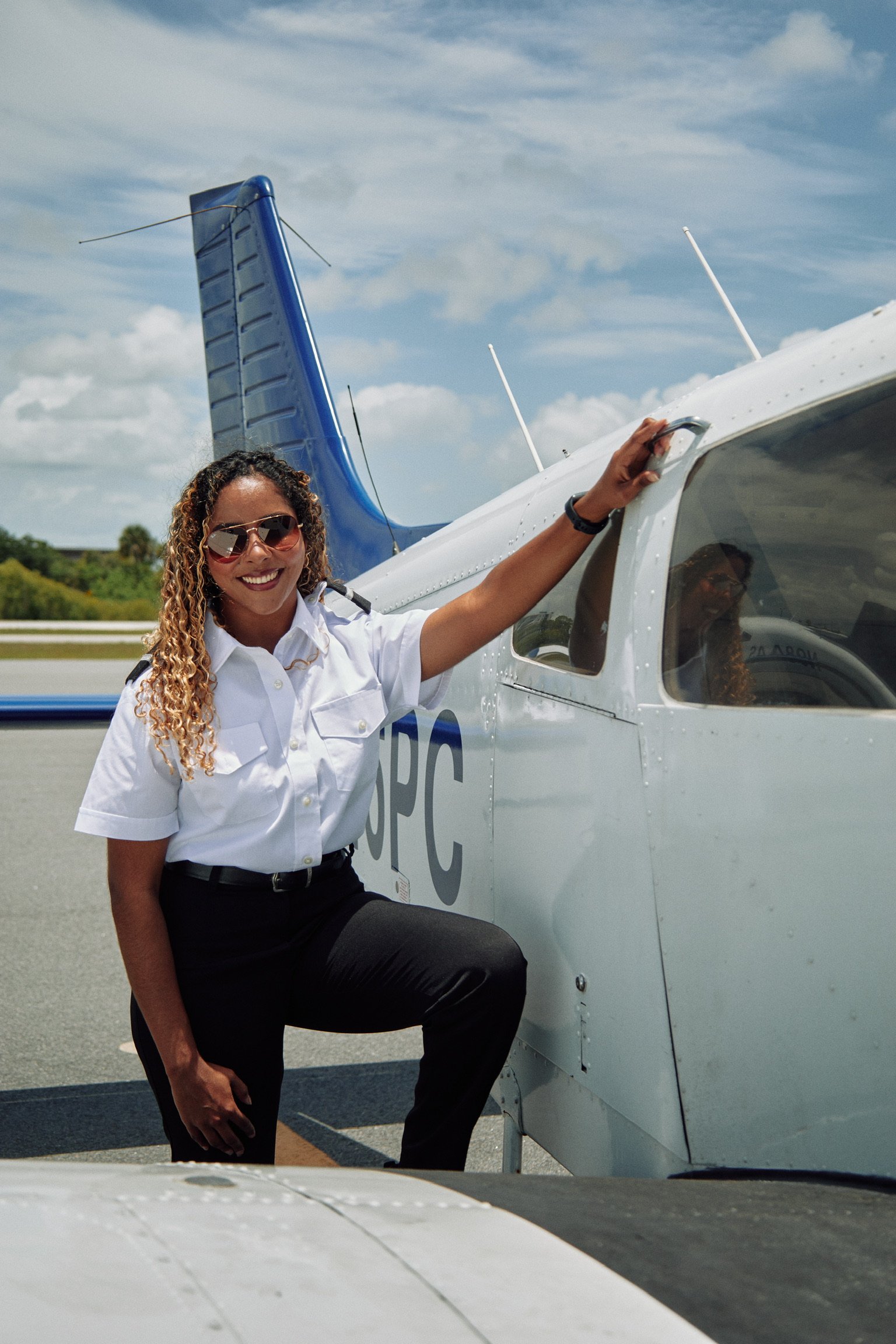
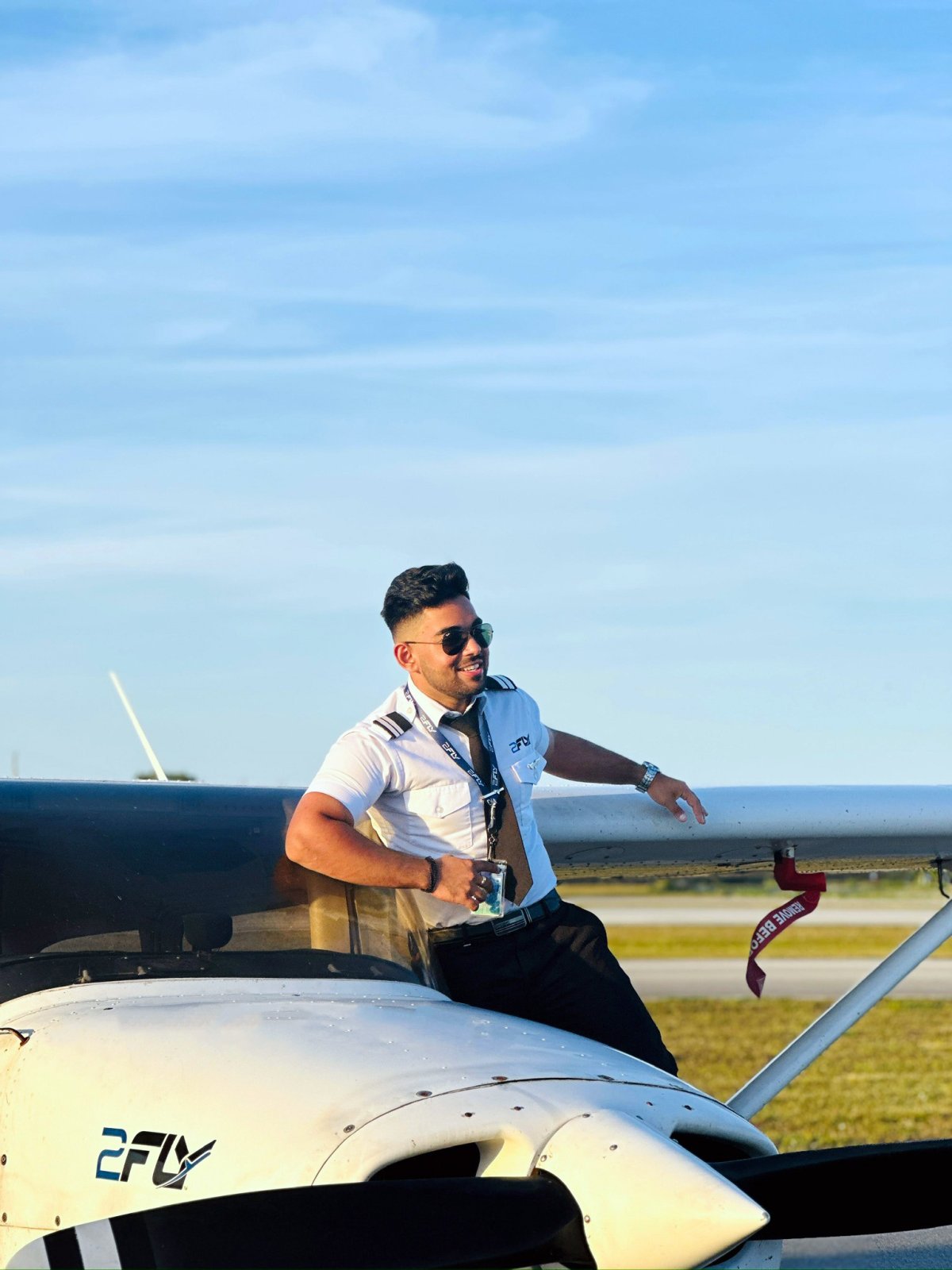
The 2025 Boeing Pilot and Technician Outlook forecasts a global demand for 660,000 new qualified pilots through 2044. This massive requirement highlights a unique window of opportunity for those ready to transition from the ground to the flight deck. You likely realize that becoming a commercial pilot is a significant commitment. It’s natural to feel uncertain about the differences between FAA and EASA certifications or how to manage the timeline of your professional pilot training effectively.
We’ll provide the clarity you need to move forward with absolute confidence. You’ll learn exactly how to master the structured phases of modern flight education and understand the regulatory standards that shape a global aviation career. This article explores the progression from cadet to airline-ready professional, offering a clear map of the 2026 industry landscape. By the end, you’ll know how to select an elite academy that aligns with your ambition to join the next generation of global aviators.
Key Takeaways
- Analyze the massive global demand for aviators as highlighted by the 2025 Boeing Pilot and Technician Outlook, which projects a need for 660,000 new pilots by 2044.
- Explore the structured modular phases of professional pilot training required to transition from a student to a certified commercial aviator.
- Evaluate the strategic differences between Part 141 and Part 61 regulatory frameworks to select the optimal environment for your professional development.
- Learn the essential first steps for enrollment, including how to verify your eligibility through the FAA medical certification process.
- Discover the professional mindset and Crew Resource Management skills necessary to graduate as a truly airline-ready candidate for global carriers.
The Global Landscape of Pilot Training and Career Demand
Commercial aviation in 2026 is defined by a massive expansion in global connectivity and a relentless pace of recruitment. Airlines are aggressively seeking fresh talent to fill cockpits as travel demand continues to outpace the available supply of crew members. This environment has transformed the path to the flight deck. It’s no longer just about logging hours; it’s about following a structured, professional trajectory that meets the exacting standards of modern carriers.
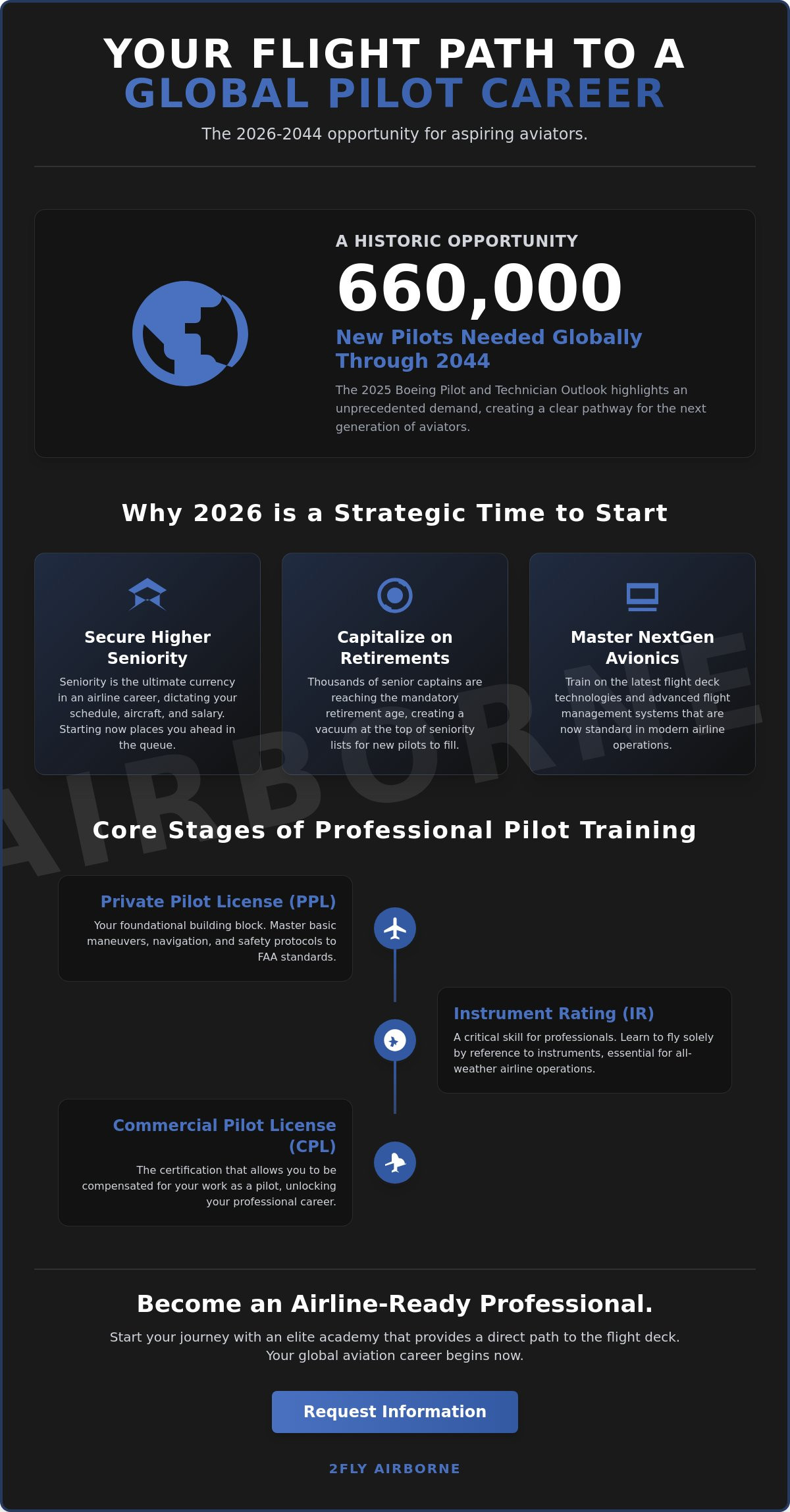
The 2025 Boeing Pilot and Technician Outlook confirms the scale of this opportunity, projecting a global need for 660,000 new qualified pilots through 2044. This staggering figure is a primary driver for those entering the industry today. To address this shortage, the training industry has shifted toward “airline-ready” models. These programs focus on high-intensity, immersive instruction designed to transition a student from zero experience to a commercial flight deck with maximum efficiency and safety.
To better understand the practical challenges of starting your journey, watch this helpful video regarding the initial learning curve:
Aspiring aviators should first familiarize themselves with the foundational requirements of pilot licensing and certification. Understanding these regulatory milestones is essential for choosing a pilot training program that aligns with your long-term career goals and international aspirations.
Why 2026 is a Strategic Time to Start
Seniority is the ultimate currency in commercial aviation. It dictates everything from your monthly schedule to your aircraft assignments and salary increments. Starting your pilot training in 2026 allows you to capitalize on the current retirement wave. Thousands of senior captains are reaching the mandatory retirement age of 65, creating a vacuum at the top of seniority lists. By entering a professional program now, you secure your place in the hiring queue earlier. You’ll also train on the latest flight deck technologies, including advanced flight management systems and NextGen avionics, which are now standard in modern airline operations.
The Global Pilot Concept
The modern aviation career is inherently international. A “Global Pilot” is a professional who possesses the skills and certifications to operate across different jurisdictions and cultures. US-trained pilots are in high demand worldwide because FAA standards are recognized for their rigor and focus on safety. Choosing an academy with a global perspective, such as the FAA Airline Pilot Program, ensures you aren’t limited to a single domestic market. Whether you aim to fly for a US major, a European flag carrier, or a rapidly growing airline in the Middle East, your training serves as your passport to the world. Success requires a disciplined mindset and a commitment to excellence from day one. If you’re ready to begin, contact a training advisor at 2FLY Airborne to discuss your professional roadmap.
Core Stages of Professional Pilot Training
Professional pilot training operates as a modular progression of certifications. You don’t simply learn to fly; you stack specific ratings that build your professional competency. The journey begins with the Private Pilot License (PPL). This is your foundational building block. It covers basic maneuvers, navigation, and safety protocols. According to the FAA guide to becoming a pilot, this initial stage sets the standard for every flight hour that follows. High-achievers treat the PPL as the start of a disciplined career path rather than a hobby.
The Path from Student to Commercial Professional
After the PPL, cadets move to the Instrument Rating (IR). This phase teaches you to fly solely by reference to instruments. It’s a critical skill for professional flight operations where weather conditions aren’t always perfect. Next comes the Commercial Pilot License (CPL). This certification allows you to receive compensation for your work. To reach the flight deck of a major carrier, a Multi-Engine (ME) rating is essential. Airlines operate complex aircraft with multiple powerplants. Mastering these systems is a non-negotiable requirement for career advancement. Our FAA Airline Pilot Program is designed to streamline this sequence, moving you from zero experience to airline-ready status.
Building Flight Hours and Experience
Earning your licenses is only part of the equation. In the United States, the 1,500-hour rule dictates the minimum flight time required for an Airline Transport Pilot (ATP) certificate. This regulation ensures that pilots entering the airline industry possess significant real-world experience. Many graduates choose the Certified Flight Instructor (CFI) route to reach this milestone. Teaching others sharpens your own skills while you accumulate the necessary time. To understand how each individual training flight builds toward your ATP and long-term commercial career, review our detailed breakdown of what to expect at every stage of professional aviation instruction.
The 2025 Boeing Pilot and Technician Outlook highlights a massive global need, projecting a demand for 660,000 new qualified pilots through 2044. Securing high-quality pilot training is the first step toward filling these open cockpits. If you’re ready to begin your journey, speak with a training advisor at 2FLY Airborne for personalized guidance on your career path.
Choosing the Right Training Pathway: Part 141 vs. Part 61
Your choice of training environment defines your professional trajectory. The FAA provides two distinct frameworks for pilot training: Part 141 and Part 61. Part 141 schools operate with a rigid, FAA-approved syllabus designed for high-intensity, career-focused learning. These programs are the gold standard for students aiming for the flight deck of a major carrier. Part 61 offers a flexible, self-paced approach. While Part 61 works well for recreational flyers or those with unpredictable schedules, it often lacks the standardized oversight that commercial airlines value in new hires. The 2025 Boeing Pilot and Technician Outlook projects a global demand for 660,000 new qualified pilots through 2044. Meeting this demand requires a disciplined foundation that mirrors the operational environment of a professional airline.
The Benefits of a Structured Career Program
Airlines prioritize candidates who have proven they can succeed in a structured environment. Part 141 academies provide consistent training quality and standardized progress checks that ensure every cadet meets elite performance benchmarks. This structure also offers practical advantages for your timeline. Under Part 141 approval, you can often qualify for certain certifications with reduced flight hour requirements. For example, a commercial pilot certificate requires 190 hours of flight time under Part 141, compared to the 250 hours required under Part 61. This efficiency helps you reach the flight deck sooner. Current pilot hiring trends in 2026 indicate that carriers are specifically seeking “airline-ready” graduates who have already mastered the rigorous documentation and procedural discipline taught in structured academies. For a comprehensive look at how location factors into this decision, our guide to flight schools in Florida details how the Sunshine State’s regulatory environment and professional pipeline give cadets a measurable advantage.
The Integrated Degree Approach
Many aspiring aviators choose to combine their pilot training with an academic qualification to enhance their long-term career stability. An integrated degree program with airline pilot training provides a comprehensive education that goes beyond the cockpit. University flight programs offer a traditional campus experience and a four-year degree, which can be beneficial for future management roles within an airline. However, standalone flight academies often provide a more accelerated, immersive experience for those who want to enter the workforce immediately.
Deciding between a university program and a standalone academy depends on your personal timeline and career goals. If your priority is a rapid transition to a first officer seat, an accelerated professional academy is likely your best route. We encourage you to contact a 2Fly Airborne training advisor to discuss which pathway aligns with your ambition to become a global pilot professional.
Strategic Preparation for Your Flight Training Journey
Success in the cockpit begins long before the engines start. Aspiring aviators must approach their pilot training with the same discipline required of a captain. The 2025 Boeing Pilot and Technician Outlook highlights a global need for 660,000 new qualified pilots through 2044. This massive demand creates a clear path for those who prepare correctly. Your first objective is securing an FAA First-Class Medical Certificate. This medical clearance is the industry gold standard; it verifies you meet the rigorous physical requirements for commercial operations. Obtaining this early prevents future setbacks and confirms your eligibility for a long-term career.
Educational background also plays a critical role in your progression. While a university degree is not always a legal prerequisite for initial certification, a firm grasp of STEM subjects is essential. You’ll use physics to understand aerodynamics and mathematics for complex navigation and fuel planning. Professional academies look for candidates who demonstrate this technical aptitude and a commitment to lifelong learning.
Administrative and Legal Readiness
You must establish your legal identity within the aviation system before your first solo flight. This process involves creating an account through the Integrated Airman Certification and Rating Application (IACRA) system to secure your Student Pilot Certificate. For international students, the logistics include obtaining the correct visa. Most cadets train under an M-1 vocational visa or an F-1 academic visa. If you’re looking to bridge the gap between American and European standards, review our EASA Flight School USA Guide to understand how to leverage Florida-based training for a global career.
Financing Your Aviation Future
Professional flight training is a significant investment in your human capital. You need a comprehensive financial strategy that covers more than just tuition. Cadets must budget for “checkride” examiner fees, which are paid directly to FAA-designated examiners, as well as flight gear, charts, and housing. Many students utilize specialized Flight Training Financing Options designed for the unique pace of aviation education. These loans often feature deferred payment structures that align with your transition into a regional airline seat. Planning for the total cost of the journey ensures you can maintain a consistent training schedule; consistency is the fastest way to build proficiency and reach the flight deck.
The transition from a student to an airline-ready professional requires a proactive mindset and the right mentorship. If you are ready to begin your journey, contact a 2FLY training advisor for personalized guidance on your enrollment steps.
Transitioning from Student to Airline-Ready Professional
Becoming a professional pilot requires a total shift in perspective. It’s the move from a student mindset to an airline-ready professional. This status isn’t just about holding a license; it’s about demonstrating a commitment to safety, precision, and standardization. Crew Resource Management (CRM) serves as the backbone of modern aviation. It teaches you to utilize all available resources, including personnel and technology, to ensure flight safety. 2FLY Airborne integrates these principles into every stage of pilot training. We prepare cadets for the high-pressure environment of airline interviews by conducting mock evaluations and technical reviews.
The 2025 Boeing Pilot and Technician Outlook projects a global demand for 660,000 new qualified pilots through 2044. This figure represents a massive opportunity for dedicated students. To meet this demand, you must progress through the final stages of your education, including the ATP Multi-Engine rating. This rating is the gold standard for entry-level airline positions. It proves you can handle heavy aircraft in complex weather conditions. Once you achieve this, you’re ready for your first First Officer role. You’ll step into the cockpit not as a trainee, but as a disciplined professional prepared to transport passengers safely across the globe.
The Role of Advanced Simulation
Advanced flight simulators are the most effective way to bridge the gap between light piston aircraft and heavy turbine jets. Modern flight academies use these tools to introduce students to glass-cockpit environments early. Learning to manage automation and complex systems is vital for success in today’s industry. The FAA First Officer Program utilizes high-fidelity simulation to replicate airline-style procedures. This training ensures that your first day in a regional jet feels like a natural progression rather than an overwhelming leap. You’ll master instrument approaches and emergency checklists in a controlled, high-tech setting.
Next Steps: Speaking with a Training Advisor
Personalized career guidance is a game-changer for anyone entering the aviation industry. A training advisor can help you navigate the various pathways and certifications required to reach your specific goals. They provide clarity on timelines and help you understand the requirements for different global regions. We also encourage you to attend aviation events. These gatherings are perfect for networking with active pilots and airline recruiters. Building these relationships early can provide a significant advantage when you begin your job search. Contact 2FLY Airborne to start your professional journey today and speak with an expert about your future.
Take Command of Your Professional Aviation Career
The 2025 Boeing Pilot and Technician Outlook projects a global demand for 660,000 new qualified pilots through 2044. This massive surge in opportunity means that your choice of pilot training is the most critical decision of your professional life. Navigating the complexities of Part 141 versus Part 61 pathways requires a strategic mindset and an unwavering commitment to excellence. 2FLY Airborne bridges the gap between student and professional through comprehensive FAA and EASA training pathways. We maintain a proven track record of placing graduates in major global airlines; this ensures our cadets are truly airline-ready upon completion. For international students, we simplify the journey with on-campus housing and dedicated visa support. You have the ambition to reach the flight deck; we have the world-class environment to get you there. It’s time to move beyond the classroom and into the cockpit. Speak with a 2FLY Training Advisor today to launch your global aviation career. Your future in the skies is waiting.
Frequently Asked Questions
How long does it take to complete professional pilot training?
Professional pilot training typically takes 12 to 24 months for a full-time cadet to reach commercial certification. This timeline depends on your personal dedication, weather conditions, and the specific training track you choose. The 2025 Boeing Pilot and Technician Outlook highlights a demand for 660,000 new pilots through 2044, making an efficient training schedule vital for your career entry. Contact a 2FLY Airborne advisor to discuss a structured syllabus tailored to your professional goals.
What are the basic requirements to start pilot training in 2026?
You must be at least 17 years old to earn a private license and 18 for commercial certificates. A high school diploma or equivalent is required, along with the ability to read, speak, and understand English fluently. You also need to obtain an FAA First Class Medical Certificate to ensure you meet the physical standards for an airline career. These benchmarks establish the foundation for your journey toward becoming an airline-ready professional.
How much does it cost to become a commercial pilot?
Total investment varies based on the training location, aircraft type, and the specific certificates you pursue. Industry data suggests that a comprehensive professional program requires a focused financial commitment to cover flight hours, ground school, and examiner fees. We recommend contacting 2FLY Airborne for a detailed breakdown of current tuition and resource requirements. Our advisors help you understand the financial planning needed to join the elite ranks of global aviators.
Is there a specific age limit for starting pilot training?
There’s no maximum age limit to begin training, though FAA regulations require airline pilots to retire by age 65. Many career changers enter the flight deck in their 30s or 40s to capitalize on the 660,000 new pilot vacancies projected through 2044. As long as you can maintain a First Class Medical Certificate, you can pursue your pilot training at any stage of your adult life. Start your transition today by speaking with our team about professional pathways for mature students.
Do I need a college degree to become an airline pilot?
A four-year degree isn’t a legal requirement for FAA certification, though some major carriers preferred it in the past. Today, the urgent demand for 660,000 qualified pilots by 2044 has led many airlines to prioritize flight experience and professional pilot training over academic degrees. Earning your commercial license remains the most vital step for your employment prospects. We focus on making you airline-ready through intensive, focused training that meets the highest industry standards.
What is the difference between FAA and EASA pilot training?
FAA certification is governed by the United States Federal Aviation Administration, while EASA standards apply to the European Union and several other global regions. FAA training often allows for more flexible hour-building, whereas EASA programs typically follow a highly structured, integrated syllabus with 14 intensive theory exams. 2FLY Airborne provides guidance on which path best suits your international career goals. Choosing the right jurisdiction is a strategic decision for any global pilot.
Can I work while I am enrolled in flight school?
You can work part-time, but a full-time professional program requires a commitment similar to a demanding career. Cadets often find that the rigorous schedule of ground school and flight sorties leaves little room for outside employment. To stay on track for the 2044 industry demand targets, most students focus entirely on their studies to finish quickly. Reach out to a training advisor to evaluate how to balance your personal schedule with your flight training.
What happens if I fail a flight checkride during training?
Failing a checkride is a temporary setback, not the end of your career. You’ll receive additional training in the specific areas where you didn’t meet the standards before retaking the evaluation. Professional instructors at 2FLY Airborne work with you to correct deficiencies and build the confidence needed for success. Every elite pilot faces challenges; the key is how you adapt and demonstrate your commitment to safety and technical mastery.
Article by
2FLY Airborne
2Fly Airborne is a professional flight training organization dedicated to developing the next generation of skilled, confident, and safety-focused pilots. With decades of combined aviation experience, our team of certified instructors provides structured, real-world training designed to prepare students for both checkrides and long-term success in the aviation industry.
Content Disclaimer
Some blog content is generated with the assistance of automated tools and may not always be fully accurate or up to date. Please verify all aviation-related information with official sources or a certified instructor. For additional guidance or clarification, we encourage you to contact one of our training advisors at 2Fly Airborne.