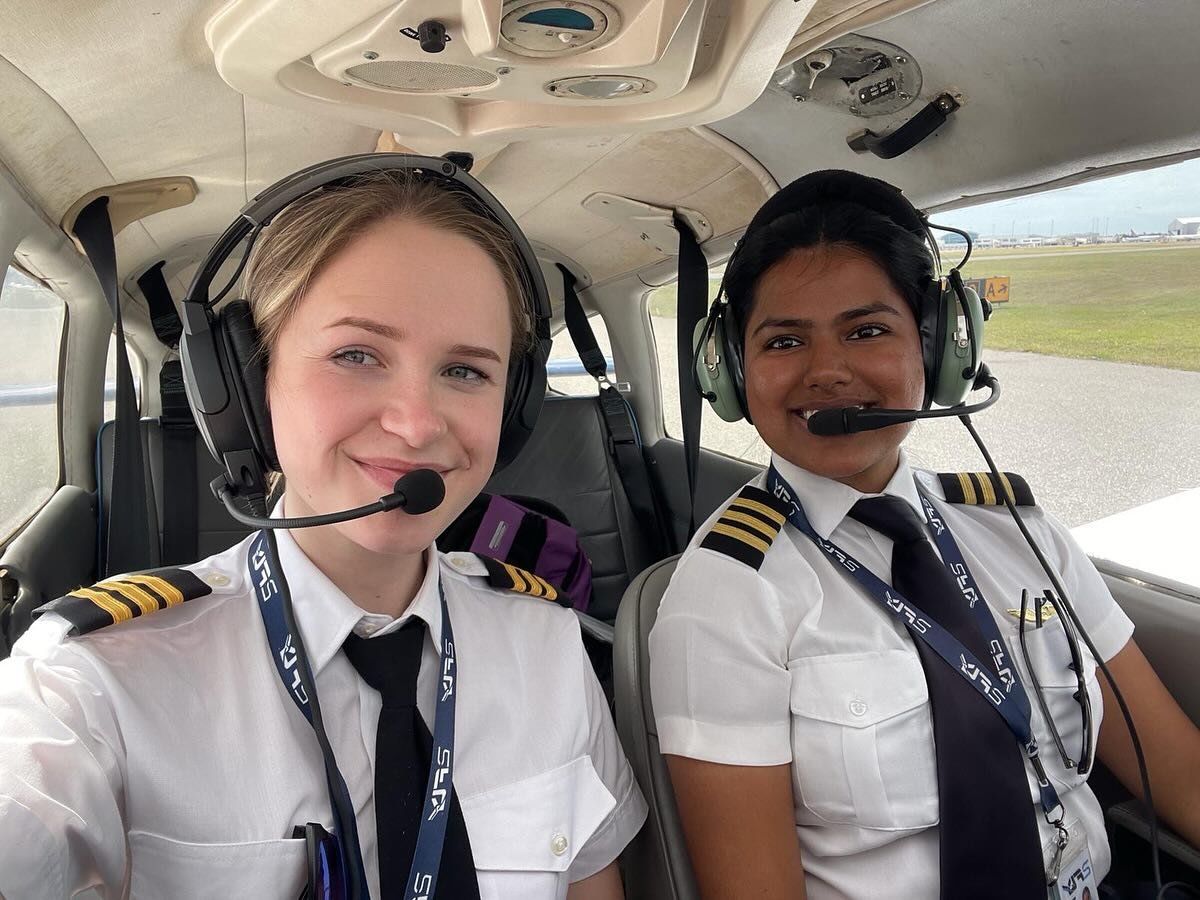
What if the most productive hour of your professional life took place thousands of feet above the ground? It’s natural to feel a mix of adrenaline and apprehension when you think about your first training flight. You might worry about the technical difficulty of specific maneuvers or feel uncertain about how these early hours build toward a long term commercial career.
We believe that clarity is the first step toward confidence. Every elite captain once sat exactly where you are, navigating the same questions about syllabus structure and solo requirements. This article demystifies the reality of professional aviation instruction, showing how each session is a calculated step toward becoming an airline-ready professional.
You’ll learn the anatomy of a standard lesson and how we bridge the gap between a student pilot and a global aviator. We’ll preview the path from your initial certificates to the 1,500 hours required for your ATP. By the time you finish reading, you’ll feel prepared to take control and begin your journey to the flight deck with absolute certainty.
Key Takeaways
- Understand the distinction between a casual discovery flight and a syllabus-driven training flight designed to build specific professional competencies.
- Trace the progression of your skills as you move from fundamental stick-and-rudder maneuvers to complex, instrument-based navigation.
- Learn why the hours spent on the ground during pre-flight briefings and post-flight debriefings are as critical as the time logged in the air.
- Gain insight into essential safety maneuvers, such as stall recovery and steep turns, that form the backbone of a pilot’s emergency response capabilities.
- Discover how to adopt a commercial mindset early by practicing Crew Resource Management and disciplined operational habits from your first day in the cockpit.
Understanding the Concept of a Professional Training Flight
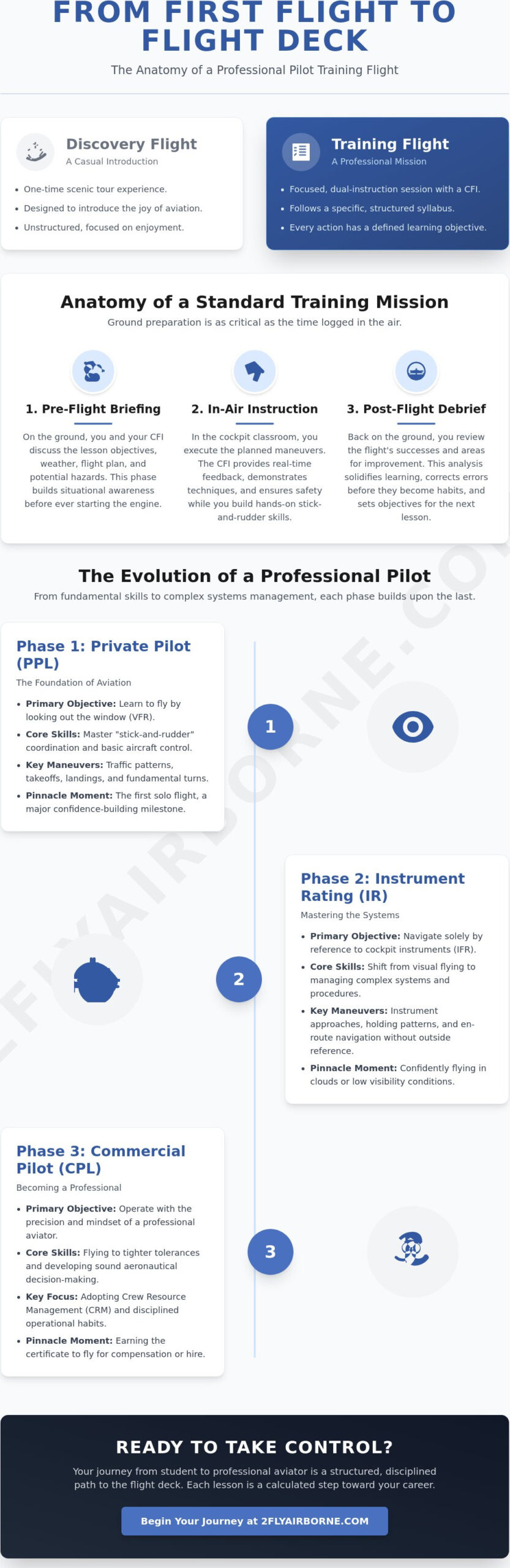
A professional training flight is far removed from the casual experience of a scenic tour or a one-time discovery flight. While a discovery flight is designed to introduce you to the joy of aviation, a training mission is a focused, dual-instruction session conducted with a Certified Flight Instructor (CFI). It follows a specific syllabus that transforms the cockpit into a disciplined classroom where every action has a learning objective.
Success in the air begins with preparation on the ground. Students utilize the Airplane Flying Handbook as a foundational guide to ensure their technical knowledge matches their physical skills. By following a comprehensive overview of flight training, you can see how individual lessons build upon one another to create a safe, competent aviator.
To better understand this concept, watch this helpful video showing a real-world training scenario:
One common misconception is that early flight lessons are unstructured practice sessions or “joyriding.” In reality, every training flight is a high-stakes environment where you learn to manage the aircraft’s systems while maintaining situational awareness. You aren’t just learning to move the yoke; you’re learning to think like a professional pilot from your very first hour.
The Role of the Certified Flight Instructor (CFI)
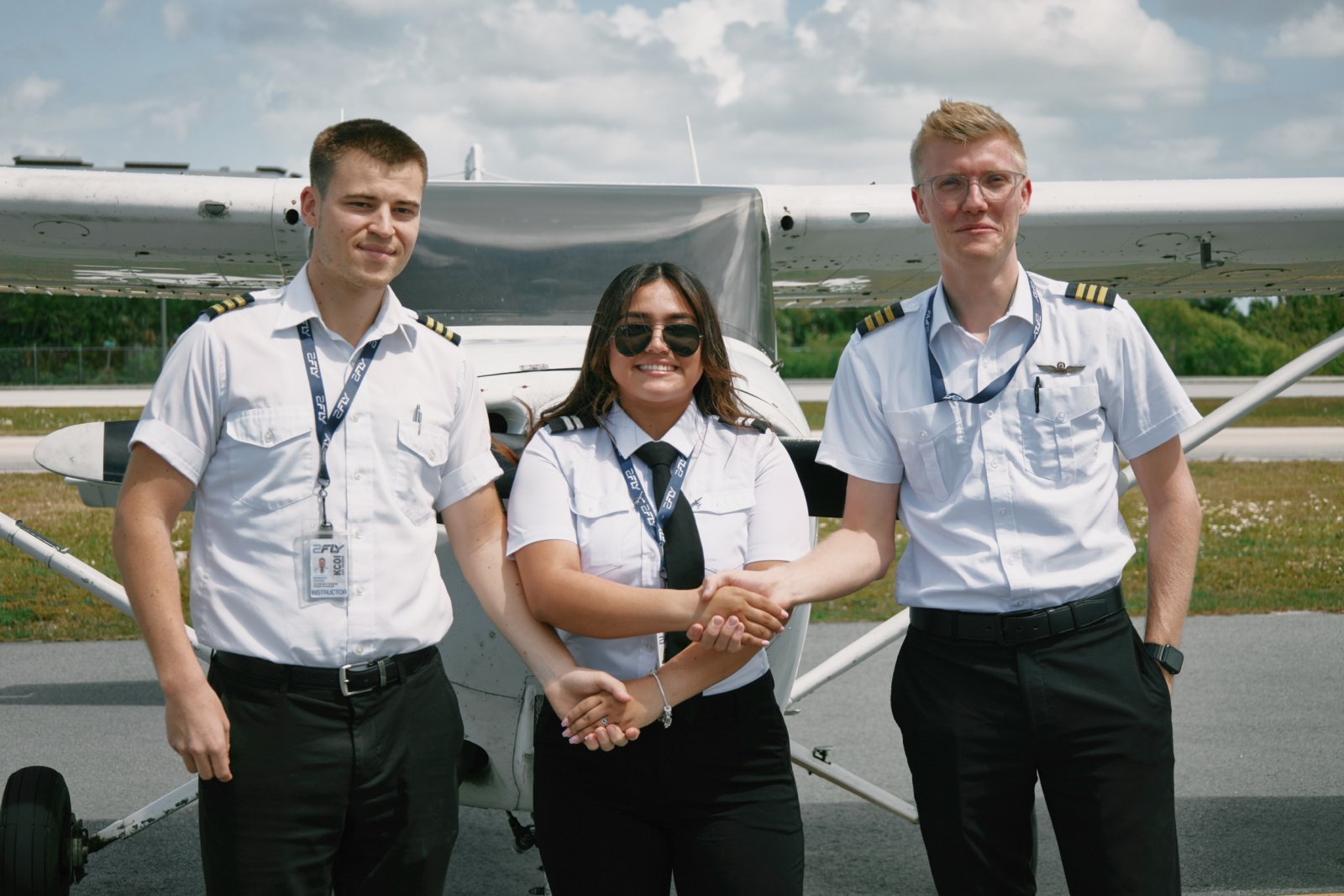
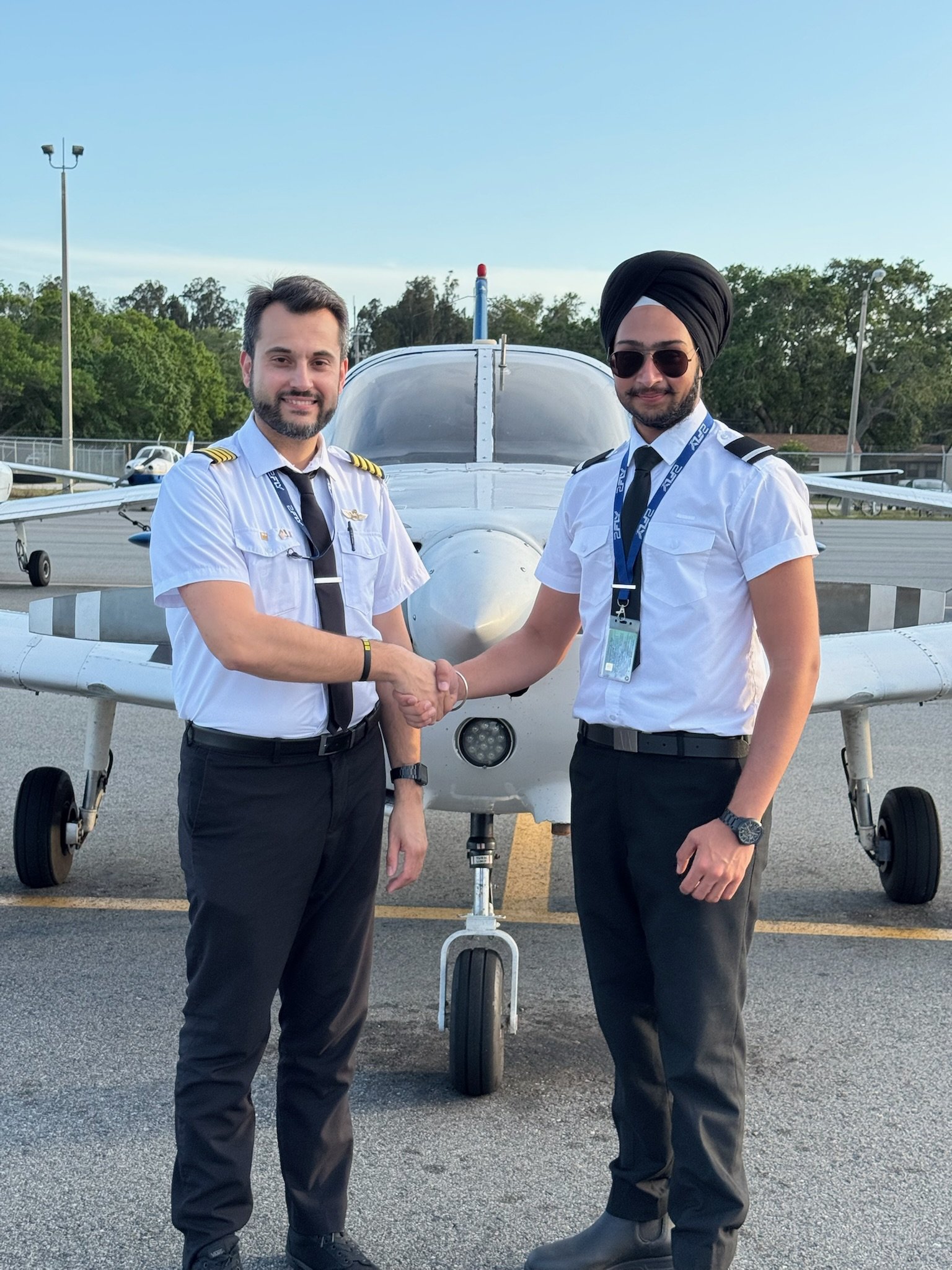
The instructor is your primary mentor and the ultimate safety authority in the cockpit. They provide real-time feedback, helping you correct errors before they become habits. CFIs evaluate your progress against the Airman Certification Standards (ACS), ensuring you meet the requirements for your specific certificate or rating. Many aspiring airline pilots choose to enroll in a flying instructor course to gain the expertise needed to teach others while reaching their own career goals.
Safety and Regulatory Standards
All professional instruction occurs within the framework of FAA Part 61 or Part 141 regulations. These rules dictate everything from the minimum flight hours required to the specific topics covered in the curriculum. At a professional academy, safety is reinforced through a formal Safety Management System (SMS). This involves mandatory pre-flight weather briefings and meticulous aircraft inspections, mirroring the operational environment of a commercial airline. This structure ensures that your journey to the cockpit is both efficient and exceptionally safe.
The Evolution of Training Flights: From PPL to Commercial Mastery
Imagine the cockpit as a classroom that moves through three dimensions. Each training flight you log is a deliberate brick in the foundation of your future career. You’ll start by mastering the mechanical relationship between your hands and the aircraft’s control surfaces, building the “stick-and-rudder” coordination that stays with you for life.
As you advance, the focus shifts from simply operating the plane to managing complex systems and operating within tight tolerances. This progression ensures that by the time you reach the flight deck of a commercial jet, your reactions are instinctive and your judgment is sound. Every hour in the air is designed to prepare you for the rigors of the professional aviation industry.
Initial Training: The Private Pilot Phase
Your journey begins with the Private Pilot Certificate, where the primary objective is learning to fly by looking out the window. This stage relies heavily on VFR (Visual Flight Rules), where you use the horizon and ground references to navigate. You’ll spend hours perfecting traffic patterns, which are the standardized rectangular paths aircraft follow when landing.
The pinnacle of this phase is your first solo flight. It’s a transformative moment where you realize you have the skills to command an aircraft safely without an instructor by your side. You’ll also master basic navigation and emergency procedures, ensuring you’re a safe and competent pilot before moving into more complex environments.
Advanced Training: Instrument and Commercial Stages
Once you’ve mastered the basics, the training environment changes significantly. During the Instrument Rating phase, you’ll experience “hood time,” wearing a device that limits your vision to the instrument panel. You’ll learn to trust your gauges over your physical sensations, a critical skill for flying through clouds or at night when visual cues aren’t available.
The Commercial stage refines these skills further, emphasizing precision and smoothness. You aren’t just flying for yourself anymore; you’re flying for the comfort and safety of future passengers. Every training flight at this level demands a high degree of technical mastery to meet the official FAA pilot requirements.
Finally, you’ll step into multi-engine aircraft. Managing two engines introduces new complexities, such as asymmetrical thrust and more advanced electrical and hydraulic systems. Every hour spent in this phase is a direct investment in the FAA Professional Pilot Program, preparing you for the high-performance demands of the regional airlines. If you’re ready to see how these stages fit your timeline, you might consider exploring our First Officer pathway.
Anatomy of a Mission: What Happens During a Standard Training Session?
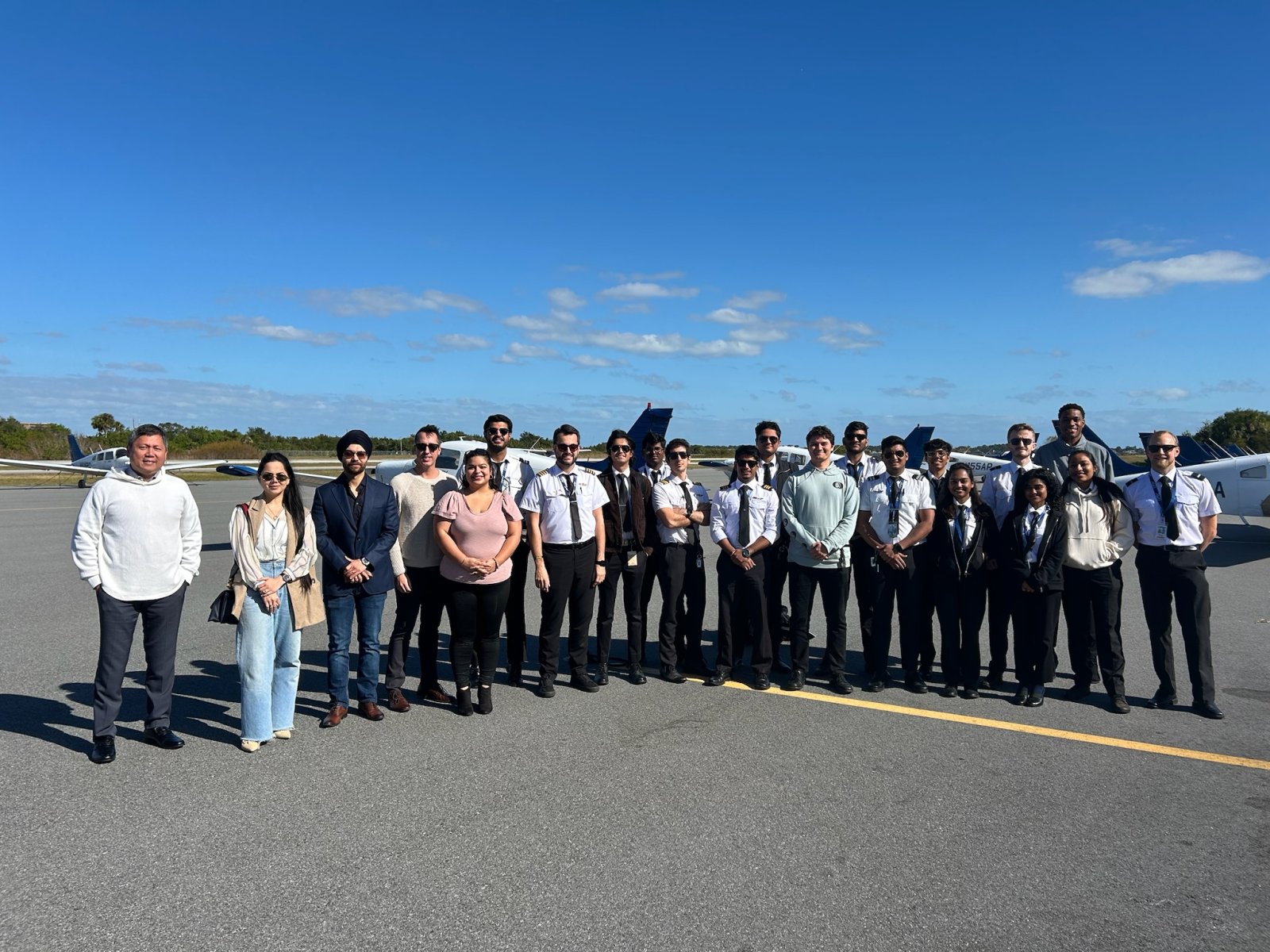
Have you ever wondered what a typical day looks like for a cadet at an elite academy? While the highlight is clearly the time spent in the air, a successful training flight is actually a three-act play. It begins long before the engine starts and ends well after the propeller stops turning. This structured approach mirrors the operational flow found in a professional pilot degree program, where discipline is the baseline for every mission.
Many students are surprised to learn that for every hour of flight time, they may spend two hours on the ground. This isn’t filler; it’s high-value preparation. Arriving fully prepared is the most effective way to manage the cost of flight school. When you know your maneuvers and procedures before you step into the cockpit, you spend less money on repetitive instruction.
The Pre-Flight Briefing and Inspection
Your session starts in a dedicated briefing room. You and your CFI will discuss the day’s specific training objectives and review the current weather reports. This is the time to ask questions and visualize the maneuvers you’re about to perform. Once the plan is set, you’ll head to the aircraft for a thorough “walk-around” inspection.
You’ll verify fuel levels, check oil, and inspect control surfaces to confirm the plane’s airworthiness. Professional aviators never rely on memory. You will use a standardized checklist for every step, ensuring no detail is overlooked. This habit builds the professional discipline required in a multi-crew airline environment.
The In-Flight Experience and Post-Flight Debrief
The cockpit is where theory meets reality. During a training flight, you are the pilot in control for the majority of the session. Your instructor acts as a safety officer and mentor, providing real-time cues and corrections as you practice specific maneuvers. They will push you to meet the precision standards required for your next certificate.
After landing, you’ll return to the briefing room for a critical debrief. This is where the most significant learning happens as you analyze your performance together. Your CFI will provide constructive feedback on what went well and what needs work. Your progress is then recorded in a digital flight log, providing a clear data-driven path toward your certification goals.
Essential Manoeuvres and Skills Mastered in the Cockpit
Do you ever wonder why a student pilot spends hours practicing steep turns and stall recoveries? These aren’t just technical hurdles to clear for a checkride; they are the fundamental building blocks of professional airmanship. Every training flight is designed to push your coordination and spatial awareness to the level required in a commercial flight deck.
Take steep turns, for example. You’ll learn to bank the aircraft at 45 to 50 degrees while maintaining precise altitude and airspeed. This manoeuvre teaches you to manage increased load factors and anticipate the aircraft’s aerodynamic needs. It develops a “seat-of-the-pants” feel that allows you to detect subtle changes in the plane’s performance before they become significant errors.
Stall recognition and recovery are equally vital for safety. You’ll practice identifying the early warning signs of a stall, such as the aerodynamic buffet or a decaying airspeed trend. Mastering the recovery process ensures that your reactions are instinctive during critical phases of flight, such as a heavy-weight climb out or a crosswind landing. If you’re ready to master these skills, explore our FAA Professional Pilot Program and start your journey today.
Ground Reference Manoeuvres
Ground reference exercises, such as turns around a point or S-turns across a road, teach you how to compensate for wind drift. You must maintain a specific path over the ground while varying your bank angle to account for the wind’s speed and direction. This skill is essential for flying precise traffic patterns at busy commercial airports where spacing and accuracy are non-negotiable.
These manoeuvres also develop “divided attention.” You learn to monitor your flight instruments while simultaneously keeping a sharp eye on external landmarks and other aircraft. This ability to multitask under pressure is a core competency for any pilot aiming to transition from a student to an airline-ready professional.
Emergency and Abnormal Operations
No pilot wants to face a system failure, but every elite aviator is prepared for one. During your training, your instructor will simulate engine failures and electrical malfunctions to test your composure and decision-making. You’ll learn to follow the “Aviate, Navigate, Communicate” priority system, ensuring the aircraft stays under control before you worry about radio calls.
Professional academies utilize advanced flight simulators to supplement these high-risk scenarios safely. This allows you to practice complex emergencies, such as engine fires or hydraulic leaks, that would be too dangerous to attempt in a real aircraft. The 2025 Boeing Pilot and Technician Outlook projects a demand for 660,000 new pilots globally through 2044, and the pilots who stand out are those who can handle abnormal situations with calm, methodical precision.
Transitioning from Student Pilot to Professional Aviator
How do you bridge the gap between someone who can operate an airplane and a professional trusted with a multi-million dollar jet? This transition requires more than just technical proficiency; it demands a total psychological shift. Even during a single-pilot training flight, you’ll begin practicing Crew Resource Management (CRM). This involves effectively using every available resource, from air traffic control to onboard automation, to ensure the highest level of safety.
Professionalism in the cockpit is built on a foundation of discipline, punctuality, and a meticulous mindset. Airlines look for candidates who treat every lesson like a job interview. Showing up fully prepared and following Standard Operating Procedures (SOPs) without deviation marks the difference between a hobbyist and a career-focused aviator. The 2025 Boeing Pilot and Technician Outlook projects a demand for 660,000 new pilots globally through 2044, but these opportunities are reserved for those who demonstrate elite standards from day one.
Your ultimate objective is to move through your certifications with efficiency and precision. Every hour logged is a step toward the FAA First Officer Program. This pathway is designed to take you from your first hour to a commercial flight deck with the confidence of an industry leader.
The Importance of a Structured Syllabus
Many students make the mistake of pursuing haphazard hour-building without a clear roadmap. This lack of direction often leads to wasted time and increased costs. At 2FLY Airborne, we utilize a methodical progression that mirrors the rigors of airline ground school. Our structured environment ensures you aren’t just flying; you’re developing the specific competencies required by major carriers.
We focus on creating “airline-ready” professionals from the very beginning of your journey. This means your training includes high-performance maneuvers and complex systems management early on. By the time you reach the commercial stage, you’ll have the technical mastery and professional habits that airlines prioritize during their hiring process.
Preparing for the Checkride
The “checkride” is your final practical exam with an FAA examiner, and it can be the most stressful part of the journey. To ensure you’re prepared, we conduct rigorous stage checks and mock checkrides throughout your training. These simulations identify any weak points in your knowledge or skill set, allowing you to correct them before the actual test. Knowing that FAA checkride fees can range from $500 to $800, we prioritize getting it right the first time.
Success on your checkride is the gateway to your next rating or certificate. Our instructors act as expert mentors, guiding you through the specific requirements of the Airman Certification Standards. If you have questions about the regulatory requirements or your personal timeline, we suggest you reach out to a 2FLY Training Advisor to map out your specific path to the cockpit.
Mastering the Flight Path to Your Career
Every session in the cockpit brings you closer to the professional standards required by global airlines. You’ve seen how a structured training flight transforms technical maneuvers into instinctive reactions and disciplined decision-making. By focusing on the brief, fly, and debrief phases, you ensure that every minute in the air serves your long-term career goals.
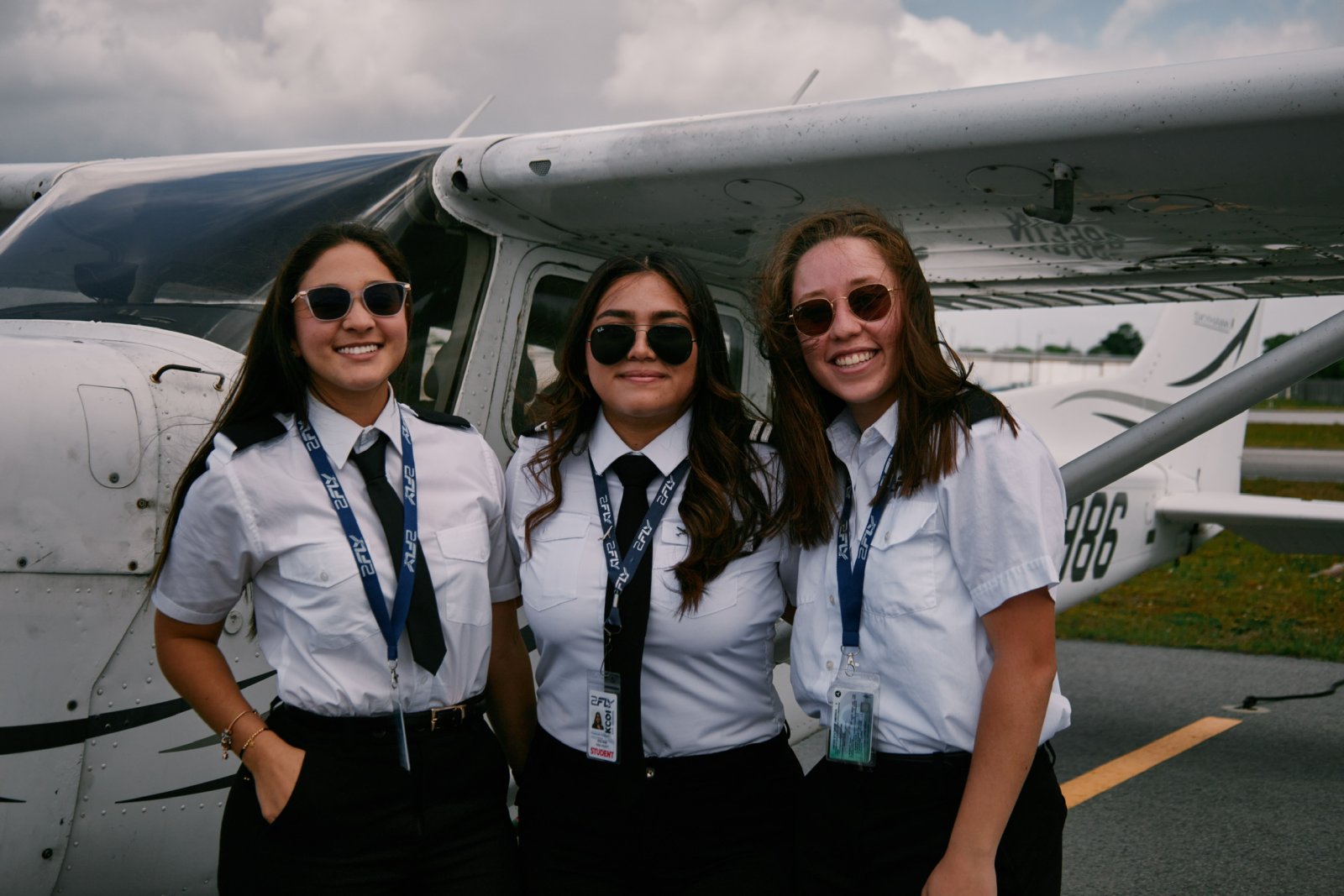
2FLY Airborne provides the world-class environment needed to support this evolution. We offer FAA and EASA dual-standard training to give you a global edge, supported by a large fleet of modern aircraft and high-fidelity simulators. Our comprehensive on-campus housing ensures you can focus entirely on your professional development alongside fellow cadets who share your ambition.
Ready to take your first step toward the flight deck? Speak with a 2FLY Training Advisor today to discuss your specific goals. We’re here to help you navigate the requirements and start your journey to becoming an airline-ready professional. Please reach out to a 2FLY Training Advisor with any remaining questions you have about the training process.
Frequently Asked Questions
What is a typical training flight like for a beginner?
A beginner lesson is a structured session focused on aircraft control and basic maneuvers under the guidance of a CFI. It starts with a 30-minute ground briefing to discuss objectives, followed by pre-flight checks and roughly 1.0 to 1.5 hours in the air. You’ll practice fundamental skills like straight-and-level flight and gentle turns to build your comfort in the cockpit.
How many hours of flight training do I need for a private license?
You need a minimum of 40 hours under Part 61 or 35 hours under Part 141, although the national average for completion is 60 to 70 hours. This total must include at least 20 hours of flight instruction and 10 hours of solo flight time. Your instructor will ensure you meet all proficiency standards before you attempt your final checkride with an examiner.
Will I fly the airplane on my very first training flight?
Yes, you will typically handle the controls for a significant portion of your very first training flight. While your instructor handles the take-off and landing for the initial lesson, you’ll be encouraged to feel the aircraft’s responsiveness and practice basic maneuvers once at a safe altitude. This hands-on approach builds confidence and coordination from your very first hour in the logbook.
What happens if the weather is bad on the day of my flight?
If weather conditions fall below safe or regulatory minimums, your flight will be rescheduled or moved to a high-fidelity simulator. Safety is our absolute priority, and learning to make “no-go” decisions based on weather reports is a critical part of your professional education. Ground school or simulator sessions often replace flying on these days to keep your training timeline on schedule.
Is it better to do flight training in a Part 61 or Part 141 school?
The choice depends on your career goals; Part 141 schools offer a highly structured, FAA-approved curriculum ideal for those seeking a professional airline career. Part 61 offers more flexibility for those with irregular schedules or hobbyist goals. Notably, Part 141 programs allow you to qualify for a Commercial Pilot License in 190 hours rather than the 250 hours required under Part 61.
Can I count training flight hours toward my commercial license?
Every hour you log during your Private Pilot and Instrument Rating training counts toward the total time required for your commercial certificate. Under Part 61, you need 250 total hours, while a Part 141 program requires 190 hours. This cumulative approach ensures that your early training flight hours serve as the direct foundation for your professional career as a global pilot.
How much does an average training flight cost?
A single lesson typically costs between $200 and $350, depending on the aircraft type and instructor fees. Current May 2026 data shows aircraft rental for a single-engine plane averages $150 to $250 per hour, with CFI fees ranging from $50 to $100 per hour. Flying 3 to 5 times per week can reduce your total costs by significantly improving skill retention.
What should I bring with me to my first flight lesson?
You should bring a pilot logbook, a professional headset, and a tablet with aviation software. It’s also essential to have your government-issued ID and your FAA medical certificate ready for inspection. Your instructor will provide the specific syllabus, but having your own gear ensures you’re prepared to record your progress and communicate effectively from your first moment in the cockpit.
Article by
2FLY Airborne
2Fly Airborne is a professional flight training organization dedicated to developing the next generation of skilled, confident, and safety-focused pilots. With decades of combined aviation experience, our team of certified instructors provides structured, real-world training designed to prepare students for both checkrides and long-term success in the aviation industry.
Content Disclaimer
Some blog content is generated with the assistance of automated tools and may not always be fully accurate or up to date. Please verify all aviation-related information with official sources or a certified instructor. For additional guidance or clarification, we encourage you to contact one of our training advisors at 2Fly Airborne.