What if the most significant factor in your pilot career isn’t the tuition you pay today, but the seniority you lose by delaying your start date? Calculating the atp flight school cost requires looking beyond the sticker price to understand how every dollar fuels your transition from a student to a professional aviator.
It’s natural to feel a sense of sticker shock when you see a six-figure investment, especially with interest rates and examiner fees fluctuating. You want to ensure that your financial commitment leads directly to a flight deck without unexpected expenses draining your budget halfway through your ratings. We understand that clarity is the foundation of professional confidence.
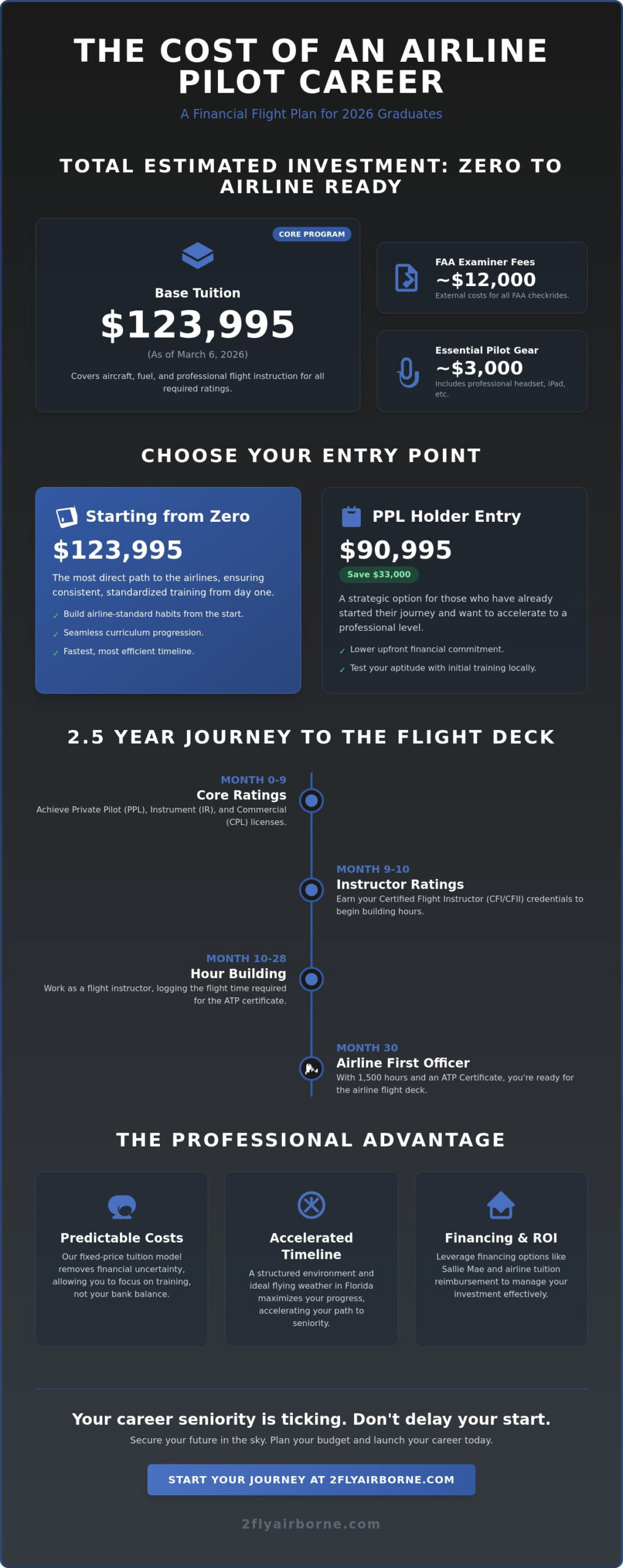
This guide provides a transparent breakdown of the $123,995 total investment required for 2026 and explains how to account for the $12,000 in external examiner fees. We’ll examine the financing options available through providers like Sallie Mae and map out the 2.5 year timeline to the airline flight deck. You’ll gain the precise data needed to plan your budget and secure your future in the sky.
Key Takeaways
- Understand the current atp flight school cost and how to budget for the $123,995 tuition alongside external examiner fees.
- Distinguish between fixed tuition and variable expenses like FAA checkrides and specialized gear to avoid financial surprises during your training.
- Evaluate your flight training as a capital investment by analyzing the timeline to seniority and the current airline recruitment landscape.
- Discover how a structured training environment in Florida maximizes your flying days and accelerates your path to the professional flight deck.
- Learn how to leverage financing options and airline tuition reimbursement programs to offset the initial cost of your professional education.
Evaluating the Investment: What Does ATP Flight School Really Cost in 2026?
Choosing a career in the cockpit is a commitment to a high-intensity professional lifestyle. Many students confuse the brand name of a specific institution with the ultimate credential they seek. While ATP Flight School is a well-known training provider, your actual goal is the Airline Transport Pilot (ATP) certificate itself.
Understanding the atp flight school cost for 2026 requires looking at the updated pricing effective as of March 6, 2026. The base tuition now sits at $123,995 for students starting from zero experience. This price point reflects the reality of maintaining a modern training fleet in a period of high inflation.
To get a clearer picture of how these numbers translate to real-world spending, watch this breakdown of the current financial requirements:
Professional cadets must distinguish between “Base Tuition” and the “Total Cost of Training.” Your base tuition typically covers the aircraft, the fuel, and the professional instructor’s time. A realistic 2026 budget must also account for approximately $12,000 in FAA examiner fees and several thousand dollars for essential pilot gear like headsets and iPads.
The Difference Between Zero-Time and PPL Entry
Entering a program with a Private Pilot License (PPL) significantly changes your financial outlook. As of March 2026, the price for PPL holders is $90,995, representing a $33,000 reduction compared to the zero-time path. This modular approach allows some students to complete their initial training locally before transitioning to a fast-track environment. For a detailed breakdown of what you’ll spend before reaching this stage, review our guide to private pilot license cost so you can plan your full training budget from day one.
Starting with a PPL can be a strategic way to test your aptitude for aviation without a six-figure commitment. However, training from day one in a professional academy ensures your habits align with airline standards. Consistency in your training syllabus is often more valuable than small initial savings, as it streamlines your progress toward the commercial flight deck.
Fixed-Price Tuition vs. Hourly Rates
Traditional flight schools often operate on a pay-as-you-go model where you pay hourly for the aircraft and instructor. While this feels flexible, it often leads to cost creep if you require extra hours to master a specific maneuver. If weather or maintenance delays your progress, your total bill can grow unexpectedly over time.
Professional academies move away from this uncertainty by offering structured, flat-fee programs. A fixed-price model provides a clear financial ceiling for your primary training. It allows you to secure financing with confidence, knowing exactly what your loan must cover. This predictability is essential for maintaining focus on your checkrides rather than your bank balance.
The Components of Professional Pilot Training Tuition
Think of your tuition as a comprehensive toolkit designed for a global career. It encompasses every resource required to transform a student into an airline-ready professional, from the physical airframe to the intellectual foundation of high-altitude operations. When you analyze the atp flight school cost, you’re evaluating an investment in a highly regulated, safety-critical environment.
Your financial commitment secures access to a standardized fleet and a team of multi-rated instructors who provide disciplined mentorship. This structured approach ensures that every hour spent in the cockpit or the classroom moves you closer to the commercial flight deck. It’s a goal-oriented process that prioritizes efficiency and technical mastery.
Administrative support is another vital component often excluded from basic price estimates. For international cadets, this includes the complex coordination of I-20 documentation and visa processing required for training in the United States. Having a dedicated team to handle these regulatory hurdles allows you to maintain focus on your flight training.
Flight Hours and Aircraft Fleet
The type of aircraft you fly directly impacts your hourly training rate. Most initial training occurs in single-engine aircraft like the Cessna 172 or Piper Archer, which are known for their reliability and stable handling. These platforms provide a solid foundation before you transition to more complex systems.
Multi-engine time is a non-negotiable requirement for airline readiness. Operating an aircraft like the Piper Seminole involves managing two engines, increased speeds, and more sophisticated avionics. While these hours carry a higher operating cost due to fuel burn and insurance, they are the primary credential regional airlines look for during the hiring process. You can review how these hours are distributed in the FAA Professional Pilot Program syllabus.
Ground School and Instructor Expertise
Ground knowledge is where checkrides are won or lost. Tuition covers hundreds of hours of classroom instruction and one-on-one briefings with Certified Flight Instructors (CFIs). These experts hold advanced ratings, including CFII (Instrument) and MEI (Multi-Engine), ensuring you receive specialized guidance at every stage of your development.
Modern academies also utilize high-fidelity flight simulators, often called Advanced Aviation Training Devices (AATDs). These systems allow you to practice emergency procedures and instrument approaches in a controlled environment. Simulators reduce the atp flight school cost by allowing you to master complex maneuvers without the hourly fuel and maintenance expenses of a running aircraft.
The Bureau of Labor Statistics highlights that the median annual wage for airline pilots was $219,140 in May 2023. Investing in high-quality instruction and advanced technology today prepares you for the rigorous demands of these high-earning positions. If you’re ready to begin your journey, you can speak with a training advisor about our upcoming class dates.
Fixed-Price vs. Variable Training: Navigating Hidden Aviation Costs
Have you ever planned a major purchase only to find the “final” price didn’t include essential accessories? Aviation training operates with a similar structure where the base tuition provides the aircraft and instructor, but your operational readiness requires additional out-of-pocket expenses. Mastering the financial landscape is as critical as mastering the flight controls when evaluating the total atp flight school cost.
Professional pilots rely on specialized equipment that stays with them long after graduation. You’ll need to invest in a current iPad and a subscription to ForeFlight or Jeppesen for digital charting and navigation. These tools are the industry standard for modern flight decks and are necessary from your very first cross-country flight.
Regulatory and medical clearances also carry separate price tags. You must secure an FAA Medical Certificate to prove your physical fitness for flight, and international students must account for SEVIS fees to maintain their legal status. We suggest implementing a “10% Buffer Rule” in your financial planning to cover unexpected training delays or additional flight hours needed to reach proficiency.
FAA Knowledge Tests and Examiner Fees
The path to the flight deck involves a series of rigorous FAA knowledge tests. You’ll sit for exams covering Private Pilot, Instrument Rating, and Commercial Pilot theory, each requiring a separate fee paid to the testing center. These written tests are the academic gatekeepers of your pilot certification.
Practical exams, or checkrides, are conducted by Designated Pilot Examiners (DPEs) who work independently of any flight school. These fees are paid directly to the examiner and vary significantly based on your training location. If a student needs a re-test, they’ll likely face additional examiner fees, making it vital to be fully prepared before scheduling your checkride.
Living Expenses and Student Housing
Your choice of housing can directly influence your training efficiency. Living in dedicated student housing often saves money by removing the need for a daily commute and providing a built-in network of study partners. This immersion helps you stay focused on the demanding syllabus and allows for more flexibility with early morning or late-night flight schedules.
Local rentals might seem appealing but often come with variable costs for utilities and furniture. For a comprehensive look at how to structure your monthly spending, consult our Pilot Training Cost 2026 Guide. Aligning your budget with the Bureau of Labor Statistics pilot career outlook ensures that your initial investment is backed by strong industry demand and high earning potential.
Maximizing Your ROI: Financing and Career Progression
Imagine your future self looking back at your bank statement from a decade ago. While the initial atp flight school cost represents a significant capital commitment, successful pilots view this as an investment in a high-yield asset: their own professional longevity. The transition from paying for flight hours to being paid to fly is the most critical pivot in your career trajectory.
The global aviation market continues to show unprecedented resilience and growth. To understand the scale of this opportunity, consider the long-term outlook. The 2025 Boeing Pilot and Technician Outlook projects a demand for 660,000 new pilots globally through 2044. This sustained demand ensures that those who complete their training now are entering a market hungry for disciplined, airline-ready professionals.
A key strategy for maximizing your return is the transition to a Certified Flight Instructor (CFI) role. After completing your commercial and instructor ratings, you begin earning a salary while building the 1,500 flight hours required for airline employment. This phase allows you to refine your technical mastery while the airline pays for the final stretch of your journey to the regional flight deck.
Financing Options for 2026
Securing the necessary capital requires a clear understanding of specialized aviation loans. Most students utilize products from lenders like Sallie Mae, which are designed specifically for the intensive nature of professional pilot programs. These loans often require a solid credit history or a co-signer to secure the most competitive interest rates. You can explore the specific requirements on our Financing Page.
Deferred payment options are a vital feature of modern aviation financing. Deferment allows you to focus entirely on your full-time training without the immediate pressure of monthly loan installments. Payments typically begin only after you have completed your ratings and started working as a professional instructor or regional first officer, aligning your debt obligations with your new earning power.
The Cost of Delay: Seniority and Earnings
In the airline industry, seniority is the primary currency. It dictates everything from your monthly pay and the routes you fly to your quality of life and holiday schedules. Finishing your training just six months faster can place you hundreds of spots higher on a seniority list, potentially resulting in millions of dollars in additional earnings over a 30 year career.
Every month spent in a less structured program is a month of lost seniority at the major airlines. When you evaluate How Much is Flight School to Become a Commercial Pilot?, you must factor in the speed of the curriculum. If you’re ready to accelerate your timeline and secure your place in the sky, apply for our next intake to begin your professional journey.
The 2FLY Airborne Advantage: A Structured Path to the Flight Deck
Does your training prepare you for a single domestic market, or for the global stage? While the atp flight school cost is a significant metric, the quality of the environment where you spend those hours determines your ultimate professional ceiling. We believe in creating “Global Pilots” who possess the technical mastery and regulatory knowledge to excel in any cockpit, anywhere in the world.
Florida serves as the premier backdrop for this transformation. With over 300 days of flyable weather annually, our cadets maximize their time in the air rather than waiting for clouds to clear. This consistent pace is vital for maintaining the muscle memory and cognitive sharpness required for commercial certification.
Our curriculum integrates FAA and EASA standards, providing a seamless transition for those eyeing international careers. The 2025 Boeing Pilot and Technician Outlook projects a demand for 660,000 new pilots globally through 2044. By training to these elite benchmarks from day one, you ensure your skills are marketable across every continent.
Why a Structured Professional Program Wins
Modular, part-time training often lacks the intensity required for airline readiness. A full-time academy environment mirrors the rigorous training cycles you will encounter at a major carrier. You’ll gain experience in high-traffic Florida airspace, learning to communicate with busy controllers and manage complex traffic patterns with professional precision.
This immersion accelerates your transition from a student to a crew member. Our FAA First Officer Program is designed to build these habits through daily flight operations and collaborative ground study. You aren’t just learning to fly; you’re learning to operate as part of a professional flight crew.
Taking the First Step Toward Your Career
Successful financial planning requires looking at the total atp flight school cost, including examiner fees and living expenses, rather than just the base tuition. Evaluating the return on investment means calculating how quickly you can reach the seniority list at a regional or major airline. Every month of delay is a month of lost earnings and career progression.
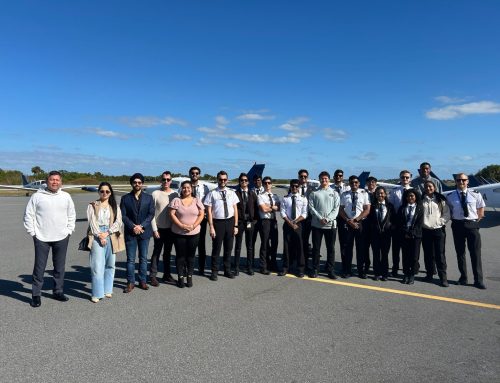
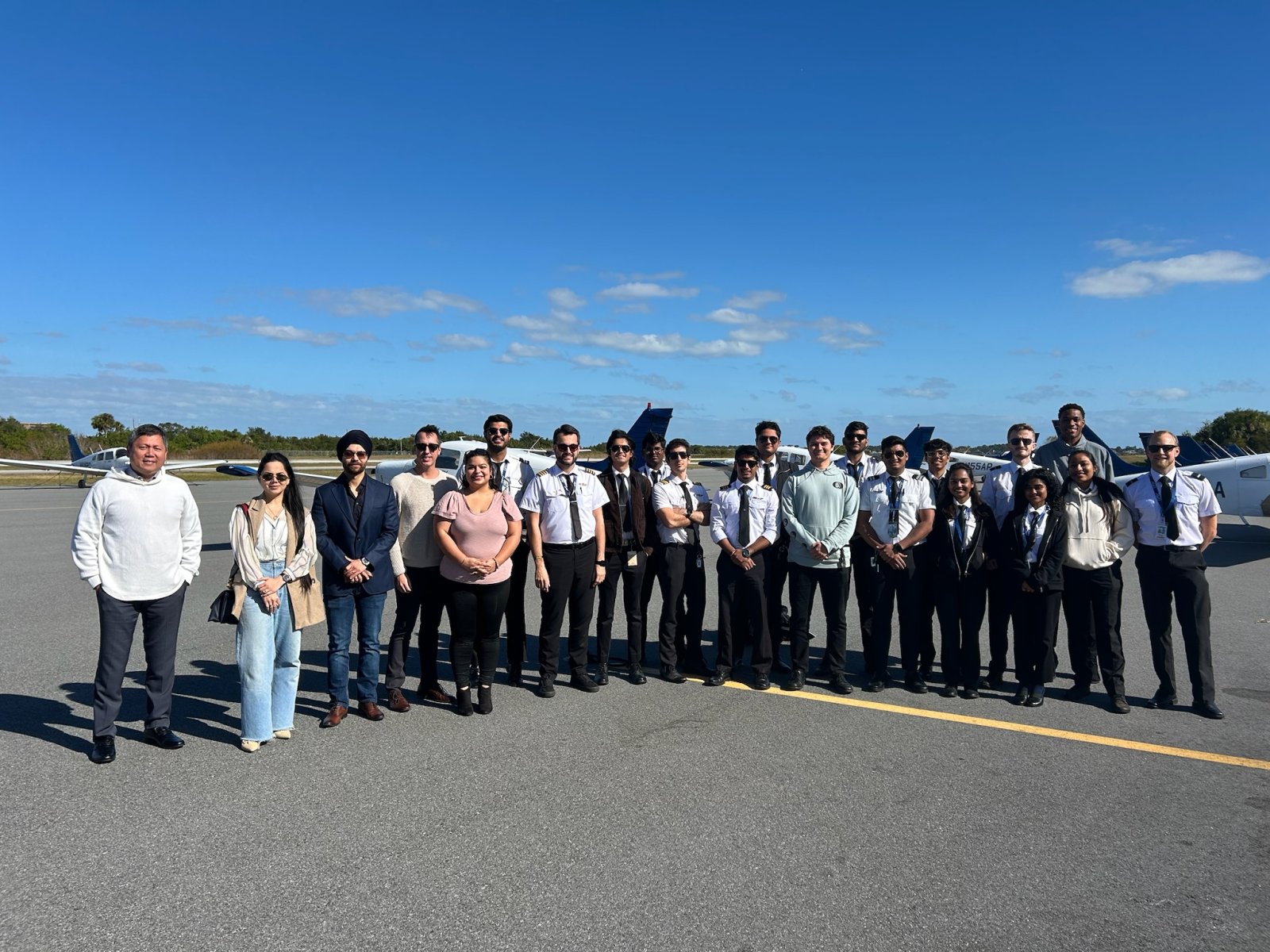
We invite you to join us at one of our upcoming seminars to see our fleet and meet our instructors. These sessions provide a transparent look at the path ahead and help you finalize your career roadmap. You can find the next available date on our Events Page.
In summary, reaching the flight deck requires a balance of financial transparency, disciplined study, and high-quality flight hours. A structured training environment is the safest and most efficient way to secure your future in aviation. If you have remaining questions about budgeting or program specifics, reach out to a 2FLY Training Advisor to discuss your professional goals.
Secure Your Future on the Flight Deck
Navigating the atp flight school cost involves more than just reading a price tag; it’s about strategic planning for a lifelong career. You now have the data to budget for the updated March 2026 tuition while accounting for the estimated $12,000 in examiner fees and personal equipment. Success in this industry depends on how quickly you can move from the training environment to a seniority list at a major carrier.
At 2FLY Airborne, we support this transition with FAA and EASA compliant training standards and provide a direct gateway to global recruitment networks. Our team streamlines your journey with on-campus housing and specialized visa support for international cadets. Professional success in aviation starts with a transparent budget and a disciplined, high-traffic training environment that prepares you for real-world operations.
Ready to map out your aviation career budget? Speak with a 2FLY Training Advisor today to clarify your next steps and secure your place in our next intake. Reach out to a 2FLY Training Advisor with any remaining questions as you prepare to take flight.
Frequently Asked Questions
Is the cost of flight school worth it in 2026?
The return on investment is exceptionally high when you consider the 40 year earning potential of a senior airline captain. The 2025 Boeing Pilot and Technician Outlook projects a demand for 660,000 new pilots globally through 2044, ensuring a stable market for new graduates. When first-year salaries at regional carriers reach $100,000, the initial capital commitment often pays for itself within the first few years of professional employment.
How much are FAA checkride fees at professional flight schools?
Total FAA checkride fees for a professional program from zero experience are estimated at $12,000 as of May 2026. These fees are paid directly to Designated Pilot Examiners (DPEs) and are not included in your base tuition. Each of the six required checkrides carries an individual cost that varies by geographic region and the complexity of the certification being tested during that specific stage.
Can I get a loan for the full cost of ATP flight school?
Most students secure specialized aviation loans through lenders like Sallie Mae to cover the total atp flight school cost. These loans are designed to account for tuition, examiner fees, and even living expenses in many cases. Deferment options allow you to postpone full payments until you are working as a professional pilot, aligning your monthly debt obligations with your future airline income.
What happens to my tuition if I need extra flight hours?
In a fixed-price program, you are typically provided with the specific hours required to meet FAA standards for each rating. If a student requires additional remedial training to reach proficiency, those extra hours are usually billed at the school’s current hourly rate. This is why we recommend maintaining a 10% financial buffer to handle any unexpected training delays or additional mastery time needed for complex maneuvers.
Does flight school cost include housing and food?
Base tuition typically excludes the cost of housing and daily meals. While many elite academies offer on-campus housing to streamline your study time and reduce your commute, these are structured as separate monthly expenses. Budgeting for these items independently ensures you have a realistic view of the total financial commitment required to live and train full-time in a professional, immersive environment.
How much can I expect to earn as a first-year commercial pilot?
First-year first officers at regional airlines can expect to earn between $60,000 and $100,000 as of early 2026. This figure often includes sign-on bonuses and tuition reimbursement incentives offered by airline partners to attract new talent. These competitive starting salaries reflect the urgent need for qualified professionals to fill seats vacated by the 17,000 mandatory retirements expected at legacy airlines through 2030.
What is the cheapest way to get to 1,500 hours?
Working as a Certified Flight Instructor (CFI) is the most cost-effective path to reaching the 1,500-hour airline minimum. Instead of paying for flight time, you are paid a salary to teach new students while logging the necessary experience. This phase of your career effectively brings your net training costs to zero while you refine your technical skills and build professional authority in a high-traffic environment.
Are there hidden costs in “fixed-price” flight training programs?
While “fixed-price” models provide excellent predictability for tuition, they rarely include external regulatory costs or personal gear. You must still account for FAA knowledge test fees, medical certificates, and specialized equipment like an iPad with a ForeFlight subscription. Understanding that the atp flight school cost is the foundation, rather than the absolute ceiling, helps you avoid financial stress as you progress through your ratings.
Article by
2FLY Airborne
2Fly Airborne is a professional flight training organization dedicated to developing the next generation of skilled, confident, and safety-focused pilots. With decades of combined aviation experience, our team of certified instructors provides structured, real-world training designed to prepare students for both checkrides and long-term success in the aviation industry.
Content Disclaimer
Some blog content is generated with the assistance of automated tools and may not always be fully accurate or up to date. Please verify all aviation-related information with official sources or a certified instructor. For additional guidance or clarification, we encourage you to contact one of our training advisors at 2Fly Airborne.