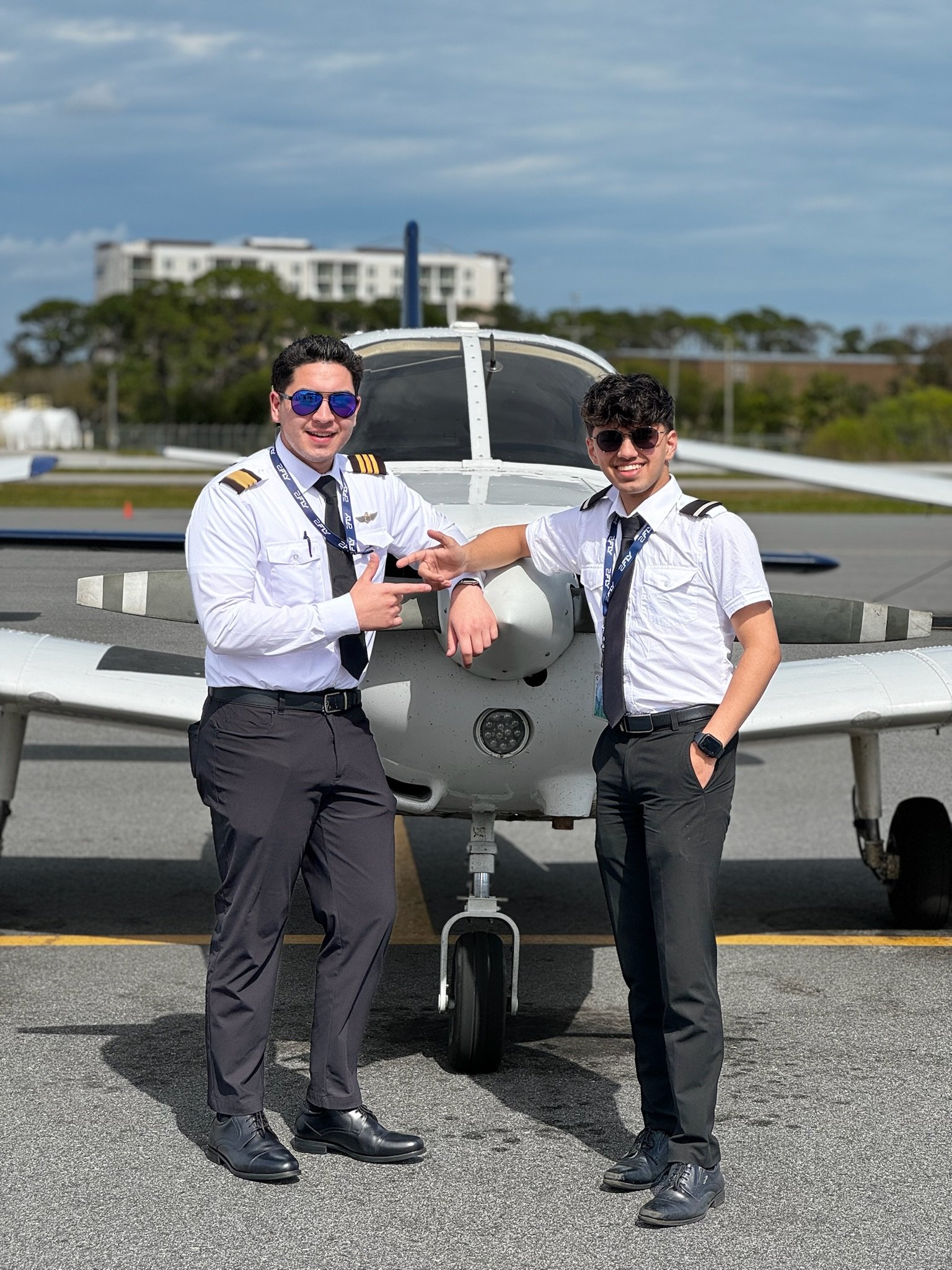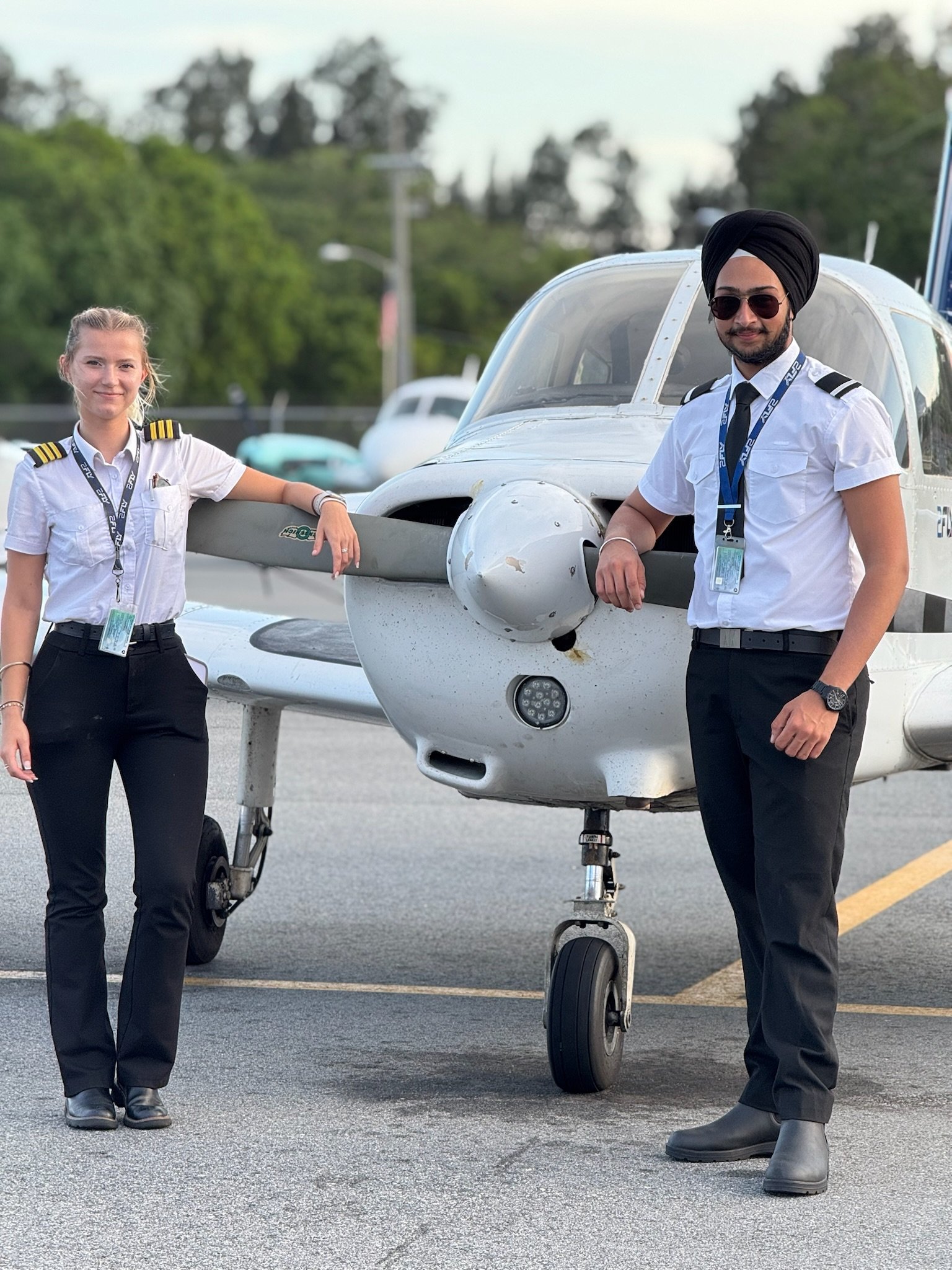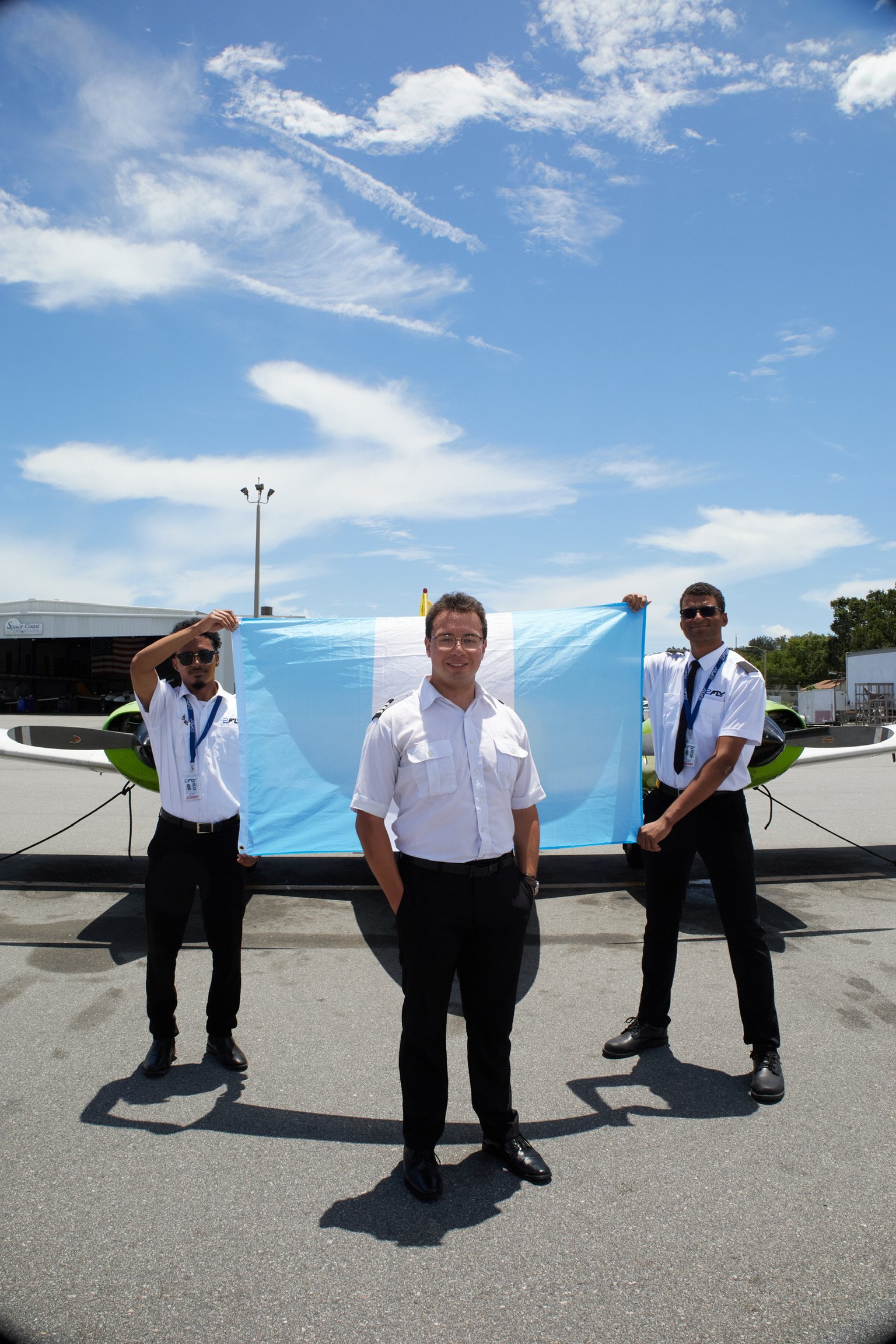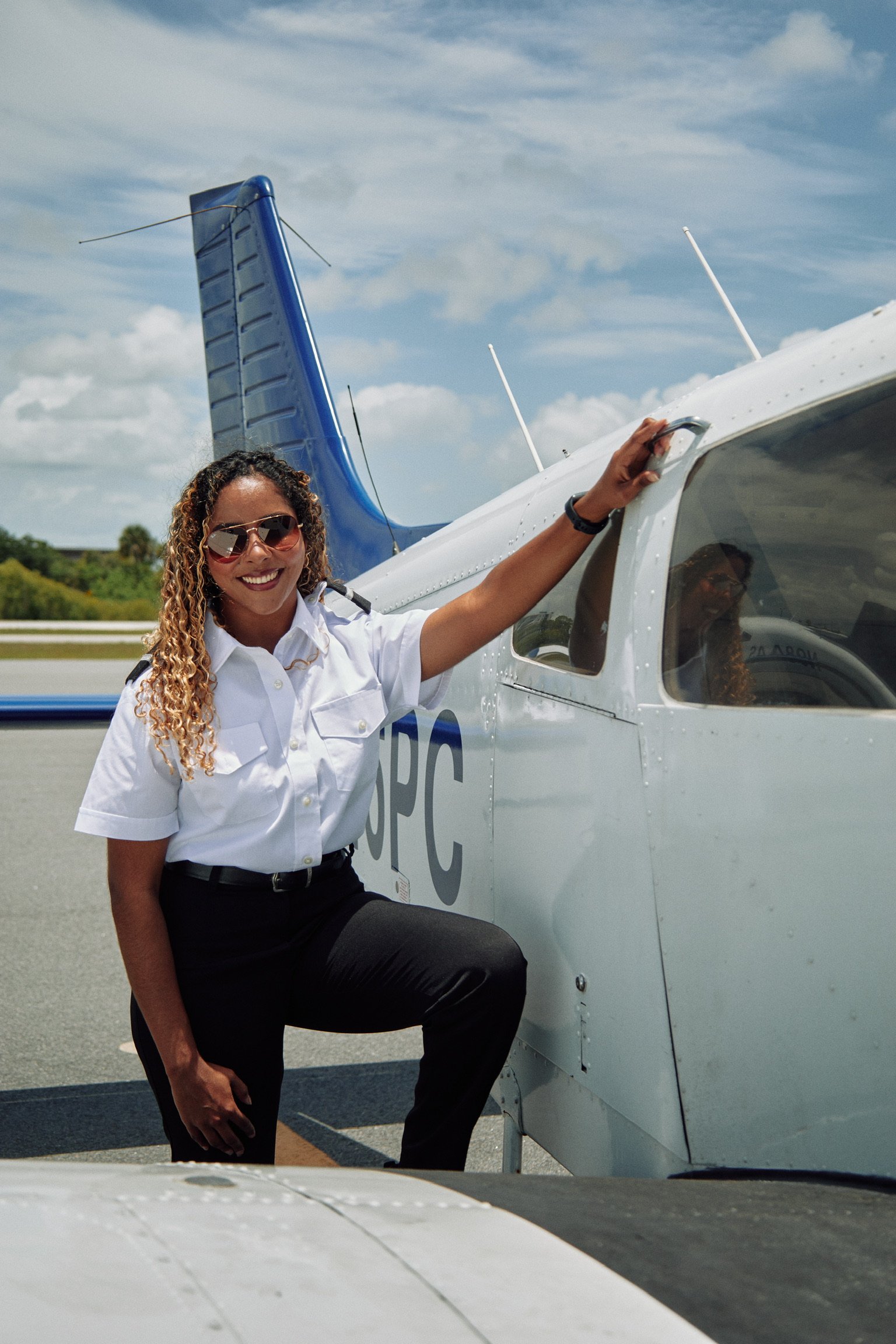
What if the visa you choose today is the only thing standing between you and a seat in a commercial flight deck three years from now? Choosing between an m1 visa vs f1 visa for flight training isn’t just an administrative hurdle; it’s a strategic career decision. You likely feel the pressure of selecting a program that doesn’t just teach you to fly but also allows you to stay and build the hours necessary for airline employment.
It’s natural to feel concerned about being forced to leave the U.S. immediately after completing your ratings. We promise to simplify these complexities so you can focus on your training with absolute confidence. You’ll learn exactly which path offers the crucial Optional Practical Training (OPT) period required to transition from a student to a professional pilot.
This guide provides a clear look at the 2026 regulatory environment, including the shift to fixed admission periods for F-1 students. We’ll outline the specific timelines and costs you need to prepare for. By the end, you’ll have a roadmap to choose a flight school that supports your international career ambitions.
Key Takeaways
- Identify the core differences between vocational and academic classifications to ensure your training path aligns with your long-term airline career goals.
- Discover why the F1 is the preferred choice for commercial pilots when comparing the m1 visa vs f1 visa for flight training, specifically regarding the Optional Practical Training (OPT) benefits.
- Understand the specific timelines and limitations of the M1 visa for students who require a focused, direct path back to their home country.
- Prepare for 2026 regulatory updates, including the transition to fixed admission periods for F-1 status and the updated grace period requirements.
- Learn how integrated administrative support and on-campus housing options can simplify your transition to a professional pilot school in the United States.
Navigating the US Student Visa Landscape for Pilots
Choosing your visa is the first real command decision you’ll make as an aspiring aviator. Before you ever step into a cockpit in the United States, you must clear your most critical administrative hurdle. Think of your visa application as the ultimate pre-flight check. It dictates not just where you train, but whether you can actually work in the aviation industry after you earn your wings.
The choice between an m1 visa vs f1 visa for flight training often centers on immediate costs, but that’s a short-sighted approach. Your long-term career goals must be the primary driver of this decision. The U.S. Department of Homeland Security (DHS) views these two paths through very different lenses, and picking the wrong one could ground your professional ambitions before they take off.
To better understand how these visa paths impact your daily life as a pilot, watch this helpful comparison:
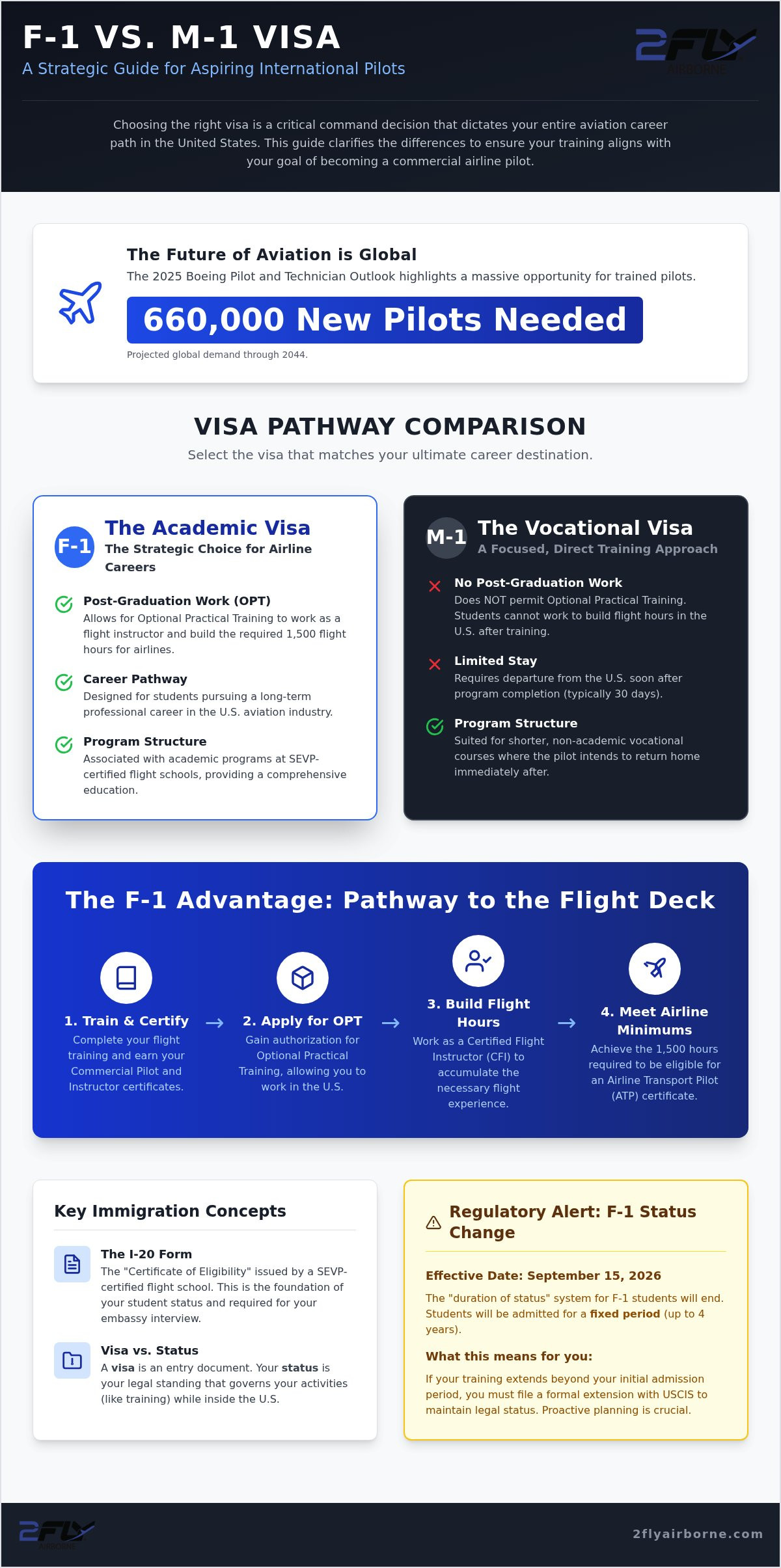
DHS categorizes flight training based on the nature of the training facility and the curriculum. M-1 visas are strictly for vocational studies, focusing on technical skills for a specific job role. Conversely, the F-1 student visa is designed for academic programs that offer broader career mobility. As you plan your journey, remember that the 2025 Boeing Pilot and Technician Outlook projects a demand for 660,000 new pilots globally through 2044.
It’s important to understand that immigration regulations and individual processing timelines vary significantly based on your home country and current U.S. policy. While we provide this information to assist your planning, this guide does not constitute official FAA guidance or legal advice. You should always verify the latest requirements with the Department of State or a qualified legal professional.
The Importance of the I-20 Form
The I-20 is the official “Certificate of Eligibility” and serves as the foundation of your student status. It’s issued by a flight school that has been certified by the Student and Exchange Visitor Program (SEVP). This document is what you’ll take to your local U.S. embassy to prove you’ve been accepted into a legitimate training program. Flight schools must undergo rigorous federal oversight to maintain the authority to issue these forms to international candidates.
Visa vs. Status: A Critical Distinction
It’s a common misconception that the visa stamp in your passport is the same as your legal status. Your visa is merely an entry document that allows you to request permission to enter the U.S. at a port of entry. Once you’re admitted, your “status” is what governs your stay and activities while on the ground. You must remain proactive about tracking your program end dates to avoid falling out of legal standing.
Effective September 15, 2026, the Department of Homeland Security ended the “duration of status” system for F-1 students. You’re now admitted for a fixed period, typically the length of your program, with a maximum of four years. If your training takes longer than expected, you’ll need to file a formal extension with USCIS. Understanding these nuances ensures you don’t face unexpected hurdles during your transition from a trainee to an industry-prepared professional.
The F1 Visa: The Strategic Choice for Commercial Careers
If your ultimate goal is a left-seat position at a major airline, the F1 visa is your most powerful asset. While the m1 visa vs f1 visa for flight training debate often centers on initial paperwork, high-achievers look toward the graduation phase. The F1 path provides the legal framework to bridge the gap between earning your commercial certificate and meeting the high flight-hour requirements for airline employment.
This visa is essentially the gold standard for international students. It allows you to integrate your flight hours with an academic structure, ensuring you emerge as a well-rounded professional. Our FAA Professional Pilot Program is specifically designed to maximize these benefits, guiding you from zero experience to airline readiness. This strategic alignment helps you transition smoothly from the classroom to the cockpit.
Work Authorization: CPT and OPT
The primary advantage of the F1 status lies in its employment flexibility. Curricular Practical Training (CPT) allows for work experience while you’re still enrolled in your program. Optional Practical Training (OPT) is the real game-changer for your career. It grants you up to 12 months of work authorization after your studies, which most pilots use to work as a paid Certified Flight Instructor (CFI).
Building these hours is a critical step in your professional development. You’ll need to follow the specific USCIS rules for student visa holders to remain compliant while earning your salary. This practical experience is more important than ever for the next generation of aviators. The 2025 Boeing Pilot and Technician Outlook projects a demand for 660,000 new pilots globally through 2044.
Flexibility and Transfers
F1 students enjoy greater mobility within the SEVP system compared to other visa types. If you choose to pursue an aviation degree or transition to a different certified institution, the transfer process is relatively straightforward. This flexibility is vital if you decide to add advanced ratings like the Multi-Engine Instructor (MEI) certificate later in your journey. It keeps your options open as the industry evolves.
Maintaining your F1 status also allows for easier extensions if you decide to pursue additional certifications. This long-term professional mobility is why so many international candidates choose this path when weighing the m1 visa vs f1 visa for flight training. Speaking with a training advisor can help you determine if this strategic path aligns with your specific career timeline.
The M1 Visa: A Focused Vocational Training Approach
Imagine you already have a conditional job offer from an airline in your home country. You don’t need a year of work experience in the U.S.; you simply need to earn your ratings and return home as quickly as possible. In this specific scenario, the M1 visa is a practical, streamlined tool. It’s designed for “vocational” students who are pursuing a non-academic, highly specific course of study.
When comparing the m1 visa vs f1 visa for flight training, the M1 is often viewed as the more rigid path. It’s built for efficiency, but it comes with significant trade-offs regarding your flexibility and long-term stay. The most critical limitation is the total lack of work rights during your training. Unlike F1 students, M1 holders cannot accept any form of employment while they are in school.
This path is frequently chosen by students enrolled in our FAA First Officer Program who have a clear, immediate timeline for returning home. While the F1 supports a gradual transition into a professional career, the M1 is a direct pipeline to certification. It’s an excellent choice for those with existing financial sponsorship or a guaranteed position awaiting them upon graduation.
The 30-Day Rule and Exit Requirements
M1 students must remain hyper-aware of their program end dates. Once your training is complete, the grace period to depart the United States is strictly limited. While F1 regulations are also tightening, the M1 has always maintained a rigid exit requirement. Extending an M1 visa is notoriously difficult and typically requires proving that the delay was due to circumstances beyond your control, such as medical issues or weather-related training pauses.
Transfer Restrictions: Why You Must Choose Your School Wisely
One of the most overlooked risks of the M1 visa is the “six-month rule.” Under current regulations, an M1 student generally cannot transfer to a different flight school after they have been in status for six months. This means you’re effectively locked into your chosen academy regardless of fleet maintenance issues or instructor shortages. You must vet your training provider’s reliability before you commit.
- Assess the size and age of the school’s aircraft fleet to ensure consistent flight hours.
- Verify the number of active flight instructors available to support your timeline.
- Confirm the school provides administrative support for SEVIS registration and documentation.
Because you cannot easily switch providers, your initial choice is a permanent commitment. This lack of mobility is a primary reason why many students still prefer the academic flexibility of the F1 when weighing the m1 visa vs f1 visa for flight training. The 2025 Boeing Pilot and Technician Outlook projects a demand for 660,000 new pilots globally through 2044, so ensuring you finish your training on time is vital for your career start.
M1 vs. F1: A Side-by-Side Comparison for Pilots
When you weigh the m1 visa vs f1 visa for flight training, you’re essentially choosing between a short-term certification and a long-term career foundation. Both paths lead to the same FAA pilot certificates, yet the operational freedom they offer is worlds apart. One path treats you as a temporary visitor, while the other positions you as a future industry professional with the right to gain U.S. work experience.
The most stark difference lies in work authorization. F1 students can utilize Optional Practical Training (OPT) to work as paid flight instructors for up to 12 months. M1 students are restricted to “vocational” study only, with extremely limited practical training that rarely allows for meaningful hour building. This distinction is vital because the 2025 Boeing Pilot and Technician Outlook projects a demand for 660,000 new pilots globally through 2044, and those with instructor experience are often the first to be hired.
Administrative complexity also varies between the two. While both require the I-20 form and SEVIS registration, the F1 is the required path for those pursuing a degree program with airline pilot training. This academic route can lead to a Restricted Airline Transport Pilot (R-ATP) certificate, which allows you to reach the airlines with fewer total flight hours. If you’re serious about a U.S.-based career, the F1’s administrative requirements are a small price to pay for the resulting professional mobility.
Which Visa Fits Your Career Goal?
- Scenario A: The Fast-Track Student. If you already have a family airline business or a job waiting in your home country, the M1 allows you to complete your ratings and return home immediately.
- Scenario B: The Career Pilot. If you need to build 1,500 hours to meet airline hiring minimums, the F1 is the only viable choice that allows you to earn a salary as a CFI while building that time.
- Scenario C: The Modular Student. Students taking one rating at a time often find the M1 simpler for short-term stays, though they lose the ability to easily transition into a full career program later.
Cost Considerations and Financing
Initial fees are relatively similar for both pathways. As of July 2026, the SEVIS I-901 fee is $350 for both F-1 and M-1 students, while the visa application fee (MRV) is $185. However, the long-term return on investment is significantly higher for F1 holders who can offset their training costs by working as instructors during their OPT year. This earning potential often makes the F1 more affordable in the long run.
Managing these investments requires careful planning and a clear understanding of your budget. Many international students explore various financing options to ensure their training remains on schedule without financial interruptions. Choosing the right visa ensures that your funding goes toward a path that actually leads to a paycheck. To determine which financial and visa strategy is right for your situation, speak with a 2FLY enrollment officer today.
Launching Your International Pilot Career with 2FLY Airborne
Choosing between an m1 visa vs f1 visa for flight training is just the beginning of your international journey. You need a partner who understands the logistical hurdles of moving to a new country while pursuing a rigorous aviation curriculum. At 2FLY Airborne, we act as your expert mentor, guiding you through every administrative step so you can focus on mastering the flight deck. We’ve helped thousands of students navigate these waters, ensuring they arrive prepared for the demands of a professional pilot school.
Transitioning to the U.S. is simplified through our on-campus housing options. This allows you to live and train in a professional environment with peers who share your career ambitions. When it’s time for your embassy visit, preparation is your best defense against delays. We provide specific guidance on how to present your training plan and demonstrate your intent to return home, which are critical components of a successful visa interview.
The 2FLY Support System
Our support timeline begins the moment you submit your initial inquiry. We move efficiently from document verification to I-20 issuance, providing the foundation for your student status. Once you arrive in Florida, you’ll have access to a diverse fleet of aircraft and state-of-the-art simulators. This infrastructure is essential for completing your program on schedule, especially when weather or maintenance variables arise. Our team provides continuous administrative oversight to ensure you remain compliant with all federal regulations throughout your stay.
Take the First Step Toward the Flight Deck
The global aviation industry is currently experiencing a period of historic expansion, making this an ideal time to start your application. The 2025 Boeing Pilot and Technician Outlook projects a demand for 660,000 new pilots globally through 2044. This projection highlights the urgent need for industry-prepared professionals who can step into commercial roles. You can learn more about our training philosophy and meet our team by attending one of our upcoming events.
To summarize, the F1 visa remains the premier choice for those seeking long-term professional mobility and the opportunity to build hours as a flight instructor. The M1 visa serves as a focused, efficient path for students who have specific vocational goals or a job waiting in their home country. Success in the cockpit requires a commitment to safe, structured training and a clear understanding of the regulatory landscape. If you’re ready to begin your journey, reach out to a 2FLY Training Advisor with any remaining questions about your visa options.
Secure Your Future in the Skies
Navigating the choice between an m1 visa vs f1 visa for flight training is more than a paperwork exercise; it’s the foundation of your professional legacy. You now understand that the F1 path offers unmatched career longevity through Optional Practical Training, while the M1 remains a powerful tool for those with immediate vocational goals. Both pathways require a disciplined approach and a training partner who understands the high stakes of international aviation.
At 2FLY Airborne, we take pride in being an elite institution that remains accessible to driven candidates. We’re SEVP-authorized to sponsor both F1 and M1 students, providing the regulatory stability you need to focus on your ratings. Our fixed-price career programs and dedicated international student support team ensure that your transition to the flight deck is as seamless as possible. We don’t just provide training; we provide a definitive gateway to a global career.
The 2025 Boeing Pilot and Technician Outlook projects a demand for 660,000 new pilots globally through 2044. Don’t let administrative uncertainty delay your progress toward this thriving industry. Speak with a 2FLY Training Advisor today to finalize your training strategy. Your journey to the airlines begins with a single, well-informed step. Reach out to a 2FLY Training Advisor with any remaining questions. We look forward to seeing you in the cockpit.
Frequently Asked Questions
Can I change from an M1 visa to an F1 visa while in the US?
No, you generally cannot change from M-1 to F-1 status while remaining in the United States. U.S. Citizenship and Immigration Services (USCIS) regulations are very strict on this point, requiring students to depart the country and apply for a new visa at a U.S. embassy. This makes it vital to choose the correct path between an m1 visa vs f1 visa for flight training before you begin your initial application process.
How much does the M1 or F1 visa application cost in 2026?
In 2026, the SEVIS I-901 fee for both F-1 and M-1 students is $350. You must also pay the Machine-Readable Visa (MRV) application fee, which is $185 as of July 2026. These fees are mandatory and must be paid before your embassy interview. You should keep all digital and physical receipts, as you’ll need to present them to the consular officer during your appointment.
Does the F1 visa allow me to work for a US airline immediately?
No, the F-1 visa doesn’t grant immediate work rights at a commercial airline. You must first complete your training and obtain your Commercial Pilot Certificate and flight instructor ratings. After graduation, you can apply for Optional Practical Training (OPT), which provides 12 months of legal work authorization. Most students use this period to build hours as a flight instructor, which is a key step toward meeting airline hiring minimums.
What is the maximum duration I can stay in the US on an F1 visa for pilot training?
Effective September 15, 2026, the Department of Homeland Security admits F-1 students for a fixed period rather than the previous “duration of status” system. This period is typically the length of your training program, with a maximum limit of four years. If your training exceeds this timeframe, you’ll need to file Form I-539 for an extension. This process requires a $420 filing fee and an $85 biometric services fee.
Can my spouse and children join me in the US while I train?
Yes, your spouse and unmarried children under 21 years of age can accompany you on F-2 or M-2 dependent visas. They’ll receive their own I-20 forms that are linked to your primary student record in the SEVIS system. While your dependents can live with you in the U.S., they’re not permitted to accept any form of employment. This allows your family to stay together as you transition from a trainee to an industry-prepared professional.
What happens if my visa is denied during the embassy interview?
If your visa is denied, the consular officer will provide a written explanation, often citing a lack of strong ties to your home country. You can reapply for the visa, but you’ll need to address the specific reasons for the initial refusal. It’s helpful to provide additional documentation that proves your intent to return home after your studies. Preparing with an academy that understands the m1 visa vs f1 visa for flight training requirements can significantly improve your interview readiness.
How many hours can I fly per month to ensure I finish my program on time?
To complete your professional pilot program within the timeline on your I-20, you should aim to fly between 40 and 60 hours per month. This consistent pace allows you to move through your Instrument Rating and Commercial Pilot Certificate without unnecessary delays. Your progress depends on maintaining a disciplined schedule and training at a school with high aircraft availability. Consistent flying is the best way to ensure you’re ready for the airlines as soon as possible.
Is a college degree required to obtain an F1 visa for flight school?
A college degree isn’t a requirement for the F-1 visa, but you must be enrolled in a program that is considered “academic” by the SEVP. Many students choose to combine their flight training with an associate or bachelor’s degree to maximize their career opportunities. This path often allows for a Restricted ATP certificate, which can shorten your journey to the flight deck. The 2025 Boeing Pilot and Technician Outlook projects a demand for 660,000 new pilots globally through 2044, and a degree can make you more competitive in that market.
Article by
2FLY Airborne
2Fly Airborne is a professional flight training organization dedicated to developing the next generation of skilled, confident, and safety-focused pilots. With decades of combined aviation experience, our team of certified instructors provides structured, real-world training designed to prepare students for both checkrides and long-term success in the aviation industry.
Content Disclaimer
Some blog content is generated with the assistance of automated tools and may not always be fully accurate or up to date. Please verify all aviation-related information with official sources or a certified instructor. For additional guidance or clarification, we encourage you to contact one of our training advisors at 2Fly Airborne.