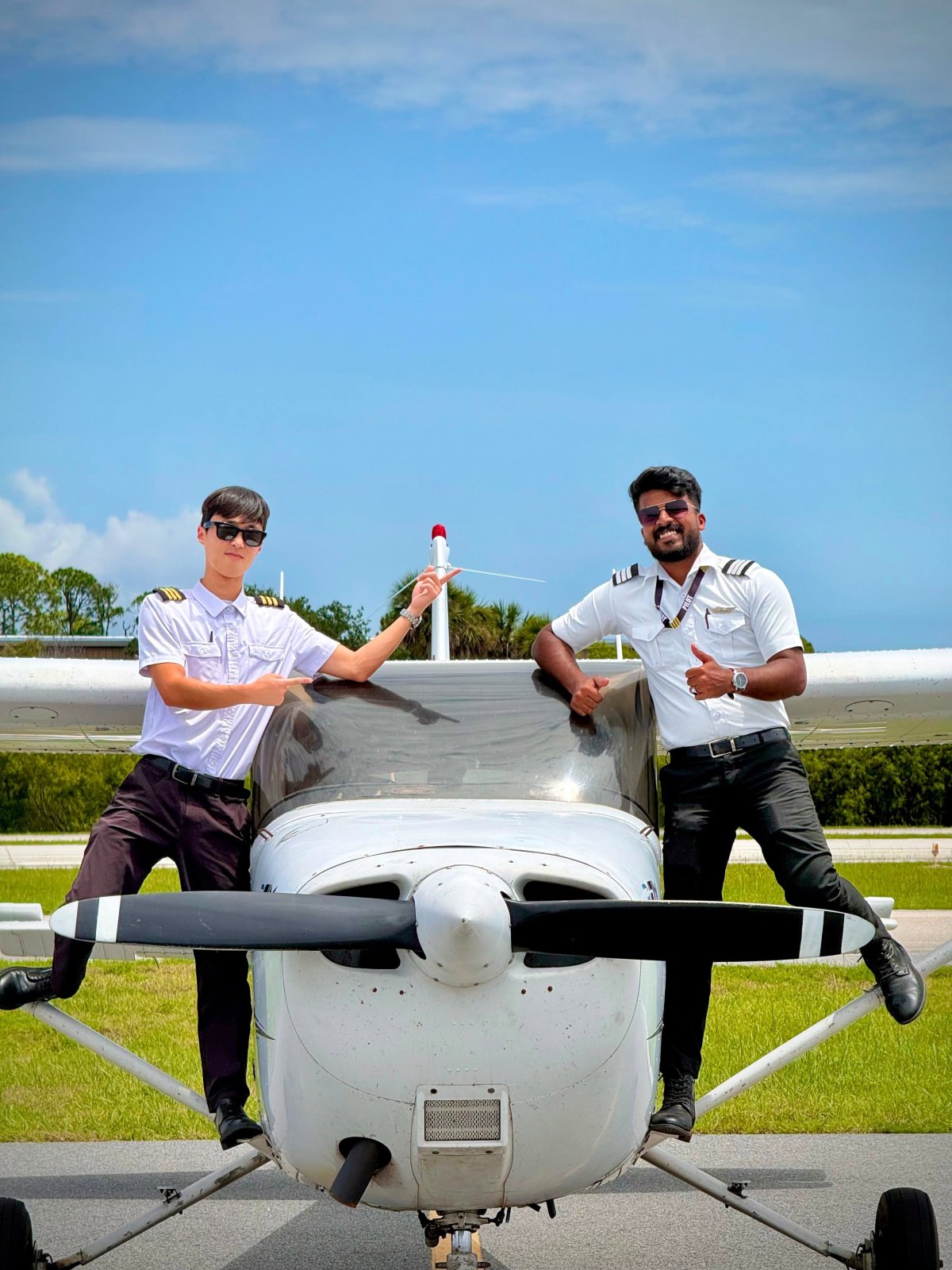
Choosing a flight school based solely on the lowest advertised hourly rate is often the most expensive mistake an aspiring pilot can make. You’ve likely spent hours searching for the best flight schools in florida, only to find yourself overwhelmed by conflicting reviews and complex fee structures. It’s understandable to feel concerned about hidden costs or training delays caused by poor aircraft maintenance.
We agree that your journey toward the flight deck should be defined by progress, not logistical hurdles or housing uncertainty. This guide provides the essential criteria for selecting a top-tier academy that prioritizes your professional development. You’ll discover how to navigate the transition from a student pilot to a qualified first officer while maintaining a clear focus on your 1,500-hour goal.
We’ll examine the differences between training environments and how a structured, airline-oriented curriculum accelerates your career. From visa support for international candidates to the benefits of on-campus immersion, we’ll outline the path to a successful aviation career in 2026. Get ready to move beyond the basics and start your professional journey with precision.
Key Takeaways
- Learn why Florida’s consistent flying weather and flat terrain provide the ideal environment for rapid hour building and skill development.
- Identify the critical factors that separate the best flight schools in florida, including fleet standardization and professional mentorship.
- Understand the differences between Part 141 and Part 61 training to choose the regulatory path that best fits your career goals.
- Discover how total immersion through on-campus housing and streamlined logistics can minimize training delays and accelerate your progress.
- Explore how fixed-price tuition models and structured professional programs provide the financial certainty needed for long-term success.
Why Florida Remains the Premier Destination for Flight Training
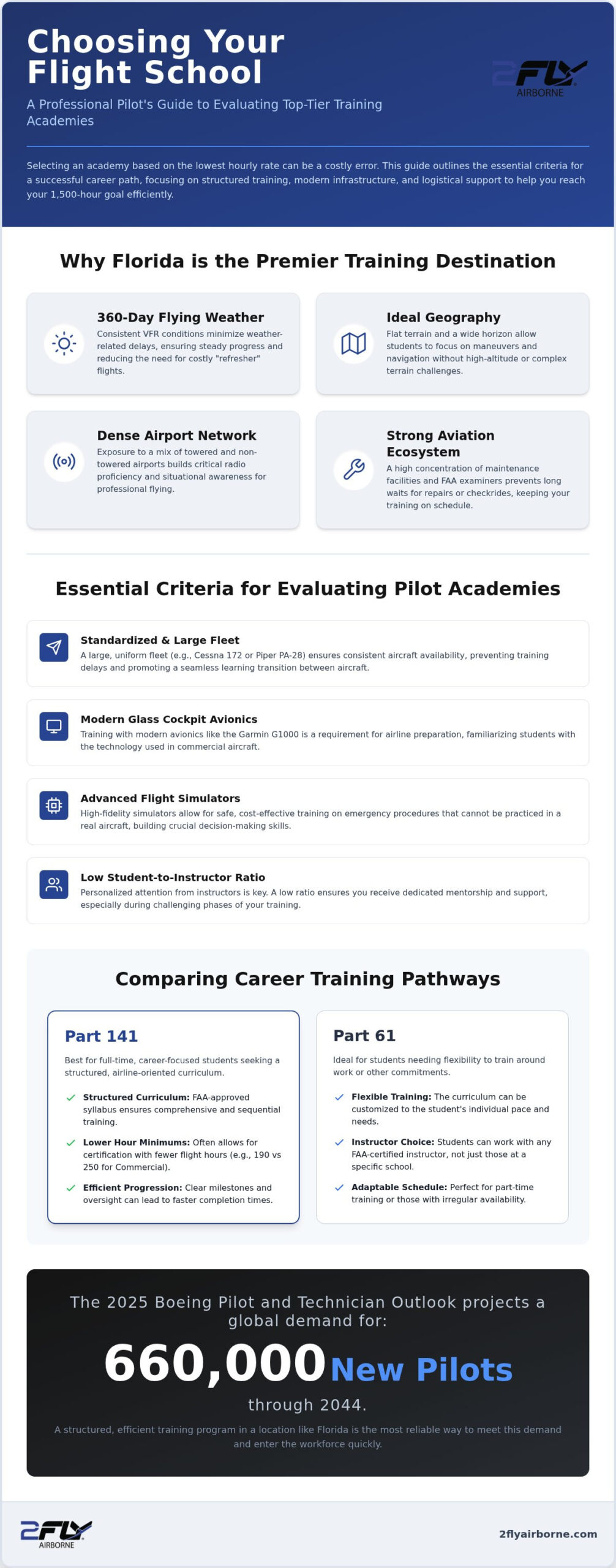
Imagine waking up to clear blue skies nearly every day of the year. This isn’t just a lifestyle perk; it’s a critical strategic advantage for anyone researching the best flight schools in florida. The state’s unique combination of flat terrain and consistent Visual Flight Rules (VFR) weather conditions creates a training environment that’s difficult to replicate in other parts of the world.
In Florida, the horizon is wide and the obstacles are few. This allows students to focus entirely on their maneuvers and navigation without the added stress of high-altitude mountain waves or unpredictable icing conditions. It’s an environment built for success and rapid progression.
To better understand this concept and see the training environment in action, watch this helpful video:
Maximizing Your Training Days
Florida effectively offers 360-day flying weather, which is essential for maintaining student momentum. When you don’t have to worry about weeks of snow or persistent low clouds, your training stays on a predictable track. This consistency significantly reduces the need for expensive “refresher” flights, which are common when students are grounded for long periods.
The Aviation Infrastructure Advantage
The sheer density of airports in the state provides an unparalleled experience in diverse approach procedures. You’ll regularly transition between quiet, non-towered fields and high-intensity international airports. This exposure is a fundamental part of obtaining Pilot certification in the United States.
It builds the radio proficiency and situational awareness required for airline cockpits. 2FLY Airborne leverages this network of airports to ensure our trainees are comfortable in any airspace. This commitment to variety is why we’re consistently ranked among the best flight schools in florida for career preparation. By the time you reach your commercial checkride, navigating complex traffic patterns will feel like second nature.
Florida’s aviation ecosystem also includes a high concentration of maintenance facilities and FAA examiners. This prevents the long wait times for checkrides or aircraft repairs often seen in other states. This infrastructure ensures your journey through the FAA Professional Pilot Program remains seamless and professional.
Essential Criteria for Evaluating Professional Pilot Academies
Have you ever considered that the quality of your training aircraft is just as important as the person sitting in the right seat? When you’re looking for the best flight schools in florida, the answer lies in the infrastructure and the people behind it. A flight school is only as good as the tools and mentors it provides. You need an environment that mirrors the professional standards you’ll encounter at a major carrier.
Look for academies that maintain a large, standardized fleet to ensure aircraft availability. Modern glass cockpit avionics are no longer a luxury; they’re a requirement for proper airline preparation. The presence of advanced flight simulators also allows for cost-effective emergency procedure training that simply isn’t safe to perform in a real aircraft. Beyond the equipment, evaluate the ratio of instructors to students. Personalized attention ensures you don’t get lost in the crowd during the more challenging phases of your ratings. This level of individual focus is a hallmark of the best flight schools in florida.
A low student-to-instructor ratio ensures that your training doesn’t stall due to scheduling conflicts. It allows your mentor to identify and correct small habits before they become significant issues during your checkride. High-quality academies invest in their instructors just as much as their aircraft. This creates a culture of excellence that benefits every student in the program.
Fleet Quality and Maintenance Standards
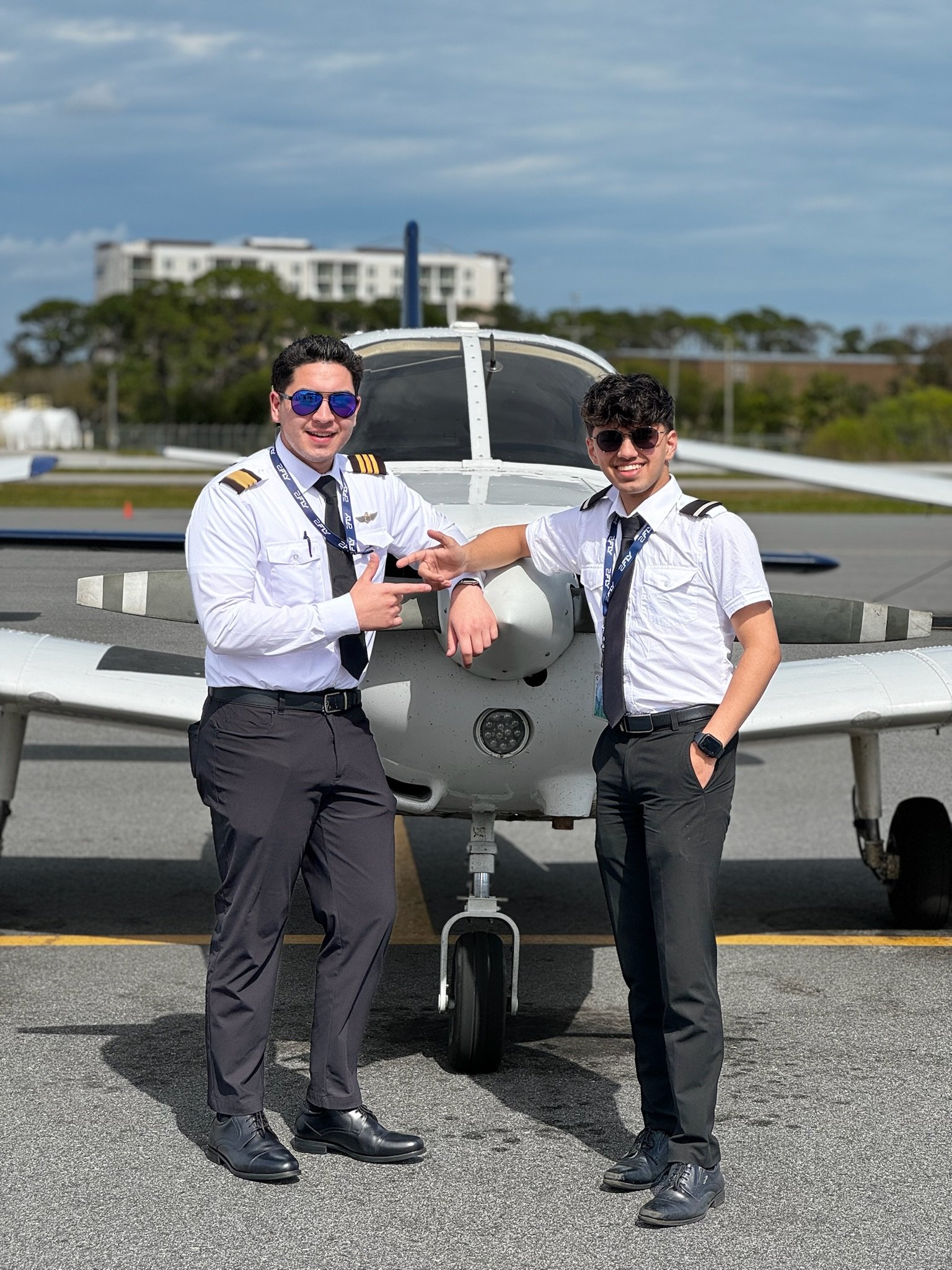
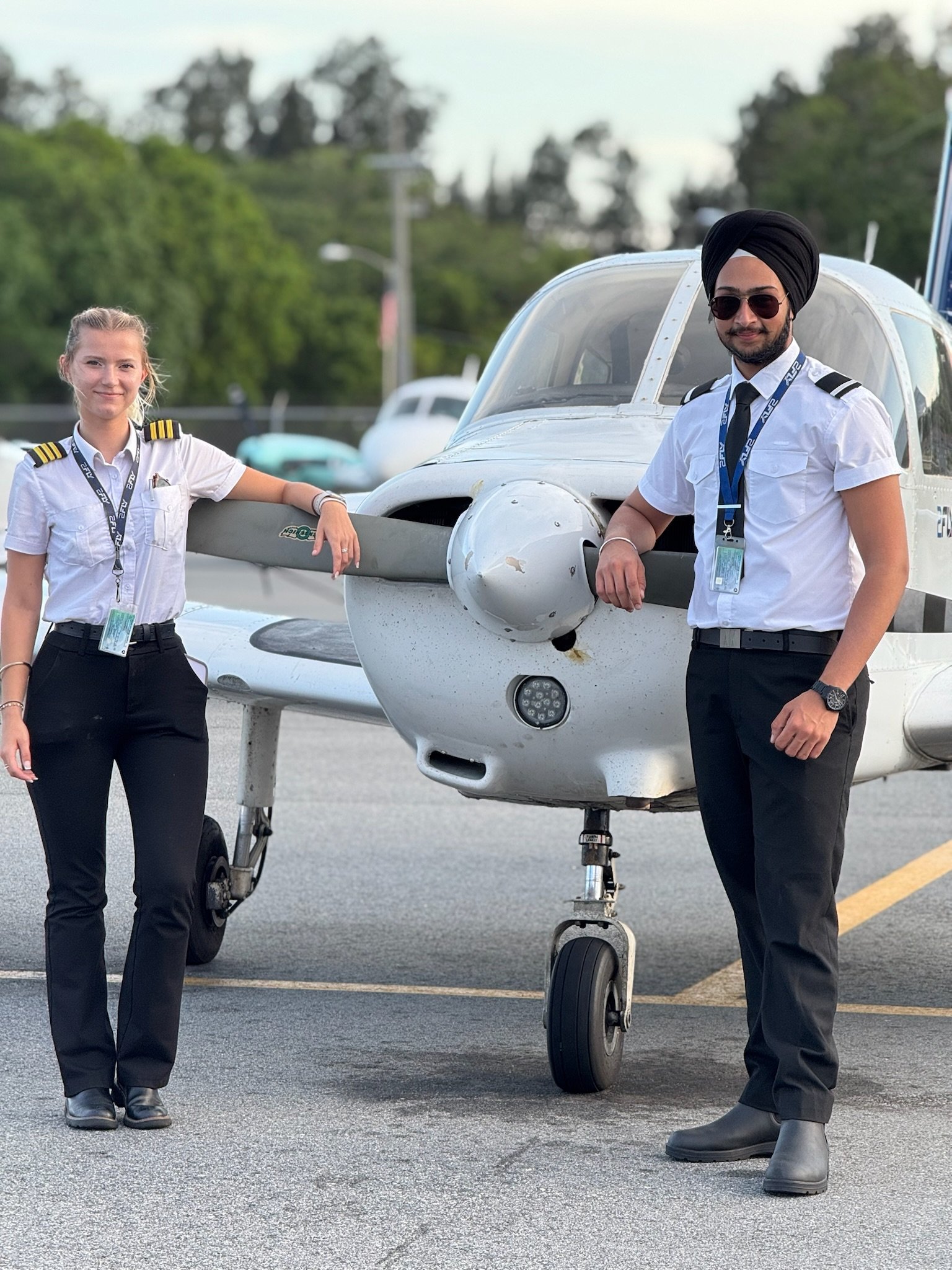
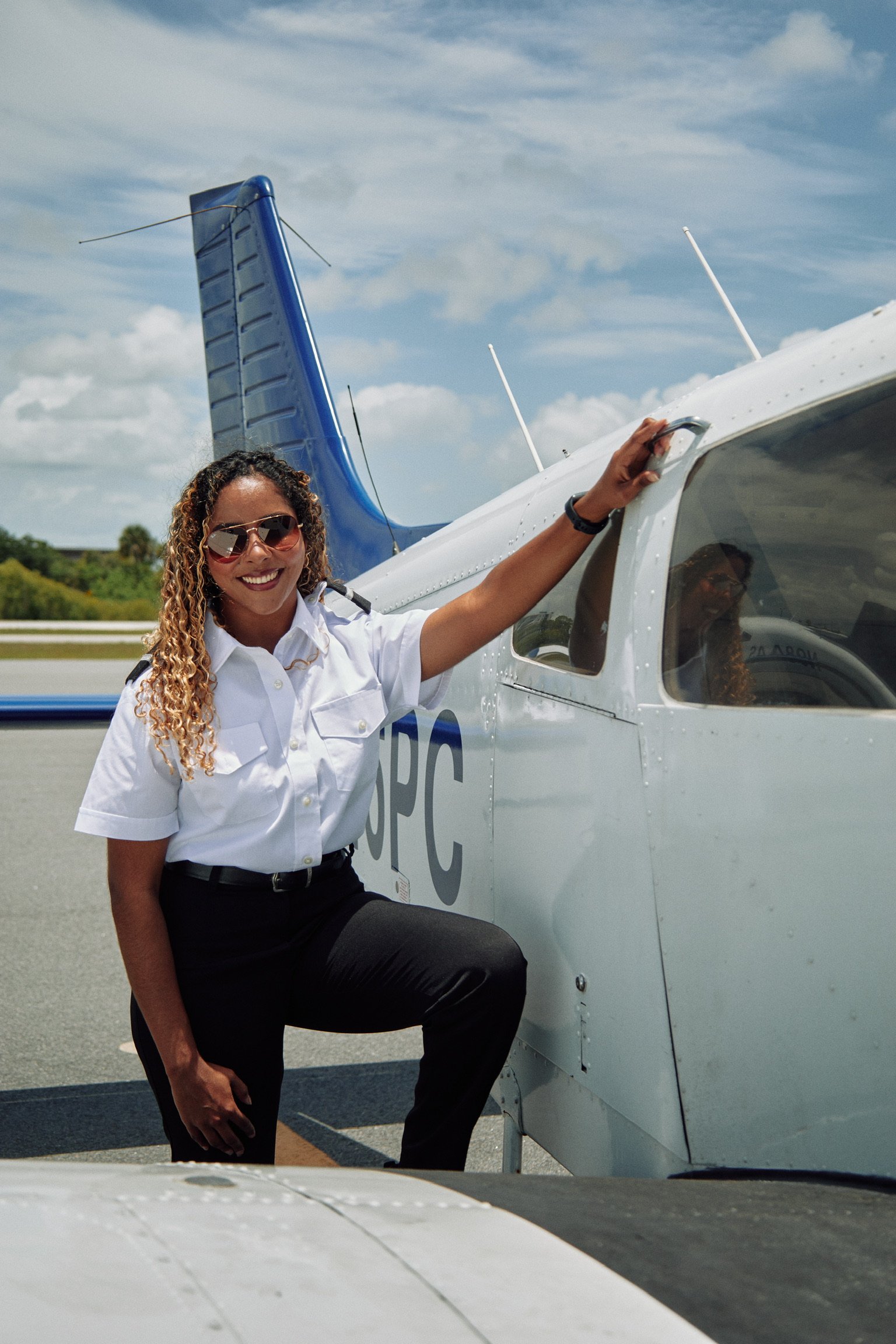
Training in a standardized fleet, such as the Piper Seminole, helps you transition between ratings faster because cockpit layouts remain consistent. An in-house maintenance department is essential for minimizing aircraft downtime and keeping your training schedule on track. A glass cockpit utilizes digital electronic instrument displays, rather than traditional analog gauges, to provide the same interface found in modern commercial airliners. This technological alignment ensures you’re ready for the flight deck at an FAA-certified pilot school.
Instructor Experience and Continuity
Learning from instructors focused on professional career paths is invaluable. You want a mentor who understands current industry requirements and can guide you through commercial nuances. Instructor continuity also prevents training plateaus. The FAA Professional Pilot Program serves as a model for this structured mentorship. If you’re ready to see how this oversight transforms training, explore our FAA First Officer Program for a direct path to the cockpit.
Comparing Career Training Pathways: Part 141 vs. Part 61
Is your training timeline a priority or a secondary concern? Understanding the regulatory framework of your school is critical for both financial and career planning. While both pathways lead to the same licenses, the journey to the cockpit looks very different depending on the regulations your school follows. Most candidates seeking the best flight schools in florida find that the structure of a Part 141 program aligns more closely with their professional ambitions.
Part 141 schools follow a rigid, FAA-approved syllabus designed for rapid career progression. These programs are audited regularly by the FAA to ensure high training standards and consistency. In contrast, Part 61 training offers more flexibility but often lacks the accountability needed for intensive professional tracks. It’s often favored by hobbyists who need to fit flying around a full-time job; however, it can lead to slower progress for career-minded students.
The Benefits of a Structured Syllabus
One of the most significant advantages of Part 141 programs is the potential for lower hour requirements. Because the FAA has vetted the curriculum, students can often qualify for certain certificates with fewer total flight hours than under Part 61. This efficiency is a hallmark of programs like Broward College’s Professional Pilot Technology, which emphasizes a disciplined academic approach to flight training.
Airlines often prefer candidates from structured, accredited training environments because it demonstrates a student’s ability to succeed in a professional setting. This rigorous preparation mirrors the type of training you’ll encounter during airline indoc. Our FAA First Officer Program utilizes this Part 141 structure to ensure every hour in the logbook contributes directly to your commercial readiness.
Flexibility vs. Accountability
The “pay-as-you-go” modular approach of Part 61 can seem attractive initially, but it often leads to “training plateaus.” Without a fixed schedule or a dedicated cohort, students may find their progress stalling due to instructor availability or inconsistent study habits. For those pursuing a vocational career, an “all-inclusive” professional pilot track is almost always more efficient. It provides the financial certainty and momentum required to reach the flight deck without unnecessary delays.
At 2FLY Airborne, we focus exclusively on the professional track to ensure our students reach their goals with precision. We believe that total immersion is the fastest way to master complex aviation concepts. If you’re comparing different institutions, our Flight Schools in Florida sibling article provides a deeper look at how to identify the right fit for your career trajectory. Choosing the right regulatory path is the first step in ensuring you’re recognized among the elite graduates of the best flight schools in florida.
Navigating the Logistics of Full-Time Pilot Training
Professional flight training isn’t a part-time endeavor. It’s a full-time commitment that requires total immersion to succeed. When you search for the best flight schools in florida, you aren’t just looking for a cockpit; you’re looking for a lifestyle that supports your goals. Managing the logistics of daily life shouldn’t distract you from mastering your flight maneuvers.
A comprehensive flight academy should act as a partner in your journey, handling the heavy lifting of administrative and residential needs. This allows you to maintain a singular focus on your progression from student to professional. From housing to legal documentation, every detail must be aligned with the pace of an intensive professional syllabus.
The Importance of On-Campus Housing
Living on campus transforms your training from a series of lessons into a 24/7 aviation environment. You’ll find that ground school success comes much easier when you’re surrounded by peers who share your professional drive. This collaborative atmosphere allows for spontaneous study sessions and a shared understanding of the industry’s rigorous demands.
Residential programs also simplify life for out-of-state and international aviators by removing the stress of local apartment hunting. 2FLY’s student housing is a key pillar of our residential programs, designed to eliminate commute times and maximize your focus. It’s this level of integration that helps define the best flight schools in florida as true career pipelines rather than just rental facilities.
Visa Sponsorship and International Support
For international students, visa sponsorship is often the most significant hurdle to training in the USA. Most students will require an M-1 visa for vocational flight training, while an F-1 visa is typically reserved for academic degree programs. A dedicated international recruitment office plays a vital role in streamlining the SEVIS application process. This administrative support ensures you can focus on your flight training rather than complex government paperwork.
Many international candidates are specifically seeking programs that bridge the gap between different regulatory bodies. Providing a clear path for students who need to understand both FAA and international standards is a hallmark of a world-class institution. Our team assists with the complexities of ICAO transfers and ensures your training history is documented correctly for your home civil aviation authority. For a detailed breakdown of how this works for European trainees, read our EASA Flight School USA sibling article.
Ready to simplify your path to the cockpit? Start your FAA Professional Pilot Program application today and let our team handle the logistics. We are here to ensure your transition to Florida is as smooth as your first solo flight.
Accelerating Your Career with the 2FLY Professional Pilot Program
Have you ever wondered why some pilots seem to reach the airline cockpit years ahead of their peers? The difference usually comes down to whether they treated their training as a casual hobby or a rigorous vocation. At 2FLY Airborne, we design our programs specifically for those who view the flight deck as their ultimate professional destination. This focus on vocational excellence is why we are consistently recognized among the best flight schools in florida for career preparation.
Our FAA Professional Pilot Program offers a fixed-price tuition model to provide you with the financial certainty that many other academies lack. You won’t have to worry about fluctuating costs or hidden fees as you progress through your ratings. This transparency allows you to focus entirely on mastering the technical skills and decision-making required of a commercial aviator. By combining FAA and EASA standards, we prepare you for a truly global aviation career that isn’t limited by geographical borders.
Graduates of our program leave with more than just a set of certificates; they possess an “airline-ready” mindset. This professional polish is exactly what major carriers look for when evaluating new hires. The 2025 Boeing Pilot and Technician Outlook projects a demand for 660,000 new pilots globally through 2044, and our curriculum is built to ensure you are at the front of that hiring line.
A Global Training Network
Since 1994, 2FLY has established itself as a premier flight training academy with a rich history of student success. Our status as an industry leader is built on the seamless integration of training across different global regions. We understand that financing a professional education is a significant step, which is why we offer various Financing options for qualified students. This support ensures that your ambition isn’t grounded by financial logistics.
Your Pathway to the Flight Deck
The journey from a Private Pilot Certificate to becoming a Certified Flight Instructor happens within a single, cohesive ecosystem at 2FLY. This continuity eliminates the “learning gaps” that often occur when switching between different schools or instructors. We remain committed to safe, structured training as the foundation of a long and healthy career in the skies. If you want to see our facilities and meet our team, we encourage you to attend one of our upcoming 2FLY Events to learn more in person.
Summary of Key Takeaways:
- Florida’s weather and infrastructure provide the most reliable environment for rapid hour building.
- Professional success requires a standardized fleet, modern glass cockpits, and Part 141 structure.
- On-campus housing and visa support are essential for maintaining total immersion in your studies.
- Fixed-price tuition models offer the financial stability needed to complete a professional pilot track.
- Choosing a school with a global perspective ensures your ratings are respected by international carriers.
Your transition from a student to a professional pilot requires a disciplined environment and an expert mentor. We invite you to take the first step toward your international aviation career by contacting 2FLY Airborne today. If you have any remaining questions about our programs or the enrollment process, please reach out to a 2FLY Training Advisor for personalized guidance.
Securing Your Future in the Global Cockpit
Your journey toward a professional pilot career requires more than just logbook entries; it demands a foundation built on discipline and international standards. By prioritizing a structured Part 141 environment and taking advantage of Florida’s premier aviation infrastructure, you position yourself for rapid advancement. Selecting from the best flight schools in florida means finding a partner that offers technical mastery along with essential logistical support, such as on-campus housing and dedicated visa assistance.
Our FAA and EASA accredited training programs are designed to bridge the gap between initial certification and airline employment. With our Fixed-Price Professional Pilot Program, you gain the financial predictability necessary to focus entirely on your training milestones. This commitment to transparency and excellence ensures you’re prepared for the rigorous demands of the international aviation industry from day one.
Ready to launch your aviation career? Contact a 2FLY Training Advisor today to discuss your professional pilot path. If you have any remaining questions about enrollment or your training timeline, please reach out to a 2FLY Training Advisor for expert guidance. The flight deck is waiting for those with the drive to reach it.
Frequently Asked Questions
How much does flight school in Florida cost in 2026?
Costs for flight training in Florida vary significantly based on whether you choose a modular “pay-as-you-go” approach or a structured professional program. While entry-level private pilot training is more affordable, comprehensive career tracks that lead to commercial ratings require a larger investment. The industry has seen an 18% increase in comprehensive program costs since 2024, so it’s vital to look for academies that offer fixed-price tuition to avoid unexpected expenses.
How long does it take to become a commercial pilot in Florida?
A full-time, accelerated professional pilot program typically takes between 7 and 10 months to complete all ratings from Private to Commercial Multi-Engine. Once you’ve earned your commercial certificates, you’ll likely spend another 12 to 18 months working as a flight instructor to reach the 1,500-hour requirement for airline employment. Your total timeline depends on your commitment level and the consistency of your flight schedule.
Can international students attend flight school in the USA?
Yes, international students are welcome at U.S. flight schools as long as the institution is SEVIS-certified to sponsor M-1 or F-1 visas. You’ll need to complete a background check through the TSA and obtain your visa before beginning any flight activities. The best flight schools in florida provide dedicated administrative support to help international candidates navigate these regulatory requirements and secure on-campus housing.
What is the difference between FAA and EASA pilot licenses?
The difference lies in the regulatory body that issues the license and the region where you intend to fly. FAA licenses are issued by the United States and are recognized globally for N-registered aircraft, while EASA licenses are the standard for the European Union. Choosing a school that understands both sets of standards provides you with greater professional mobility and opens doors to international airline careers.
Is on-campus housing available at Florida flight schools?
On-campus residential accommodation is available at premier flight academies and is highly recommended for students in professional programs. Living on campus eliminates the stress of finding local rentals and removes the daily commute to the airport. This arrangement allows you to remain fully immersed in your studies and fosters a collaborative environment with other aspiring pilots.
Do I need a college degree to become a commercial pilot?
You don’t need a college degree to earn your commercial pilot certificate or to fly for regional airlines. While major legacy carriers have traditionally preferred candidates with a four-year degree, many have recently relaxed these requirements to address the ongoing pilot shortage. A degree remains a valuable asset for long-term career progression, but it’s no longer a strict barrier to entry for most first officer seats.
What medical certificate do I need to start flight training?
You should obtain an FAA First-Class medical certificate if you plan to pursue a career as an airline pilot. This is the most rigorous medical standard and ensures you’re physically qualified for the profession before you invest in training. The 2025 Boeing Pilot and Technician Outlook projects a demand for 660,000 new pilots globally through 2044, so confirming your medical eligibility is the first practical step toward joining this high-growth industry.
Article by
2FLY Airborne
2Fly Airborne is a professional flight training organization dedicated to developing the next generation of skilled, confident, and safety-focused pilots. With decades of combined aviation experience, our team of certified instructors provides structured, real-world training designed to prepare students for both checkrides and long-term success in the aviation industry.
Content Disclaimer
Some blog content is generated with the assistance of automated tools and may not always be fully accurate or up to date. Please verify all aviation-related information with official sources or a certified instructor. For additional guidance or clarification, we encourage you to contact one of our training advisors at 2Fly Airborne.