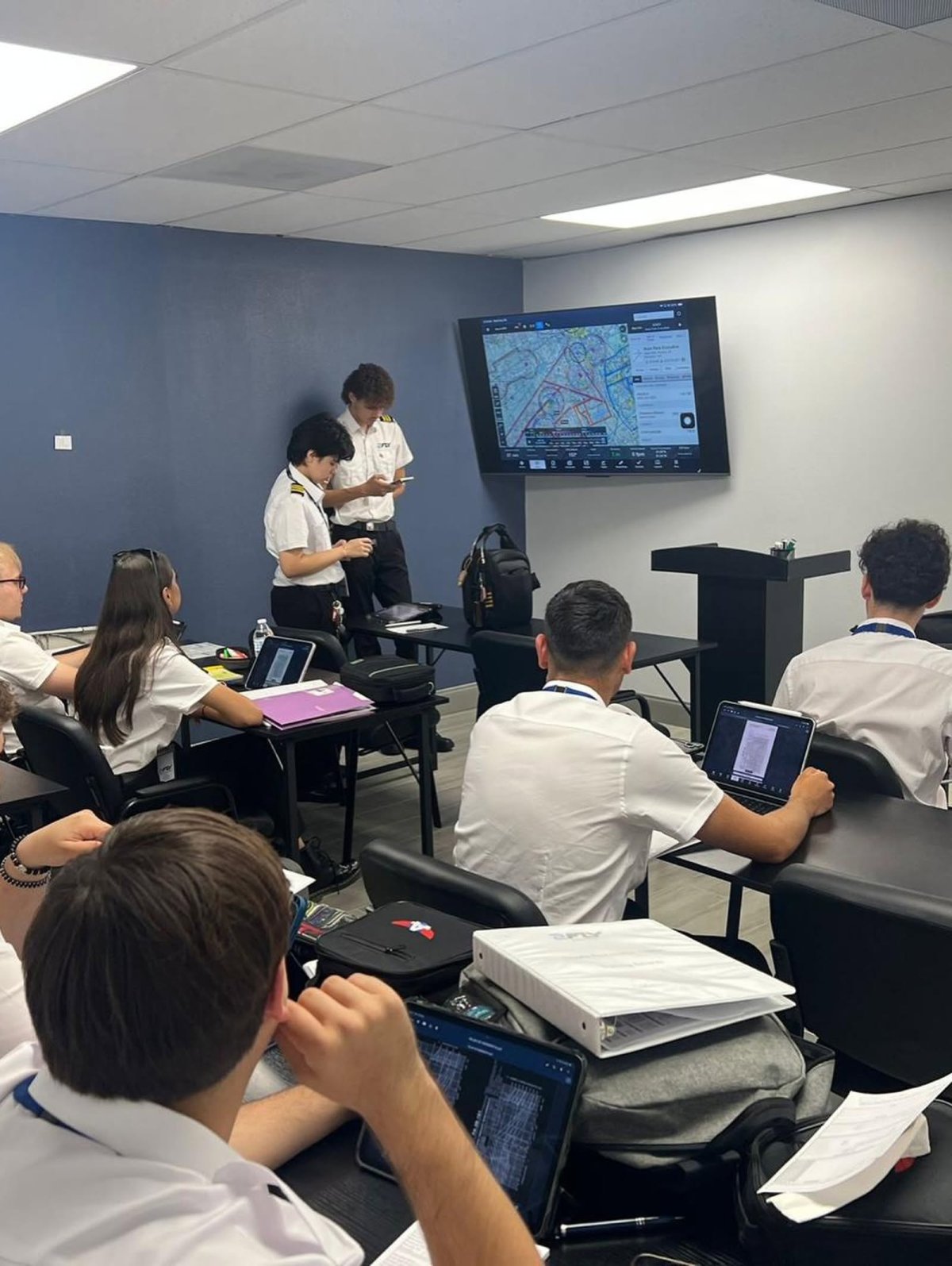
Have you ever looked at the flight deck of a modern jet and wondered if the path to that seat is intentionally shrouded in mystery? For many aspiring aviators, the initial excitement of flight is often dampened by a wall of complex regulations and technical jargon. Understanding the faa pilot license requirements doesn’t have to be a barrier to your professional ambition.
It’s natural to feel a sense of uncertainty regarding medical eligibility or the specific milestones required to reach the flight deck. You deserve a clear, authoritative breakdown. This guide replaces confusion with a structured plan for your future. We provide a comprehensive look at the 2026 standards so you can move forward with absolute confidence.
We’ll examine each certification level, from the Private Pilot Certificate to the specialized ratings required for international professional mobility. You’ll gain a practical checklist of age, experience, and testing milestones needed to transform from a trainee into an industry-prepared professional. Let’s begin by demystifying the foundational steps of your aviation career.
Key Takeaways
- Understand the logical progression from a Student Pilot to an Airline Transport Pilot and how each step builds your professional career.
- Master the foundational faa pilot license requirements regarding age, language proficiency, and medical certification to ensure you are eligible for training.
- Learn the specific flight hour requirements for a Commercial Pilot License and how structured training environments can streamline your path to the cockpit.
- Compare the advantages of Part 61 and Part 141 training pathways to determine which regulatory framework best aligns with your timeline and professional goals.
- Discover how to leverage professional networking and mentorship to successfully transition from a trainee to a fully employed industry professional.
Understanding the Hierarchy of FAA Pilot Certificates
In the United States, what many call a “license” to fly is officially known as a pilot certificate. This credential is issued by the Federal Aviation Administration (FAA) under the authority of the Department of Transportation. Understanding the faa pilot license requirements starts with recognizing that these standards aren’t just hurdles; they’re professional benchmarks designed to maintain the highest safety levels in the global airspace.
The journey to the flight deck follows a logical, tiered progression where each certificate builds upon the last. You don’t simply learn to fly a jet on day one. Instead, you accumulate skills, hours, and responsibilities in a structured sequence that ensures you’re prepared for the increasing complexity of modern aviation.
To better understand this concept, watch this helpful video:
Choosing the right certificate depends entirely on your ultimate aviation goals. While some individuals fly purely for recreation, high-achievers aiming for an international career must follow a specific path. This hierarchy ensures that by the time you transition into a professional role, your technical mastery is beyond reproach.
Student vs. Private Pilot Certificates
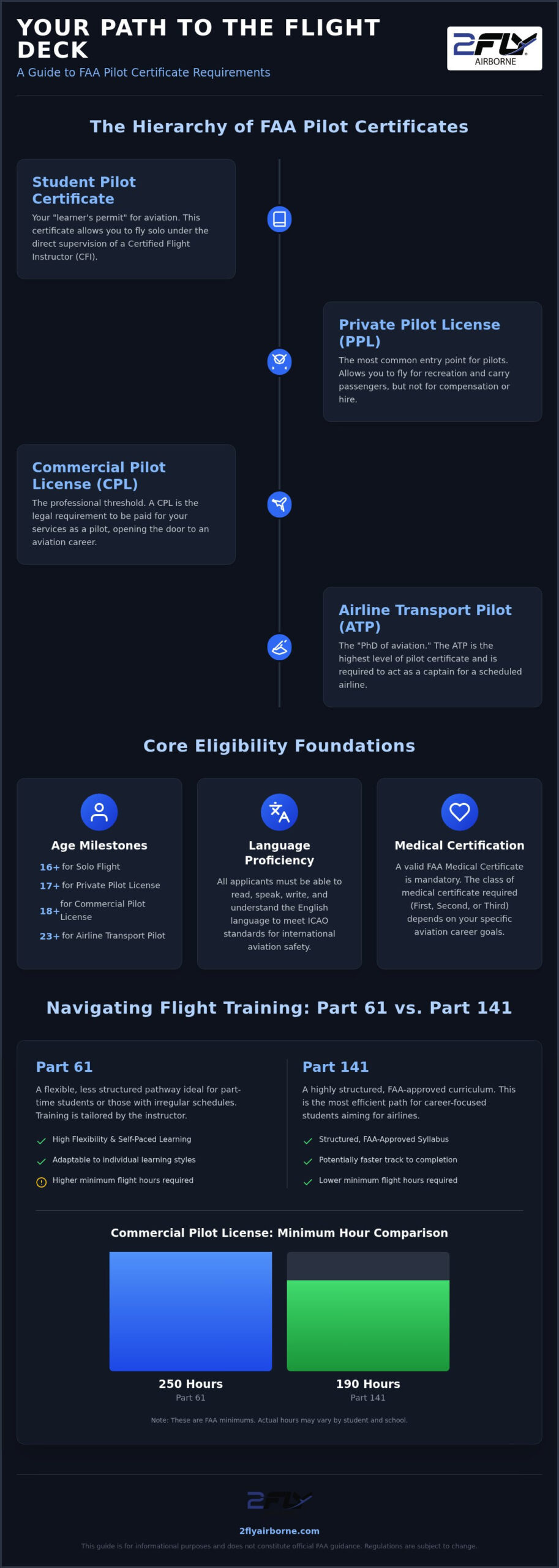
Your journey begins with the Student Pilot Certificate. Think of this as your “learner’s permit” that allows you to fly solo under the supervision of an instructor. Once you’ve mastered the fundamentals, you’ll graduate to the Private Pilot License (PPL). The Private Pilot License (PPL) serves as the most common entry point for career aviators. While it grants you significant freedom, it has a major limitation: you cannot fly for compensation or hire. You can learn more about how these fit into the broader regulatory landscape by reviewing the FAA Pilot Certification Levels.
The Professional Goal: Commercial and ATP Certificates
To turn your passion into a career, you must satisfy the faa pilot license requirements for a Commercial Pilot License (CPL). This certificate is the legal threshold that permits you to receive payment for your services as a pilot. For those with their sights set on the major airlines, the Airline Transport Pilot (ATP) certificate is the final objective. Often described as the “PhD of aviation,” the ATP is required for anyone serving as a captain for a scheduled airline. Enrolling in a structured FAA Professional Pilot Program is the most efficient way to navigate these levels and prepare for a long-term career.
Core Eligibility: The Foundation of Every FAA License
Before you ever step into a cockpit, you must meet specific foundational criteria. The FAA establishes these universal pillars to ensure every person in control of an aircraft possesses the physical and mental aptitude required for safe flight. These Official FAA Pilot Requirements are non-negotiable. They serve as the bedrock of the world’s safest aerospace system, protecting both the pilot and the public.
While the administrative side of flight training can feel daunting, it’s the first step in your professional development. Expert mentors at 2FLY Airborne guide students through these initial hurdles, ensuring that paperwork and eligibility checks don’t stall your ambition. Setting this foundation correctly is essential for anyone looking to transition from a trainee to an industry-prepared professional.
Age and Language Proficiency Standards
Age is one of the most straightforward faa pilot license requirements. You must be at least 16 years old to solo a powered aircraft and 17 to earn your Private Pilot Certificate. If your goal is a professional career, you must be 18 to receive a Commercial Pilot Certificate. For those aiming for the highest levels of the profession, the Airline Transport Pilot (ATP) certificate generally requires you to be 23, though restricted certificates are available at 21 for certain qualified individuals.
Communication is equally vital. The International Civil Aviation Organization (ICAO) mandates English as the universal language of aviation. You must be able to read, speak, write, and understand English fluently to ensure safety during international professional mobility. For international students, this requirement is a gateway to the global market, allowing for a seamless integration of training and career opportunities across different regions.
FAA Medical Certification: Classes 1, 2, and 3
Your health is your most valuable asset in the cockpit. The FAA requires medical certification through an authorized Aviation Medical Examiner (AME). A Third-Class Medical is typically sufficient for private pilots and hobbyists, but professional tracks demand much more. If you intend to fly for the airlines, you must secure a First-Class Medical certificate. This is the most rigorous standard and includes detailed screenings for vision, hearing, and cardiovascular health.
It’s a common misconception that you can wait until you’re “ready” for a job to get your medical. Secure your certificate as early as possible to confirm you meet the long-term physical demands of the career. Maintaining this level of health is a continuous commitment throughout your professional life. If you’re ready to see how your background aligns with these standards, exploring a structured FAA Professional Pilot Program can provide the clarity and confidence you need to start.
Commercial Pilot License (CPL) Requirements for Career Aviators
Transitioning from a private pilot to a commercial professional requires a significant shift in mindset. While the Private Pilot Certificate allows you to share the joy of flight with friends, the Commercial Pilot License (CPL) transforms that passion into a vocational path. Meeting the faa pilot license requirements for a CPL is the definitive signal to the industry that you possess the technical mastery and discipline required for professional employment.
The aeronautical experience needed for a CPL is rigorous. Under the standard Part 61 regulations, you must accumulate a total of 250 flight hours before you can apply for the certificate. Structured academies often utilize Part 141 frameworks, which can reduce the total hour requirement due to a more rigid, FAA-approved syllabus. Regardless of the pathway, you will also need to secure an Instrument Rating and a Multi-Engine Rating to be considered an industry-prepared professional.
Global industry trends underscore the importance of completing this training now. The 2025 Boeing Pilot and Technician Outlook projects a demand for 660,000 new pilots globally through 2044. This massive requirement for new talent means that those who meet the certification standards early will be best positioned for rapid career advancement.
Flight Hour Breakdown and Experience
Meeting the specific hour requirements involves more than just time in the air. You must log at least 100 hours of pilot-in-command time and 50 hours of cross-country flight. Additionally, the FAA mandates 20 hours of dual training in specific areas, including ten hours of instrument training and ten hours in a complex or technically advanced aircraft. Many students utilize dedicated hour building packages to reach these milestones efficiently while refining their cross-country navigation skills.
Strategic hour building is about quality, not just quantity. It prepares you for the high-pressure environment of commercial operations. If you are just starting your journey, understanding the full timeline is vital. You can find a detailed roadmap on how to become a pilot to help plan your training phases effectively.
Knowledge and Practical Tests
Beyond the flight deck, you must prove your theoretical expertise. The FAA Knowledge Test for commercial pilots covers advanced aerodynamics, complex aircraft systems, and professional-grade weather analysis. You can research more about these Pilot Training and License Requirements to see how the theoretical standards have evolved. Consistent ground school is the only way to ensure you master these concepts before sitting for the exam.
Preparing for the final practical test, known as the checkride, is the culmination of your training. A Designated Pilot Examiner (DPE) will evaluate your ability to perform commercial-grade maneuvers and your decision-making skills under various scenarios. Success on the first try requires a combination of technical precision and the professional confidence that comes from training in an elite, world-class environment.
Navigating Flight Training: Part 61 vs. Part 141 Pathways
Choosing the specific regulatory framework for your flight training is a decision that shapes your entire professional timeline. The FAA provides two primary pathways for certification, known as Part 61 and Part 141. While both lead to the same pilot certificates, the structure, oversight, and efficiency of each path differ significantly. Understanding these nuances is a critical part of mastering the faa pilot license requirements for a career in the skies.
Your choice should align with your ultimate vocational goals. If you seek to transition from a trainee to an industry-prepared professional as quickly as possible, the framework you choose matters. Professional academies typically favor the more rigorous Part 141 structure. This preference ensures that every student meets a standardized level of excellence before entering the global workforce.
At 2FLY Airborne, we adhere to these high standards to ensure our graduates are ready for the demands of a specialized career path. This structured environment provides the discipline required to reach the highest levels of the profession. If you’re ready to commit to an elite training environment, you can explore our FAA Professional Pilot Program to see how we streamline your journey.
Part 61: The Flexible Approach
Part 61 is often considered the more flexible route to certification. It’s frequently the choice for those training part-time or balancing flight school with other full-time commitments. While the regulatory requirements for the final checkride remain the same, the lack of a mandatory, FAA-approved syllabus allows for a more personalized pace. This flexibility can be a double-edged sword for those seeking a fast-paced career.
Without a rigid schedule, students in a Part 61 environment often face training plateaus or inconsistent progress. These delays can lead to increased costs and a longer path to employment. For a career seeker, the lack of a structured pipeline can be a significant hurdle. It requires immense self-discipline to ensure you don’t lose momentum during the more challenging phases of your development.
Part 141: The Structured Career Path
Part 141 training is defined by its FAA-approved curriculum and frequent stage checks. These programs are subject to regular government audits to ensure the highest quality of instruction. Because the syllabus is so structured, the FAA often allows for reduced hour requirements for certain certifications. This efficiency is a major advantage for students who want to meet the faa pilot license requirements and enter the job market sooner.
Airlines and international operators often prefer graduates from Part 141 programs because of this inherent standardization. They know that a graduate from a highly structured program has been tested against a rigorous set of professional benchmarks. This pathway is the definitive gateway for high-achievers who value technical mastery and vocational preparedness. It provides a stable, world-class setting for your professional development.
Launching Your Professional Career with FAA Certification
Earning your wings is a monumental achievement. The transition from a trainee to an industry-prepared professional requires more than technical skill. It demands a strategic approach to networking and a deep understanding of the global aviation landscape. Meeting the faa pilot license requirements is your ticket to entry, but your professional reputation is what secures your seat in the cockpit.
Mentorship plays a vital role during this phase. Engaging with experienced instructors and alumni within a global network of recruitment offices provides insights that no textbook can offer. These connections often become the bridge between your final checkride and your first commercial job. Success in this field belongs to those who view their training as a direct pipeline to employment.
The 2025 Boeing Pilot and Technician Outlook projects a demand for 660,000 new pilots globally through 2044. This scale of opportunity rewards those who move with precision and purpose. Choosing an elite institution ensures you are ready to meet this demand head-on while maintaining the highest standards of safety and technical mastery.
The Professional Pilot Program Advantage
A fixed-price FAA Professional Pilot Program is a key differentiator for high-achievers. It provides a structured environment where financial uncertainty is replaced by goal-oriented progression. Training in state-of-the-art simulators ensures you are familiar with advanced flight deck technology before you ever interview with an airline. This vocational preparedness, which is often bolstered by custom software solutions from firms like API Pilot, is what sets our graduates apart in a competitive international market.
Budgeting for this journey is a critical step for any aspiring aviator. You can find detailed financing information to help you plan your training phases effectively. By addressing the financial aspects early, you can focus entirely on reaching the rigorous standards required for professional certification.
Next Steps: Speaking with a Training Advisor
Navigating the final administrative steps requires expert guidance. Speaking with a 2FLY Airborne Training Advisor allows you to verify your eligibility and build a personalized roadmap to success. For international students, our visa sponsorship options ensure seamless international professional mobility. This support is vital for transitioning into a world-class setting for professional development.
In summary, prioritize your First-Class medical certificate early to confirm your long-term health eligibility. Opt for a structured Part 141 pathway to benefit from an FAA-approved syllabus and efficient training timelines. Stay focused on the end goal: a rewarding career in a world-class environment. Meeting the faa pilot license requirements is just the first step in a long and rewarding journey. Safe, disciplined training remains the only definitive gateway to the highest levels of the industry.
Take the First Step Toward Your Global Aviation Career
Mastering the faa pilot license requirements is more than just checking boxes; it’s about building a foundation for an elite international career. Start by prioritizing your first-class medical certificate to confirm your long-term eligibility. Choosing a structured Part 141 pathway ensures you benefit from an FAA-approved syllabus and the most efficient timeline to the flight deck. Safe, methodical training remains the definitive gateway to the technical mastery required by major airlines.
At 2FLY Airborne, we provide a world-class environment featuring FAA and EASA compliant training and state-of-the-art flight simulators. Our global recruitment network serves as a direct pipeline, moving you from trainee to industry-prepared professional. You don’t have to navigate the complex regulatory landscape on your own. Our expert mentors are ready to guide you through every milestone of your professional development.
Speak with a 2FLY Training Advisor today to discuss your career path and verify your eligibility for our programs. Reach out to a 2FLY Training Advisor with any remaining questions you have about the certification process. Your journey to the highest levels of the profession begins with a single, decisive action.
Frequently Asked Questions
What is the minimum age to get an FAA pilot license?
You must be at least 17 years old to earn a Private Pilot Certificate and 18 for a Commercial Pilot Certificate. If your goal is a career with a major airline, the Airline Transport Pilot license generally requires you to be 23. Some restricted certificates are available at age 21 for those meeting specific educational criteria. These age milestones ensure that pilots have the maturity required for professional responsibilities.
Can I become a pilot if I wear glasses or have corrected vision?
Yes, you can absolutely become a pilot if you wear glasses or contact lenses. The FAA requires that your vision be correctable to 20/20 for distant vision for first and second-class medical certificates. As long as your vision meets these standards with corrective lenses, you can fulfill the medical portion of the faa pilot license requirements without issue. Modern aviation standards are designed to be inclusive of those with corrected vision.
Do I need a college degree to meet FAA pilot requirements?
A college degree is not a mandatory FAA requirement for any pilot certificate. The FAA focuses on your technical proficiency, flight hours, and medical health rather than your academic background. However, while it’s not legally required for the license itself, many major airlines still prefer candidates with a bachelor’s degree when competing for highly sought-after positions. It’s often viewed as a sign of dedication and advanced learning capability.
What is the difference between a Private and Commercial pilot license?
The primary difference lies in your ability to fly for compensation or hire. A Private Pilot Certificate allows you to fly for personal enjoyment or share flight expenses with passengers but strictly prohibits you from being paid. In contrast, the Commercial Pilot License is a professional credential that legally permits you to receive payment for your services as a pilot in various commercial operations. It’s the essential step for any vocational path.
How much does it cost to meet all FAA commercial pilot requirements?
The total investment required to meet FAA standards varies based on the training pathway and the type of aircraft used. Factors such as fuel prices, instructor fees, and the efficiency of the training syllabus all influence the final amount. Choosing a structured program with a clear progression often helps manage these variables more effectively than an unstructured approach. This focus on efficiency ensures you get the most value from your training hours.
How long does it take to complete all FAA license requirements?
Most students in an accelerated, professional program complete their training in approximately 10 to 14 months. This timeline includes progressing from zero experience through the Private, Instrument, and Commercial phases. Your individual pace will depend on your commitment level and whether you choose a high-intensity Part 141 environment. Understanding the faa pilot license requirements early helps you plan a schedule that fits your professional timeline and goals.
Is an FAA medical certificate required before I start flight school?
While you don’t technically need a medical certificate for your first few lessons, it’s highly recommended to secure one before starting. Obtaining a first-class medical certificate early confirms your long-term physical eligibility for a professional career. This proactive step prevents you from investing significant time and resources into training only to discover a disqualifying health condition later. It’s the best way to ensure your career path is clear.
Can international students get an FAA pilot license in the United States?
Yes, international students can earn their certificates in the United States by obtaining the appropriate student visa. The FAA requirements are the same for all candidates, but international students must also comply with TSA background checks and visa regulations. Training in the U.S. offers the advantage of a standardized, world-class environment that is recognized globally. This international professional mobility is a key benefit of the FAA certification system.
Article by
2FLY Airborne
2Fly Airborne is a professional flight training organization dedicated to developing the next generation of skilled, confident, and safety-focused pilots. With decades of combined aviation experience, our team of certified instructors provides structured, real-world training designed to prepare students for both checkrides and long-term success in the aviation industry.
Content Disclaimer
Some blog content is generated with the assistance of automated tools and may not always be fully accurate or up to date. Please verify all aviation-related information with official sources or a certified instructor. For additional guidance or clarification, we encourage you to contact one of our training advisors at 2Fly Airborne.