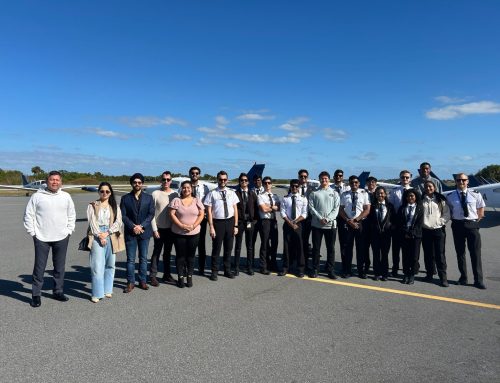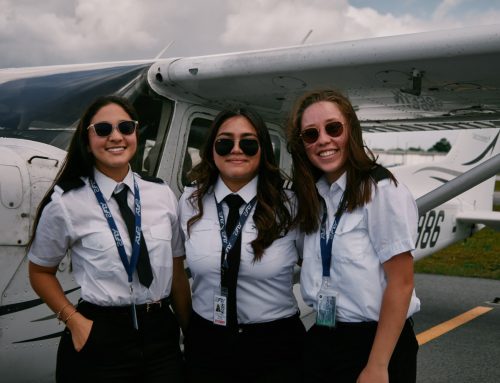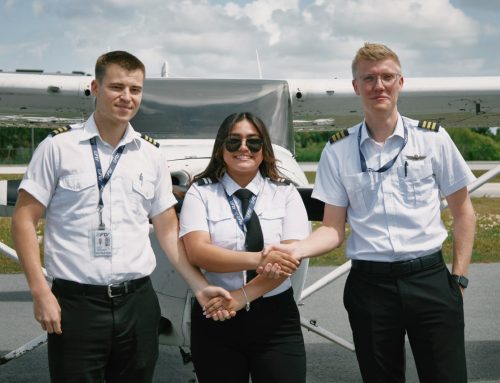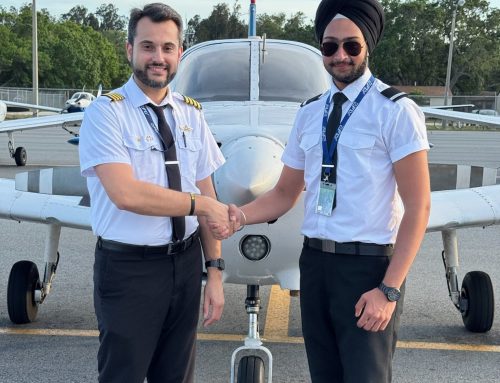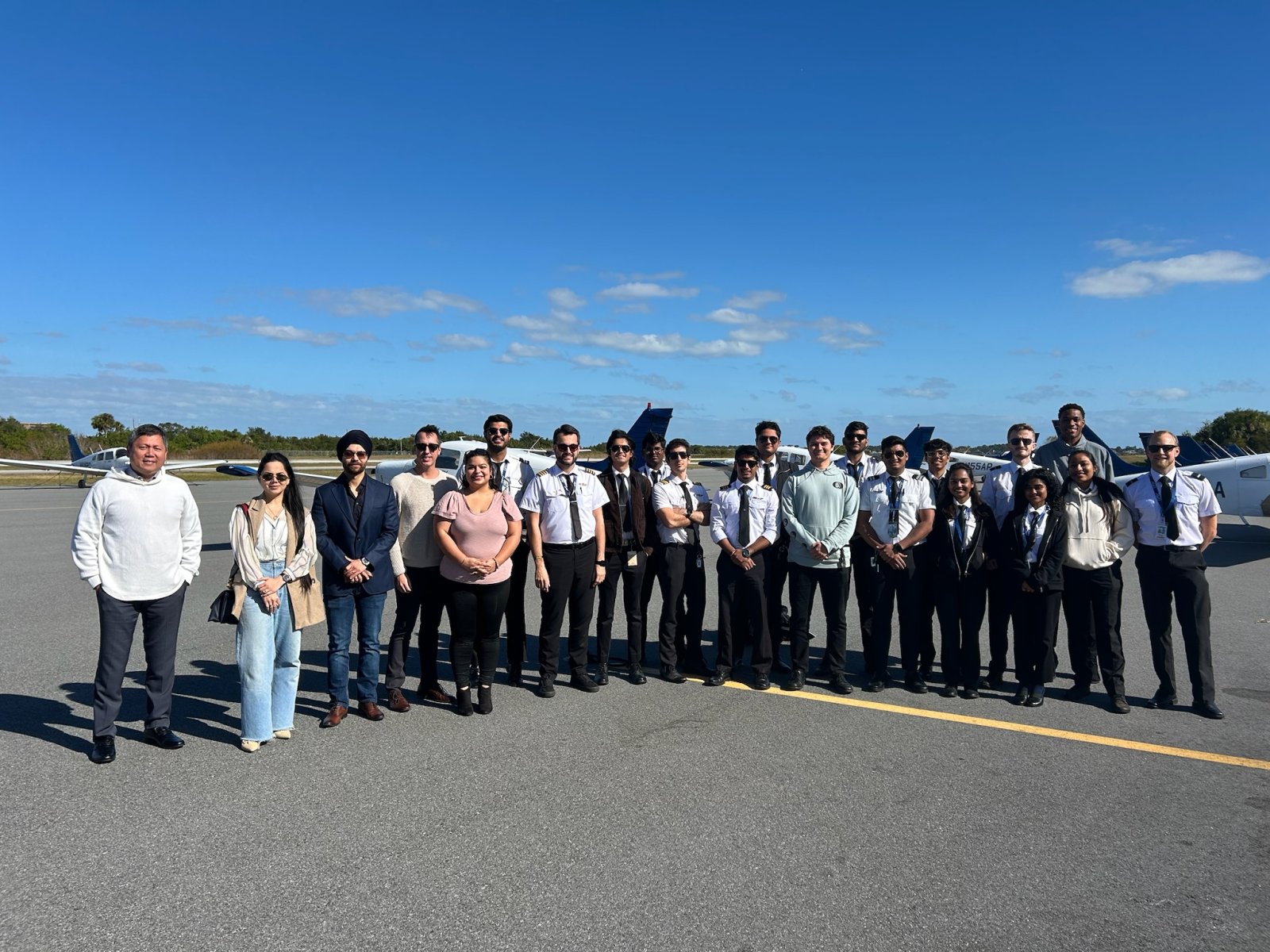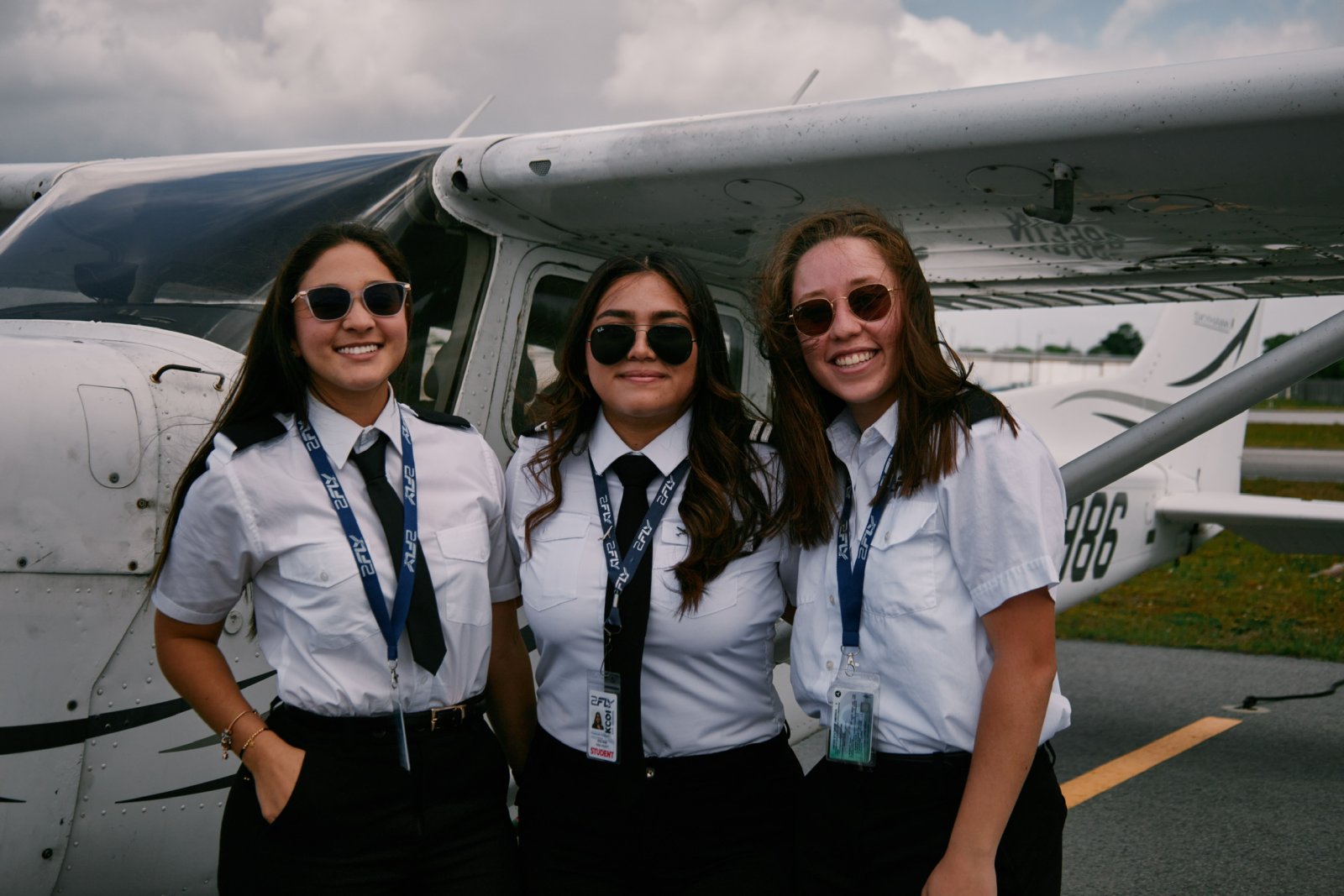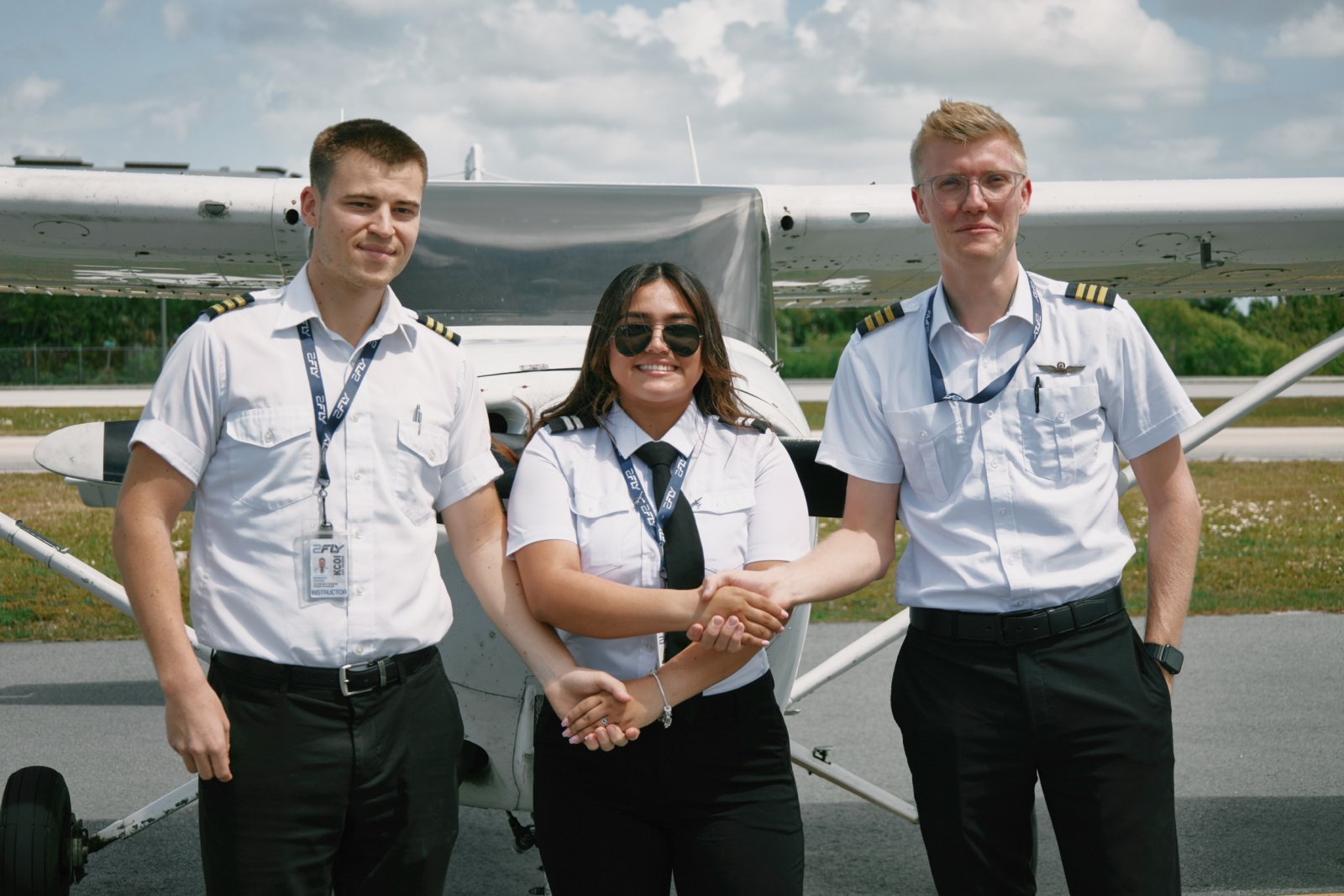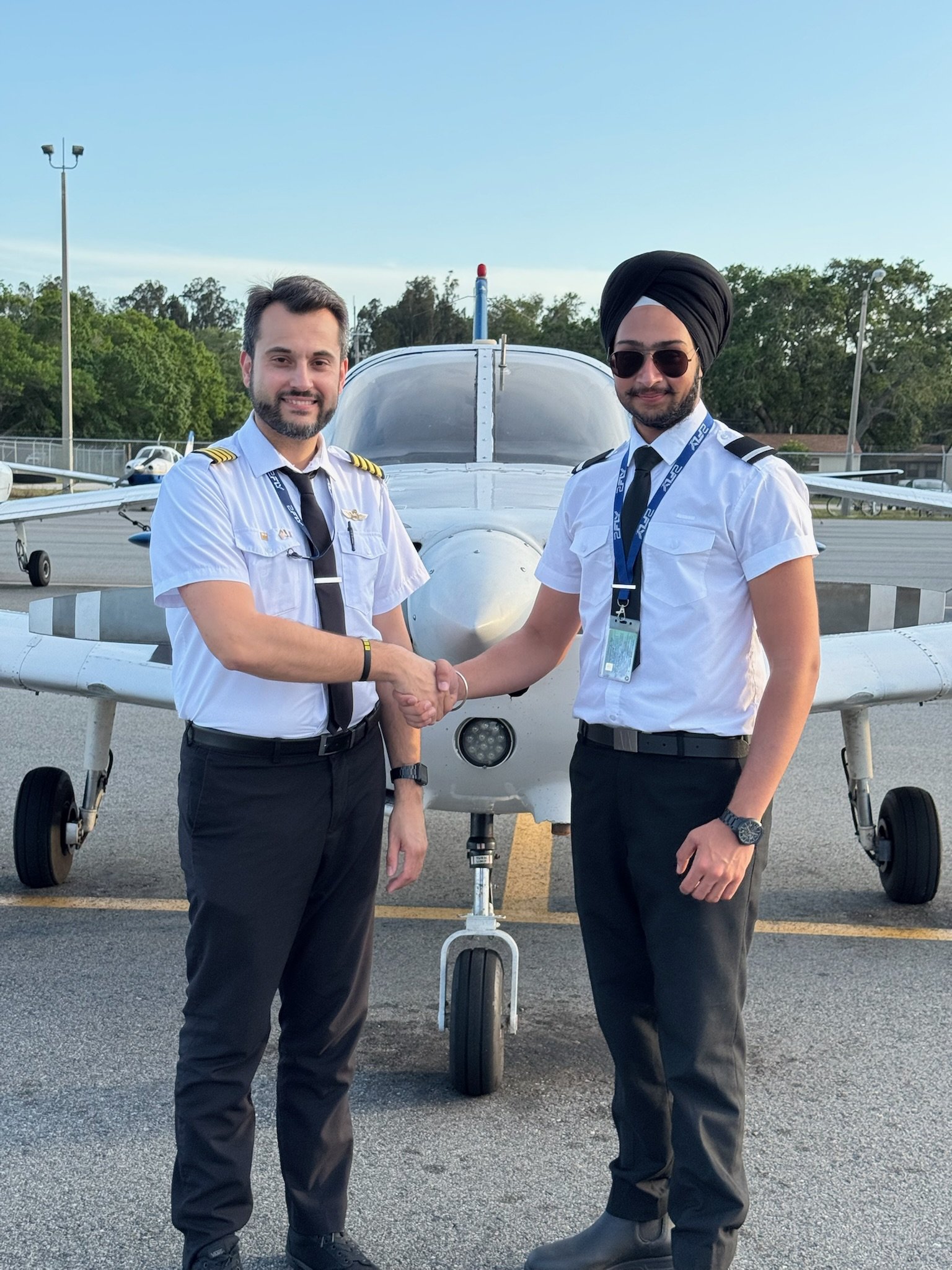
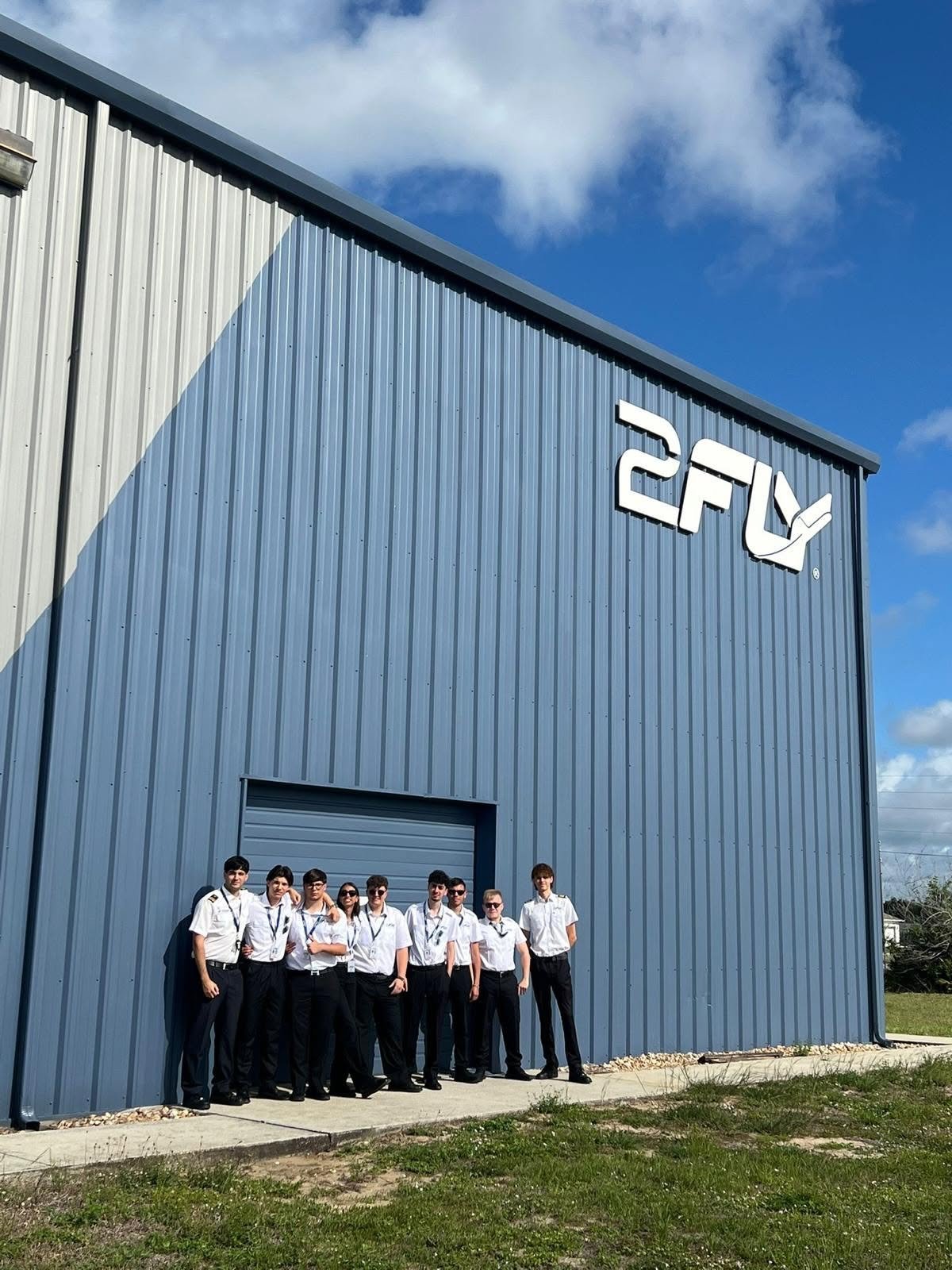
Imagine standing on a sun-drenched flight line in Florida, looking at a fleet of aircraft that represents your ticket to a global career. You know that earning an FAA license is the gold standard for pilots worldwide, but finding the right faa pilot program for international students often feels like a complex flight plan. Between M-1 visa paperwork and the fear of unexpected costs, many aspiring aviators hesitate before they ever reach the cockpit.
It’s natural to feel overwhelmed by the transition from your home country to a professional flight deck. This guide simplifies that journey, showing you exactly how to secure your credentials and turn your ambition into a commercial reality. We’ll help you see past the administrative hurdles to the rewarding profession that awaits you at the highest levels of the industry.
We’ll provide a clear roadmap from zero experience to a multi-engine commercial rating. You’ll gain confidence in the TSA security clearance process and understand how to manage your financial commitment without hidden surprises. This is your definitive gateway to professional mobility, providing the technical mastery and certification required to fly for airlines across the globe.
Key Takeaways
- Understand why the FAA license is the premier global standard for commercial aviation and how it facilitates international career mobility.
- Learn the structured progression of an faa pilot program for international students, taking you from zero experience to a multi-engine commercial pilot certificate.
- Gain clarity on navigating the M-1 visa application and TSA security clearance process with dedicated administrative support from your flight school.
- Discover how to effectively budget for your training using fixed-price tuition structures that eliminate the uncertainty of hidden costs.
- Identify the essential steps to convert your FAA credentials for use in your home country and launch a successful career with global airlines.
Why an FAA Pilot Program is the Global Standard for International Students
An faa pilot program for international students isn’t just a training course. It’s a meticulously designed career path for non-US citizens who want to reach the flight deck of a major airline. This structured approach ensures that every flight hour and ground school lesson builds toward a specific professional goal.
To better understand this concept, watch this helpful video:
The United States offers a unique training environment that combines high-density airspace with advanced aviation infrastructure. This immersion is vital for developing the situational awareness required in commercial operations. It prepares you for the complexities of global airline routes from the very beginning of your journey.
The Global Prestige of FAA Certification
FAA standards set the benchmark for pilot training globally. They align closely with International Civil Aviation Organization (ICAO) requirements, meaning your license is recognized across borders. By training in the U.S., you’re learning within the world’s most robust general aviation environment.
You’ll gain a deep understanding of FAA Pilot Certification Standards, which are respected by every major carrier. This focus on global standards provides the foundation for international professional mobility. It allows you to transition from a trainee to an industry-prepared professional ready for the global market.
An FAA license serves as a global passport for your flight career, granting you the mobility to pursue opportunities in various regions. Airlines value the technical mastery and rigorous testing associated with this certification. It signifies that you’ve met some of the most demanding safety and proficiency requirements in existence.
Professional Pilot Program vs. Modular Training
Choosing a professional pilot program over modular training is a strategic decision. Modular training often follows a pay-as-you-go model, which can lead to gaps in your education. It lacks the momentum necessary for rapid skill acquisition and consistent progress.
A structured program uses a syllabus designed for airline-readiness from day one. This Zero to Hero concept ensures you move seamlessly from no experience to a commercial pilot certificate. It integrates ground school and flight hours to maximize your efficiency during your time in the United States.
This approach is about more than just flying; it’s about developing the professional discipline required for a life in the cockpit. Elite programs serve as the definitive gateway to an international career. This direct pipeline to employment is why so many high-achievers choose a dedicated faa pilot program for international students.
The FAA Professional Pilot Curriculum: From Zero to Commercial Certification
How do you transform from a student into a commercial aviator? A professional faa pilot program for international students provides a seamless, goal-oriented progression. It integrates ground school theory with flight training to ensure maximum efficiency and technical mastery. This structured approach follows the FAA’s Guide to Becoming a Pilot, ensuring you meet every regulatory milestone with precision.
Modern training centers utilize state-of-the-art simulators to bridge the gap between the classroom and the cockpit. These advanced devices allow you to master complex procedures and emergency scenarios without leaving the ground. It’s a safe and effective way to build the muscle memory required for high-stakes commercial operations. This technology ensures you’re prepared for the transition from single-engine trainers to multi-engine aircraft.
Core Ratings: PPL, IR, and CPL
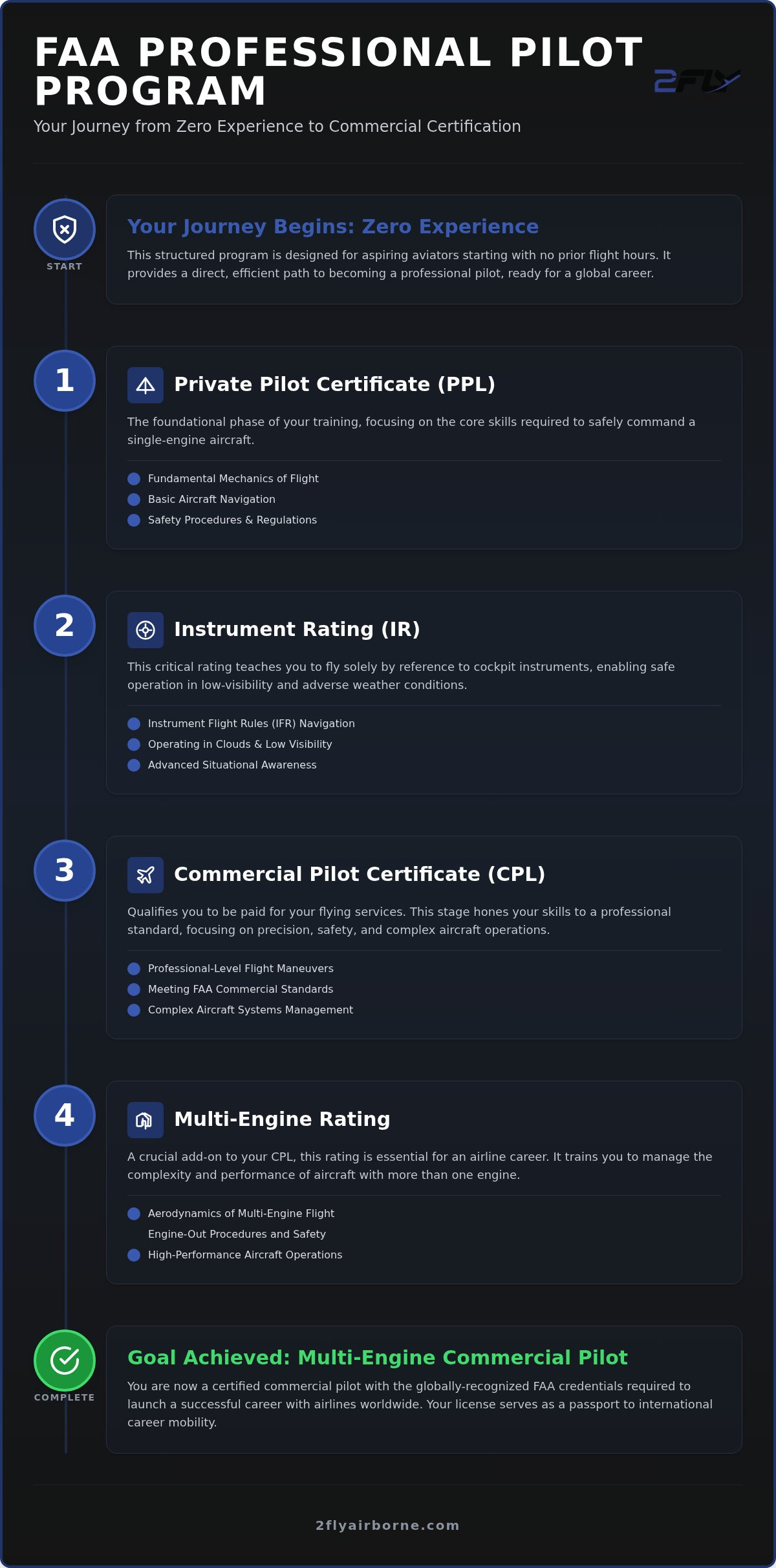
The journey begins with the Private Pilot Certificate (PPL). This foundational phase focuses on the fundamental mechanics of flight, basic navigation, and safety protocols. It’s the essential starting point where you gain the confidence to handle an aircraft solo and understand the physics of flight.
Next, you’ll tackle the Instrument Rating (IR). You’ll learn to navigate solely by reference to flight instruments, a skill that is vital for flying through clouds or in low-visibility weather. Airlines demand this rating because it demonstrates you can operate safely in the world’s most challenging environments. It marks your transition from visual flight to professional instrument operations.
The Commercial Pilot Certificate (CPL) represents your final transition to professional-grade flight standards. You’ll refine your maneuvers and learn the legal and operational requirements for flying for compensation. For a deeper look at these specific requirements, consult this Commercial Pilot License Guide.
Advanced Training: Multi-Engine and CFI Options
Most airline flight decks feature multiple engines, making the Multi-Engine Rating (ME) a critical career milestone. You’ll learn to manage more complex systems and master the aerodynamics of engine-out procedures. This rating is often what distinguishes an entry-level pilot from an industry-prepared professional ready for international recruitment.
Building the flight hours necessary for a major carrier can be a challenge. The Certified Flight Instructor (CFI) path offers a unique opportunity to build professional hours while sharing your passion for aviation. Many high-achievers choose an faa pilot program for international students that includes these instructor ratings to accelerate their career entry. It’s a proven method for solidifying your technical knowledge and preparing for the responsibilities of a First Officer.
The 2FLY FAA Airline Pilot Program integrates these advanced ratings into a single, cohesive syllabus. This ensures you move through your training with momentum and purpose. If you’re ready to start your journey, consider speaking with a training advisor to map out your specific timeline.
Navigating the Visa and TSA Security Process for Flight Training
Entering the United States for an faa pilot program for international students involves more than just a passion for aviation. The administrative requirements can feel daunting, but they’re a necessary step in securing your professional future. We act as your primary mentor and sponsor, guiding you through every regulatory hurdle with expert precision.
Your journey starts with the Form I-20, a document issued by an FAA-approved academy that confirms your acceptance into a full-time vocational program. This form is the cornerstone of your visa application. It proves to the U.S. government that you have a structured path toward your commercial pilot certificate and the necessary support to succeed.
Complying with federal regulations is a non-negotiable part of your vocational preparedness. These protocols are designed to maintain the highest levels of safety and security within the national airspace. By following this methodical process, you demonstrate the discipline and reliability required of an industry-prepared professional.
Securing Your M-1 or F-1 Student Visa
The first stage of your international transition is obtaining the correct student visa. For most accelerated flight training, the M-1 vocational visa is the standard requirement. This process involves several critical steps that require careful attention to detail.
- Step 1: Apply to an FAA-approved flight academy. Once your application is reviewed and accepted, the school will issue your I-20 form.
- Step 2: Pay the mandatory $350 SEVIS I-901 fee online. Afterward, you’ll submit your DS-160 application, pay the $185 visa fee, and schedule your interview at the nearest U.S. Embassy or Consulate.
- Step 3: Attend your interview prepared to demonstrate your financial capability and your clear intent to return home. Consular officers want to see that you have a solid plan for your global aviation career.
The TSA Flight Training Security Program (FTSP)
In addition to your visa, you must clear a mandatory background check through the TSA. This security threat assessment ensures that all international flight students meet rigorous safety standards. You’ll need to submit an application through the FTSP portal and pay a $130 processing fee.
The process also requires you to submit fingerprints at an authorized collection site. Once the TSA processes your data and conducts its review, you’ll receive a ‘Permission to Initiate Training’ notification. Training cannot begin until all approvals are in place and your flight school has verified your status.
Managing these requirements is much simpler with a dedicated administrative team behind you. If you’re feeling uncertain about the paperwork, the FAA Professional Pilot Program at 2FLY includes comprehensive support to keep your training on schedule. Our experts ensure that you can focus on technical mastery while we handle the procedural details.
Planning Your International Training: Costs, Logistics, and Housing
Moving across the world for an faa pilot program for international students is a major commitment. You need certainty in your budget and your living environment to succeed in this high-stakes career. Understanding the financial commitment from day one allows you to fly with confidence. This phase of planning is where many candidates feel the most pressure, but a structured approach eliminates the guesswork.
Choosing a location with a favorable climate is a strategic decision for your training timeline. Florida’s consistent weather allows for a high-frequency training schedule, ensuring you don’t lose momentum due to seasonal delays. This reliable infrastructure is why the region remains the premier global hub for professional flight training. It provides the high-density airspace experience necessary for airline readiness.
Fixed-Price Tuition vs. Hourly Rates
The primary financial risk for international students is the uncertainty of hourly rates. Pay-as-you-go models often lead to unexpected cost overruns if you require additional training hours to reach proficiency. Fixed-price programs protect your investment by providing a clear, upfront cost for your entire certification path.
These comprehensive packages typically include flight hours, ground school, and administrative processing fees. This level of transparency is essential for international budgeting and visa financial evidence. For a detailed breakdown of these expenses, explore our Flight School Cost Guide.
Residential Life and Student Support
Managed student housing is a key differentiator for high-achievers. Living on campus places you in a professional aviation environment 24/7, surrounded by peers who share your drive and passion. This immersion fosters a community of support that is vital during the intensive phases of your training.
2FLY’s residential accommodation ensures you have a stable, comfortable base just minutes from the flight line. You won’t have to worry about local leases, utility setups, or transportation logistics, allowing you to focus entirely on your technical mastery. This integrated approach is designed to transition you from a trainee to an industry-prepared professional with minimal distraction. It offers the exclusivity and preparedness that high-achievers value in an elite institution.
Take the first step toward your global career by reviewing the FAA Professional Pilot Program details today.
Launching Your Global Aviation Career with 2FLY Airborne
Completing your training isn’t just an academic milestone; it’s the moment you step into a high-responsibility profession. An faa pilot program for international students provides the technical mastery needed to command commercial aircraft on a global scale. You’ll transition from the flight line in Florida to the flight decks of international carriers with the confidence of an industry-prepared professional. This journey transforms your passion into a stable, world-class career.
Safe and structured training remains the most critical factor for successful airline placement. Carriers value the rigorous standards of an FAA-certified curriculum because it ensures you’ve mastered complex maneuvers and emergency procedures. This vocational preparedness is what makes you a competitive candidate in the global recruitment network. 2FLY’s global footprint supports you long after you’ve earned your commercial pilot certificate, connecting you with opportunities across the industry.
The Future of Global Aviation Demand
The industry’s growth offers unprecedented opportunities for those with the right credentials. The 2025 Boeing Pilot and Technician Outlook projects a demand for 660,000 new pilots globally through 2044. This massive requirement spans diverse markets, from the expanding routes in Asia to the established networks in Europe. Your FAA certification acts as a global passport, allowing you to move between regions as market demands shift.
Next Steps: Connecting with a Training Advisor
Every pilot’s journey is unique, which makes personalized guidance essential for your enrollment. A training advisor can help you navigate the specific documentation requirements for your home country and the U.S. visa process. They’ll ensure your transition is seamless and your training schedule is optimized for your career goals. This supportive mentorship is a hallmark of an elite institution that remains accessible to driven candidates.
Don’t let the complexity of international logistics hold you back from your ambition. Preparing your documentation now sets the stage for a successful application and a timely start to your training. Reach out to a 2FLY Training Advisor to discuss the FAA First Officer Program and take your first step toward the cockpit. They’re ready to answer your questions about degree programs or financing options to fuel your progress.
Taking Command of Your Professional Future
Earning your wings through an faa pilot program for international students is a strategic investment in a career defined by global mobility. By choosing a structured path over modular training, you ensure that your progression from the classroom to the cockpit is efficient and purposeful. This disciplined approach is the definitive gateway to reaching the highest levels of the aviation profession.
We provide the stability you need through Fixed-Price Career Pilot Programs and dedicated international student visa support. With on-campus housing included, you can immerse yourself in an elite training environment designed for high-achievers. This integrated support system ensures that your focus remains entirely on mastering the skills required for airline placement.
Ready to start your international aviation journey? Reach out to a 2FLY Training Advisor today to discuss your enrollment and visa options. We look forward to supporting your transition into the professional pilot community and answering any remaining questions you may have.
Frequently Asked Questions
Can international students attend flight school in the USA?
International students can certainly attend flight schools in the U.S. provided the academy is SEVP-certified to issue the necessary I-20 forms. This documentation allows you to apply for a vocational or academic visa at a U.S. Embassy. You must also successfully clear a TSA security threat assessment before your flight training begins. This combination of immigration and security clearance ensures you’re legally authorized for an faa pilot program for international students.
What visa do I need for an FAA pilot program?
You typically need an M-1 vocational visa for accelerated training. If you’re pursuing an aviation degree at a university, you may require an F-1 academic visa instead. Both visas require you to obtain an I-20 form from your chosen academy and pay the mandatory SEVIS I-901 fee. These documents prove your enrollment in a full-time, structured path toward your commercial pilot certificate and are essential for your embassy interview.
How long does it take for an international student to become a pilot?
A full-time, accelerated program generally takes between 10 and 12 months to complete from zero experience to a commercial multi-engine rating. This timeline depends on your personal progress, local weather conditions, and the frequency of your flight lessons. While FAA regulations set minimum hour requirements, most high-achievers find that a dedicated, year-long immersion provides the technical mastery needed for professional readiness. It’s a steady pace that feels both exciting and methodical.
Can I work in the US while attending flight school on an M-1 visa?
M-1 visa holders aren’t permitted to work while they’re studying in the United States. The primary purpose of your stay is to complete your vocational training within a specified timeframe. After graduation, you might be eligible for a limited period of practical training related to your studies, but this requires specific authorization. It’s essential to consult with your 2FLY Training Advisor to understand the employment restrictions and opportunities associated with your visa status.
Do I need to speak perfect English to join an FAA pilot program?
Do I need to speak perfect English to join an FAA pilot program?
You must demonstrate that you have sufficient funds to cover your tuition fees, housing, and living expenses for the duration of your program. This financial evidence is a requirement for the issuance of your I-20 form and your visa interview. The exact amount varies based on the length of your training and your personal spending habits. Providing clear bank statements or sponsorship letters helps establish your financial capability to the consular officers.
Is housing provided for international students at 2FLY Airborne?
Yes, on-campus residential accommodation is a standard feature of our professional programs for global students. Living on campus allows you to remain immersed in a professional aviation environment 24/7 with your peers. This proximity to the flight line eliminates the logistics of daily commuting and allows you to focus entirely on your training syllabus. It’s a key differentiator that ensures a stable and world-class setting for your professional development.
What happens after I finish my FAA pilot training in the US?
After finishing an faa pilot program for international students, you’ll hold a commercial pilot certificate recognized by airlines worldwide. Many graduates return to their home countries to convert their licenses or seek employment with international carriers. The 2025 Boeing Pilot and Technician Outlook projects a demand for 660,000 new pilots globally through 2044, creating a robust market for industry-prepared professionals. Your U.S. training serves as the definitive gateway to this global demand.
Article by
2FLY Airborne
2Fly Airborne is a professional flight training organization dedicated to developing the next generation of skilled, confident, and safety-focused pilots. With decades of combined aviation experience, our team of certified instructors provides structured, real-world training designed to prepare students for both checkrides and long-term success in the aviation industry.
Content Disclaimer
Some blog content is generated with the assistance of automated tools and may not always be fully accurate or up to date. Please verify all aviation-related information with official sources or a certified instructor. For additional guidance or clarification, we encourage you to contact one of our training advisors at 2Fly Airborne.