
Commercial pilot hours are a starting point, not the airline threshold. According to the Federal Aviation Administration (FAA), the standard Airline Transport Pilot (ATP) certificate eligibility requirement is 1,500 flight hours. A 1500 hour airline pilot time-building program can help you plan the next stage, but the hours you log must also meet applicable experience requirements.
Reaching that milestone takes more than accumulating flight time. You’ll need to understand how flight instruction can build experience, how hour-building packages fit your plan, and which flight-time categories count toward ATP eligibility. Your route depends on the hours and experience you already have, as well as the flying opportunities available to you.
This guide explains how to progress from commercial pilot hours toward ATP eligibility, including the role of CFI work, hour-building packages, and key flight-time requirements. A clear, structured plan can help you make each stage of your training count toward your professional goals.
Key Takeaways
- According to the Federal Aviation Administration, the standard ATP eligibility threshold is 1,500 flight hours, so plan your time-building around both total time and the experience categories you need.
- Track cross-country, night, and instrument time separately; the Federal Aviation Administration lists 500 hours of cross-country flight time for ATP eligibility.
- CFI work can help you build experience while teaching, but instructor employment is not automatic. Consider how the role, student flying activity, and your schedule fit your plan.
- A qualifying four-year aviation degree may provide a different route: according to the Federal Aviation Administration, eligible pilots may qualify for a Restricted ATP at 1,000 hours.
- Compare hour-building options by how they support structured, eligible flight time, then map your next training step from your current certificates and logged experience.
Building hours as a certified flight instructor
After commercial training, a flight instructor role can combine structured teaching with logged flight experience. Plan for total time, required experience categories, monthly flying opportunities, and career development.
FAA Certificate Hour Requirements
A Commercial Pilot Certificate is an important milestone for pilots building experience toward an airline career. According to the Federal Aviation Administration, aspiring airline pilots in the United States generally need approximately 1,500 flight hours to be eligible for airline employment.
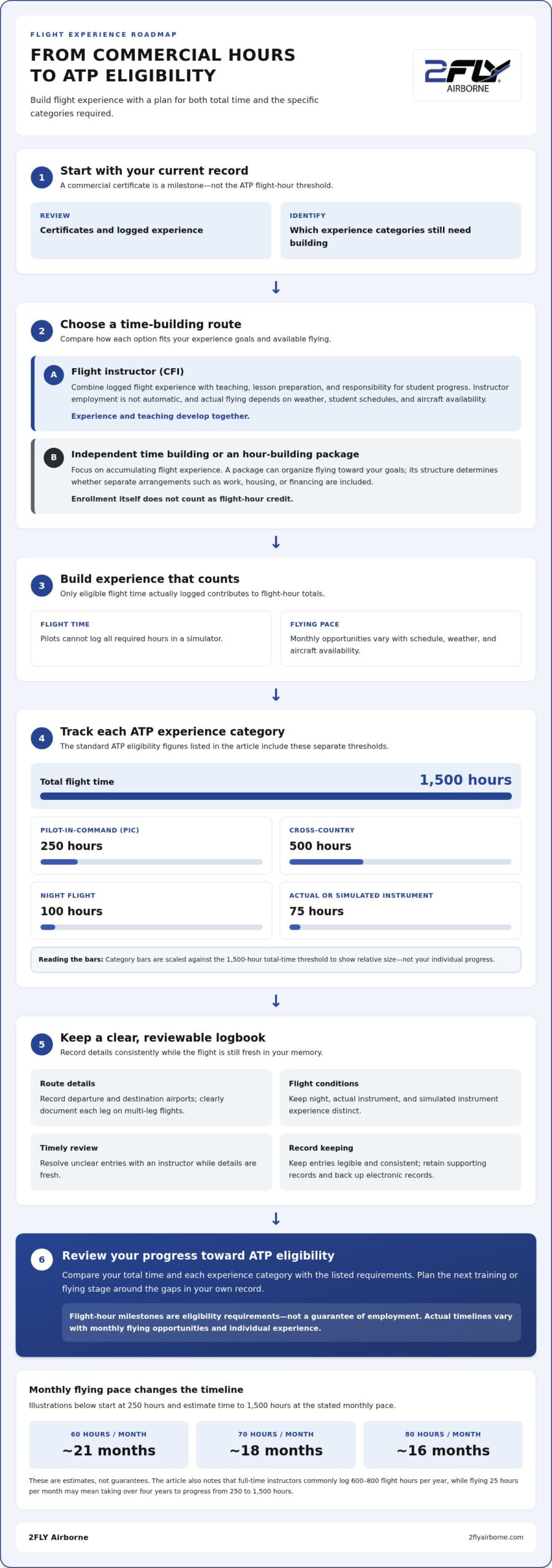
The ATP experience breakdown also includes 250 hours as pilot-in-command (PIC), according to the Federal Aviation Administration. It lists 100 hours of night flight and 75 hours of actual or simulated instrument time for ATP eligibility. Track each category in your logbook, not only total flight hours.
Monthly Flight Targets and Timeline
ATP eligibility requires 100 hours of night flight; flight instructors can often log 60 to 100 hours, though weather, student schedules, and aircraft availability shape actual flying. At 60 hours, a pilot starting with 250 hours would need about 21 months to reach 1,500; at 70 hours, about 18 months; at 80 hours, about 16 months.
These estimates show how a consistent monthly target affects the timeline. Full-time instructors commonly log 600 to 800 flight hours per year, while instructors flying 25 hours per month may take over four years to progress from 250 to 1,500 hours.
CFI Path Compared With Time Building
CFI work combines hour building with teaching, lesson preparation, and responsibility for student progress. Instructors may fly 2-4 hours a day with multiple students, and typical annual salaries at busy flight schools range from $30,000 to $50,000.
Independent time building focuses on accumulating flight experience rather than teaching. Which U.S. flight schools offer 1,500-hour pilot time-building programs? Schools offer different instructor and hour-building routes, but no verified list establishes which ones offer a dedicated program. Cadet programs may connect training with a defined airline pathway, while independent programs center on building experience without that structure.
Program Options and Flight-Hour Credit
What flight-hour credit do pilots earn in each program? Credit comes from eligible flight time actually logged, not simply program enrollment; pilots cannot log all 1,500 required hours in a simulator. A flight instructor route builds experience while teaching, while an hour-building package organizes flying toward the pilot’s goals.
Do time-building programs provide paid work, housing, or financing? These are separate arrangements, not flight-hour credit, and a program’s structure determines whether they are included. What are the eligibility requirements and application steps? Applicants should organize their certificates, logbook, and experience record, then follow the program’s stated application process. Explore how an FAA airline pilot training program can fit into a structured career plan.
ATP cross-country, night, and instrument hour requirements
Meeting experience-category requirements takes more than reaching a high total in your logbook. Record each flight’s conditions and purpose clearly so you can substantiate the experience you report.
Cross-country experience
According to the Federal Aviation Administration, ATP eligibility requires 500 hours of cross-country flight time. This is a distinct experience category, so total flight time alone doesn’t show whether you’ve met it.
Record each route with its departure and destination airports, and keep the details legible and consistent. For flights with multiple legs, record each one clearly instead of relying on memory later. Well-organized entries make your experience easier to review when you prepare an application.
Night and instrument experience
Night flying and instrument flying involve different conditions and skills. A night flight may take place under visual conditions, while instrument experience involves flying by reference to instruments. Make the type of experience clear in each logbook entry.
For instrument training, distinguish actual from simulated conditions in your records. A certified flight instructor can help you review whether your entries accurately describe each flight. Clear descriptions also help you identify what you learned, rather than recording duration alone.
Track each category as you build time
Use a consistent logbook method from the start. Enter flights promptly, check that routes and conditions are recorded, and resolve unclear details while they’re fresh. If you use electronic records, keep a backup and make sure the entries stay readable.
- Record route details and the flight conditions accurately.
- Keep night and instrument experience descriptions distinct.
- Review unclear entries with an instructor while details are fresh.
- Retain supporting records alongside your logbook.
This approach gives you a coherent experience record, not just a total-hour figure. For example, before an ATP application, review your entries for clarity before relying on category totals.
Make the record useful for your next step
Use your flight records to explain the experience behind your qualifications. A clear, consistent logbook can support conversations with instructors and help you plan training around your career goals. Review the way an airline pilot training program fits your preparation and future direction.
Challenges of guaranteed CFI employment
A CFI position can combine teaching with flight-hour building, but read any job promise carefully. A school’s hiring capacity depends on instructor demand, student enrollment, aircraft access, and its training schedule.
Why employment guarantees face limits
Consider the school’s ability to employ graduates over time. In one example, a school hiring every graduate as an instructor would need to grow fivefold each year. Starting with five students, the example projects growth to 3,125 students within five years.
This illustrates why a guaranteed job offer depends on more than an individual’s rating. Enrollment, instructor turnover, and operational capacity all affect a school’s ability to hire. Ask what the guarantee means in practice: a conditional offer, an interview, or employment after meeting stated criteria.
What to review in the employment terms
Read the written agreement before including a CFI role in your career plan. Identify hiring conditions, such as completing training, earning the required instructor rating, or meeting school standards. Check how the agreement defines start dates and work expectations, and what happens if either side changes plans.
Keep training and employment commitments separate. A program that trains students to become flight instructors does not, by itself, establish a job offer. Keep copies of the agreement and any written changes, and compare each promise with the actual terms.
Safety and work considerations
What safety, contract, and employment risks should pilots consider? Review how the school handles weather decisions, aircraft maintenance concerns, instructor workload, and safety reporting. In the contract, identify employment conditions and exit terms. For the job, distinguish a confirmed position from a conditional promise.
Teaching also takes preparation beyond the flight itself. A private pilot student may need ground instruction, lesson planning, and post-flight feedback, so clarify how these duties fit the expected schedule. Pay attention to fatigue and pressure to meet hour goals, especially when teaching and flying share the same day.
Practical steps before accepting
Use a short review process before relying on a guaranteed CFI position:
- Request the employment promise in writing, with its conditions clearly stated.
- Confirm which instructor rating and training milestones the role requires.
- Ask how student assignments and teaching duties are arranged.
- Review safety reporting procedures, weather decisions, and aircraft concerns.
- Compare the promised work with your regional airline career timeline and hour-building plan.
These steps help distinguish practical career support from assumptions. A clear agreement, realistic staffing plan, and safety-first teaching culture matter as much as the headline promise.
Progression from commercial pilot hours to ATP minimums
After earning a commercial pilot certificate, choose a path that builds relevant experience and supports your long-term career goals. The decision is not simply where to fly, but which pathway fits your qualifications, preferred work, and potential eligibility for a Restricted Airline Transport Pilot certificate.
Plan around your qualifications
Review your certificates, education records, and flight experience together. This gives you a clear picture of the qualifications you hold and the pathway that may suit your circumstances. Keep relevant records together and note questions about how specific training or education applies to your plans.
Next, compare the work available to you. A flight instructor role develops teaching experience, while other flying positions may offer different operational exposure. Consider the aircraft, duties, and professional skills involved, not only how a role contributes to career progression.
Understand Restricted ATP pathways
Some qualifying aviation-degree pathways may allow pilots to apply for a Restricted Airline Transport Pilot certificate at reduced flight-hour thresholds. According to the Federal Aviation Administration, pilots with a qualifying four-year aviation degree may qualify at 1,000 hours. Pilots with a qualifying two-year aviation degree may qualify at 1,250 hours, according to the Federal Aviation Administration.
These options depend on whether your degree and program meet applicable criteria. Organize transcripts and training records so your education can be assessed alongside your flight experience. A Restricted ATP pathway differs from standard ATP eligibility, so distinguish the two routes in your career plan.
Choose experience with purpose
Which programs offer the best airline hiring pathways or job placement? Programs that describe a progression from training to airline recruitment may suit pilots seeking a structured career route. Compare training milestones, recruitment connections, and stated eligibility criteria instead of relying on a general label such as “airline pathway.”
For any role, consider whether its duties match your goals and build the skills you want to use. An instructor position, for example, involves teaching and student preparation as well as flying. Comparing roles thoughtfully can help you choose experience that supports both your professional development and broader career direction.
Build a practical progression plan
Write down your next milestones, the records each requires, and the experience you want from your next role. Keep education documents and logbook entries organized, and review your plan when your certificates or career opportunities change. This makes it easier to explain how your qualifications support your chosen pathway.
A deliberate progression connects commercial flying experience with future eligibility and career decisions. Focus on accurate records, relevant experience, and a pathway suited to your qualifications, rather than assuming one route fits every commercial pilot.
How do airline pilot time-building programs work?
A time-building program organizes flying around a pilot’s current experience and future certificate goals. A 1500 hour airline pilot time building program can help create a structured plan for adding eligible flight time and monitoring progress.
Set a starting point and target
Begin with a logbook review. Separate total flight time from categories such as pilot-in-command, cross-country, night, and instrument experience. A pilot starting with 250 hours and aiming for 1,500 needs to plan for the remaining 1,250 hours, while also tracking required experience categories.
Programs may combine hour packages, instructor flying, or training and experience-building flights. A package can help organize aircraft use and scheduling, but enrollment alone does not produce loggable flight hours. You must fly and record eligible time.
Plan flights and monitor progress
A useful plan turns the total into regular checkpoints. Review logbook entries at each 100-hour milestone, compare category totals, and adjust upcoming flights to address gaps. For example, if cross-country experience trails total time, plan routes that contribute to that category rather than repeating local flights.
Weather, aircraft access, and scheduling affect when planned flights take place. A program’s structure can support consistent planning, but no schedule replaces accurate records or sound decisions about whether a flight should proceed.
Know what counts
Flight time and simulator time aren’t interchangeable. Pilots cannot log all 1,500 required hours in a simulator. The Federal Aviation Administration’s eligibility categories distinguish experience such as night, instrument, and cross-country time, so review each entry against the applicable requirement.
Ask how flights are scheduled, what instruction is included, and how logbook progress is reviewed. If a program involves an instructor, clarify whether the flight is instructional or for time building, and what experience you are expected to gain. Keep your own records alongside any program summaries.
Compare program structures
Before choosing a 1500 hour airline pilot time building program, compare its flying format with your certificates and career plan. An hour package may suit a pilot ready to focus on experience accumulation; instructor training adds teaching responsibilities and a separate professional qualification. Neither format automatically guarantees employment or a particular timeline.
- Confirm your starting hours and identify category gaps.
- Review the program schedule and the aircraft time it includes.
- Track logged time and experience categories after each flight.
- Reassess the plan at regular milestones.
For a structured view of the next training stage, explore this airline pilot training pathway and compare it with your current logbook and goals.
2FLY Airborne: FAA Professional Pilot Program
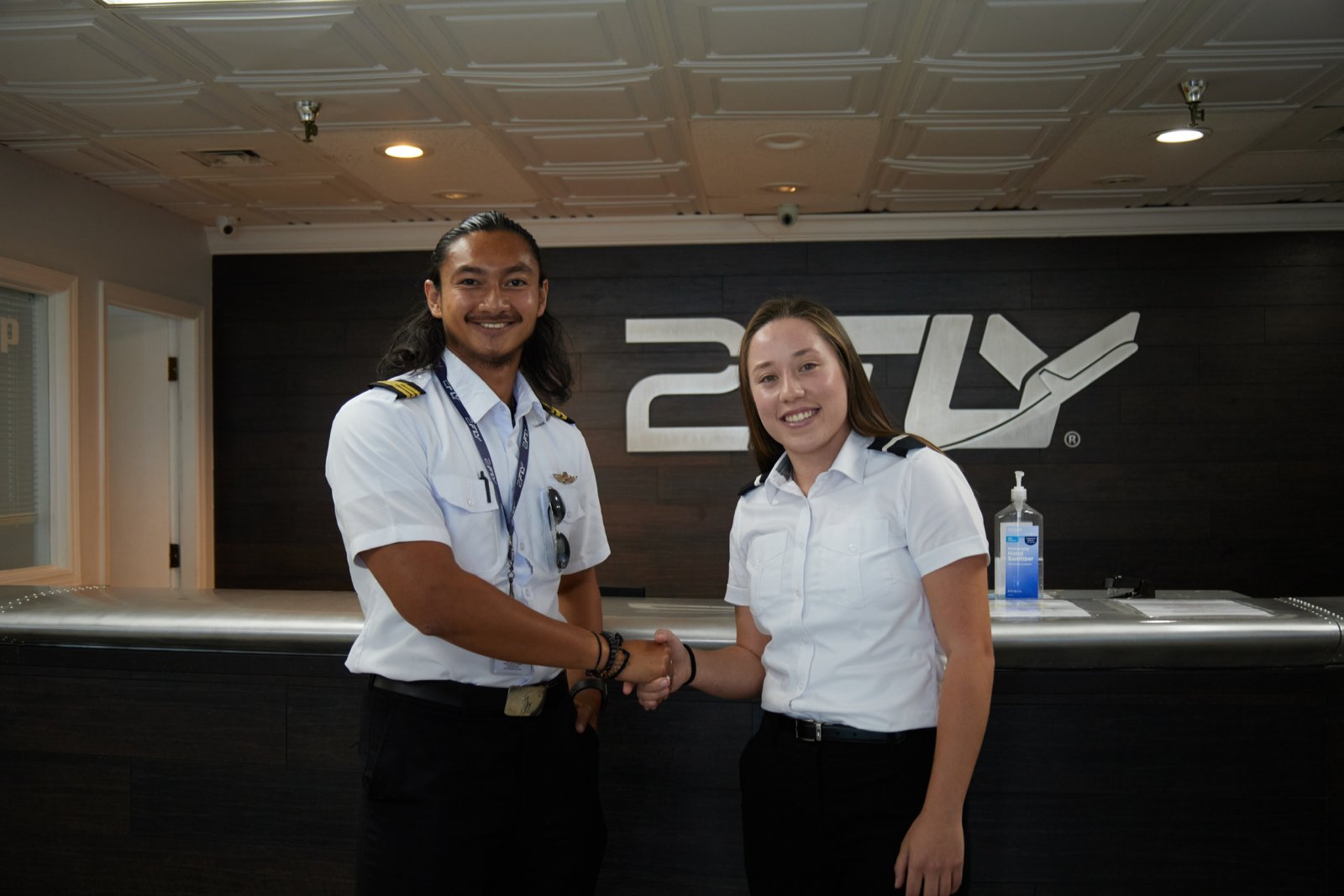
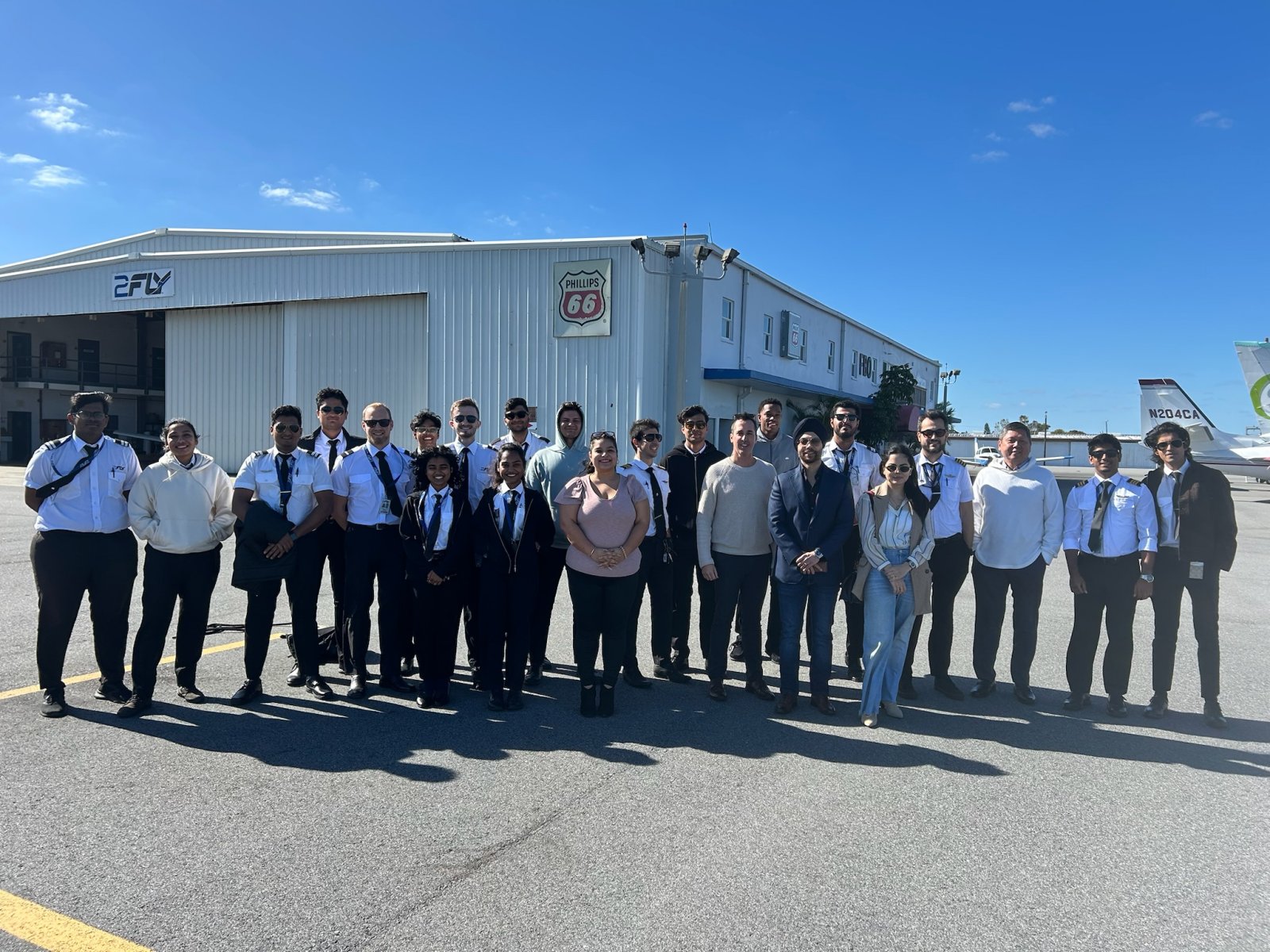
2FLY Airborne’s FAA Professional Pilot Program provides a structured route through the certifications that support a commercial aviation career. It can be a relevant next step if you’re planning your flight training or mapping how to progress from foundational skills to commercial qualifications.
The program includes training for the Private Pilot Certificate (PPL), Instrument Rating (IR), and Commercial Pilot Certificate (CPL). These stages develop skills and credentials before you plan the later experience-building phase. If you already hold certificates or have logged flight hours, consider how your current training fits into your next step.
Review the program alongside your goals, existing qualifications, and experience record. For questions about the FAA Professional Pilot Program or your training pathway, contact 2FLY Airborne.
Turn Your Flight Experience Into a Clear Next Step
Your next decision can shape how effectively your training supports your long-term career. Before committing to a route, consider what kind of flying you want to do, which skills you want to strengthen, and how each opportunity fits your professional goals. A 1500 hour airline pilot time building program should support a deliberate progression, not just add time to a logbook.
Use that perspective to prepare for a focused conversation about your training path. Bring your current certificates, experience record, and questions about the next stage. A 2FLY Training Advisor can help you explore how the FAA Professional Pilot Program may fit your goals and discuss your flight-training questions.
Contact 2FLY Airborne about hour building, and take your next step with purpose and confidence.
Frequently Asked Questions
What is the 1500 Hour Rule?
The “1500 Hour Rule” is a common shorthand for the flight-experience standard associated with the U.S. airline pilot pathway. It doesn’t mean that total time alone establishes readiness or employment eligibility. Pilots should keep records organized by experience category and distinguish meeting certificate criteria from meeting an airline’s hiring requirements. Those are separate steps in a professional aviation career.
What are the FAA 1,500-hour ATP requirements and exceptions?
ATP eligibility involves more than a logbook total: pilots must document the required kinds of flight experience and meet applicable certificate criteria. Restricted ATP pathways depend on qualifying education or other eligible backgrounds. To prepare, gather your certificates, education records, and logbook, then compare them with the route you intend to pursue. Meeting certificate eligibility criteria does not itself promise an airline position.
How long does it take to build 1,500 flight hours through a time-building program?
Your timeline depends on how consistently you log eligible flying, not simply on a program’s advertised schedule. Estimate your pace from recent completed flights, then account for weather, aircraft access, and instructor or student availability. Reassess using actual logbook entries, especially after schedule changes. A steady, safe plan is more useful than an idealized calendar.
How much do airline pilot time-building programs cost in the United States?
Costs vary with program structure and the flying or instruction included. Factors to compare include aircraft use, instructor time, package scope, and planned flight activity. Look at what each option covers and how charges are structured, rather than judging by a headline figure. This helps you match a program to your training needs and budget.
Which programs offer the best airline hiring pathways or job placement?
Cadet programs may connect training to a defined airline pathway, while independent programs focus on building experience without that structure. CFI training does not itself establish a job offer, so review any written hiring conditions.
What are the eligibility requirements and application steps for time-building programs?
Organize your certificates, logbook, and experience record, then follow the program’s stated application process. Flight-hour credit comes from eligible time actually logged, not simply from enrolling.

Article by
2FLY Airborne
2Fly Airborne is a professional flight training organization dedicated to developing the next generation of skilled, confident, and safety-focused pilots. With decades of combined aviation experience, our team of certified instructors provides structured, real-world training designed to prepare students for both checkrides and long-term success in the aviation industry.
Content Disclaimer
Some blog content is generated with the assistance of automated tools and may not always be fully accurate or up to date. Please verify all aviation-related information with official sources or a certified instructor. For additional guidance or clarification, we encourage you to contact one of our training advisors at 2Fly Airborne.