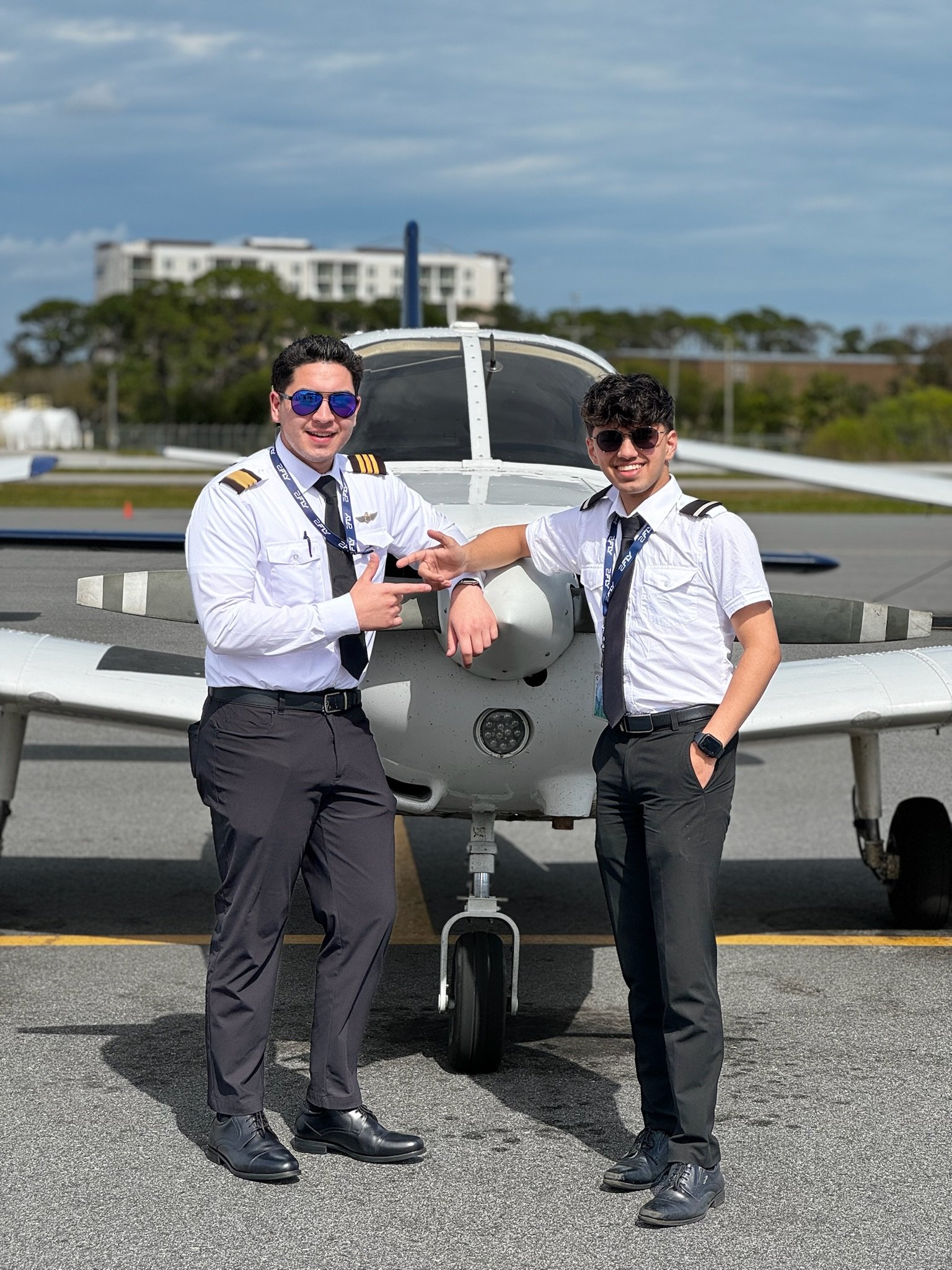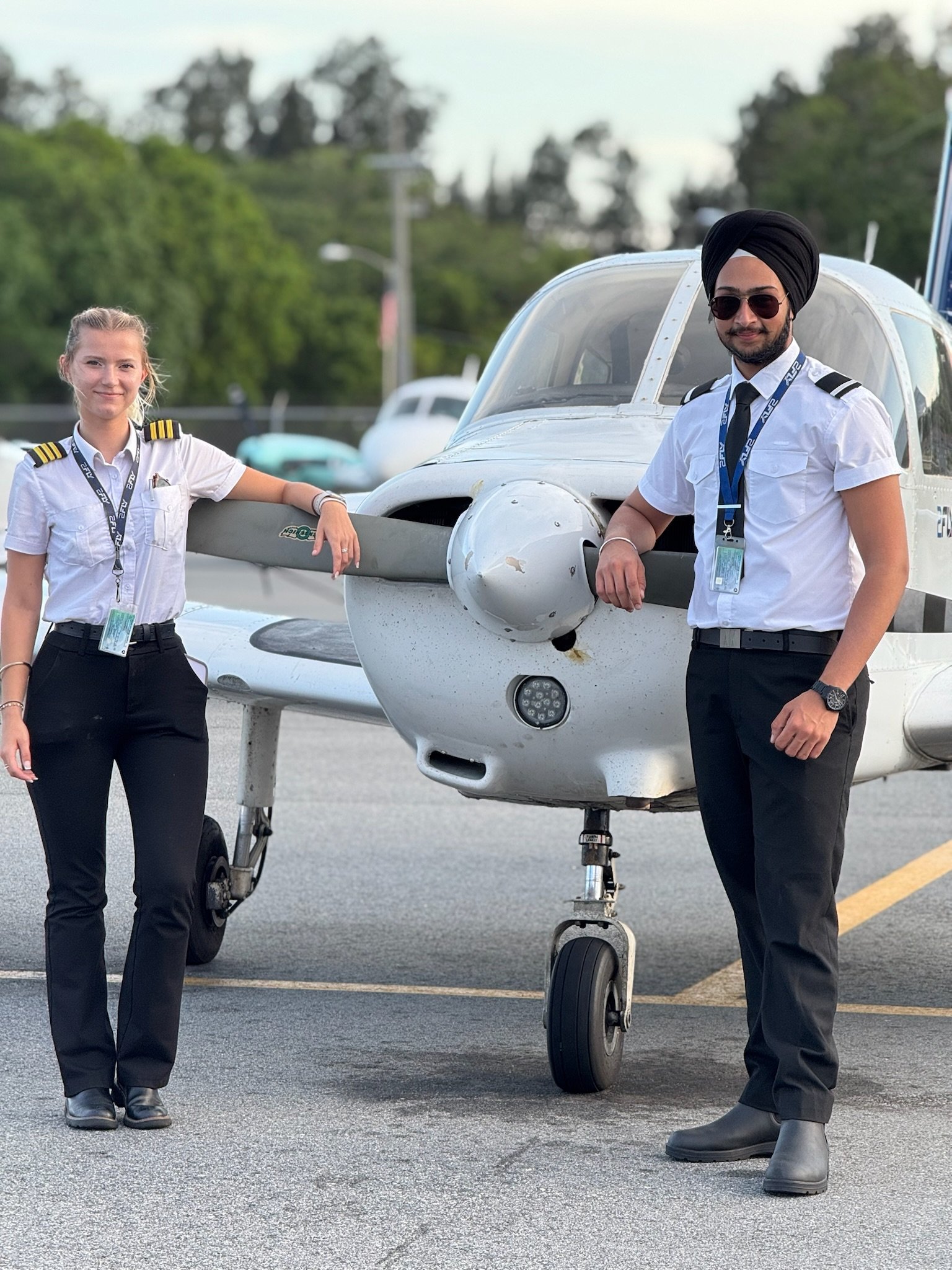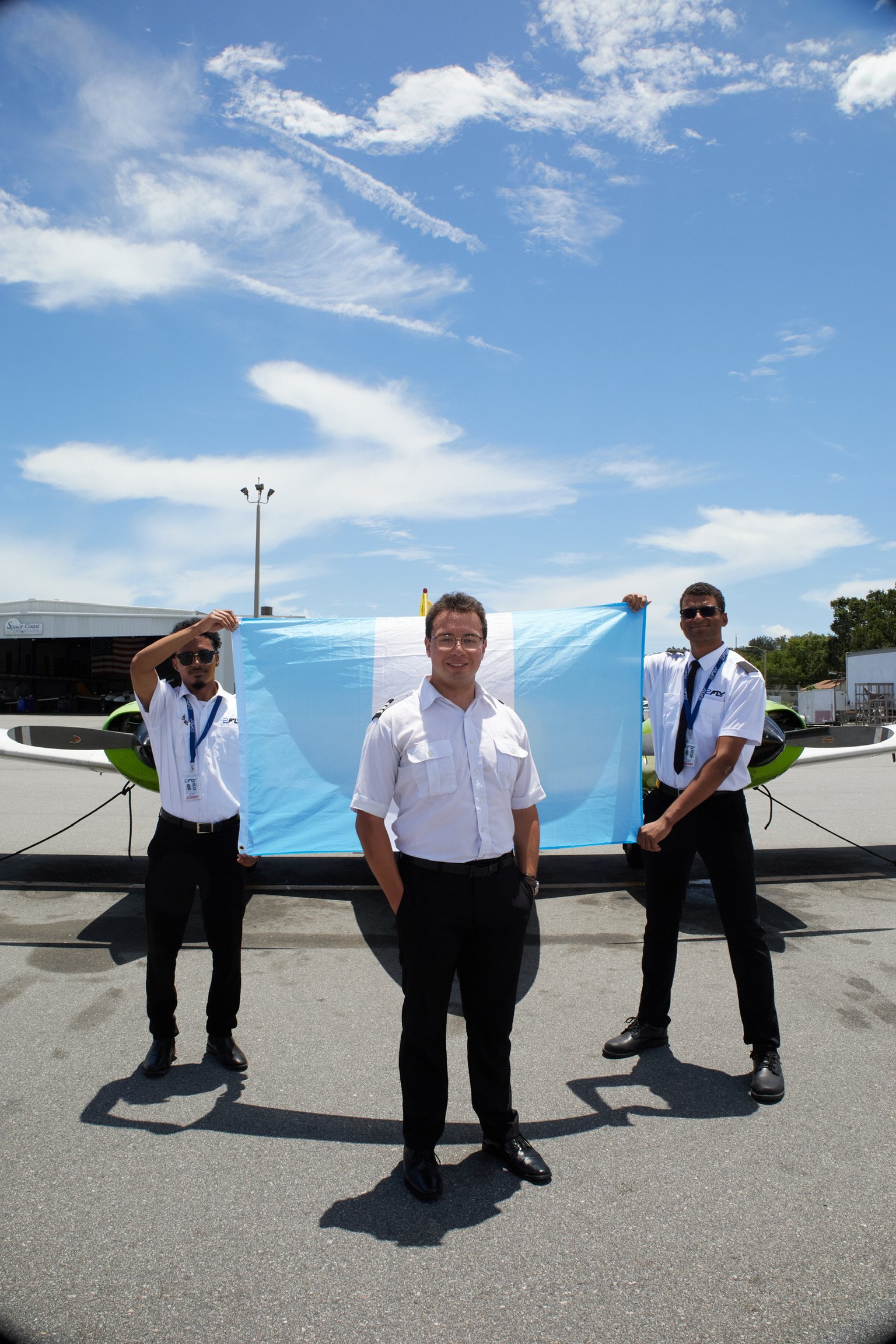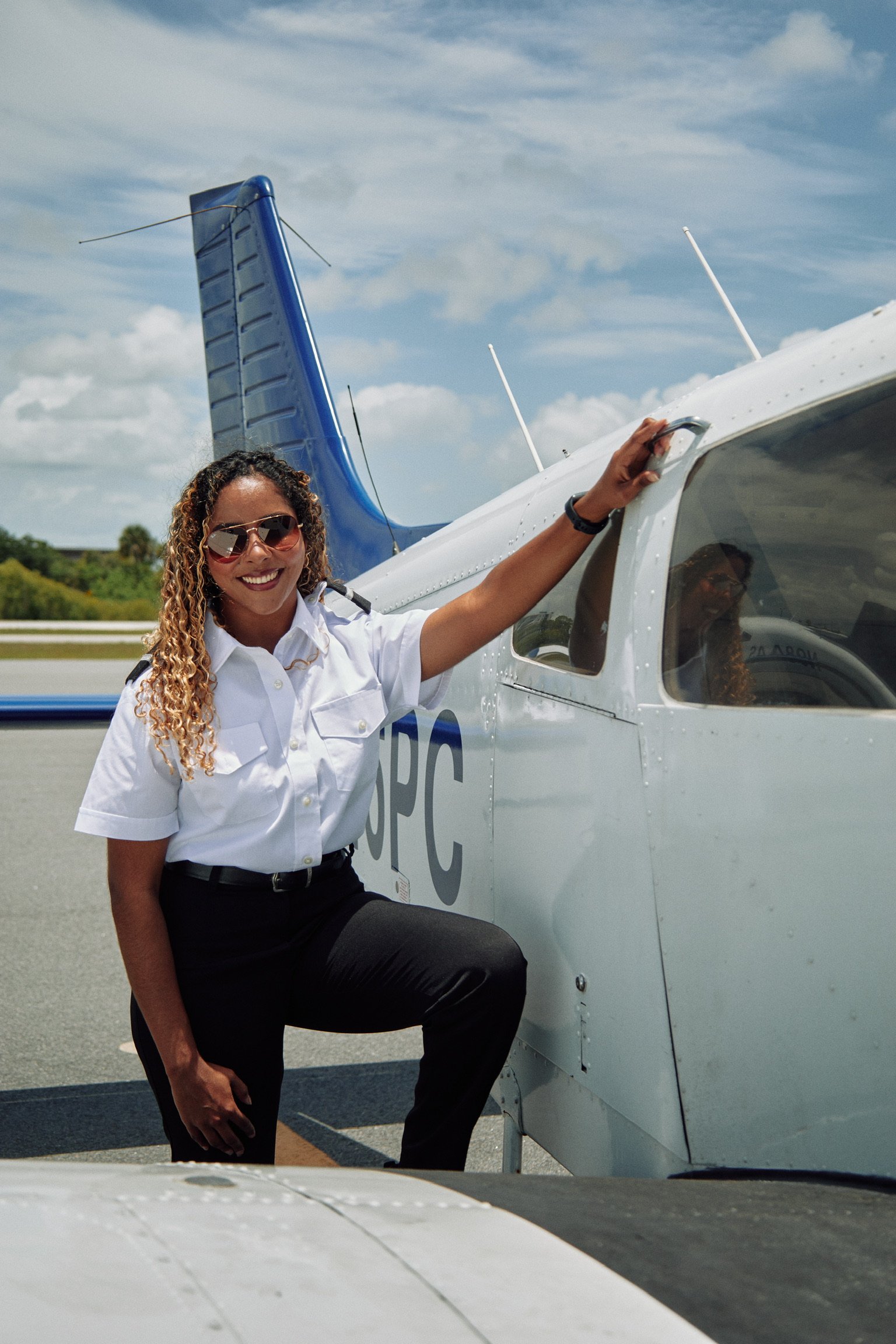
What if your path to the captain’s chair didn’t feel like a logistical puzzle of hidden fees and visa paperwork? Most aspiring aviators spend more time worrying about fluctuating fuel surcharges than they do mastering their maneuvers. Choosing all inclusive pilot training programs allows you to bypass the confusion of piecing together individual ratings and housing on your own.
It’s exhausting to manage the divide between FAA and EASA requirements while trying to coordinate an international move. You deserve a training environment that removes these barriers and lets you focus on your craft. This guide explores a definitive, fixed-price solution that integrates your certifications, housing, and professional mentorship into one seamless journey.
We’ll break down the 2026 landscape of integrated career paths. You’ll discover how to move from zero experience to a commercial airline flight deck with total financial and logistical certainty. Take the first step toward your future. This is your roadmap to a world-class aviation career, built for high-achievers who value technical mastery and a disciplined route to the top.
Key Takeaways
- Understand how all inclusive pilot training programs simplify your career path by combining technical flight training with essential logistical support.
- Learn why an integrated Professional Pilot Program is more efficient than modular training for achieving your Private, Instrument, and Commercial ratings.
- Discover the advantages of a fixed-price tuition model, which provides financial predictability by mitigating common hidden costs like fuel surcharges and exam fees.
- Explore how dedicated on-campus housing and visa sponsorship services allow international students to focus entirely on their professional development.
- Identify the specific career milestones required to transition from a student trainee to a first officer in the global airline industry.
The Evolution of Professional Flight Training: Why All-Inclusive Matters
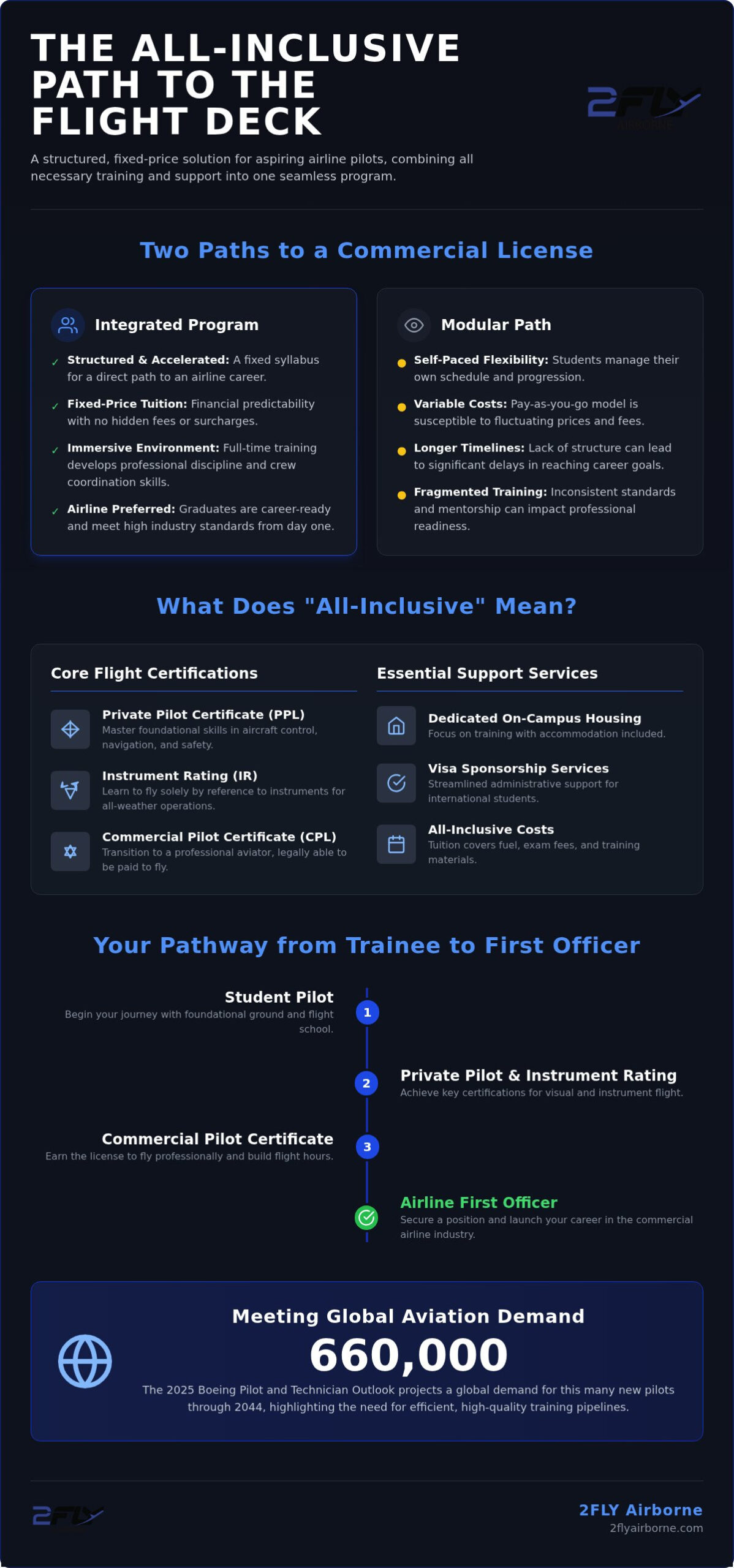
The aviation industry has moved beyond the era where flight training was merely a collection of disconnected milestones. Today, the most efficient route to a commercial flight deck is through all inclusive pilot training programs. These programs are designed as integrated career pipelines rather than simple vocational courses. They align every lesson, flight hour, and administrative step with the specific requirements of major carriers.
Traditional modular training often leaves students to manage their own schedules, instructors, and housing. While flexible, this piecemeal approach can lead to significant delays and inconsistent standards. In contrast, the 2026 integrated model prioritizes career-readiness from day one. Airlines now look for graduates who have been immersed in a professional environment that replicates the high-pressure standards of Part 121 or 135 operations.
The Difference Between Modular and Integrated Training
Choosing between training structures depends on your ultimate career goal. Modular training is typically self-paced and allows students to pay as they go. This works for recreational flyers, but it often lacks the cohesive mentorship required for professional advancement. Integrated training, such as the FAA Professional Pilot Program, offers a full-time, accelerated timeline.
- Modular Path: High flexibility, variable costs, and often longer timeframes to reach commercial minimums.
- Integrated Path: Fixed syllabus, structured progression, and a direct focus on pilot licensing and certification for airline careers.
This structured approach is vital for meeting the industry’s long-term needs. The 2025 Boeing Pilot and Technician Outlook projects a demand for 660,000 new pilots globally through 2044. Meeting this demand requires a pipeline of candidates who can transition seamlessly from training to the cockpit with technical precision.
The Professional Advantage of Full-Time Immersion
A professional academy setting does more than teach you how to fly an airplane. It builds the psychological discipline and crew coordination skills necessary for modern airline operations. By training alongside a dedicated peer group, you develop a professional network that lasts throughout your career. These relationships often lead to mentorship opportunities and employment leads as you progress through the ranks.
Immersion mirrors the rigorous training cycles found at major airlines. You aren’t just learning maneuvers; you’re operating within a standardized system. This consistency ensures that your technical mastery is matched by professional maturity. Modern carriers prefer this background because it reduces the risk of performance issues during airline induction. Choosing all inclusive pilot training programs signifies your commitment to reaching the highest levels of the profession with discipline and expertise.
Decoding the FAA Professional Pilot Program: What is Included?
Success in aviation requires more than just logging hours. It demands a structured progression through specific legal milestones. The FAA Professional Pilot Program provides this structure by bundling every necessary rating into a single, cohesive timeline. This ensures you aren’t just checking boxes but building a professional skill set that exceeds basic FAA requirements.
From Zero Experience to Commercial Certification
Every journey begins with a series of progressive certifications. An integrated academy ensures you master each stage before advancing to the next, maintaining a high standard of safety and proficiency.
- Private Pilot Certificate (PPL): This initial phase establishes your foundational skills in aircraft control, navigation, and safety procedures.
- Instrument Rating (IR): You’ll learn to fly solely by reference to instruments, which is essential for navigating through clouds and poor visibility.
- Commercial Pilot Certificate (CPL): This certification marks your transition to a professional pilot, allowing you to be legally compensated for your services.
In all inclusive pilot training programs, these stages are supported by intensive ground school and state-of-the-art simulators. Simulators allow you to practice emergency procedures and complex scenarios in a controlled, high-fidelity environment. This integrated approach ensures that your theoretical knowledge and practical skills develop at the same pace, preparing you for the rigors of airline operations.
Advanced Ratings and Instructor Courses
For those targeting a seat at a major carrier, the Multi-Engine Rating (ME) is non-negotiable. Most commercial airliners operate with at least two engines, making multi-engine proficiency a core competency. Integrated all inclusive pilot training programs build this rating into the syllabus, ensuring you don’t face unexpected delays or costs later in your journey.
Many students also choose the Certified Flight Instructor (CFI) path. This is a strategic way to build the 1,500 flight hours typically required for an Airline Transport Pilot (ATP) certificate. By teaching others, you solidify your own knowledge while gaining valuable flight time. This role transforms you into a mentor, a quality highly valued by airline recruiters. If you’re ready to map out your specific timeline, you might explore our detailed program curriculum to see how these ratings fit together.
Beyond the Cockpit: Residential and Administrative Support
True professional readiness extends far beyond the controls of an aircraft. An elite training academy functions as a complete ecosystem, removing the friction of relocation and administrative complexity. By choosing all inclusive pilot training programs, you ensure that your energy is spent on mastering flight maneuvers rather than managing international logistics.
What separates a standard flight school from a world-class academy is the infrastructure built to support the student’s daily life. This includes everything from legal residency documentation to a professional living environment. These elements are not mere conveniences; they are essential components of a disciplined training syllabus.
Navigating the M-1 and F-1 Visa Process
For international students, the transition to a U.S. flight school involves significant regulatory oversight. It’s mandatory to attend an institution certified by the Student and Exchange Visitor Program (SEVP). This certification allows the school to issue the Form I-20, which is the cornerstone of your visa application.
Managing these requirements alone is a daunting task. You must account for non-refundable government fees, including the $350 SEVIS I-901 fee and the $185 DS-160 visa application fee. A professional academy provides the administrative framework to handle SEVIS registration and documentation, ensuring your entry into the country is compliant and structured.
The Impact of Professional On-Campus Housing
Relocating for flight training is a major life event that can distract from your educational goals. On-campus housing solves this by providing a stable, secure environment from the moment you arrive. This eliminates the stress of searching for short-term rentals or managing utility accounts in a foreign country.
- Focus: Students can dedicate more time to ground school and flight hours without the burden of a daily commute.
- Community: Living with fellow aspiring pilots fosters a culture of excellence and shared knowledge.
- Efficiency: Residential programs typically see higher graduation rates due to the immersive nature of the environment.
Living within a community of like-minded high-achievers mirrors the collaborative environment of an airline crew room. You’ll engage in peer-led study sessions and professional networking that lasts throughout your career. This level of immersion is a primary feature of all inclusive pilot training programs, transforming the training experience into a definitive gateway for an international career. If you are ready to begin this transition, you can speak with a training advisor to discuss the FAA Professional Pilot Program logistics.
Fixed-Price vs. Pay-As-You-Go: Evaluating Your Financial Strategy
Financial volatility is one of the most significant risks facing student pilots today. While a pay-as-you-go model may seem accessible, it often exposes the trainee to market fluctuations that can derail a career path. Choosing all inclusive pilot training programs provides a level of financial predictability that modular training simply cannot match.
A fixed-price tuition model allows you to focus entirely on your technical mastery. You won’t have to worry about whether a sudden spike in fuel prices will prevent you from completing your next rating. This certainty is essential for high-achievers who view their training as a disciplined investment in a long-term professional career.
The Hidden Costs of Modular Flight Training
Modular training is frequently marketed with lower initial hourly rates, but these figures can be misleading. Fluctuating fuel surcharges and varying aircraft availability often lead to unexpected expenses. If your training is inconsistent, you may also face the “cost of re-learning,” where extra hours are required to regain proficiency after a break in flying.
- Market Volatility: Fuel prices and rental rates can change without notice, impacting your total budget.
- Skill Decay: Part-time training often requires more total hours to reach the same level of proficiency as an intensive program.
- Administrative Fees: Modular students often pay separately for checkride fees, flight materials, and insurance.
These variables make it difficult to estimate the final cost of reaching a commercial license. By contrast, an integrated program bundles these components, ensuring that your financial strategy remains as structured as your flight syllabus.
Budgeting for Success in 2026
A true fixed-price contract should offer comprehensive protection against the rising costs of aviation. This includes covering ground school, simulator sessions, and the core flight hours required for your certifications. Having a clear, total figure makes it significantly easier to explore financing options, as lenders prefer the stability of a structured academy over a piecemeal approach.
You must also plan for the phase after initial certification. Most graduates transition into an “hour building” phase, often as a flight instructor, to reach the 1,500 hours required for airline employment. Integrated programs often provide a seamless transition into these roles, allowing you to earn a living while reaching your next career milestone. The long-term ROI of finishing your training faster is substantial, as it positions you to enter the airline hiring market sooner. If you are ready to evaluate your investment, you can explore our financing resources to see how an integrated path fits your goals.
Launching Your International Career: From Trainee to First Officer
The transition from a student trainee to an airline first officer is a profound transformation of professional identity. By choosing all inclusive pilot training programs, you align your development with the rigorous standards expected by global carriers from day one. This journey isn’t just about accumulating hours; it’s about preparing for the operational complexities of a modern flight deck.
Your training foundation serves as the primary anchor for your entire career. A structured environment ensures that your technical precision and decision-making skills are sharp enough for the high-stakes environment of commercial aviation. This discipline is what separates industry-prepared professionals from those who merely hold a license.
The Global Demand for New Aviators
The long-term trajectory for the aviation industry remains exceptionally strong. The 2025 Boeing Pilot and Technician Outlook projects a demand for 660,000 new pilots globally through 2044. In 2026, major airlines are projected to hire approximately 8,000 new pilots to account for mandatory retirements and fleet growth, a figure that remains well above historical averages.
Training in a high-density, professional airspace like Florida provides a distinct advantage in this competitive market. You’ll gain experience in complex environments that mirror the traffic and communication challenges of major international hubs. This exposure is vital for meeting the specific hiring needs of 2026 and beyond, ensuring you’re ready for the demands of 121 or 135 carrier operations.
Next Steps: Speaking with a Training Advisor
Every pilot’s journey is unique, and a personalized consultation is the most effective way to evaluate your path. A training advisor can help you map out your specific timeline and discuss how the FAA Professional Pilot Program fits your long-term goals. They provide the granular, step-by-step information needed to move from ambition to action.
You can also explore upcoming events to meet our team and see the training environment firsthand. These sessions offer a transparent look at the residential support and professional mentorship that define our academy. Your ambition to reach the highest levels of this profession deserves a world-class gateway. Take the first step toward your elite career in the sky by seeking the expert guidance required for such a specialized path.
Secure Your Future in the Modern Flight Deck
Choosing all inclusive pilot training programs ensures you enter the aviation industry with the technical mastery and professional discipline required by global carriers. By integrating fixed-price tuition with M-1 and F-1 visa sponsorship and dedicated student housing, you remove the administrative friction that often stalls a modular journey. This structured approach allows you to focus entirely on reaching your next career milestone and transitioning into a global airline role.
A safe, structured foundation is the most reliable way to navigate the rigorous demands of a specialized career path. The 2FLY Airborne global recruitment and support network provides the mentorship needed to bridge the gap between a student trainee and an industry-prepared professional. You don’t have to navigate the complexities of certifications and logistics alone when a definitive gateway is available to you.
If you are ready to begin your journey or need more information about our specific training paths, please reach out to a 2FLY Training Advisor with any questions you may have.
Frequently Asked Questions
What does “all-inclusive” actually mean in pilot training?
In the context of professional aviation, it refers to an integrated program that bundles every core certification into a single, structured pipeline. This includes your Private Pilot Certificate, Instrument Rating, and Commercial Pilot Certificate. These all inclusive pilot training programs provide financial predictability by covering ground school, flight hours, and simulator sessions. This model eliminates the logistical burden of managing separate ratings and allows you to focus entirely on technical mastery.
Can international students apply for all-inclusive programs in the USA?
Yes, international students can enroll if the academy is an M1 visa approved flight school. We provide dedicated administrative support for visa sponsorship, including assistance with SEVIS registration and documentation. These programs are specifically designed to help global candidates transition smoothly into the U.S. training environment. Our global recruitment network ensures that students from around the world receive the mentorship and residential support required to launch an international career.
How long does it take to complete a zero-to-hero pilot program?
A full-time integrated Professional Pilot Program typically takes between 10 to 12 months to move from zero experience to a commercial certification. This timeline is much faster than modular paths because students follow a rigorous, daily syllabus. While individual progression depends on personal proficiency and weather, the structured nature of the academy keeps you on a disciplined schedule. After graduation, you’ll continue building the flight hours necessary for airline eligibility through professional roles.
Is housing usually included in the flight school tuition?
Housing is generally treated as a separate fee, but all-inclusive academies provide company-managed residential accommodations on or near the training facilities. This infrastructure is essential for students who need a stable environment to focus on their training. Living in a community of fellow aspiring pilots fosters a culture of excellence and shared knowledge. It removes the stress of searching for short-term rentals or managing utility accounts in a foreign country during your studies.
What is the difference between FAA and EASA pilot training programs?
The primary difference is the regulatory body governing the license and the region where you intend to fly professionally. FAA certifications are issued by the United States, while EASA standards apply to the European Union. Both pathways are highly respected and offer international professional mobility. 2FLY Airborne provides training that adheres to both standards, allowing you to choose the certification that best aligns with your long-term residency and career goals in the global market.
Do I need a college degree to enroll in an all-inclusive pilot program?
You don’t need a college degree to begin your training or to earn a commercial license. Most programs require only a high school diploma and a proficient command of the English language. While some major airlines prefer candidates with a bachelor’s degree for senior captain positions, many pilots earn their degrees online while working as a flight instructor. This approach allows you to build flight hours and advance your education simultaneously without delaying your entry into the profession.
What happens if I need more flight hours than the program includes?
Integrated programs are designed to help students reach proficiency within a set number of flight hours. If you require supplemental instruction to master a specific maneuver or rating, additional training is available at standard hourly aircraft rental and instructor rates. Our instructors provide consistent mentorship to help you stay on track and minimize extra investment. Safety is always the priority, and we ensure every student is fully prepared and confident before they attempt an FAA checkride.
How do fixed-price programs handle FAA checkride fees?
Fixed-price professional pilot training paths usually cover the core costs of flight hours, ground school, and simulators. However, checkride fees are paid directly to the FAA examiner and are typically not included in the tuition package. It’s important to review your training agreement to understand exactly which administrative costs are bundled. This transparency ensures you can maintain a clear financial strategy as you progress through each milestone of your professional training syllabus toward an airline job.
Article by
2FLY Airborne
2Fly Airborne is a professional flight training organization dedicated to developing the next generation of skilled, confident, and safety-focused pilots. With decades of combined aviation experience, our team of certified instructors provides structured, real-world training designed to prepare students for both checkrides and long-term success in the aviation industry.
Content Disclaimer
Some blog content is generated with the assistance of automated tools and may not always be fully accurate or up to date. Please verify all aviation-related information with official sources or a certified instructor. For additional guidance or clarification, we encourage you to contact one of our training advisors at 2Fly Airborne.