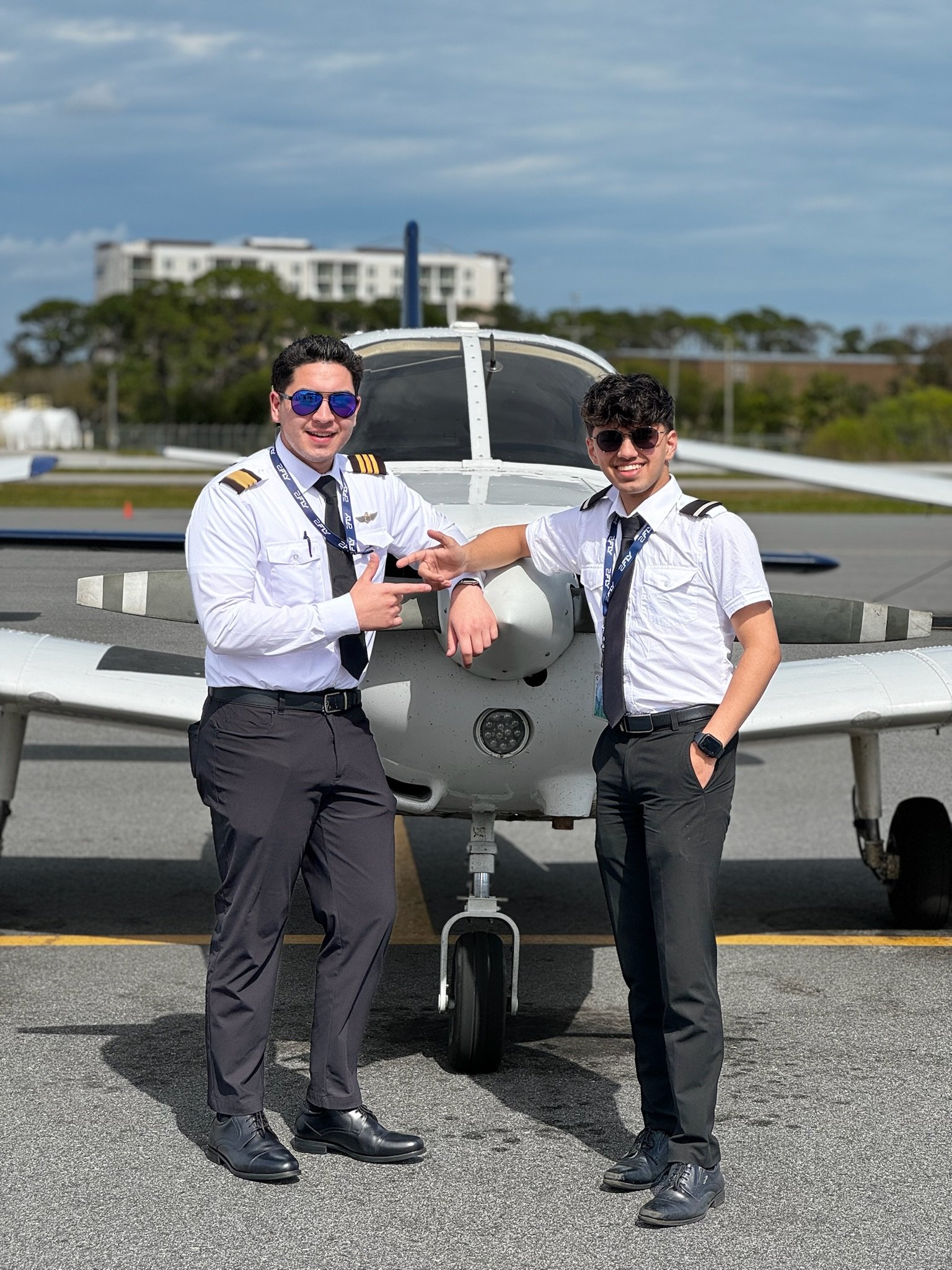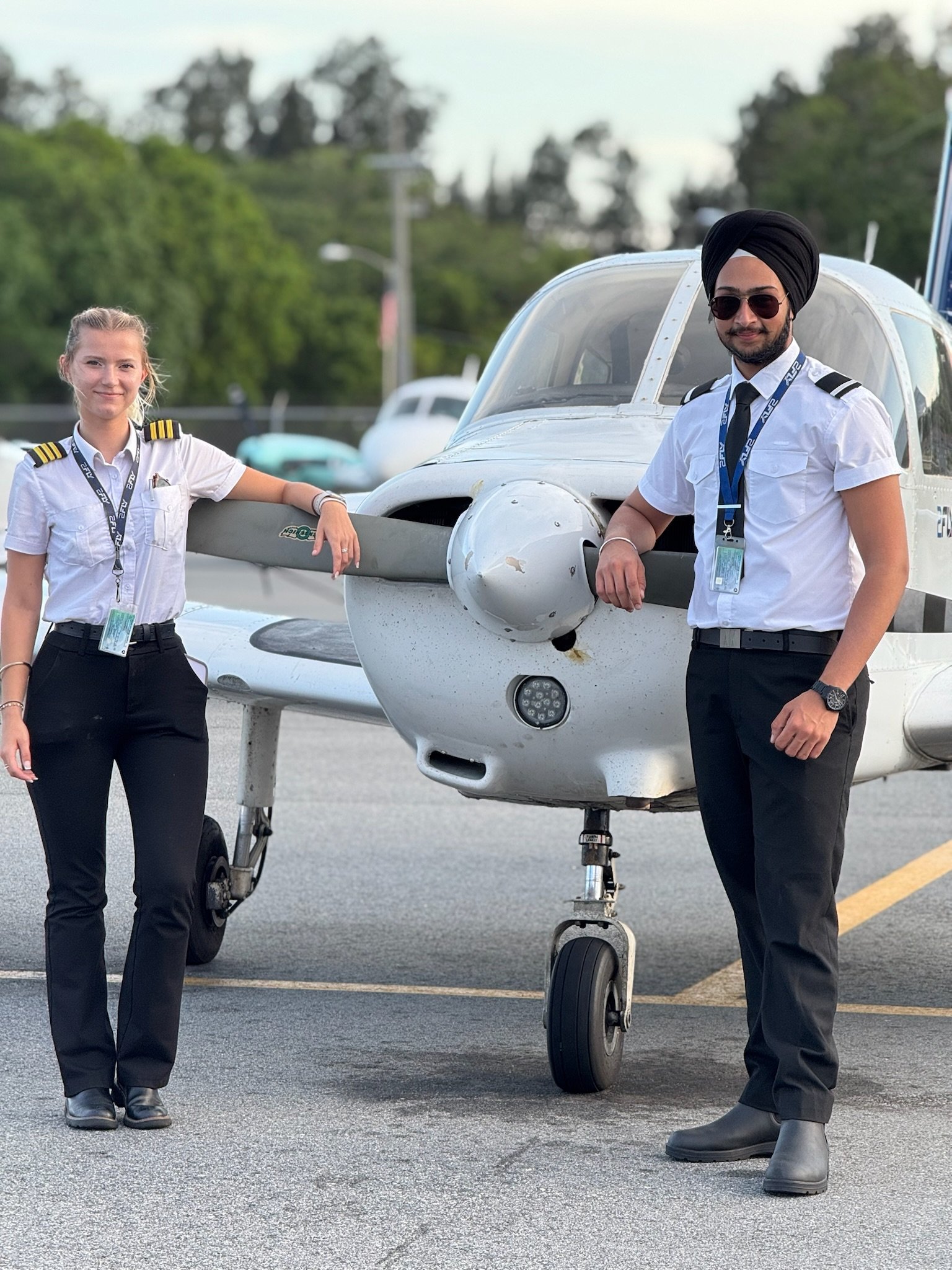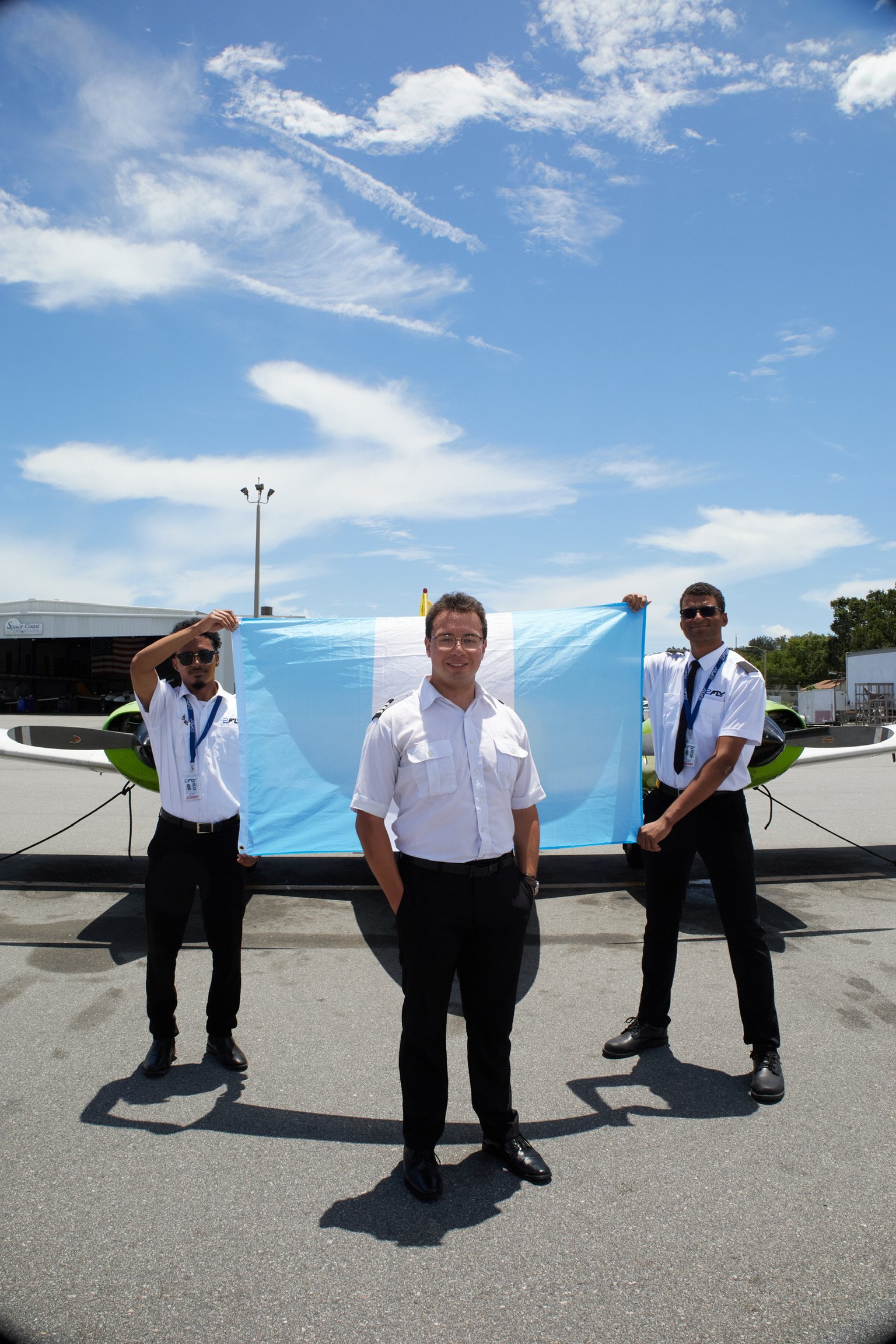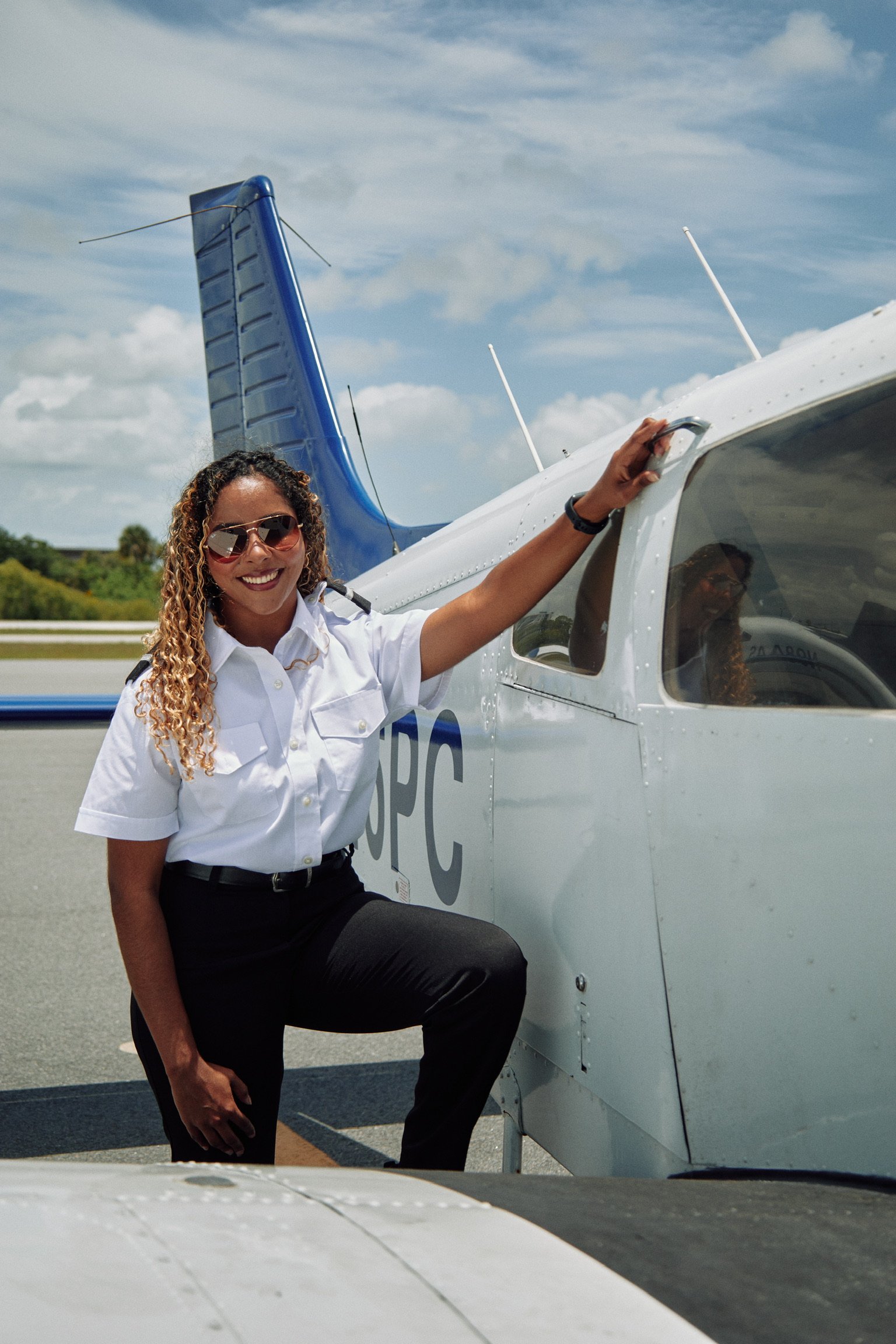
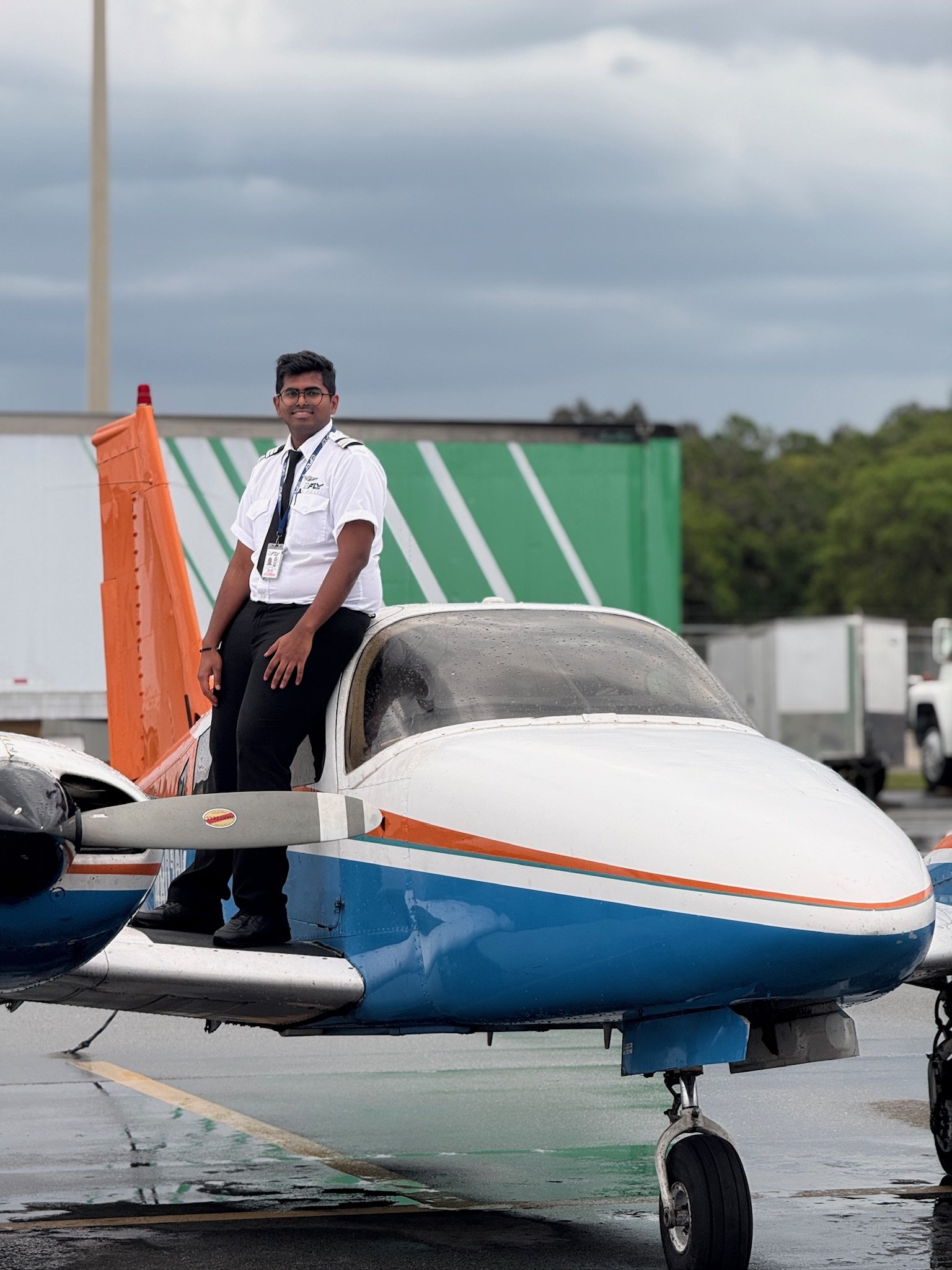
Your choice of flight school is actually a choice of international mobility partner. You’ve likely realized that the pilot career path for international students usa involves far more than just learning to fly. The stress of visa sponsorship, housing logistics, and unpredictable training costs can quickly overshadow the excitement of your first solo flight.
We understand that you need more than just a cockpit; you need a definitive gateway to a global career. This guide provides the clarity required to manage the complexities of FAA certifications and international airline employment. You’ll learn how to secure your future with a structured, fixed-price program that eliminates financial guesswork and provides a clear route to the captain’s seat.
We’ll explore everything from M-1 and F-1 visa requirements to the practicalities of living on campus in Florida. You’ll also see how a dedicated recruitment network can bridge the gap between your final checkride and your first professional job. By the end, you’ll have a comprehensive roadmap for transitioning from a motivated trainee to a world-class aviator.
Key Takeaways
- Discover why Florida’s consistent weather and flat terrain make it the premier global hub for accelerating your initial flight training.
- Understand the essential differences between M-1 and F-1 visas to ensure you choose the right pilot career path for international students usa.
- Learn why Part 141 flight schools provide the structured, FAA-approved curriculum necessary for international regulatory compliance.
- Master the step-by-step enrollment process, from your initial path assessment to securing on-campus housing and administrative support.
- Explore how professional pilot programs bridge the gap between earning certifications and launching a global commercial airline career.
The Enduring Appeal of Florida for International Flight Training
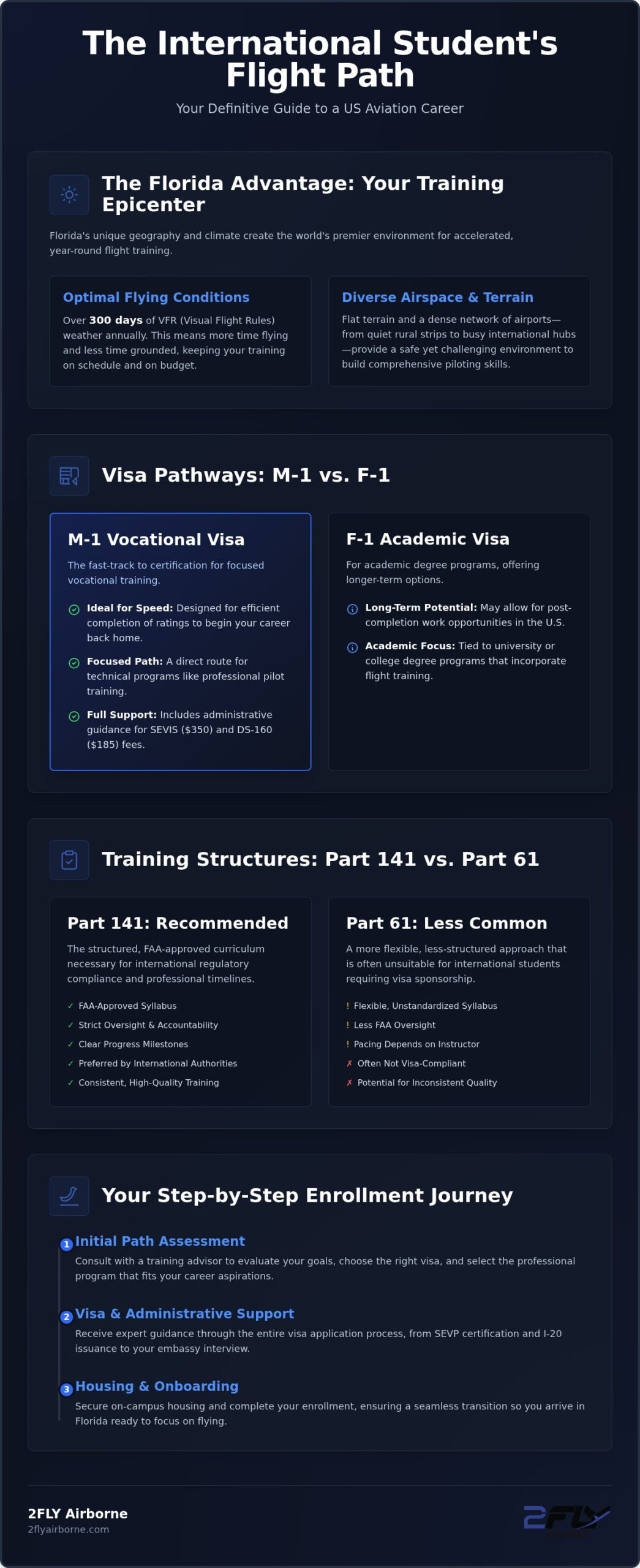
Florida serves as the global epicenter for professional pilot training because it offers conditions that simply aren’t available in most other parts of the world. For those researching the pilot career path for international students usa, the geography of your training base is as important as the curriculum itself. The state’s flat terrain and high-density airport network provide a diverse yet manageable learning environment for beginners.
You’ll quickly move from quiet rural strips to complex, busy airspaces that challenge your communication and navigation skills. This variety builds the confidence and technical mastery needed for a professional airline career. A professional academy environment ensures a high training tempo that is difficult to replicate in regions with more restricted airspace.
To better understand the daily experience of training in this environment, watch this helpful video:
The Sunshine State Advantage for Training Continuity
Consistent weather is the most valuable asset for a student pilot. Florida boasts over 300 days of Visual Flight Rules (VFR) conditions annually, which means you spend more time in the air and less time waiting for storms to clear. This prevents the costly training delays that often plague students in more volatile climates where seasonal changes can halt progress for weeks.
When you fly daily, you build muscle memory and cognitive retention much faster than students who fly sporadically. Staying on schedule isn’t just about finishing your ratings sooner; it directly translates to staying on budget. You won’t need to spend extra hours relearning skills lost during long gaps in your schedule.
Understanding the US Aviation Training Environment
The scale of US aviation infrastructure is unmatched compared to many international markets. While many regions face restricted airspace and high landing fees, the US provides an open and robust system designed for growth. Obtaining Pilot certification in the United States is a strategic move for your future career.
FAA standards are highly regarded by major global airlines because they emphasize both technical proficiency and decision-making. At 2FLY Airborne, we provide a career-ready environment that focuses on these professional standards from day one. Our FAA Professional Pilot Program is designed to help you navigate the pilot career path for international students usa with certainty and expertise.
Visa Pathways for Aspiring Pilots: M-1 and F-1 Explained
Securing the correct student visa is the most critical hurdle for any international candidate. To train in the United States, you must enroll in an academy certified by the Student and Exchange Visitor Program (SEVP). This federal oversight ensures that your flight school meets the rigorous administrative standards required to host foreign students.
Navigating the pilot career path for international students usa requires choosing between two primary visa types. Each path offers different benefits depending on whether you prioritize training speed or long-term work opportunities. Making the right choice early prevents administrative delays and ensures your training remains on a professional timeline.
M-1 Vocational Visa: The Fast-Track to Certification
The M-1 visa is the standard vocational path for those who want a focused, fast-track route to their commercial pilot license. It’s designed specifically for technical training programs rather than academic degrees. This visa is ideal if your primary goal is to earn your ratings efficiently and return to your home country to begin your airline career.
At 2FLY Airborne, we provide full administrative support for M-1 sponsorship to simplify your enrollment. You’ll need to prepare for specific regulatory costs, including the $350 SEVIS I-901 fee and the $185 DS-160 visa application fee. We guide you through every step of this process to ensure you arrive in Florida ready to fly.
F-1 Academic Visa and Professional Pipelines
The F-1 visa is used for more extensive degree programs with airline pilot training. This pathway combines professional flight ratings with a university-level education. While the documentation requirements are more rigorous than the M-1, the F-1 offers unique advantages for career building.
The most significant benefit of the F-1 visa is the potential for Optional Practical Training (OPT). This allows you to work legally in the U.S. as a flight instructor after graduation to build the critical flight hours required by major airlines. It’s a strategic move for students who want to immerse themselves in the American aviation system before pursuing global roles.
Choosing between these visas often depends on your long-term goals for international mobility. Many students find that the high standards of FAA training provide a seamless transition to other global certifications, such as EASA. You can consult with a training advisor to determine which visa pathway best supports your professional ambitions.
Evaluating Training Structures: Part 141 vs. Part 61
Choosing the right regulatory environment is a foundational step in the pilot career path for international students usa. The FAA categorizes training under two primary sets of regulations: Part 61 and Part 141. While Part 61 offers a more flexible, decentralized approach, it often lacks the strict oversight and structured progression required for professional career development.
For international students, the choice is often simplified by visa requirements. Most M-1 and F-1 approved flight schools must operate under Part 141 to maintain their SEVIS certification. This ensures that the training follows a rigid, government-approved syllabus designed to move students through their ratings efficiently and safely.
The Rigor of Part 141 Flight Academies
Airlines consistently prefer candidates who have trained in a syllabus-driven environment. Part 141 academies are subject to regular FAA audits, ensuring that every aircraft, instructor, and lesson plan meets high safety and educational standards. This level of quality control guarantees that your training remains consistent and professionally focused from day one.
At 2FLY Airborne, we utilize these structured career paths to maximize student success. We focus on building the discipline and technical mastery required for modern airline cockpits. This rigorous approach helps trainees transition seamlessly from student pilots to industry-prepared professionals who can meet the demands of global carriers.
Fixed-Price Tuition vs. Hourly Pay-As-You-Go
One of the most significant risks in flight training is the “pay-as-you-go” model. Hourly aircraft rental and instruction rates can hide the true cost of becoming a pilot, as weather delays or maintenance issues often lead to unexpected expenses. Choosing a fixed-price professional pilot program provides the financial certainty you need to plan your future without surprises.
Our fixed-price tuition simplifies budgeting for international families by consolidating essential costs into a single, transparent figure. This typically includes flight hours, advanced simulators, ground school materials, and administrative fees. By removing the stress of fluctuating costs, you can focus entirely on mastering the technical skills required for your commercial pilot license.
This financial model is particularly beneficial for those coordinating funds from abroad. It ensures that your training isn’t interrupted by budget shortfalls or currency fluctuations. When you know exactly what your investment covers, you can commit fully to the rigorous demands of your flight syllabus.
The Step-by-Step International Enrollment Journey
Enrolling in a US flight school requires a disciplined, methodical approach to federal regulations. You aren’t just signing up for classes; you’re entering a highly regulated pipeline that demands strict adherence to administrative deadlines. This process ensures you enter the pilot career path for international students usa with all legal requirements fully satisfied.
The journey begins with an initial path assessment to determine which training syllabus best fits your career goals. This ensures your training aligns with the specific licensing requirements of your home country or target airline. Once your path is confirmed, we provide the administrative oversight necessary to move through the regulatory hurdles efficiently.
Securing Your I-20 and Navigating the Visa Interview
The I-20 form is the foundational document that confirms your acceptance into a SEVP-certified program. You must present this form during your visa interview to prove your eligibility for an M-1 or F-1 visa. It’s essential to demonstrate your financial capability and your clear intent to return home after your vocational training is complete.
During the interview, project the professionalism expected of a future commercial pilot. Provide clear, concise answers about your training timeline and how this US-based education will benefit your career. For a deeper look at the industry standards you’ll be meeting, see our comprehensive guide to pilot training.
The TSA Flight Training Security Program (FTSP)
The TSA requires a mandatory security threat assessment for all non-U.S. citizens seeking flight training. You’ll need to pay a $140 processing fee and undergo a background check, which includes fingerprinting at an authorized location. This security clearance is a prerequisite that must be finalized before you are permitted to start your first flight lesson.
We recommend starting this application as soon as your visa is secured to avoid delays on your planned start date. Approval typically takes approximately four weeks, so early submission is vital for maintaining your training schedule. Our training advisors offer step-by-step guidance to ensure your documentation meets all federal security standards.
Living and Training: On-Campus Residential Benefits
Relocating to a new country is a significant transition that is made much easier with on-campus residential support. Choosing on-campus housing eliminates the stress of navigating private rental markets or setting up utilities from thousands of miles away. It allows you to focus entirely on your flight syllabus from the moment you land in Florida.
Living among a community of fellow aspiring aviators creates a supportive environment that fosters professional growth. You’ll share experiences, study together, and build a global network that will last throughout your career. 2FLY Airborne manages these residential accommodations directly to reduce your administrative burden and ensure a stable, world-class training environment.
If you’re ready to begin your professional journey, speak with a 2FLY Airborne Training Advisor to start your initial path assessment.
Preparing for a Global Career with Structured Professional Programs
The ultimate goal of your flight training isn’t just to hold a plastic card; it’s to secure a seat in a commercial cockpit. Professional academies in Florida focus on building airline-ready pilots who possess the technical mastery and leadership qualities required by modern carriers. You’re preparing for a career that demands high-level decision-making and international professional mobility, where resources like Cape Talent can assist in finding international internships to bolster your professional profile.
Top-tier training environments move beyond basic flight skills to instill the discipline required of a captain. This global perspective is essential as demand for qualified aviators grows across North America, Europe, and Asia. By immersing yourself in a professional academy, you ensure that your training meets the rigorous standards of the world’s leading airlines.
Understanding the global landscape is essential for planning your professional future. The 2025 Boeing Pilot and Technician Outlook projects a demand for 660,000 new pilots globally through 2044. This sustained requirement spans diverse regions, including established markets in North America and rapidly expanding emerging markets.
This long-term outlook highlights the critical need for high-quality flight training in Florida. As airlines expand their fleets to meet rising passenger numbers, they prioritize candidates who have trained in a world-class environment. Choosing a program with an international reach positions you as a competitive candidate for global recruitment networks.
Bridging the Gap to the First Officer Seat
Earning your commercial license is a significant milestone, but bridging the gap to a First Officer seat requires strategic experience. You’ll need to focus on hour building and gaining proficiency in multi-engine aircraft to meet the entry requirements of major airlines. These advanced ratings prove you can handle the complexity of larger, faster aircraft in diverse weather conditions and busy airspaces.
A structured professional program does more than teach you to fly; it prepares you for the rigors of airline interviews and simulator assessments. You’ll receive mentorship from experienced aviators who understand the nuances of global hiring standards. This guidance ensures you’re technically prepared and professionally polished when you face airline recruiters to finalize your pilot career path for international students usa.
We invite you to explore our FAA Airline Pilot Program as your definitive career gateway. This path is specifically designed to support international candidates by providing the certifications and professional network needed for long-term success. Your journey to the flight deck begins with a commitment to excellence and a clear roadmap for your professional development.
Your Strategic Route to the Flight Deck
Florida provides the ideal training environment, but your long-term success depends on a partner that understands the global aviation market. By selecting a structured Part 141 syllabus and the correct visa pathway, you build a stable foundation for your future. This strategic approach ensures you aren’t just logging hours; you’re actively securing a pilot career path for international students usa that global airlines respect.
We provide the administrative certainty and residential support required for a successful international relocation. As an M-1 and F-1 visa approved flight academy, we offer fixed-price professional pilot tuition and dedicated on-campus housing. These resources eliminate financial guesswork and logistical stress, allowing you to focus entirely on mastering your craft in a safe, structured environment.
Your transition from a motivated trainee to an industry-prepared professional starts with a commitment to excellence. If you are ready to take the first step or need clarification on the enrollment process, please reach out to a 2FLY Training Advisor with any questions you may have about your professional journey.
Frequently Asked Questions
Can I work while attending flight school in Florida on an M-1 visa?
You generally cannot work while training on an M-1 visa because it is strictly for vocational study. This visa category prohibits off-campus employment during your training period. While some very limited on-campus roles might exist under strict regulatory conditions, you should plan to be fully self-funded for the duration of your program. This allows you to focus entirely on your syllabus and maintain the required training tempo.
What are the English language requirements for international student pilots?
You must be able to read, speak, write, and understand the English language to meet FAA certification standards. Most international airlines require at least an ICAO Level 4 English proficiency to operate in international airspace. For those who need to improve their language skills before starting their training, Learning Explorer offers professional courses to help you reach the necessary proficiency. We assess your language skills during the initial enrollment phase to ensure you can safely communicate with Air Traffic Control. Clear communication is a fundamental safety requirement for every pilot career path for international students usa.
The M-1 visa application process typically takes between four and eight weeks from the time you receive your I-20 form. This timeline includes the time needed to pay your SEVIS fees, schedule an interview at a U.S. Embassy, and wait for passport processing. Because interview availability varies by country, we recommend starting the process at least three months before your planned start date. This buffer ensures you arrive on schedule.
Do I need a university degree to become a commercial pilot in the USA?
You don’t need a university degree to earn your FAA commercial pilot license or work for many regional carriers. However, many major global airlines still prefer candidates who hold a bachelor’s degree in addition to their flight ratings. We offer a degree program with airline pilot training for those who want to combine academic qualifications with professional flight certifications. This dual approach can make you a more competitive candidate during airline recruitment.
What is the TSA Alien Flight Student Program, and is it mandatory?
The TSA Flight Training Security Program is a mandatory security background check for all non-U.S. citizens seeking flight training. You must receive TSA approval before you are permitted to begin any flight lessons or simulator training. The process involves submitting your fingerprints and personal background information for a federal security threat assessment. We provide administrative guidance to help you navigate this requirement and avoid delays in your training schedule.
Are US pilot licenses recognized by international airlines and EASA?
US pilot licenses are globally recognized, though many countries require a conversion process to their local regulatory standards, such as EASA. Because the FAA maintains some of the highest training metrics in the world, these licenses are highly respected by international carriers. Many students choose the pilot career path for international students usa because the FAA-to-EASA transition is a well-established professional route. Our training is designed to meet these global standards from day one.
Can I include my housing costs in my flight training financing?
You can often include on-campus residential fees in your overall training budget when applying for specialized financing. Many lenders for international students allow for a comprehensive loan that covers tuition, materials, and living expenses. This consolidated approach provides financial certainty and ensures your housing is secured before you arrive. You should speak with a training advisor to explore which financial partners support these all-inclusive training packages.
What happens if I already have a private pilot license from my home country?
You can often receive credit for previous flight experience or convert your existing license to an FAA equivalent. We perform a flight assessment to determine your proficiency and see how many hours can be applied toward your professional ratings. This process follows specific FAA regulations regarding the transfer of foreign flight time. Starting with an existing license can sometimes shorten your training timeline for advanced certifications like the Commercial Pilot Certificate.
Article by
2FLY Airborne
2Fly Airborne is a professional flight training organization dedicated to developing the next generation of skilled, confident, and safety-focused pilots. With decades of combined aviation experience, our team of certified instructors provides structured, real-world training designed to prepare students for both checkrides and long-term success in the aviation industry.
Content Disclaimer
Some blog content is generated with the assistance of automated tools and may not always be fully accurate or up to date. Please verify all aviation-related information with official sources or a certified instructor. For additional guidance or clarification, we encourage you to contact one of our training advisors at 2Fly Airborne.