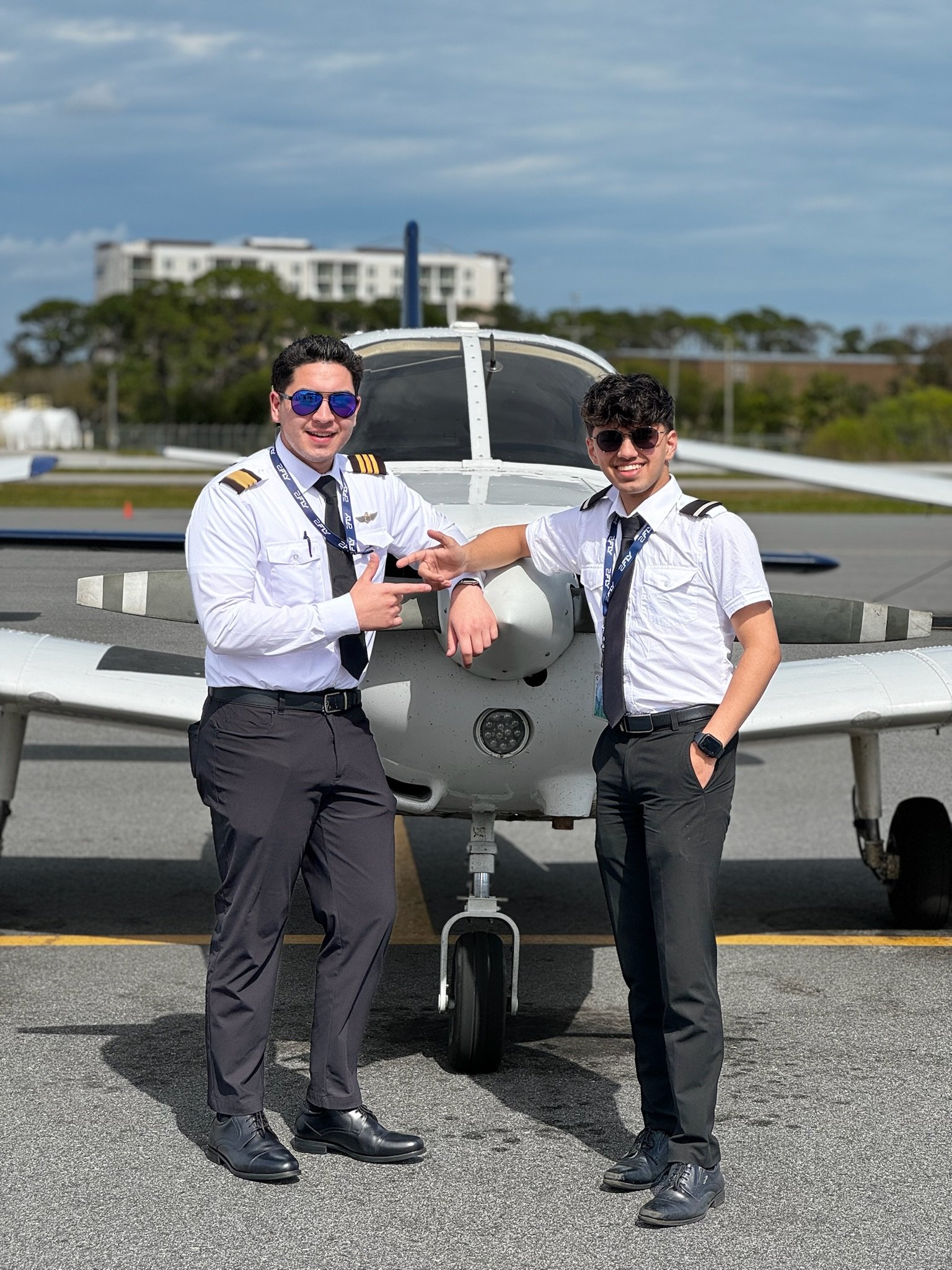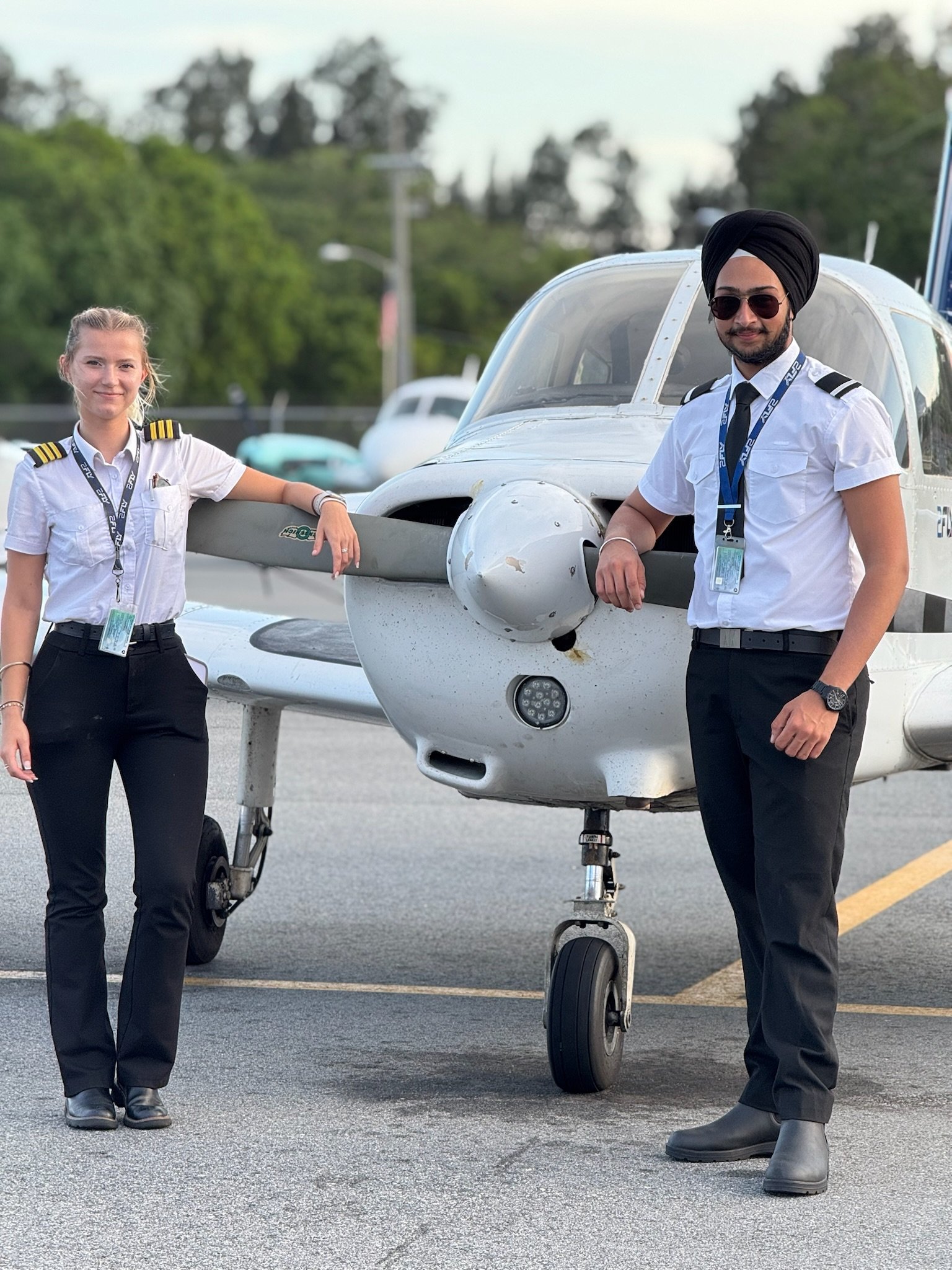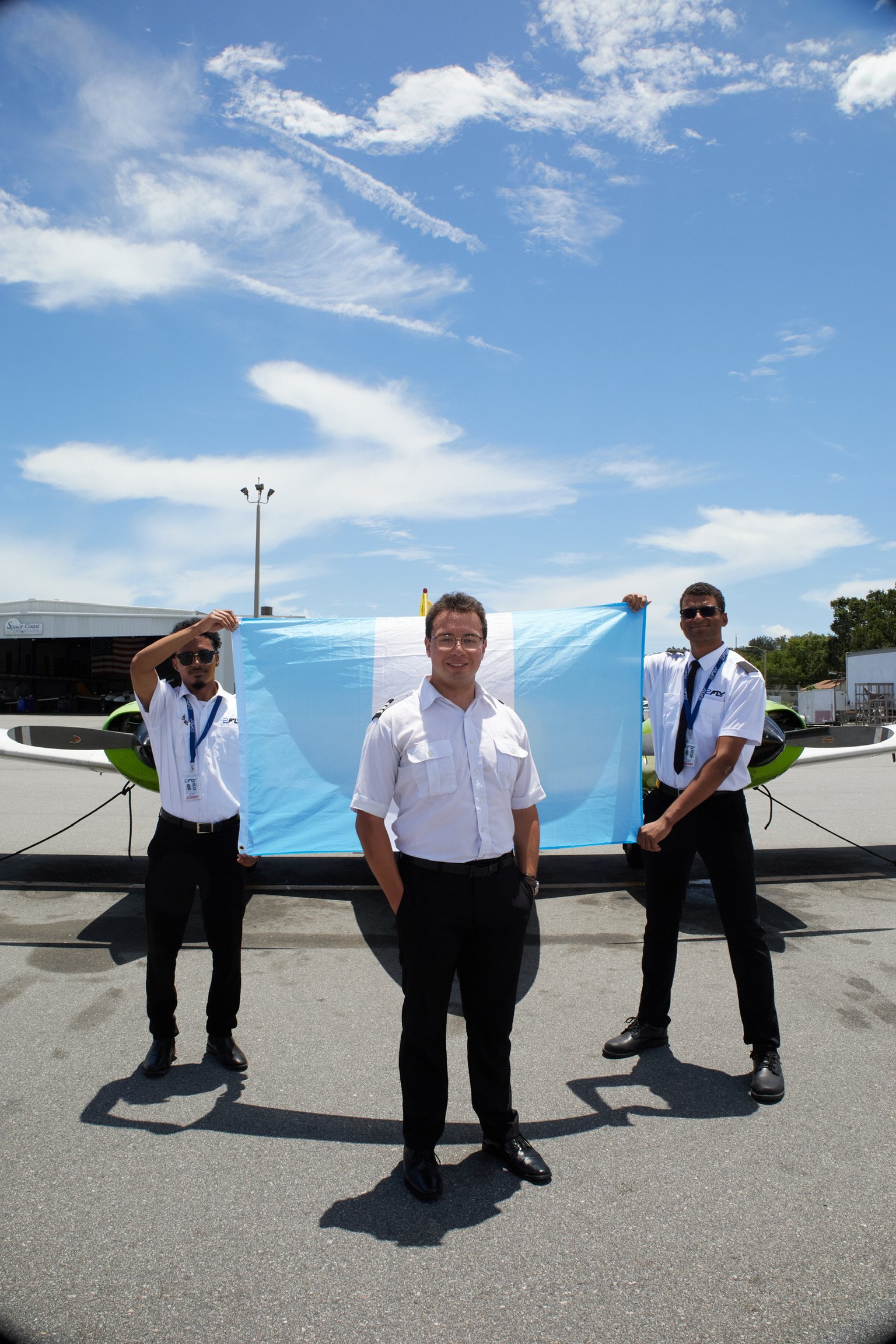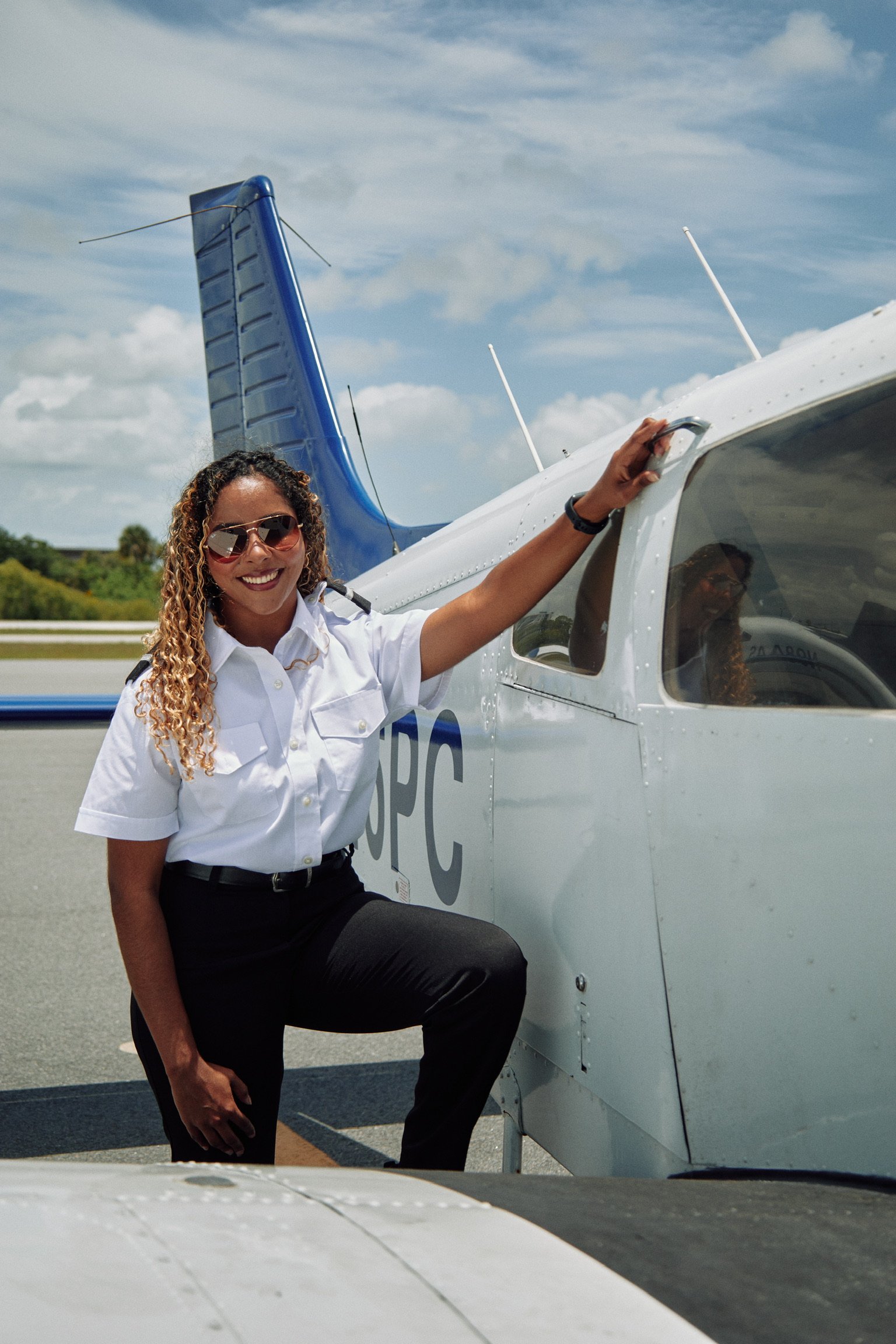
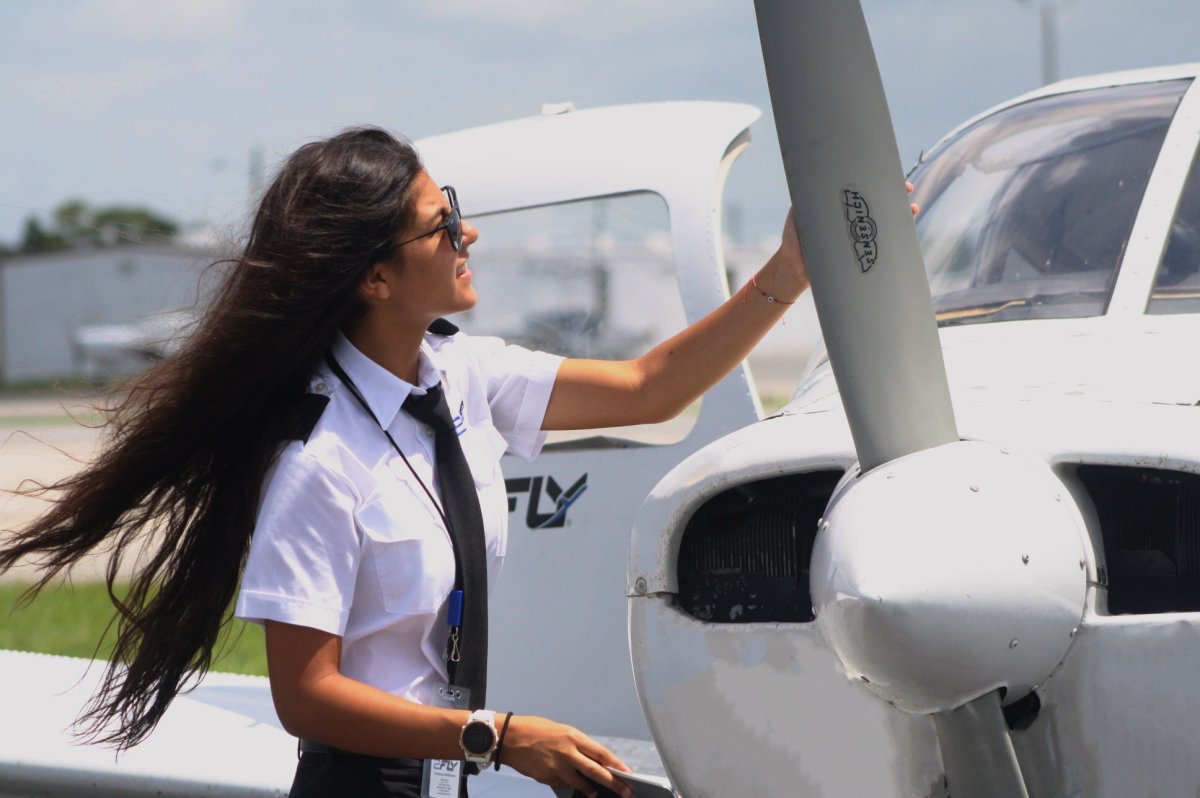
By 2044, the global aviation industry will require 660,000 new commercial pilots to meet surging travel demand. You likely already know that Florida, also known as the sunshine state, offers some of the most consistent flight conditions on the planet, but selecting the right pilot academy in Florida often feels like flying through heavy cloud cover. It’s natural to feel concerned about hidden costs or the technical differences between FAA and EASA certifications. You want a clear, professional path to the flight deck without the logistical headaches of housing and visas.
Part 141 schools use a rigid, FAA-approved syllabus designed for students pursuing a professional career, while Part 61 offers more flexibility in lesson sequencing. Most career-focused cadets choose Part 141 because it often allows for lower flight hour requirements for certain certificates. This structured environment, which you can find at Aero Global Aviation Academy, mirrors the disciplined training you’ll encounter at a major airline and is the standard choice for those aiming to become an airline-ready professional.
This guide provides the professional clarity you need to transition from zero experience to a First Officer. You’ll discover how to identify an elite training environment that aligns with your specific airline career goals while avoiding the common pitfalls of the industry. We explore the 2026 standards for transparent pricing, international training requirements, and the "Global Pilot" mindset that top carriers demand. If you’re ready to take the first step toward your commercial career, contact 2FLY Airborne to speak with a training advisor for personalized guidance today.
Key Takeaways
- Understand why Florida’s unique aviation ecosystem and year-round flyable weather make it the premier global destination for accelerated professional training.
- Learn how to distinguish between various training environments to find a pilot academy in florida that prioritizes an airline-oriented curriculum over recreational flying.
- Discover the critical differences between traditional pay-as-you-go models and professional fixed-price tuition to better manage your flight training investment.
- Identify the essential support services and on-campus housing options that allow cadets to focus entirely on their progression toward the flight deck.
- Explore the professional pathway from student to Certified Flight Instructor, creating a direct pipeline for your seamless transition into a commercial airline career.
Why Florida is the Global Hub for Professional Flight Training
Florida serves as the epicenter for career-minded aviators worldwide. The state’s history of aviation in Florida dates back to the first scheduled commercial flight in 1914, and today it remains the top choice for international cadets. When you select a pilot academy in Florida, you’re entering a professional environment designed for high-frequency operations. Proximity to major hubs like Orlando International (MCO) and Miami International (MIA) provides a front-row seat to the global logistics network you’ll eventually join. You aren’t just practicing in a vacuum; you’re training within a multi-billion dollar aviation ecosystem.
To better understand the environment where you will be training, watch this helpful video:
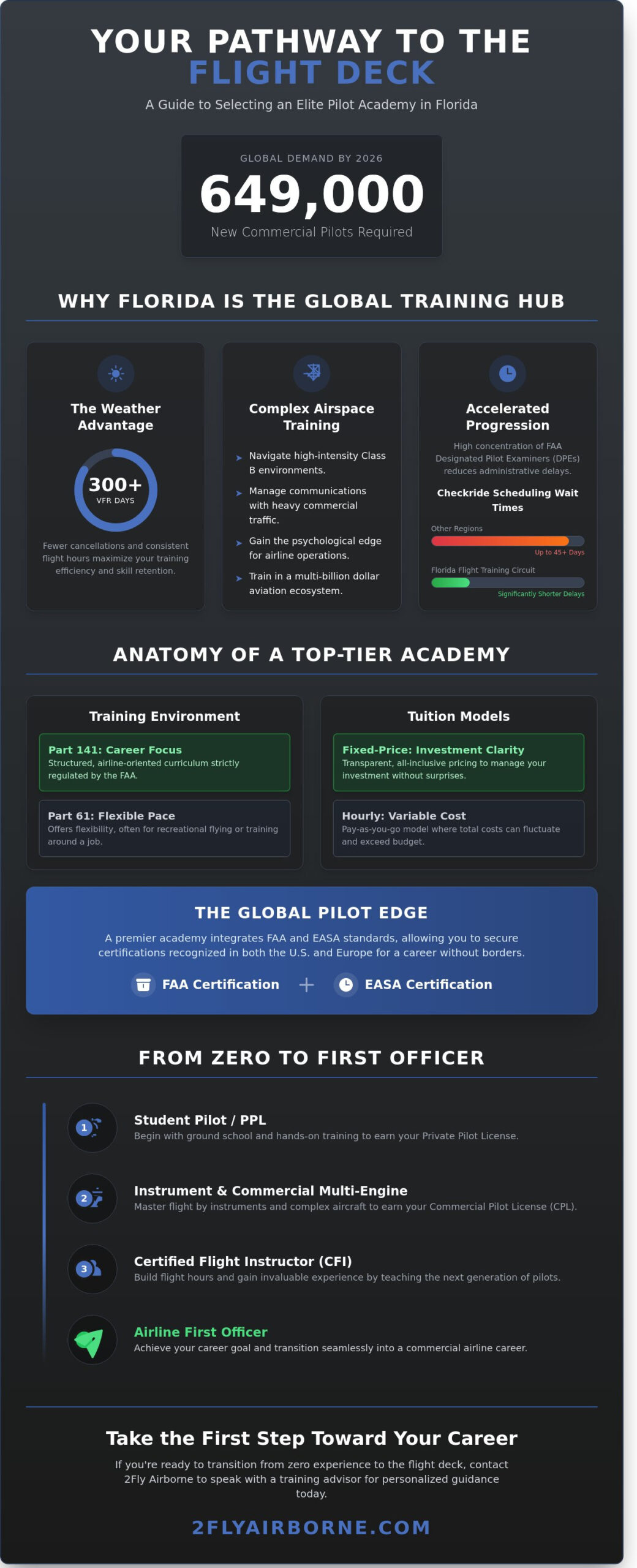
Efficiency is the hallmark of a professional program. Florida hosts a high concentration of FAA Designated Pilot Examiners (DPEs). In other regions, a student might wait 45 days to schedule a private pilot checkride. In the Florida flight training circuit, the availability of examiners allows for much tighter scheduling. This ensures your training remains on a continuous upward trajectory without the frustration of long administrative delays. It’s about maintaining momentum and reaching the flight deck as quickly as your skills allow.
The Weather Advantage: Maximizing Flight Hours
Consistency builds competence. Florida’s climate offers over 300 days of flyable weather each year. These Visual Flight Rules (VFR) conditions mean fewer cancellations and better skill retention. If you’re training for the FAA First Officer Program, every hour counts. Frequent flight shifts help you master maneuvers quickly. Additionally, the year-round warm weather supports steady maintenance cycles, ensuring aircraft are ready when you are. You won’t find your progress stalled by winter storms or icing conditions that ground fleets for weeks in northern climates.
This great weather also provides ample opportunity for recreation on days off, and many students enjoy exploring the state’s famous coastline with services like Blue Barracuda Charters.
Training in Complex Airspace
Florida’s airspace is a complex puzzle that challenges and rewards dedicated students. Selecting the right **pilot academy in **Florida means choosing an environment that mirrors your future workplace. You’ll navigate a mix of quiet regional strips and high-intensity Class B environments. This exposure is intentional. It forces you to manage radio communications alongside heavy commercial traffic. You’ll gain the psychological edge of feeling comfortable in busy corridors early in your career.
Anatomy of a Top-Tier Pilot Academy in Florida
Selecting a pilot academy in Florida involves more than just finding a runway and an instructor. You must choose between Part 61 and Part 141 training environments. Part 61 offers flexibility for those training around a job; however, career-minded cadets typically thrive in Part 141 programs. These programs are strictly regulated and follow a rigid, pre-approved syllabus designed to produce airline-ready professionals. Understanding the FAA pilot certification requirements is the first step toward the flight deck. Top-tier academies prioritize an airline-oriented curriculum over recreational habits, teaching you to think like a captain from your first hour of flight. Before committing to any program, reviewing a comprehensive guide on how to choose a flight school will help you evaluate each academy against the professional standards airlines expect in 2026.
FAA vs. EASA: The Global Pilot Edge
A premier pilot academy in Florida shouldn’t limit your career to a single continent. 2FLY Airborne integrates FAA and EASA standards, allowing you to secure certifications recognized in both the U.S. and Europe. This dual-pathway approach is vital for high-achievers eyeing international carriers. You can explore the specifics of this track in our EASA Flight School USA: The 2026 Guide. Global airlines value pilots trained in the U.S. because the complex airspace and high traffic volume build superior situational awareness. Training under both regulatory bodies gives you a competitive edge that most regional pilots lack.
Fleet Quality and Maintenance Standards
Your progress depends on the reliability of the fleet. You should look for academies that utilize standardized aircraft equipped with modern glass cockpits, such as the Garmin G1000 system. This technology mirrors the advanced flight decks of Boeing and Airbus jets, making your eventual transition to a commercial jet much smoother. In-house maintenance teams are a non-negotiable requirement for both safety and dispatch reliability. 2FLY maintains a 95% aircraft availability rate through dedicated, on-site maintenance facilities. This ensures your schedule stays on track without the delays common at smaller flight schools.
Modern flight simulators play a massive role in reducing training friction. These advanced training devices allow you to master instrument proficiency and emergency procedures in a controlled environment. By utilizing simulators for specific modules, you can reduce total training costs by approximately 15% to 20% compared to schools that rely solely on aircraft hours. This methodical approach ensures you’re disciplined, knowledgeable, and ready for the demands of a professional career. If you’re ready to take the first step toward your commercial license, speak with an admissions advisor to discuss your personalized training timeline.
Calculating the Real Cost: Fixed-Price vs. Hourly Rates
Every aspiring aviator faces the same primary obstacle: financial uncertainty. Selecting a **pilot academy in **Florida involves more than just comparing aircraft types or runway lengths. It requires a deep dive into how you pay for your education. Hidden fees can often inflate flight training budgets by 20% or more, catching students off guard mid-program. To reach the flight deck of a major airline, you must look beyond the sticker price and understand the difference between retail hourly rates and professional program structures.
The Pitfalls of Hourly "Pay-as-you-go" Training
Pay-as-you-go training sounds flexible, but it’s often a financial trap for career-minded students. This model leaves you vulnerable to market volatility. Inflation and fluctuating fuel prices can spike your costs overnight without warning. Recent industry reports highlight new airport fees impacting flight training across various municipalities, which frequently translate into higher hourly rates for the student.
If you run out of funds at a critical milestone, such as 150 flight hours, your progress stalls. Aviation skills are perishable. When training stops due to budget gaps, you lose proficiency quickly. This results in spending even more money later just to relearn previous maneuvers. Hourly models also lack an incentive for the school to maintain a strict timeline. In this scenario, every extra hour you fly increases the school’s profit while delaying your first paycheck as a commercial pilot.
Fixed-Price Certainty for Career Students
Serious career students require financial predictability to succeed. The FAA Professional Pilot Program is designed to eliminate the guesswork. This structure bundles essential components into a transparent package, including:
- Comprehensive ground school instruction
- Dedicated flight hours for all ratings
- Required training materials and manuals
- Pre-and-post flight briefings
Choosing a fixed-price model at a **pilot academy in **Florida allows for precise financial planning. This clarity is vital when applying for funding. Lenders prefer clear, total figures over open-ended estimates that might change. You can explore our Financing Page to see how this transparent pricing simplifies the loan procurement process.
Fixed pricing aligns the academy’s goals with your own. We’re incentivized to help you master the syllabus efficiently and move toward your checkride on schedule. This model transforms flight training from a variable expense into a managed investment. It ensures you have the resources to complete your journey from the classroom to the cockpit without the fear of hidden surcharges. If you’re ready to build a reliable budget for your future, contact a training advisor today to discuss your enrollment options.
Logistics and Support for Domestic and International Cadets
Location choice significantly impacts training efficiency. Merritt Island offers a unique coastal training environment near the Kennedy Space Center. Lakeland provides access to a major aviation hub with established infrastructure. Avon Park stands out for its uncongested airspace. This lack of traffic allows students to complete maneuvers without waiting for clearance from busy commercial towers. It ensures every paid flight hour is spent learning rather than idling on a taxiway. Choosing the right base at a **pilot academy in **Florida determines how quickly a student can progress through their ratings.
Visa Sponsorship for International Students
The journey for global cadets begins long before they reach the runway. Navigating the SEVIS (Student and Exchange Visitor Information System) process is a critical administrative step that requires precision. 2FLY is authorized under federal law to enroll nonimmigrant alien students by issuing the I-20 form. This document is the foundation for the M-1 or F-1 visa application. Our team provides step-by-step documentation support for students from the UK, Europe, and beyond. This guidance reduces the risk of application delays, ensuring cadets meet their scheduled 2026 start dates without administrative friction.
The On-Campus Housing Advantage
Proximity to the airfield is a strategic advantage. 2FLY’s residential facilities eliminate the stress of local traffic, saving students approximately 15 hours of commuting time every month. This time is better redirected toward the flight simulator or ground school study. Living in a dedicated pilot community creates an immersion effect. Cadets share insights and review procedures with peers, reinforcing their training 24/7. This focused atmosphere is a key differentiator for those enrolled in the FAA airline pilot program, where consistency is the path to success.
Success in aviation depends on preparation and reliability. By removing the friction of daily logistics, 2FLY ensures every cadet is airline-ready from the moment they arrive. Reach out to a training advisor today to discuss your specific logistical needs and start your professional journey.
Your Pathway to the Flight Deck with 2FLY Airborne
Selecting the right **pilot academy in **Florida is the most significant investment you’ll make in your professional life. 2FLY Airborne serves as a direct pipeline, transforming ambitious cadets into airline-ready professionals. The industry landscape is currently defined by unprecedented growth. The latest Boeing Pilot & Technician Outlook projects a need for 660,000 new commercial pilots over the next twenty years. This demand creates a unique window of opportunity for those who begin their training immediately. We focus on delivering a curriculum that mirrors airline operating procedures, ensuring you’re prepared for the high-pressure environment of a commercial cockpit from day one.
From Student to First Officer
Our structured syllabus moves you through milestones with precision. The FAA First Officer Program is our flagship pathway, designed to take you from your first solo flight to commercial multi-engine ratings. After completing your initial training, you’ll likely transition into a Certified Flight Instructor (CFI) role. This is a strategic step. It allows you to earn a salary while accumulating the 1,500 flight hours required for the Airline Transport Pilot (ATP) certificate. For those seeking a comprehensive understanding of the entire certification process, our detailed guide on obtaining your pilot license provides a career-driven roadmap from zero experience to the flight deck. Additionally, our Degree Programs offer a way to earn a college degree alongside your flight ratings. This combination provides long-term career stability and meets the preferential hiring criteria of many major international carriers.
Join the Next Generation of Aviators
Success in aviation rewards those who take decisive action. The current pilot shortage means that seniority, which dictates your salary and schedule, starts the moment you join an airline. We invite you to attend our upcoming 2FLY Events or participate in our interactive webinars to see our fleet and meet our team. These events provide a clear roadmap of the financial and temporal commitments required for success. You’ll gain a realistic perspective on what it takes to thrive at a top-tier pilot academy in florida. Don’t leave your career to chance. Speak with a 2FLY Training Advisor to develop a customized training schedule that fits your goals. Your journey to the flight deck begins with a single conversation.
Take Command of Your Professional Aviation Career
Selecting the right **pilot academy in **Florida is the most critical decision you’ll make for your future flight career. You’ve seen how Florida’s unique climate and infrastructure provide a training advantage that few other locations can match. By prioritizing fixed-price tuition options, you gain financial peace of mind while focusing on the rigorous demands of your flight hours. 2FLY Airborne brings over 30 years of excellence to your training, offering a proven pathway to the flight deck through our FAA and EASA certified programs. These dual certifications ensure your skills meet the elite standards required by global airlines.
Contact a 2FLY Training Advisor to Start Your Journey
The sky isn’t a limit; it’s your future office. We’re ready to help you reach the flight deck.
Frequently Asked Questions
Is Florida really the best state for a pilot academy?
Florida is the premier destination for flight training because it offers over 300 days of flyable weather each year. This consistent climate prevents the long seasonal delays found in northern states, allowing you to maintain a steady training rhythm. Choosing a pilot academy in Florida also gives you experience in complex, high-traffic airspace. This environment builds the confidence and technical skills required for a professional airline career.
How long does it take to complete a professional pilot program in Florida?
A full-time professional pilot program typically takes between 10 and 14 months to complete from zero experience. Your specific timeline depends on your personal dedication and the training track you select. At 2Fly Airborne, we focus on an accelerated curriculum that prepares you for the flight deck as quickly as safety and proficiency allow. Speak with a training advisor to create a personalized schedule that fits your career goals.
Can international students attend a pilot academy in Florida?
International students make up approximately 40 percent of the flight training population in Florida. You’ll need to secure an appropriate visa and pass a TSA background check before you can begin your flight lessons. Our team specializes in assisting global cadets with the SEVIS process and I-20 documentation. Contact 2Fly Airborne to learn how we help international students transition into the US aviation system.
What is the difference between a Part 61 and Part 141 flight school?
Part 141 schools use a rigid, FAA-approved syllabus designed for students pursuing a professional career, while Part 61 offers more flexibility in lesson sequencing. Most career-focused cadets choose Part 141 because it often allows for lower flight hour requirements for certain certificates. This structured environment mirrors the disciplined training you’ll encounter at a major airline. It’s the standard choice for those aiming to become an airline-ready professional.
Do I need a college degree to become a commercial pilot?
You don’t need a college degree to earn your commercial pilot license or to work for many regional airlines. While some major carriers preferred degrees in the past, many have updated their hiring requirements as of 2024 to focus on flight experience and skills. Enrolling in a pilot academy in Florida is the fastest way to start earning your ratings. You can always complete a degree online once you’re working in the industry.
How much does it cost to go from zero experience to a commercial pilot license?
Total costs for professional flight training generally range from $70,000 to $100,000 depending on your learning abilities, aircraft availability and fuel prices. This investment covers everything from your initial private pilot certificate to your commercial multi-engine rating. Since every student learns at a different pace, these figures are estimates rather than fixed guarantees. Understanding the complete pilot license certification process helps you budget effectively for each milestone. Our advisors can provide a detailed cost breakdown based on current 2026 industry standards and your specific training needs.
What kind of visa do I need for flight training in the USA?
Most international cadets require an M-1 vocational visa to attend a professional flight academy in the United States. You must receive an I-20 form from an FAA-approved institution before you can schedule your interview at a US embassy. We provide the administrative support necessary to navigate these regulatory requirements. It’s a vital step in your journey toward joining a global fleet as a highly trained pilot.
Will a Florida pilot academy help me find a job at an airline?
Elite academies provide career guidance through resume workshops, interview prep, and established airline pathways. While no school can promise a job, 2Fly Airborne maintains strong industry connections to help graduates transition into first officer roles. Many students choose to work as flight instructors to reach the 1,500-hour requirement for their ATP certificate. This proven path creates a direct pipeline from the classroom to the airline flight deck.
Article by
2FLY Airborne
2Fly Airborne is a professional flight training organization dedicated to developing the next generation of skilled, confident, and safety-focused pilots. With decades of combined aviation experience, our team of certified instructors provides structured, real-world training designed to prepare students for both checkrides and long-term success in the aviation industry.
Content Disclaimer
Some blog content is generated with the assistance of automated tools and may not always be fully accurate or up to date. Please verify all aviation-related information with official sources or a certified instructor. For additional guidance or clarification, we encourage you to contact one of our training advisors at 2Fly Airborne.