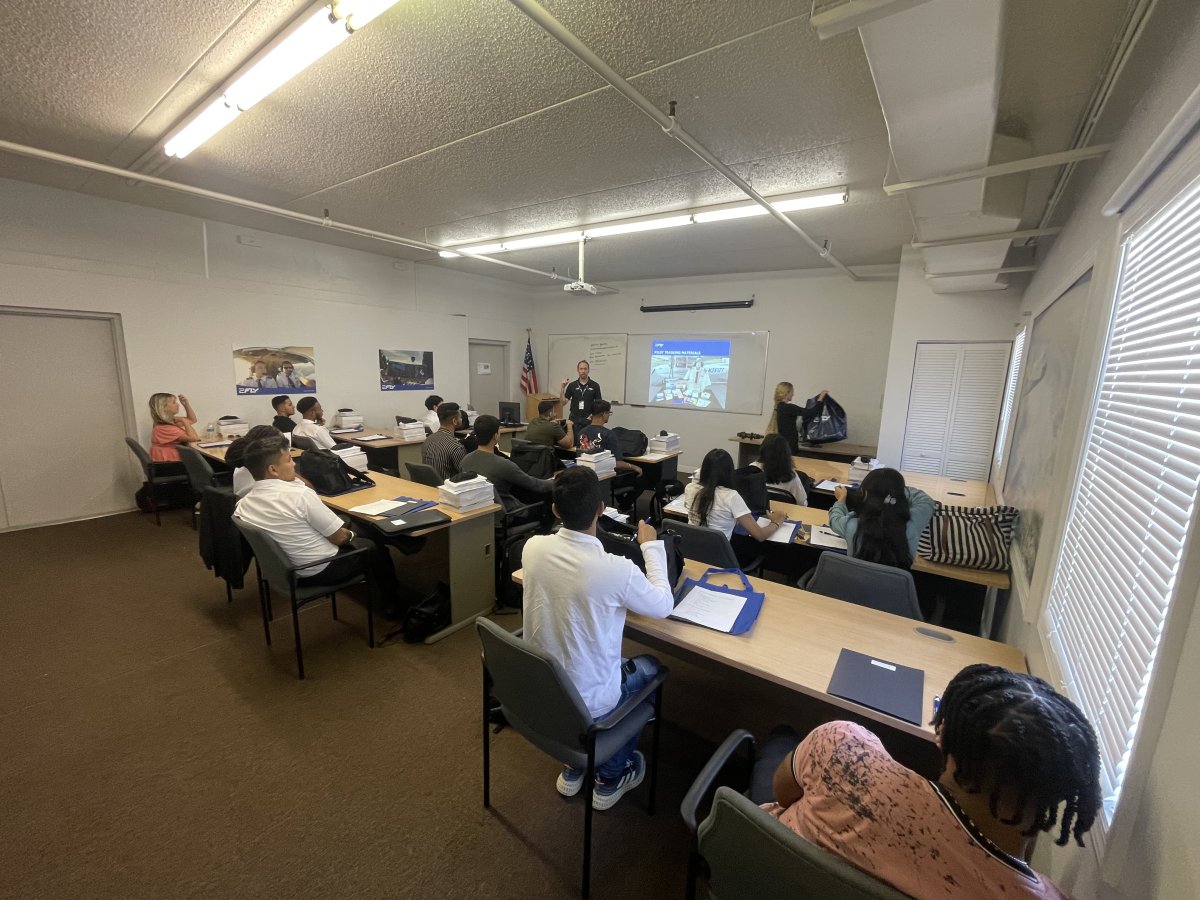
Could the biggest obstacle to your airline career be where you sleep at night? While most aspiring pilots focus on flight hours and ground school, many overlook the logistical friction of finding short-term rentals or managing roommates who don’t understand the demands of a 5:00 AM briefing. Selecting a flight school with student housing transforms your training from a simple daily commute into a complete professional immersion.
You likely recognize that every hour spent worrying about lease agreements or furniture is an hour taken away from your checklists and flight manuals. This article shows you how choosing integrated housing can streamline your path to the flight deck and maximize your career potential. We will examine how a dedicated aviation community accelerates your progress through ratings and provides the seamless transition needed to launch an international career.
Key Takeaways
- Eliminate the logistical burden of daily travel to focus entirely on your flight training and ground school requirements.
- Discover how a flight school with student housing fosters a high-performance environment where you can collaborate with peers and minimize external distractions.
- Identify the essential amenities, such as high-speed connectivity and dedicated study zones, that support the rigorous demands of professional pilot training.
- Learn how integrated accommodations simplify the transition for international students, particularly regarding visa coordination and arrival logistics.
- Understand the long-term career benefits of an immersive residential program that prepares you for the discipline of a professional flight deck.
The Strategic Advantage of Choosing a Flight School with Student Housing
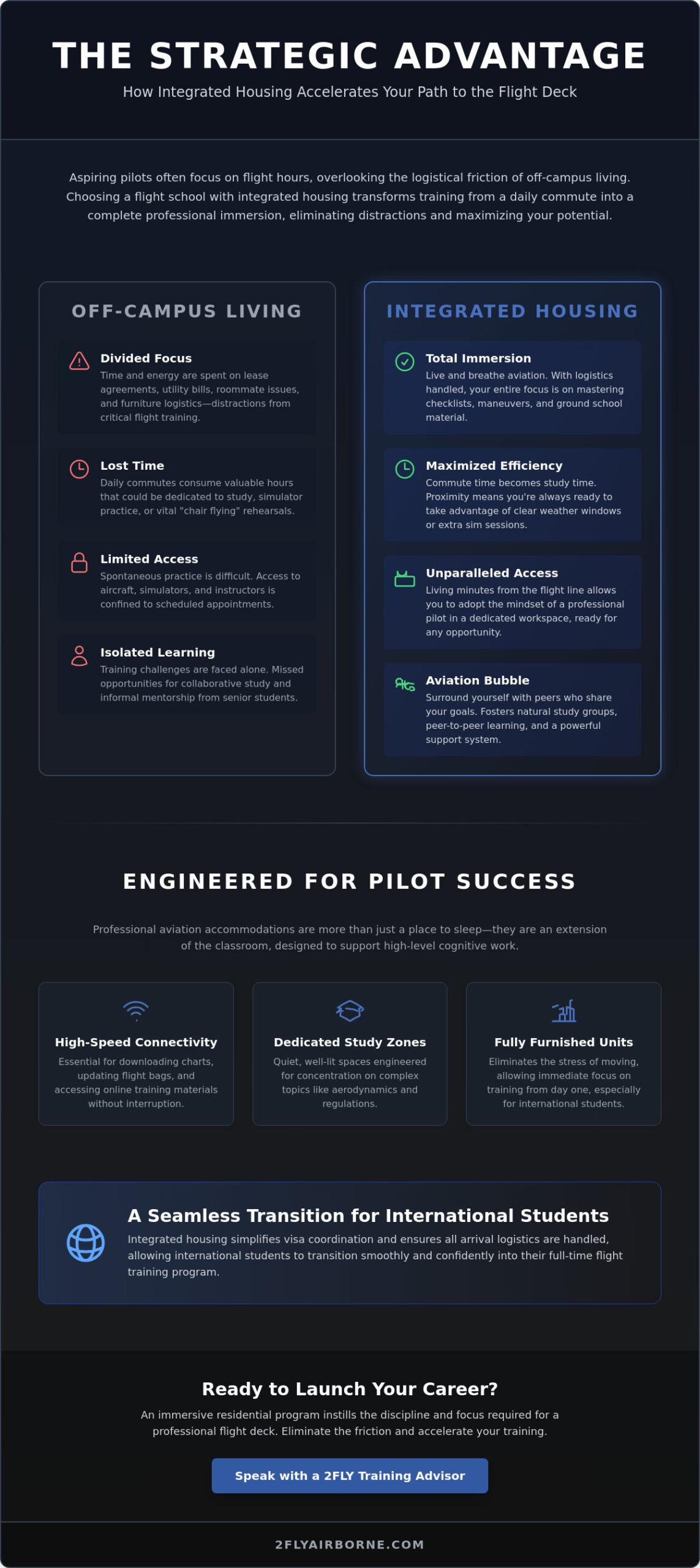
Residential flight training represents a total immersion approach to aviation education. It goes beyond simply providing a place to sleep; it creates an environment where every aspect of your daily life aligns with your career goals. By choosing a flight school with student housing, you eliminate the friction of external logistics and place yourself at the center of the training action. This proximity allows for a level of focus that’s difficult to achieve when balancing a traditional commute with the rigors of ground school.
To better understand this concept, watch this helpful video:
Removing the stress of a daily commute provides a significant boost to your available study time. Instead of sitting in traffic, you can dedicate those hours to “chair flying,” which involves mentally rehearsing flight maneuvers and cockpit flows in a quiet space. This practice is essential for mastering the flight training syllabus effectively.
Proximity also ensures you’re physically present for the unpredictable nature of aviation schedules. Since training often requires early morning departures to catch calm air or late-night sessions for instrument ratings, living on-site ensures you never miss a critical training slot. You’re always ready to step onto the flight deck when the opportunity arises.
Maximizing Training Efficiency Through Proximity
Living within walking distance of the flight line changes how you interact with the fleet and the instructors. When a sudden weather window clears, residential students are the first to reach the dispatch desk. You also gain easier access to flight simulators for impromptu practice sessions, which is vital for mastering complex procedures. This constant proximity facilitates a mental shift; you stop feeling like a visitor and start operating with the mindset of a professional pilot in a dedicated workspace. It’s about building a lifestyle around the cockpit.
The Role of Peer-to-Peer Learning in Pilot Success
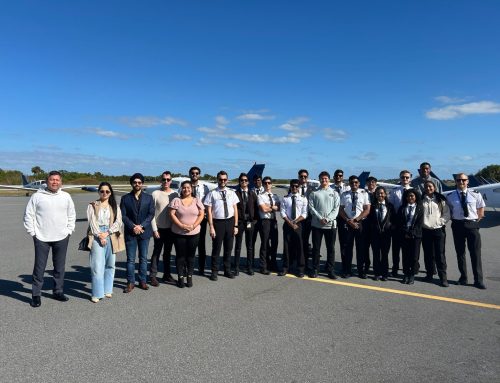
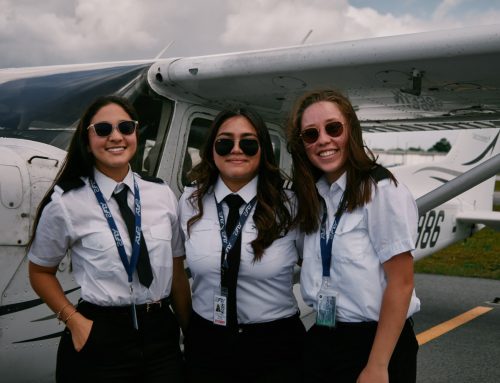
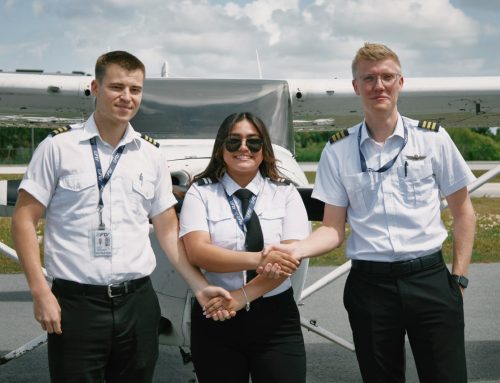
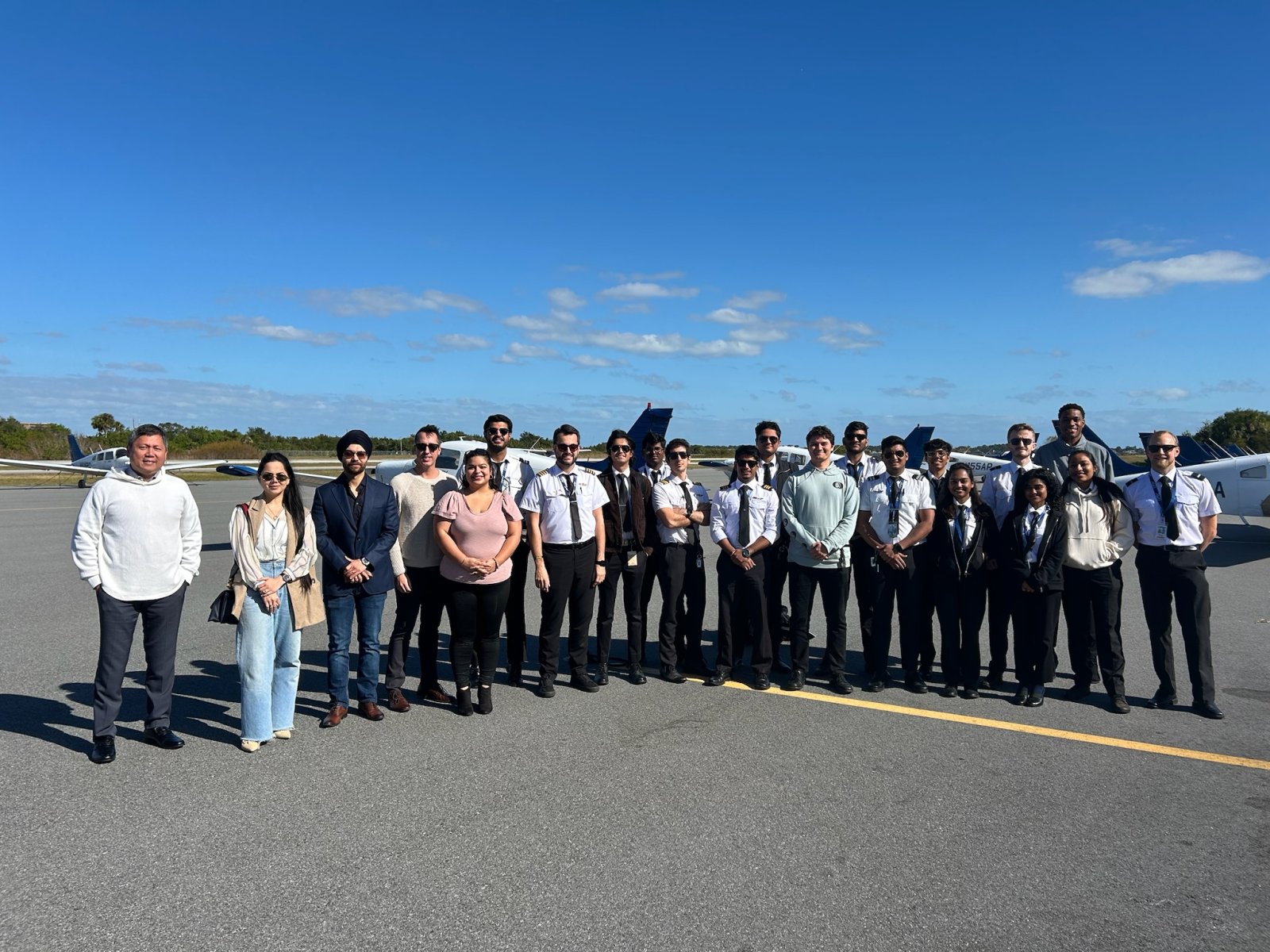
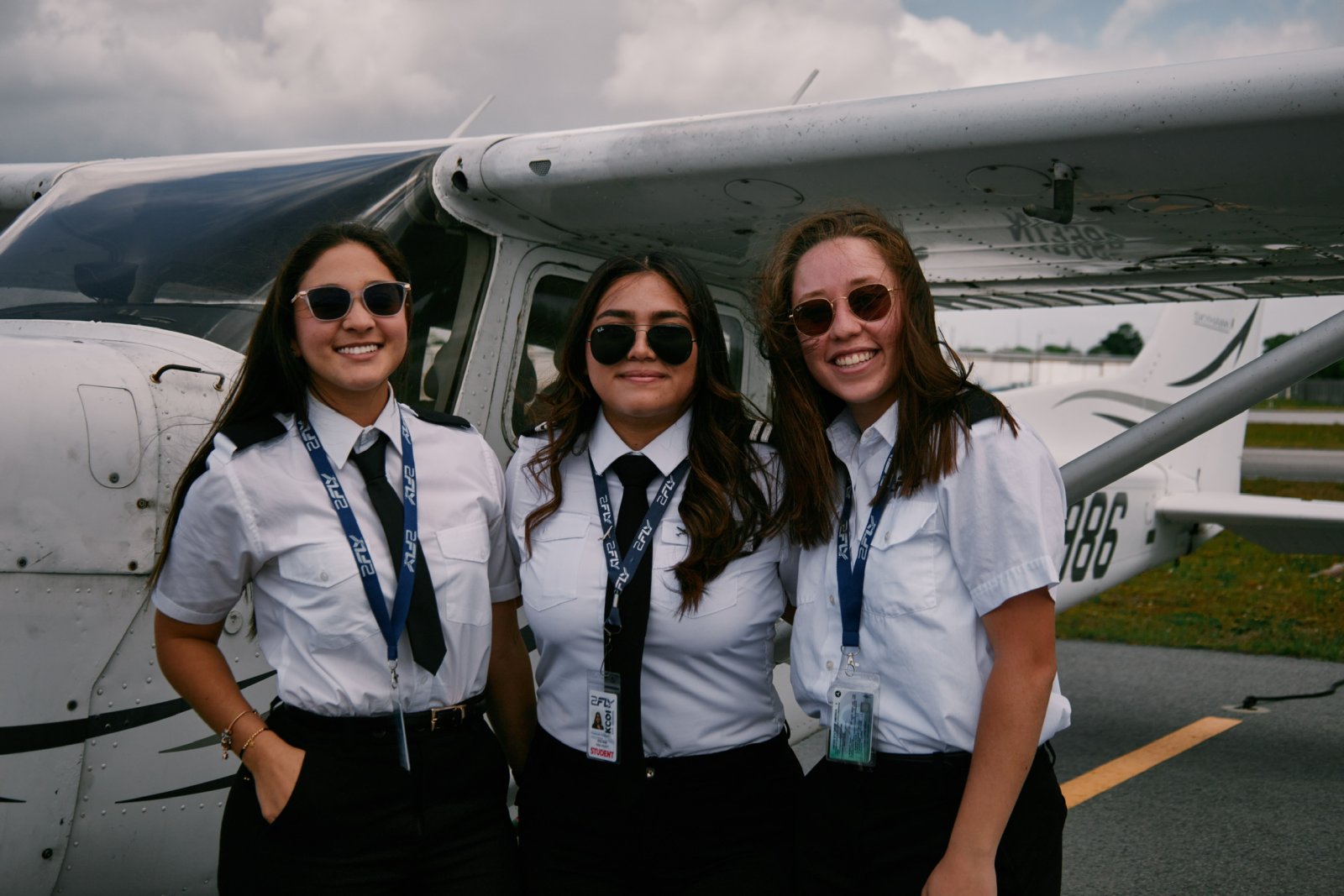
One of the most valuable aspects of a flight school with student housing is the “aviation bubble” it creates. You’re surrounded by like-minded individuals who share your ambitions and challenges. This community naturally leads to the formation of study groups, which are incredibly effective for tackling difficult FAA written exams. Senior students often serve as informal mentors, offering practical advice on everything from checkride preparation to managing flight anxiety. Sharing these experiences with peers provides a psychological safety net that keeps your momentum high throughout the training process. You aren’t just learning from books; you’re learning from the collective experience of your peers.
Essential Features of Professional Aviation Accommodations
What happens when your living environment works against your training goals? A standard apartment rental might come with noisy neighbors, unreliable internet, or the hidden stress of managing multiple utility bills. A professional flight school with student housing provides a space specifically engineered for academic and practical success. Your residence should function as an extension of the classroom, offering the quiet and connectivity required for intensive study sessions.
High-speed internet is no longer a luxury; it’s a critical training tool. Modern pilots rely on massive data downloads for high-resolution sectional charts and frequent software updates for their digital flight bags. Whether you are reviewing the Pilot’s Handbook of Aeronautical Knowledge or practicing radio communications, your environment must support high-level cognitive work. The best accommodations strike a careful balance between private sleeping quarters for rest and communal areas where you can debrief flights with other trainees.
Furniture and Utilities: What Should Be Included?
For students arriving from overseas or out of state, a fully furnished unit is a necessity. You don’t want to spend your first week at a furniture store when you should be in the simulator. Quality housing includes dedicated desks, essential kitchenware, and robust climate control to handle the Florida heat. All-inclusive pricing models are particularly beneficial, as they simplify your financial planning by bundling rent, electricity, and water into a single, predictable cost. Programs like the FAA First Officer Program often leverage these integrated arrangements to help students maintain a consistent training rhythm.
Location and Accessibility Factors
The distance between your bed and the flight line directly impacts your daily energy levels. Ideal aviation housing is located within minutes of the briefing rooms and hangar facilities. This proximity allows you to maximize rest and stay flexible for changing flight schedules. Accessibility to essential services, such as grocery stores and pharmacies, is equally important. Many students prefer locations with reliable transport links or shuttle services, which eliminates the need to purchase and maintain a vehicle during their stay. This logistical ease allows you to remain focused on the primary goal of earning your wings without the distractions of local administrative burdens.
Immersion vs. Independence: Evaluating Your Living Options
Many students believe that renting a room in a nearby town will save money. While the monthly rent might look lower on paper, the true cost of independence often reveals itself in delayed training timelines. Choosing a flight school with student housing isn’t just about a bed; it’s a strategic decision to prioritize your career over temporary lifestyle preferences. It’s about results.
This immersive approach aligns with the “Zero to Hero” philosophy found in structured FAA Professional Pilot Programs. These tracks are designed for high-achievers who want to move from no experience to a commercial certificate in the shortest time possible. By living where you learn, you ensure that every hour of your day contributes to your professional development.
The Hidden Costs of Off-Campus Living
Commuting 30 minutes each way adds up to significant lost study time every week. Over a year-long program, those hours represent a massive investment you could have spent in the simulator or reviewing checklists. You also face the risk of external stressors, such as traffic delays or vehicle maintenance, which can cause you to miss a morning weather window or a scheduled briefing.
Traditional landlords rarely offer the flexibility required for intensive flight training. A standard 12-month lease in a typical Florida city doesn’t account for the variables of aviation. If your Multi-Engine Rating takes an extra week due to maintenance or weather, you shouldn’t be worried about a move-out deadline. In a flight school with student housing, the administration understands these timelines and offers the flexibility to extend your stay, ensuring your focus remains on the checkride rather than your luggage.
Why a Dedicated Aviation Community Wins
Living in a dedicated aviation community eliminates the lifestyle distractions common in standard apartment complexes. You won’t be dealing with roommates who host late-night parties when you have a pre-dawn cross-country flight. Instead, your neighbors are your future airline colleagues who share your discipline and schedule. This professional atmosphere mirrors the life of an airline crew, where mutual support is the standard.
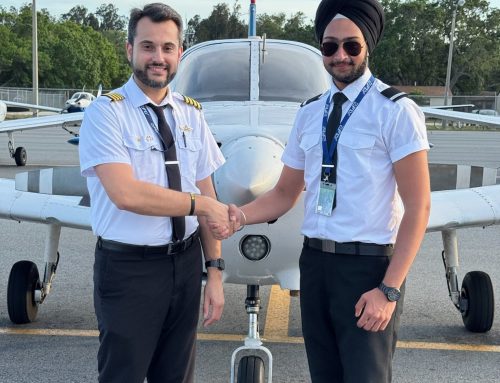
You begin to adopt the habits of an industry professional long before you reach the flight deck of a regional jet. The networking opportunities alone are invaluable. The connections you make in the dorms today often become the professional references you use tomorrow. This environment fosters a level of accountability that simply isn’t possible when living in isolation off-campus.
Streamlining Your Transition to Full-Time Flight Training
Securing a place in a premier training environment requires foresight and careful planning. Moving to a flight school with student housing is a multi-step process that begins months before your first flight lesson. You must coordinate your arrival date with your training start date to ensure your accommodations are ready the moment you land. This logistical alignment allows you to transition from a candidate to a trainee without the typical delays of finding local housing.
Early booking is essential for high-demand programs, as residential spots often fill up quickly. You should also investigate financing options that may cover these residential costs alongside your tuition. Having your funding and housing secured simultaneously provides the peace of mind needed to focus entirely on the rigorous curriculum ahead. It’s about removing every possible barrier to your success.
Logistics for International and Out-of-State Students
You’ll need specific documentation ready for your residential enrollment. This includes your government-issued identification, FAA medical certificates, and any previous flight logs. For non-U.S. citizens, the Transportation Security Administration (TSA) recommends initiating applications through the Flight Student Security Program (FTSP) at least 60 days before your scheduled training begins. Coordinating these timelines with the school’s admissions team ensures your arrival is smooth and compliant with all federal regulations.
When packing for a year of intensive training in Florida, prioritize professional attire for ground school and breathable clothing for the flight line. You don’t need to bring everything from home, as most residential units are fully equipped. Focus on bringing your essential personal electronics and any specialized aviation gear you already own, such as a high-quality headset. A streamlined move-in process allows you to begin your first briefing within days of arrival.
Administrative Support and Visa Coordination
For international students, housing is often linked directly to the administrative requirements of the M-1 or F-1 visa. Professional schools assist with the Student and Exchange Visitor Information System (SEVIS) by ensuring your residential address is accurately recorded for government compliance. This administrative support is a hallmark of an elite institution that understands the complexities of international professional mobility. You aren’t just renting a room; you’re entering a supported ecosystem designed for global candidates.
A dedicated Training Advisor plays a central role in managing the housing waitlist and coordinating your move-in logistics. They act as your primary point of contact, bridging the gap between the admissions office and the residential facilities. Choosing a school with dedicated international support ensures that your transition is handled with the precision required for a specialized career path. To begin your journey, you can speak with a Training Advisor about our FAA First Officer Program today.
Accelerating Your Career with 2FLY Airborne’s Residential Programs
How do you transform an ambition into a professional reality? It requires more than just logging flight hours; it demands a structured environment that mirrors the standards of the airline industry. 2FLY Airborne integrates residential living directly into the FAA First Officer Program to ensure every trainee is fully prepared for the rigors of a commercial career. This immersion is the bridge between being a student and becoming an industry-prepared professional.
The global aviation market continues to show unprecedented growth for those with the right credentials. The 2025 Boeing Pilot and Technician Outlook projects a demand for 660,000 new pilots globally through 2044. To meet this demand, candidates must choose a training path that maximizes efficiency and minimizes distractions. A flight school with student housing provides the stability needed to complete ratings on a professional timeline.
Our fixed-price programs are designed with transparency in mind, often including 7 to 10 months of shared-room accommodations. This approach eliminates the financial uncertainty of fluctuating rental markets and allows you to dedicate your energy to mastering the cockpit. By removing logistical burdens, we provide a clear, unobstructed path toward your professional goals.
A Direct Pipeline to the Commercial Flight Deck
The residential environment at 2FLY Airborne prepares you for the discipline of airline life long before you reach a regional carrier. You’ll adopt the routines, communication styles, and professional habits shared by successful flight crews around the world. Our global network provides residential graduates with a unique perspective on international professional mobility, opening doors to careers across different regions. If you’d like to see our facilities firsthand, we encourage you to check our upcoming events for campus and housing tours.
Summary of Key Takeaways for Aspiring Pilots
Residential training is the gold standard for career pilots because it creates a 24/7 aviation ecosystem that accelerates technical and professional growth. Safe, structured training remains the essential foundation of a successful aviation career, ensuring you meet every regulatory requirement with confidence. Professional pilots are built in the classroom and the hangar, but they are sustained by a supportive environment that prioritizes their progress. Choosing the right living arrangement is a strategic investment in your future on the flight deck.
If you’re ready to begin your journey or have questions about our residential options, we’re here to help. Reach out to a 2FLY Training Advisor today to discuss your training syllabus and housing requirements.
Secure Your Future on the Flight Deck
Choosing a flight school with student housing is a strategic decision that aligns your daily life with your professional ambitions. By eliminating the administrative burdens of relocation and the daily stress of commuting, you can focus entirely on achieving your pilot certifications. This immersive environment ensures you are surrounded by a community of high-achievers who share your goal of reaching the commercial flight deck.
Our organization provides fixed-price career pilot paths that include residential options to keep your training on a predictable schedule. We offer M-1 and F-1 visa sponsorship and a dedicated international student support team to help global candidates navigate the entry process with confidence. It’s time to stop managing logistics and start mastering the cockpit.
If you have any remaining questions about housing availability or enrollment, reach out to a 2FLY Training Advisor. Speak with a 2FLY Training Advisor about our residential programs to take the first step toward your international career. Your path to the airlines is waiting.
Frequently Asked Questions
Is student housing mandatory for the FAA Professional Pilot Program?
Student housing is not mandatory for enrollment in the FAA Professional Pilot Program, but it’s highly encouraged for the immersion benefits. Many students choose to live off-campus if they already reside in Florida. However, most international and out-of-state candidates find that a flight school with student housing provides the most stable environment for rapid progression. This choice allows you to remain focused on your ratings without the distraction of local property management.
Can I use financial aid or student loans to cover housing costs?
You can often use professional pilot training loans to cover residential costs, as these financial products typically include a cost of living component. It’s important to verify the specific terms with your lender, as some only cover tuition and flight fees. Securing a loan that includes housing ensures you have a predictable budget for the duration of your training. This financial preparation is a key step in streamlining your path to the flight deck.
What is the typical commute time from 2FLY housing to the flight line?
The commute from 2FLY housing to the flight line is designed to be as short as possible, typically taking only a few minutes. This proximity is a core feature of a flight school with student housing, as it allows you to reach the hangar quickly for pre-flight briefings. Minimizing travel time ensures you’re rested and ready for early morning departures or late-night instrument training. It’s about maximizing your time in the cockpit rather than on the road.
Are the apartments shared or private for flight students?
Accommodations are primarily shared, featuring apartment configurations that house four students. This setup is intentional, as it fosters the peer-to-peer learning environment and aviation community mentioned in previous sections. You’ll live with fellow trainees who share your schedule and professional goals. While shared rooms are the standard, they provide a balance of private space for rest and communal areas for debriefing flights and group study sessions.
What happens if my flight training takes longer than the housing contract?
If your training timeline extends due to weather or maintenance variables, our residential management team works to provide flexible contract extensions. Unlike traditional landlords, we understand that aviation progress isn’t always linear. We aim to ensure you have a stable place to live until you complete your final checkride. You should communicate any delays to your Training Advisor early to ensure your spot in the housing rotation remains secured for your final ratings.
Is WiFi included in the student housing for ground school study?
High-speed WiFi is a standard inclusion in all residential units to support your ground school study and digital flight bag requirements. You’ll need a reliable connection to download high-resolution charts and access online training modules. This connectivity ensures you can prepare for your next lesson from the comfort of your room. It’s an essential tool for any modern pilot who must stay current with evolving FAA regulations and technical data during their training.
Do I need a car if I live in flight school student housing?
You don’t strictly need a car if you live in our integrated housing, as many facilities are located within walking distance or are served by school shuttles. This is a major advantage for international students who want to avoid the expense of purchasing a vehicle. Nearby grocery stores and essential services are often accessible via local transport links. However, having a car provides additional flexibility for exploring the local Florida area during your downtime between training phases.
Can international students move in before their visa start date?
International students must adhere to specific arrival windows dictated by their M-1 or F-1 visa regulations and SEVIS requirements. You typically can’t move into student housing more than 30 days before your program start date. It’s vital to coordinate your flight arrival with the admissions team to ensure your housing is ready and your entry is compliant with federal law. Early communication with your Training Advisor will help you time your move perfectly with your training syllabus.

Article by
2FLY Airborne
2Fly Airborne is a professional flight training organization dedicated to developing the next generation of skilled, confident, and safety-focused pilots. With decades of combined aviation experience, our team of certified instructors provides structured, real-world training designed to prepare students for both checkrides and long-term success in the aviation industry.
Content Disclaimer
Some blog content is generated with the assistance of automated tools and may not always be fully accurate or up to date. Please verify all aviation-related information with official sources or a certified instructor. For additional guidance or clarification, we encourage you to contact one of our training advisors at 2Fly Airborne.