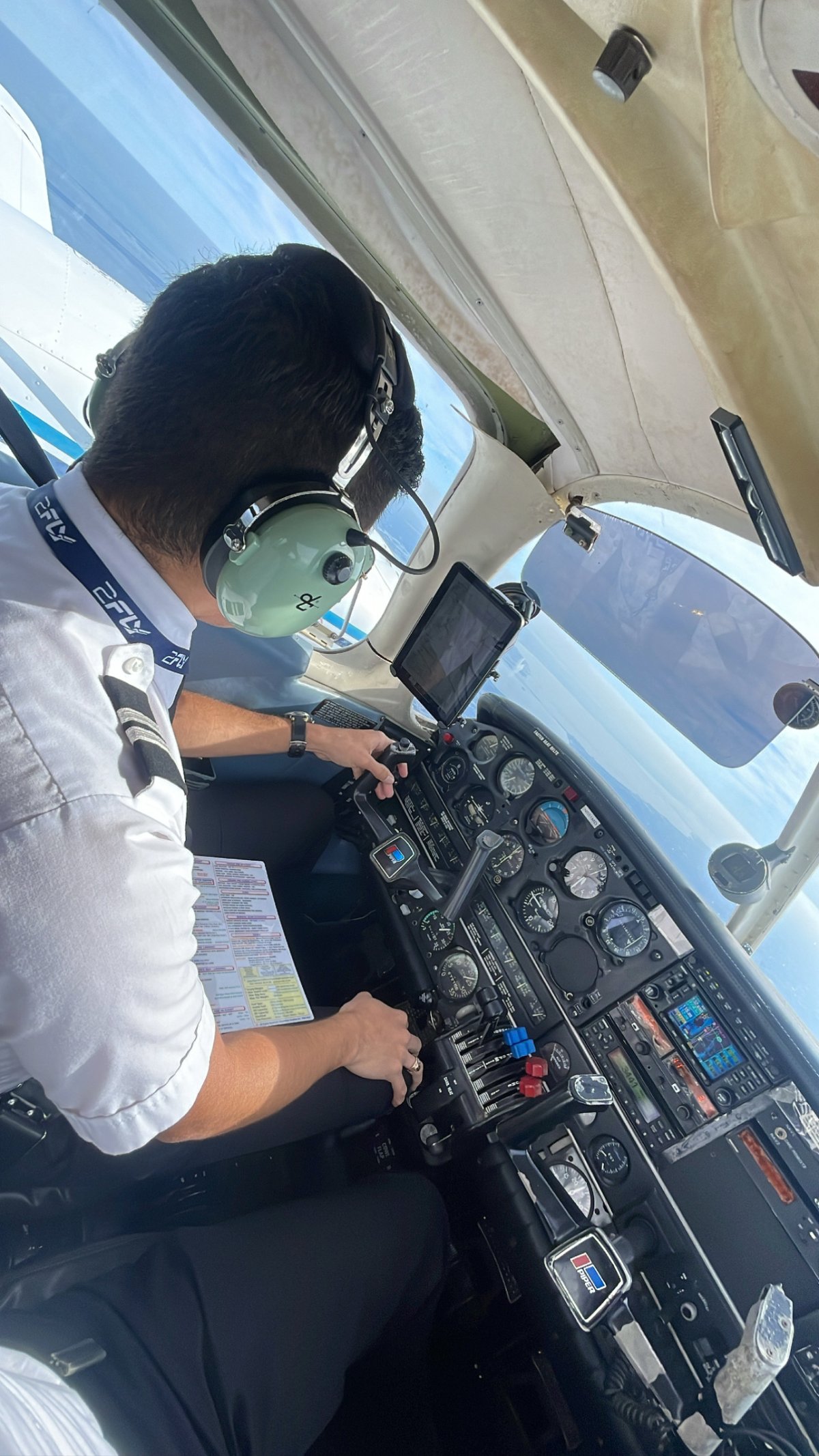
The 2025 Boeing Pilot and Technician Outlook forecasts a massive demand for 660,000 new qualified pilots through 2044. You’ve likely felt the pull of the flight deck for years, but choosing the right aviator college involves more than just finding a plane and an instructor. It’s natural to worry about the financial stability of flight schools or feel confused by the technical differences between FAA and EASA certifications. You need a training environment that matches your professional ambition and protects your future investment.
This guide helps you evaluate flight academies with the precision of a pre-flight checklist, ensuring you choose a stable pathway that leads directly to a global airline career. We’ll examine the financial requirements and time commitments necessary to transition from a student to an airline-ready professional. You’re about to discover how to secure your place in the cockpit with a clear, methodical strategy for your professional development. We provide the clarity you need to move forward with absolute confidence in your training choice.
Key Takeaways
- Analyze the 2025 Boeing Pilot and Technician Outlook to understand the global demand for 660,000 new pilots and why airlines are prioritizing structured recruitment models.
- Learn how to distinguish a professional aviator college from a local flight club by evaluating institutional health, fleet size, and facility ownership.
- Compare the fast-track FAA Professional Pilot Program with integrated degree options to determine which training pathway best aligns with your career timeline.
- Identify critical red flags and selection criteria to ensure you choose a stable academy that offers transparent pricing and a proven management history.
- Discover the “Global Pilot” concept and how airline-ready training standards provide a direct pipeline from the classroom to a professional flight deck.
What is an Aviator College? Defining Professional Flight Education
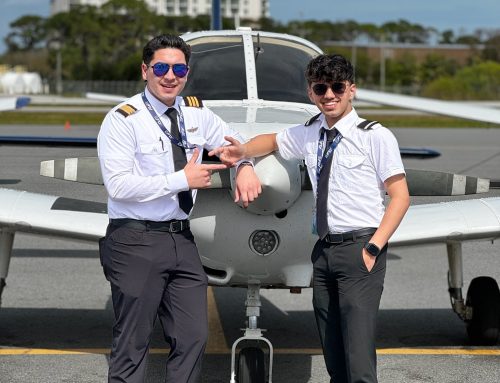
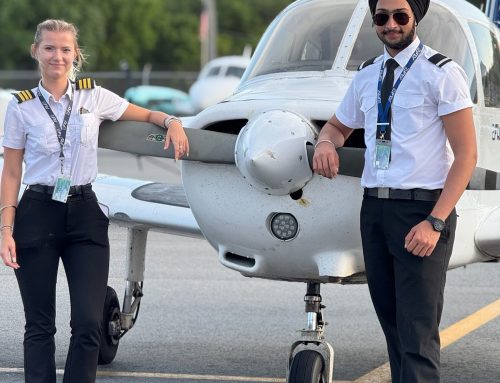
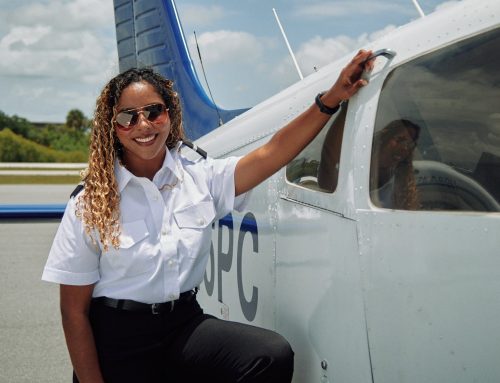
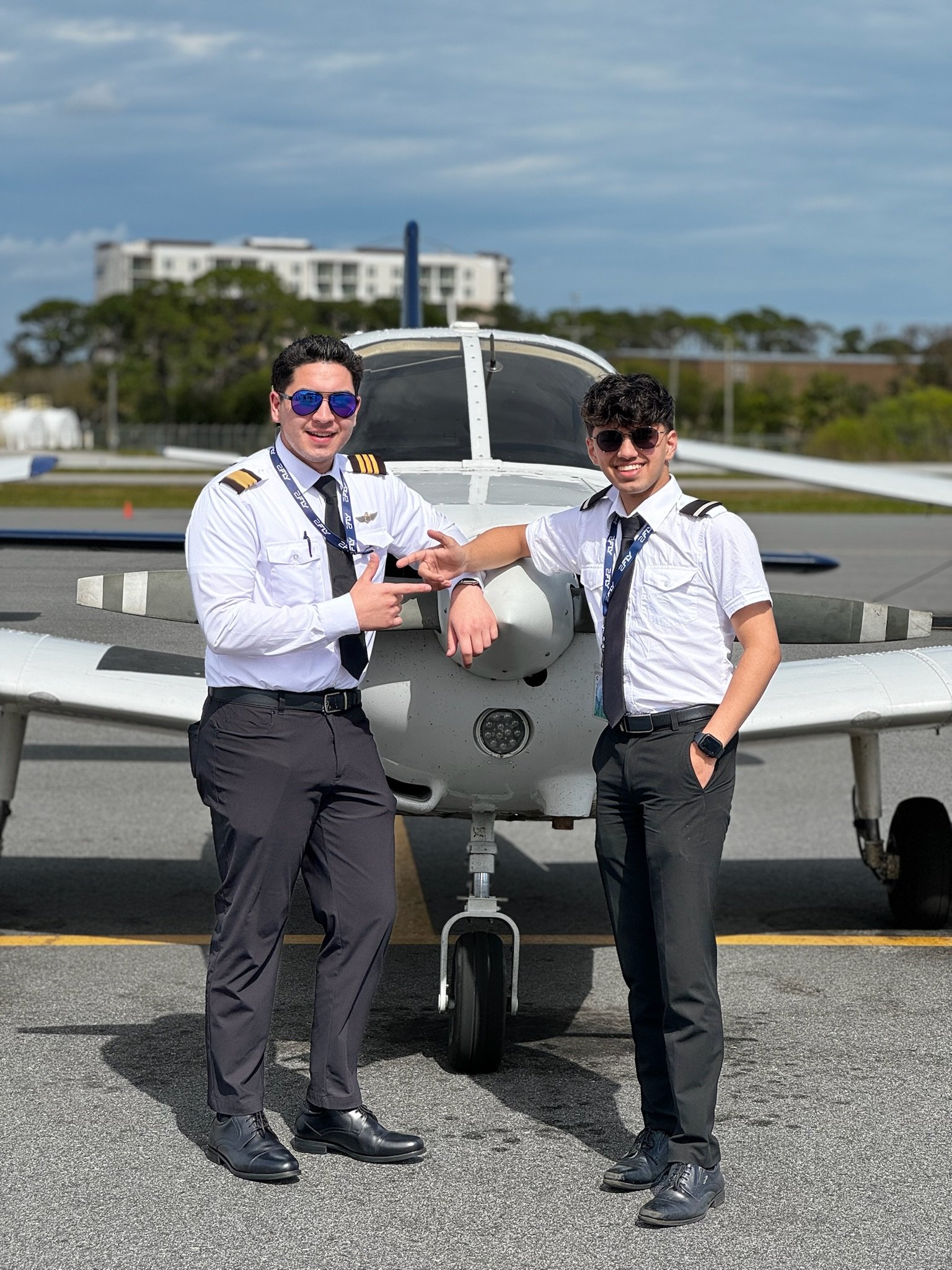
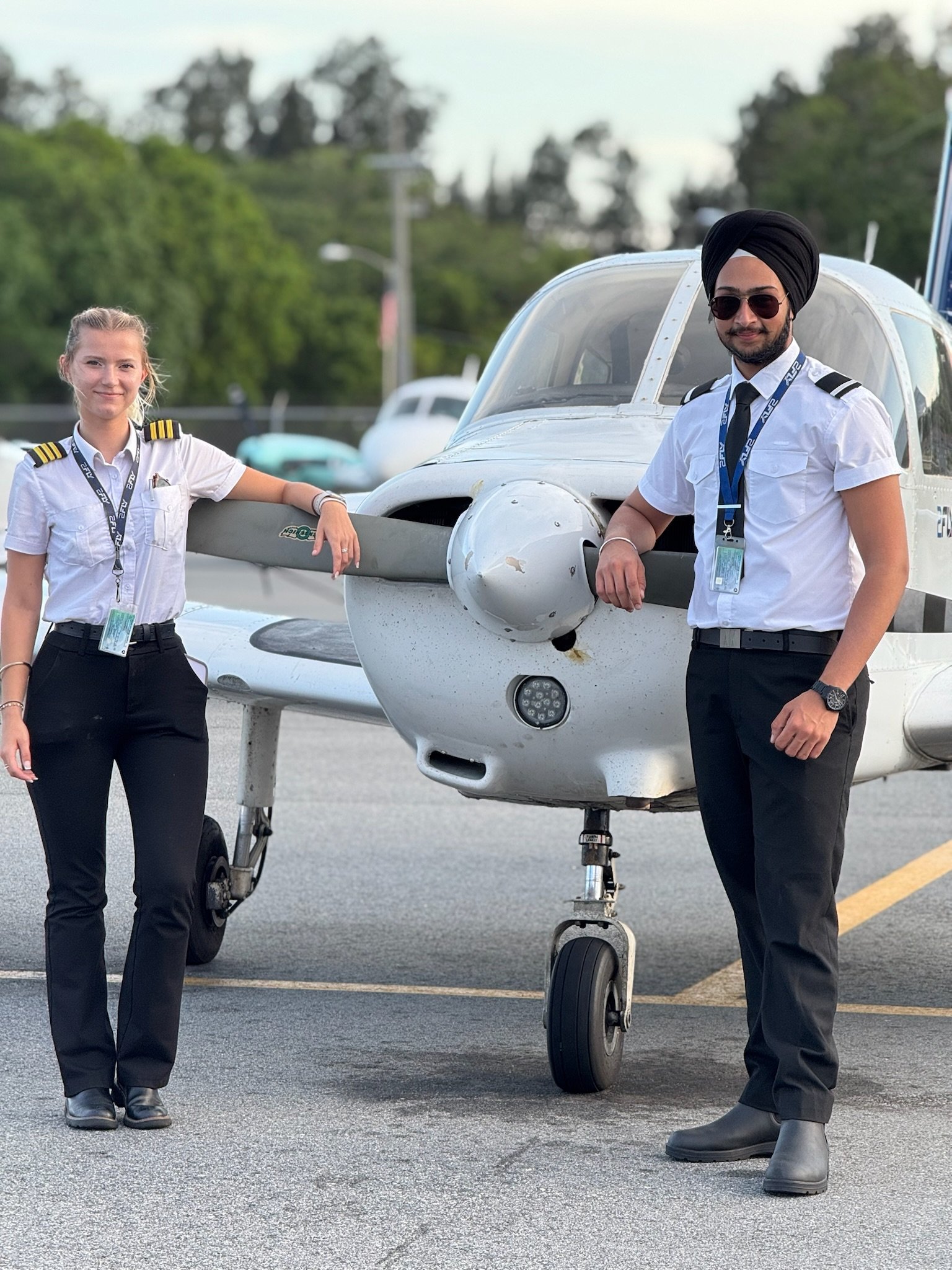
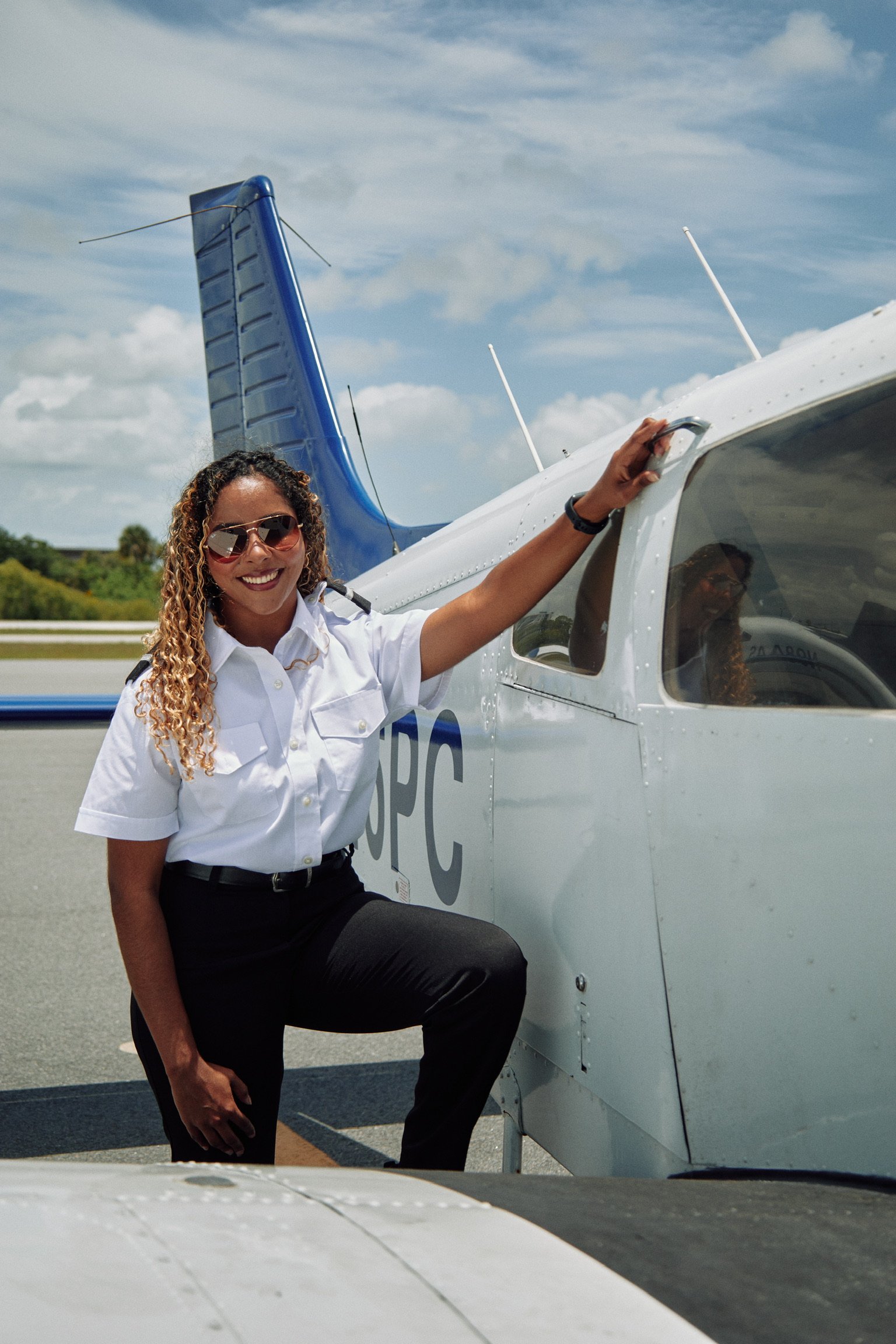
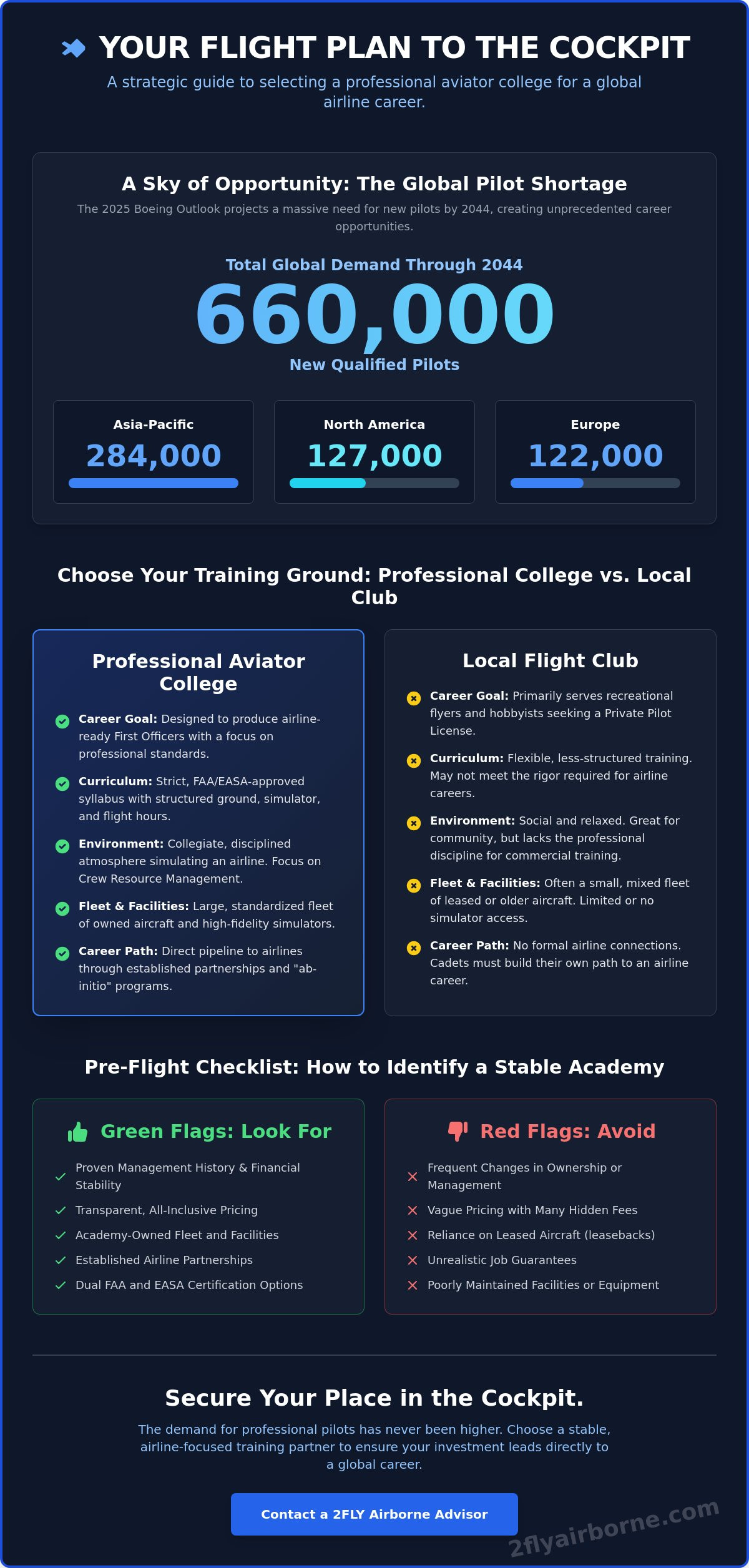
An aviator college is more than a school; it’s a professional ecosystem designed to transform cadets into commercial first officers. Unlike local flight clubs that cater to weekend hobbyists, these institutions operate with the discipline of an airline flight department. Every lesson follows a strict syllabus, and every flight hour serves a specific training objective. You aren’t just a student here. You’re a cadet in a structured pipeline designed for high-achievers who view the flight deck as their future office.
To better understand the environment of a professional training facility, watch this helpful video:
Professional flight training involves a rigorous three-pronged approach: ground school, high-fidelity simulator sessions, and structured flight hours. This environment is critical because the 2025 Boeing Pilot and Technician Outlook projects a demand for 660,000 new qualified pilots through 2044. Meeting this global need requires pilots who have trained under the oversight of regulatory bodies like the FAA or EASA. These standards ensure you develop the mental fortitude and technical precision required for a long-term airline career.
Academic Rigor vs. Recreational Flying
Recreational flying is about the freedom of the sky, but professional training is about the discipline of the checklist. An aviator college enforces a standardized curriculum that prepares you for the complexity of commercial aviation. You’ll master Crew Resource Management (CRM) and advanced aircraft systems long before you sit for an airline interview. This collegiate-level training is essential for safety. It builds the muscle memory and procedural knowledge you’ll need to handle airline type ratings and heavy jet transitions with confidence.
The Global Nature of Modern Pilot Certification
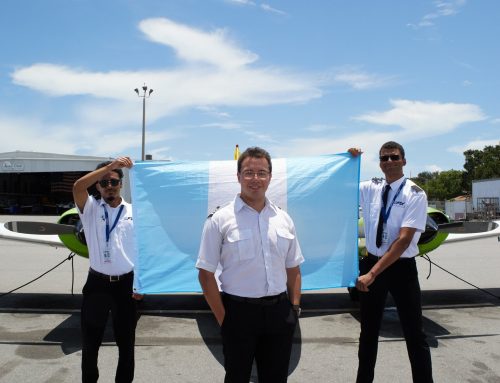
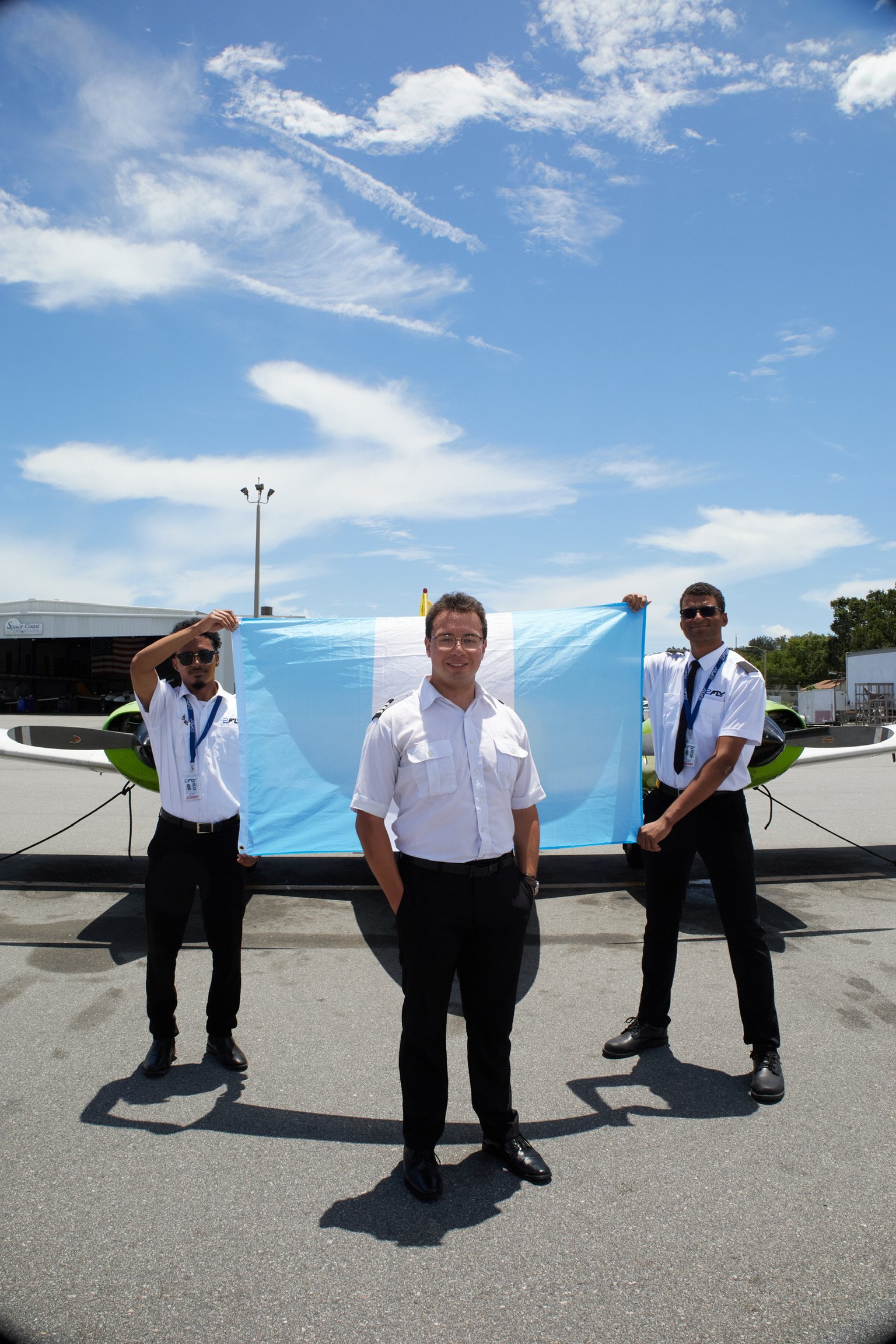
The modern flight deck is an international workspace. Holding dual FAA and EASA certifications is a powerful advantage, allowing you to seek employment with carriers across six continents. Training in the United States remains the gold standard for international students due to the country’s diverse weather patterns and complex airspace. Among the most sought-after training destinations, flight schools in Florida are recognized as the global hub for aviation, offering over 350 flyable days a year alongside structured FAA Part 141 programs. This global perspective ensures you’re “airline-ready” from day one. To learn more about these pathways, explore Pilot Training Programs 2026 and discover how to align your education with your career ambitions. If you’re ready to start your journey, contact a training advisor at 2FLY Airborne for personalized guidance.
The 2026 Aviation Landscape: Demand for 660,000 New Pilots
The 2025 Boeing Pilot and Technician Outlook reveals a massive requirement for 660,000 new pilots through 2044. This isn’t just a number; it’s a call to action for aspiring aviators. Airlines are shifting toward “ab-initio” recruitment models, where they identify and train talent from the ground up. This change ensures a steady pipeline of professionals ready for the flight deck. Selecting the right aviator college is now the most critical step in securing a seat in a commercial cockpit. You’re entering the industry at a time when mandatory retirement ages are forcing a massive wave of senior captains to step down, leaving thousands of vacancies at major carriers.
The Global Pilot Shortage: Facts and Projections
Demand varies by region but remains high everywhere. Asia leads the world with a projected need for 284,000 pilots by 2044. North America requires 127,000 new aviators, while Europe needs 122,000 to sustain its networks. Fleet expansions drive this growth. Major carriers are ordering hundreds of narrow-body and wide-body aircraft to meet passenger demand. Data from the Bureau of Labor Statistics supports this positive outlook, showing steady job growth for commercial pilots over the next decade. Modern flight schools are evolving to meet these needs, integrating advanced flight simulators and safety management systems that mirror airline standards.
Career Progression in a High-Demand Market
Moving from a student pilot to a first officer at a major airline takes dedication and a clear roadmap. Most students complete their initial certifications within 12 to 18 months. After earning a Commercial Pilot License (CPL), many graduates transition into flight instruction roles. This path allows you to build the 1,500 flight hours required for an Airline Transport Pilot (ATP) certificate while honing your skills. You can learn more about the specific steps in our guide on how to become a pilot. Every hour in the air brings you closer to the flight deck of a major carrier. Choosing an elite aviator college ensures your training meets the rigorous demands of global airlines.
If you’re ready to start your journey, consider speaking with a training advisor at 2FLY Airborne to discuss your career goals.
Comparing Training Pathways: Professional Pilot Programs vs. Degree Options
The 2025 Boeing Pilot and Technician Outlook projects a demand for 660,000 new qualified pilots through 2044. This staggering figure underscores the urgency for aspiring aviators to select an aviator college that matches their career velocity. Choosing the right path involves weighing the speed of a dedicated flight academy against the academic depth of a university setting. The Federal Aviation Administration sets the standard for certification, but the route you take to meet those standards will define your early career experience.
The Fast-Track FAA Airline Pilot Program
For those eager to reach the flight deck quickly, the FAA Airline Pilot Program offers a streamlined, “zero to hero” approach. This model is designed for high achievers and career changers who want to focus exclusively on flight proficiency. The curriculum moves methodically through Private Pilot (PPL), Instrument Rating (IR), Commercial Pilot (CPL), and Multi-Engine ratings. Because these programs often utilize structured, fixed-price tuition models, they provide essential financial clarity. You won’t face the uncertainty of fluctuating hourly costs, allowing you to focus entirely on mastering the aircraft. It’s a disciplined environment that mirrors the intensity of airline transition training.
Aviation Degree Programs: Is the University Route Right for You?
If you prefer a traditional academic environment, a Degree Program with Airline Pilot Training might be the better fit. This path combines flight ratings with a Bachelor’s degree in Aeronautical Science. While it takes longer than a fast-track program, it provides a broader understanding of industry management, safety systems, and aviation law. A degree serves as a valuable fallback plan and can be a competitive advantage when applying for management roles later in your career. Many students find that the university route offers a more gradual pace, which helps them digest complex technical theories before applying them in the cockpit.
Immersion is a critical factor in successful training. Opting for an aviator college with on-campus housing creates a 24/7 learning environment. Living alongside fellow cadets fosters a culture of shared knowledge and professional discipline. You’re not just attending classes; you’re living the life of a professional pilot from day one. This total immersion often leads to better check-ride performance and a smoother transition into the workforce. Whether you choose the rapid pace of a professional program or the comprehensive nature of a degree, your focus should remain on becoming an airline-ready professional. Contact a training advisor at 2FLY Airborne to discuss which pathway aligns with your 2026 career start date.
Selection Criteria: How to Identify a Stable and Reputable Academy
Selecting the right aviator college is the most significant decision you’ll make in your early career. Institutional stability ensures your training continues without interruption; it’s the foundation of your professional journey. You should prioritize academies that demonstrate long-term operational health through fleet ownership and a consistent management history. If a school leases every aircraft or has changed ownership multiple times in the last five years, it presents a risk to your training continuity and financial investment.
Professional standards are best upheld through FAA Part 141 certification. This designation requires the school to follow a structured, FAA-approved curriculum and undergo regular audits. It offers a more disciplined environment than Part 61 training. It’s designed specifically for those targeting a commercial flight deck. According to the 2025 Boeing Pilot and Technician Outlook, the industry requires 660,000 new qualified pilots through 2044. Meeting this demand requires training at an academy with established recruitment networks and proven airline placement support.
A stable academy doesn’t just teach you to fly. It builds a bridge to your first job. Evaluate the school’s recruitment networks carefully. Do they have active partnerships with regional airlines? Are their graduates currently flying for major carriers? These connections are the hallmark of an elite aviator college. They transform a student into an airline-ready professional through a seamless pipeline.
Due Diligence: Questions to Ask Before Enrolling
Before committing your time, ask the hard questions. How long has the school operated under its current name? Longevity usually signals reliability. You also need to know the ratio of students to available aircraft and instructors. A high student-to-plane ratio leads to scheduling delays and increased costs. When researching your options, our comprehensive guide to flight schools in Florida for professional pilot training outlines the specific questions you should ask and the regulatory standards you should expect from any Part 141 institution. Review the FAA professional training pathways to see how a structured environment accelerates your timeline toward the airlines.
Financial Transparency and Protection
Financial security is paramount. Avoid any school that demands 100% of tuition upfront without a clear, written refund policy. This is a major red flag. Reputable schools provide detailed breakdowns rather than vague estimates. You should understand exactly what is included in your costs before signing any agreement. If you need help managing the investment, explore professional financing options designed specifically for flight students.
Success in aviation requires a partner that’s as invested in your career as you are. Don’t leave your future to chance by choosing an unverified program. Contact a training advisor today to discuss how we can help you reach the flight deck as a global professional.
The 20FLY Advantage: Your Pipeline to the Flight Deck
2FLY Airborne prioritizes a curriculum built on “Airline-Ready” training standards. We don’t just teach you to fly. We train you to operate within the rigorous environment of a commercial carrier from day one. Our Global Pilot concept bridges the gap between US and European training. This seamless integration allows cadets to gain experience across different regulatory environments, making our graduates highly versatile in the international job market. According to the 2025 Boeing Pilot and Technician Outlook, the industry needs 660,000 new qualified pilots through 2044. We position our graduates at the front of that queue through a global network of recruitment offices and strategic airline partnerships. You gain access to mentors who understand exactly what modern airlines look for in new hires.
Why 2FLY Airborne Stands Out in 2026
Selecting a premier aviator college requires looking beyond the classroom. Our campus features a fleet of state-of-the-art aircraft and advanced flight simulators that mirror modern narrow-body flight decks. On-campus residential facilities create a professional cohort. You live and breathe aviation alongside fellow cadets, building a network that lasts a lifetime. This immersive environment contributes to our proven track record of placing graduates into major commercial airlines across the globe. We focus on the technical mastery and discipline required for a long-term career. Our training environment includes:
- Glass-cockpit aircraft that prepare you for modern instrumentation.
- Advanced simulation technology for high-stress scenario training.
- A professional dress code and conduct policy that mirrors airline life.
- Direct access to recruiters from partner airlines during training.
Ready to Start Your Journey?
Your path to the cockpit begins with a clear plan. You can explore our facilities firsthand by scheduling a visit or attending one of our Upcoming Events. These sessions provide direct access to our team and a chance to see how a top-tier aviator college operates daily. You’ll meet with current cadets and see the fleet in action. Don’t leave your career to chance. Contact a 2FLY Airborne senior training advisor today. They will help you build a personalized training roadmap and secure your future in the skies. The flight deck is waiting. Take the first step toward your professional pilot career by reaching out for a consultation.
Launch Your Global Career in the Flight Deck
The aviation industry is entering an era of unprecedented growth. The 2025 Boeing Pilot and Technician Outlook highlights a critical need for 660,000 new qualified pilots through 2044. This massive demand makes selecting the right aviator college the most important decision of your professional life. You aren’t just choosing a school; you’re selecting a partner that bridges the gap between a student license and a commercial cockpit.
2FLY Airborne has served as a global leader in pilot education since 1994. With over 30 years of excellence, we offer specialized FAA and EASA dual-certification pathways that prepare you for international airline standards. Our programs focus on creating airline-ready professionals who possess the technical mastery and discipline required by elite carriers. We don’t just teach you to fly; we train you to lead in a global industry.
Take the first step toward your airline career; speak with a 2FLY Airborne advisor today. The opportunity to join the next generation of aviators is waiting for those ready to take command of their future.
Frequently Asked Questions
What is the difference between an aviator college and a standard flight school?
An aviator college provides a structured, professional environment designed to transition students into airline-ready professionals. Unlike a standard flight school that might focus on recreational flying, these colleges emphasize a rigorous, career-oriented syllabus. This focused approach is vital as the 2025 Boeing Pilot and Technician Outlook projects a demand for 660,000 new qualified pilots through 2044. Choosing an aviator college ensures you receive the disciplined training required by major global carriers.
How long does it typically take to complete a professional pilot program?
Most full-time professional pilot programs require between 12 and 24 months to complete. Your specific timeline depends on the training frequency, weather conditions, and how quickly you master the technical skills required for each rating. Accelerated programs are designed to move you through the syllabus efficiently without compromising safety or proficiency. You should speak with a 2FLY Airborne training advisor to create a personalized schedule that fits your career timeline.
Are there any guarantees for job placement after graduation?
No academy can provide a 100% guarantee of employment because hiring decisions rest with the airlines and depend on individual performance. We focus on making you a highly competitive candidate by delivering elite training that meets the highest industry standards. Our goal is to ensure you’re fully prepared for the demands of a commercial flight deck. Success in this industry is driven by your own dedication, skill, and the professional reputation of your training provider.
Can international students get a visa to attend an aviator college in the USA?
International students can attend an aviator college by obtaining an M-1 or F-1 vocational visa. This process requires you to enroll in an FAA-approved program that’s authorized to issue the Form I-20. Once you have this document, you’ll schedule an interview at a US embassy or consulate in your home country. We recommend starting this process at least 90 days before your intended start date to allow for administrative processing.
What are the medical requirements for becoming a commercial pilot?
You must secure an FAA First-Class Medical Certificate to work as a commercial airline pilot. An authorized Aviation Medical Examiner will test your vision, hearing, and cardiovascular health to ensure you meet the physical demands of the job. It’s a smart move to complete this exam before you begin your flight training. This ensures you’re medically eligible for a long-term career before you invest in your professional ratings.
Is it better to get a degree or focus solely on flight ratings?
The choice between a degree and a ratings-only path depends on your specific career goals and the requirements of your target airlines. Many pilots choose to focus on flight ratings first to enter the workforce quickly and build hours. Others prefer the traditional four-year degree route for a broader educational background. Both paths are valid, but getting to the flight deck sooner allows you to start gaining seniority earlier. Contact 2FLY Airborne to discuss which route aligns with your ambitions.
How much does it cost to go from zero experience to a commercial pilot license?
Total costs vary based on the student’s aptitude, the location of the training, and current fuel prices. Your investment covers aircraft rentals, instructor time, ground school materials, and FAA examination fees. It’s important to look for a program that offers transparent pricing without hidden charges. We don’t provide fixed estimates because every pilot’s journey is unique. We encourage you to speak with a training advisor for a detailed discussion about your financial planning.
What should I do if a flight school I am interested in has recently changed ownership?
You should verify that the school’s FAA certifications and safety records remain intact under the new management. Ask for a meeting with the new leadership to understand their vision for the academy and if they’ve retained the experienced instructional staff. Stability is crucial when you’re committing to a professional training program. Ensure the organization remains dedicated to the high standards required to meet the 2025 Boeing Pilot and Technician Outlook demand for 660,000 new pilots.
Article by
2FLY Airborne
2Fly Airborne is a professional flight training organization dedicated to developing the next generation of skilled, confident, and safety-focused pilots. With decades of combined aviation experience, our team of certified instructors provides structured, real-world training designed to prepare students for both checkrides and long-term success in the aviation industry.
Content Disclaimer
Some blog content is generated with the assistance of automated tools and may not always be fully accurate or up to date. Please verify all aviation-related information with official sources or a certified instructor. For additional guidance or clarification, we encourage you to contact one of our training advisors at 2Fly Airborne.