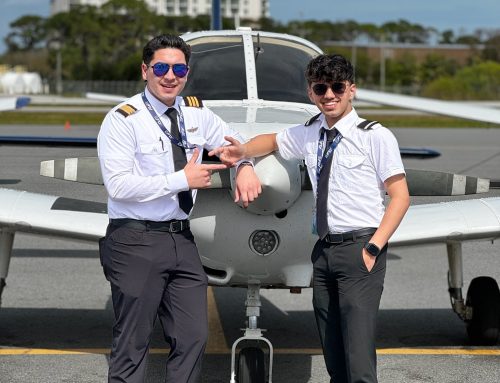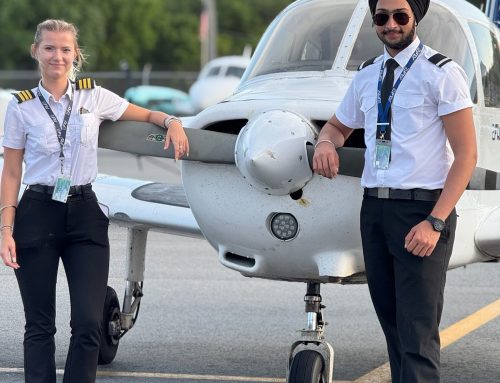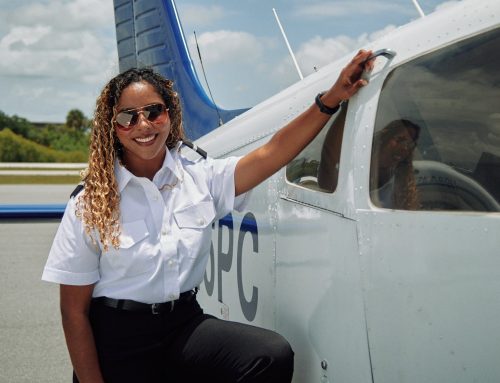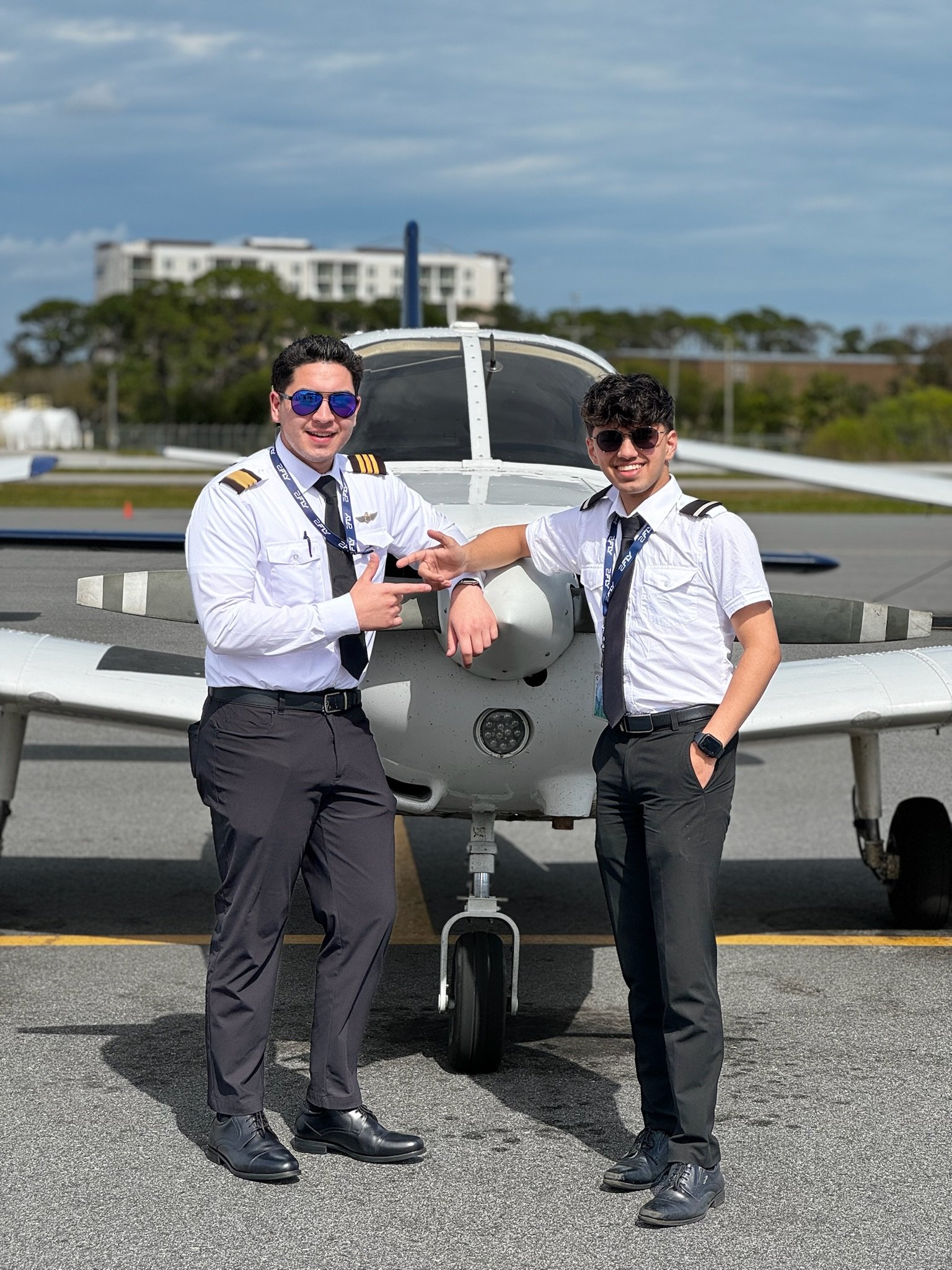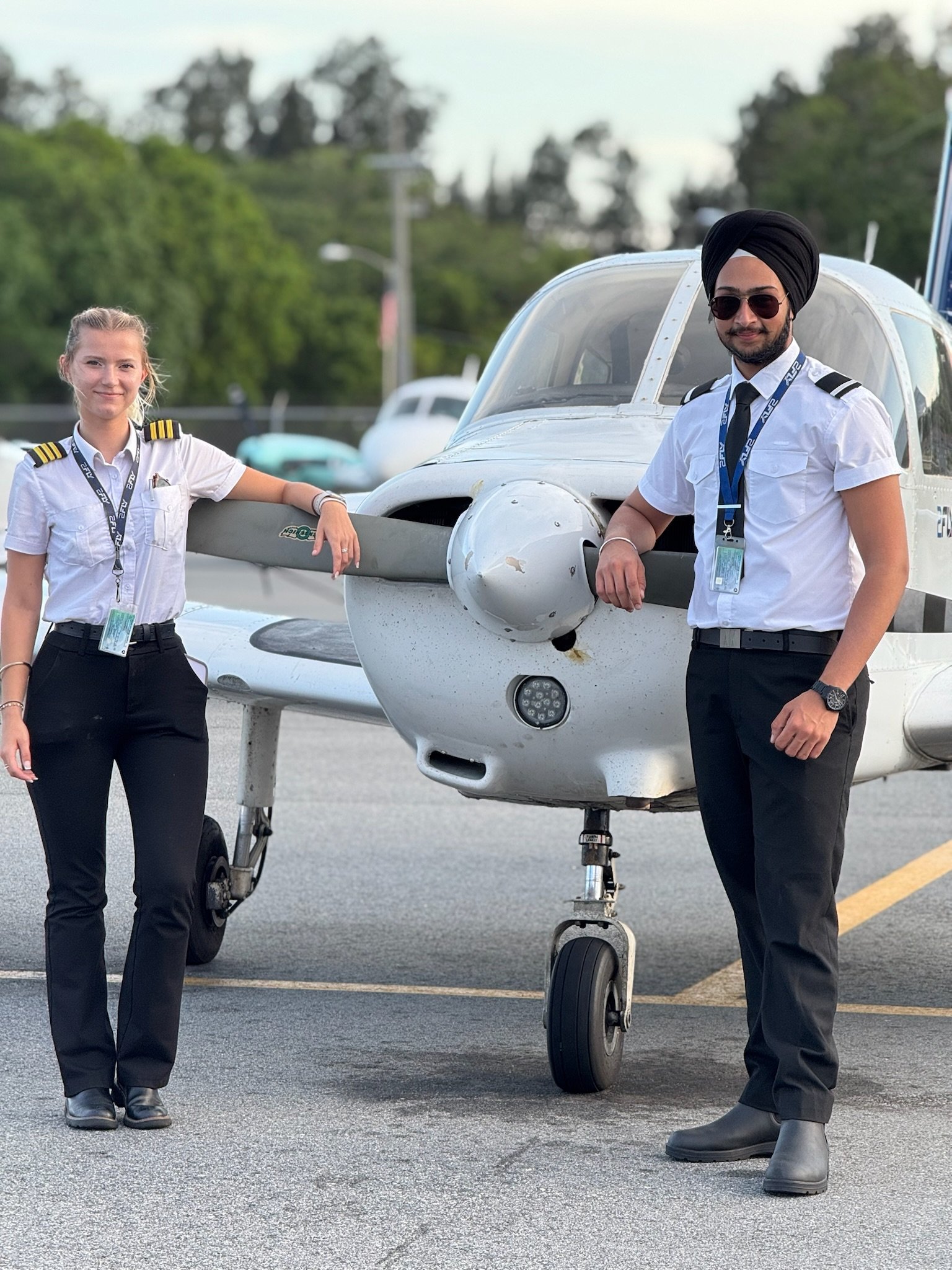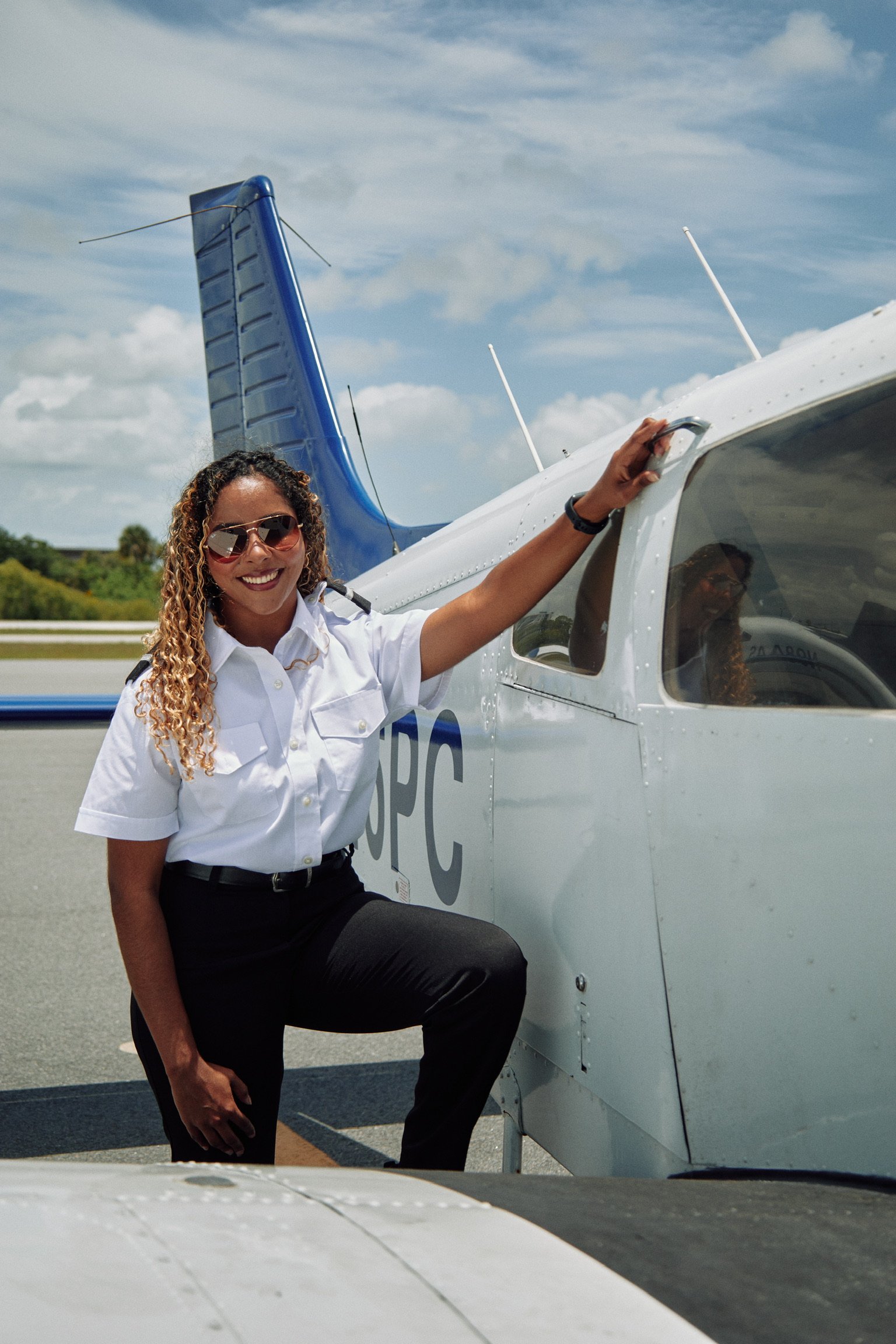
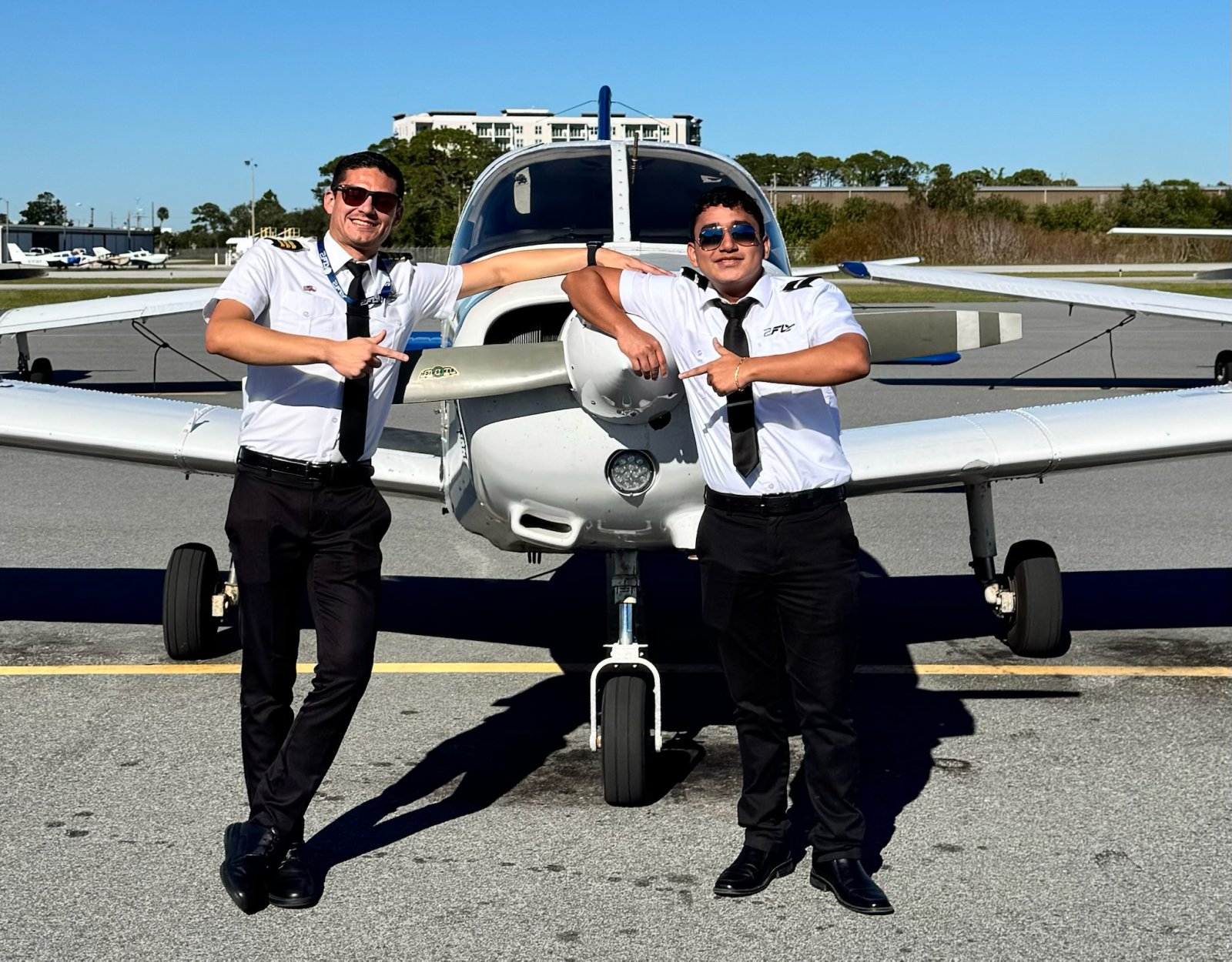
The multi-engine rating is the definitive golden ticket for any pilot aiming for the flight deck of a major airline. It represents a significant shift from simply operating an aircraft to managing a complex, high-performance system. If you’re looking for multi-engine commercial pilot training florida offers the ideal environment to master these advanced skills. You’ll move beyond the basics of flight into a world of sophisticated systems and demanding maneuvers.
You likely recognize that mastering asymmetrical thrust and engine-out procedures is the most challenging part of this transition. It’s natural to feel some anxiety about the technical precision required during a critical engine failure. This guide promises to demystify those complexities and bridge the gap between your commercial certification and a professional airline career.
We will explore the practical differences between Part 61 and Part 141 training structures to help you choose the most efficient path. You’ll gain a clear understanding of the technical demands of twin-engine flight and how to manage the costs of building multi-engine time. By the end, you’ll have a clear roadmap to secure your place in the global aviation industry.
Key Takeaways
- Understand why the Multi-Engine (ME) rating is the essential “golden ticket” required to transition from general aviation to a professional airline career.
- Master the critical aerodynamic forces of twin-engine flight, specifically how to manage asymmetrical thrust and engine-out procedures with precision.
- Discover why the consistent weather and specialized infrastructure make multi-engine commercial pilot training florida the global standard for efficient certification.
- Learn how to utilize advanced flight simulators to reduce training costs while preparing for the technical demands of a professional checkride.
- Explore the advantages of an immersive training environment, including on-campus housing that allows you to focus entirely on reaching your professional milestones.
Why the Multi-Engine Rating is the “Golden Ticket” for Commercial Pilots
The Multi-Engine (ME) rating is far more than a simple endorsement on your certificate. It’s the fundamental requirement for anyone aspiring to sit in a commercial cockpit. Within the U.S. Pilot Certification Framework, this rating serves as the bridge between general aviation and the world of professional airliners. Airlines prioritize pilots with multi-engine experience because it demonstrates the ability to handle complex aircraft systems and maintain safety through operational redundancy.
When you pursue multi-engine commercial pilot training florida becomes your primary classroom for mastering these high-stakes skills. You’ll stop thinking like a solo operator and start adopting the mindset of Crew Resource Management (CRM). This shift is vital. 2FLY Airborne views the ME rating as a critical career bridge, ensuring you’re prepared for the rigorous demands of an international airline career.
Meeting Airline Hiring Standards in 2026
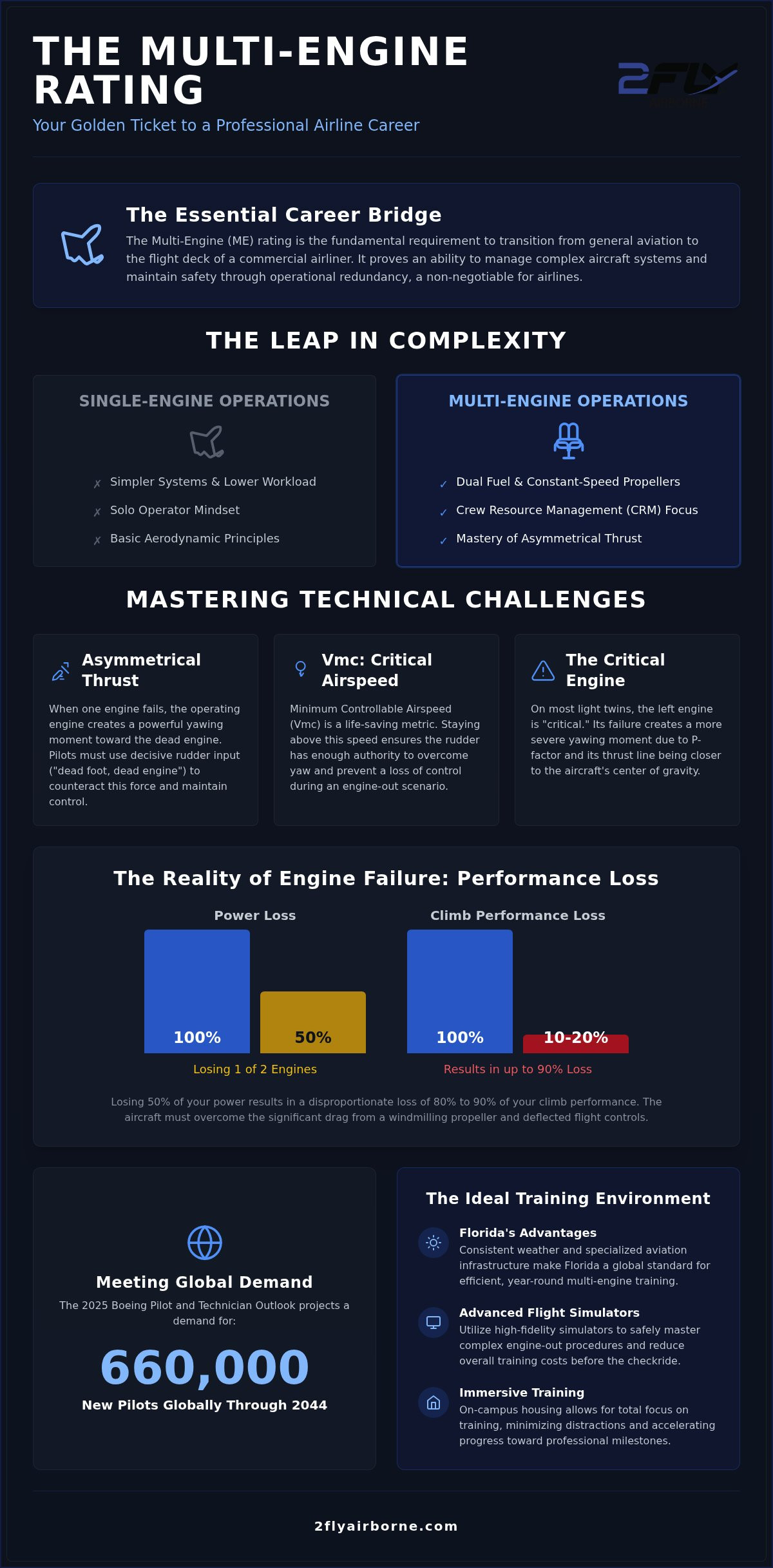
To reach the flight deck of a major carrier, you’ll typically need to navigate the 1,500-hour rule or qualify for restricted ATP paths. Having a Multi-Engine rating is a non-negotiable part of this journey. The 2025 Boeing Pilot and Technician Outlook projects a demand for 660,000 new pilots globally through 2044. This massive demand means airlines are looking for candidates who can demonstrate technical mastery early in their careers.
Gaining your Multi-Engine Instructor (MEI) rating later provides a significant competitive advantage. It allows you to build the required multi-engine hours while teaching others, which is often the fastest route to meeting regional airline minimums. It’s about being proactive in your career progression.
The Shift from Single-Engine to Twin-Engine Operations
Transitioning from a simple aircraft like a Cessna 172 to a twin-engine machine is a major leap in complexity. You aren’t just managing one engine anymore; you’re coordinating dual fuel systems and constant-speed propellers. The workload increases significantly as you monitor more gauges and manage higher speeds. This is where your professional habits are truly formed.
This transition requires a structured environment to ensure safety and proficiency. Our FAA Professional Pilot Program is designed to guide you through this process seamlessly. You’ll learn to handle the increased responsibility of managing asymmetrical thrust and complex systems, preparing you for the professional standards of the aviation industry. Choosing multi-engine commercial pilot training florida ensures you have the consistent flight hours needed to master these systems before your checkride.
Mastering the Technical Challenges of Multi-Engine Flight
Mastering a twin-engine aircraft requires a deep understanding of aerodynamics that single-engine training simply doesn’t touch. When you enroll in multi-engine commercial pilot training florida instructors will push you to master the concept of the “Critical Engine.” On most light twins, failing the left engine creates a more significant yawing moment than failing the right. This happens because the center of thrust from the right engine is further from the fuselage, making it harder to counteract the rotation.
Directional control is your primary concern during an engine failure. You’ll learn to manage asymmetrical thrust, where one engine pushes the aircraft into a turn while the other remains silent. This is where Vmc, or Minimum Controllable Airspeed, becomes a life-saving metric. Staying above Vmc ensures the rudder has enough airflow to maintain a straight heading and prevent a loss of control.
Understanding Asymmetrical Thrust and P-Factor
P-factor occurs because the descending blade of the operating engine produces more thrust than the ascending blade. This creates a powerful yawing moment toward the dead engine. You’ll need to use the rudder decisively to counteract this force. A common student error is failing to apply enough “dead foot, dead engine” logic quickly. This delay can lead to dangerous heading deviations during high-workload phases of flight.
Performance Limitations and Single-Engine Service Ceilings
Losing 50% of your power usually results in losing 80% to 90% of your climb performance. The aircraft must overcome the massive drag of a windmilling propeller and the deflected control surfaces. Understanding your single-engine service ceiling is vital, especially when flying in warmer climates. If you’re above this altitude when an engine fails, you’ll need to execute a “drift down” procedure to reach a level where the aircraft can maintain level flight.
Managing these risks requires strict adherence to the FAA Commercial Pilot Requirements during your checkride. You must be proficient in the “Identify, Verify, Feather” sequence to secure the failed engine and minimize drag. Weight and balance play a critical role here too. An over-weighted aircraft might not be able to maintain altitude on a single engine, regardless of pilot skill.
If you’re ready to tackle these technical hurdles, our FAA Professional Pilot Program provides the rigorous training environment needed for success.
Choosing the Right Training Environment in Florida
Florida’s reputation as the global capital for multi-engine commercial pilot training florida is well-earned. The state offers a unique combination of high-density airspace and consistent weather that accelerates the learning curve. You’ll gain experience navigating complex traffic patterns and communicating with busy air traffic control towers. This environment prepares you for the professional intensity of airline operations from day one.
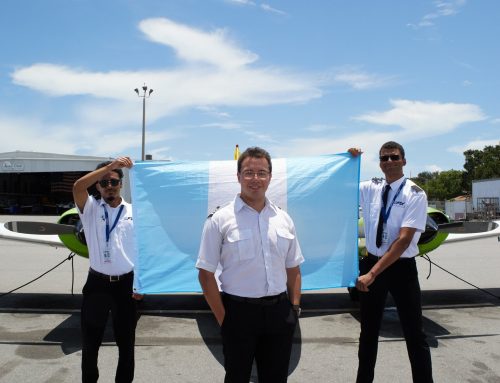
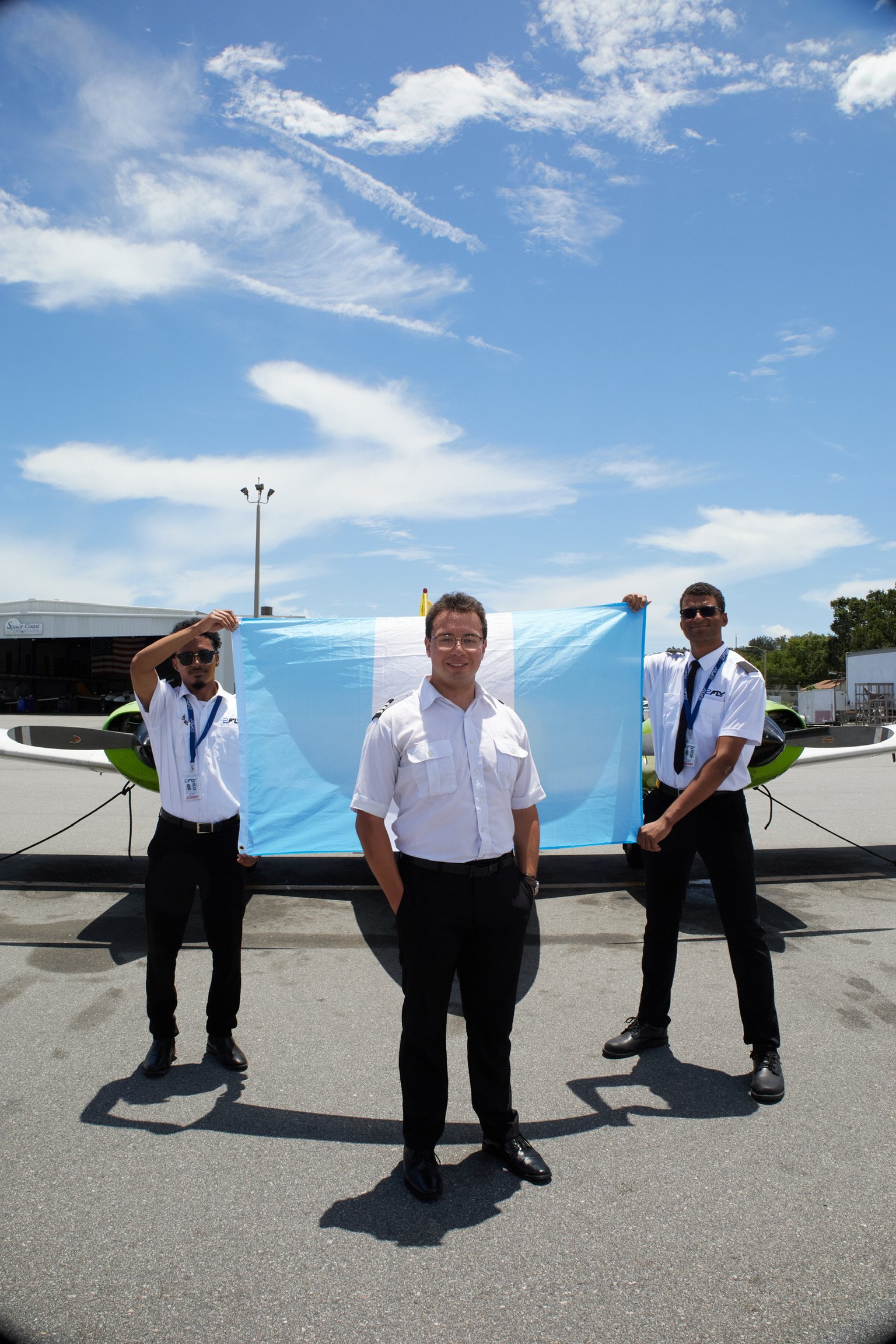
For international candidates, Florida is particularly accessible. We support M-1 and F-1 visa sponsorship, allowing students from around the world to pursue their dreams in a world-class setting. This global perspective is reflected in our student body, creating a diverse training atmosphere that mirrors the international reach of the aviation industry. You aren’t just learning to fly; you’re joining a global network of professionals.
Part 61 vs. Part 141: Which Path is Faster?
Choosing between Part 61 and Part 141 depends on your career goals and learning style. Part 61 offers flexibility for those who need a custom schedule, while Part 141 provides a highly structured, FAA-approved syllabus. According to the AOPA Commercial Pilot Guide, the structured path is often preferred for those targeting a professional career. It ensures every hour in the cockpit is tied to a specific learning objective.
Our FAA First Officer Program utilizes this structured approach to ensure you’re job-ready. We focus on career readiness, moving you efficiently through the curriculum without sacrificing technical depth. This methodical progression mirrors the training you’ll eventually receive at a major airline, making the transition much smoother.
The Florida Advantage: Weather and Density Altitude
Florida’s climate offers more than just sunny days; it provides essential “real-world” training. High humidity and heat create high density altitude conditions, which significantly impact twin-engine performance. You’ll learn how thin air affects lift and engine output, a critical lesson for managing safety margins. Year-round flying prevents the “skill decay” that often plagues students in colder climates where training is frequently grounded.
Mastering the convective weather patterns in Florida, such as rapid afternoon thunderstorms, builds a pilot’s decision-making skills. Airlines value this experience because it shows you can handle unpredictable environments with composure. The 2025 Boeing Pilot and Technician Outlook projects a demand for 660,000 new pilots globally through 2044. Training in Florida’s challenging conditions gives you the competitive edge needed to meet this massive global demand.
The Training Timeline: From Ground School to Checkride
Many pilots assume the multi-engine rating is just about adding another throttle, but it’s actually a complete shift in operational philosophy. When you begin multi-engine commercial pilot training florida instructors will guide you through a timeline designed for maximum proficiency. This process usually takes between 10 to 15 hours of flight time, depending on your individual skill level and previous experience. You aren’t just learning to fly faster; you’re learning to manage a more complex environment.
Before you step into the cockpit, you must meet the FAA Commercial Pilot prerequisites. For those training under Part 61, you’ll need 250 total flight hours, while Part 141 programs allow for a minimum of 190 hours. Advanced flight simulators play a vital role in this timeline. They allow you to practice high-risk emergency procedures, like engine failures during takeoff, in a safe and cost-effective environment before moving to the actual aircraft.
Phase 1: Ground School and System Familiarization
The first phase focuses on mastering the Pilot Operating Handbook (POH) for your specific twin-engine aircraft. You’ll spend roughly 15 to 20 hours of dedicated study time preparing for the oral portion of the checkride. This isn’t just memorization; you must understand the mechanics of landing gear, hydraulics, and feathering propellers. If you’re just starting your journey, you can learn more about the initial steps in our guide on How to Become a Pilot.
Understanding how a feathering propeller works is critical for safety. When an engine fails, the blades must be turned parallel to the airflow to stop them from spinning and creating massive drag. You’ll also dive deep into the fuel system’s cross-feed capabilities. This knowledge ensures you can maintain balance and fuel flow during single-engine operations.
Phase 2: Flight Maneuvers and Emergency Procedures
Once you’re in the air, you’ll practice familiar maneuvers like steep turns and stalls, but with the added weight and power of two engines. The most demanding part of the training involves “Engine Out” procedures. In the simulator, you’ll master V1 cuts, which simulate an engine failure at the most critical moment of takeoff. This prepares you for the high-pressure environment of an airline checkride.
The final step is the practical exam with a Designated Pilot Examiner (DPE). You’ll be expected to demonstrate total command of the aircraft, especially during simulated emergencies. Earning this rating is the most effective way to position yourself for those upcoming opportunities. If you’re ready to start your journey, explore our FAA Professional Pilot Program today.
Accelerating Your Career with 2FLY Airborne
2FLY Airborne provides more than just flight hours; it delivers a professional environment that mirrors the daily operations of a major airline. Choosing multi-engine commercial pilot training florida means you’re entering an institution that treats every flight as a professional duty. This rigorous standard ensures you’re prepared for the high expectations of regional and international carriers from your very first day.
Financial transparency is a core part of our commitment to your success. We offer fixed-price tuition options for our professional programs, allowing you to plan your career without the stress of unexpected costs. International students also receive dedicated support for M-1 and F-1 visa administrative processing, making the transition to training in the United States as seamless as possible.
Immersive Training and On-Campus Living
Residing in our on-campus housing fosters a collaborative learning culture that is difficult to replicate elsewhere. You’ll live and study alongside fellow aviators, creating a support network that extends far beyond the classroom. This proximity gives you 24/7 access to training facilities and mentors, allowing for a truly immersive experience that accelerates your progress.
This environment encourages constant discussion of maneuvers, systems, and regulations, which is essential for mastering the technical demands of twin-engine flight. For those looking to manage their investment, we provide several Financing options for eligible students. This accessibility ensures that driven candidates can focus entirely on their training goals without distraction.
Your Direct Pipeline to the Airlines
Our training philosophy is built on the end result: your transition into a regional airline cockpit. We don’t just teach you to pass a checkride; we prepare you for the lifestyle and professional standards of a first officer. Networking events and industry connections within the 2FLY community provide a distinct advantage when you begin your job search in a competitive market.
The global need for qualified aviators continues to grow at a rapid pace. By training in a professional setting today, you’re securing your place in this expanding industry. You can speak with a 2FLY Training Advisor today to map out your multi-engine career path and take the final step toward your professional goals.
Take Command of Your Professional Aviation Career
Earning your Multi-Engine rating is the final, crucial step in transitioning from a trainee to an industry-prepared professional. By mastering the complexities of asymmetrical thrust and engine-out procedures, you’re proving your ability to maintain safe operations in demanding scenarios. This rating is your definitive gateway to international professional mobility and a successful airline career.
Choosing the right environment is essential for this technical leap. Our multi-engine commercial pilot training florida provides the structured syllabus and expert mentorship you need to succeed. We offer fixed-price career pilot paths and full visa sponsorship for M-1 and F-1 students, ensuring your focus remains entirely on your professional development. You’ll benefit from a world-class setting that mirrors the rigors of the industry.
Your journey to the flight deck is closer than you think. Reach out to our team to discuss how our programs align with your long-term goals or to ask any specific questions about the enrollment process. Speak with a 2FLY Training Advisor about our Multi-Engine programs to start your professional transition today. We look forward to supporting your journey to the highest levels of the profession.
Frequently Asked Questions
How long does it take to get a multi-engine commercial rating?
Most students complete their multi-engine commercial pilot training florida in approximately 10 to 15 hours of flight time. This timeline varies based on your individual learning pace and previous experience with complex systems. You’ll also need to dedicate about 15 to 20 hours to ground school and oral exam preparation. A structured environment ensures you move through these phases efficiently while meeting all professional standards.
What are the FAA requirements for a multi-engine commercial pilot add-on?
To earn a multi-engine add-on, you must already hold a valid Commercial Pilot Certificate. You’ll need to demonstrate proficiency in multi-engine maneuvers, including engine-out procedures and asymmetrical thrust management. Once your instructor provides the required endorsement, you must pass a practical test with a Designated Pilot Examiner (DPE). There is no FAA-mandated minimum hour requirement for the add-on itself, focusing instead on pilot proficiency.
Is multi-engine flight training harder than single-engine training?
Multi-engine training is technically more demanding because it introduces asymmetrical thrust and complex system management. You’ll learn to maintain control during an engine failure, which requires significant rudder input and precise airspeed management. While the workload is higher, this training is what prepares you for the professional environment of an airline cockpit. It transitions you from flying a machine to managing a complex flight deck.
Can I use a multi-engine rating for my Private Pilot Certificate?
Yes, you can obtain a multi-engine rating at the Private Pilot level. However, most aspiring professionals wait until they have earned their Commercial Pilot Certificate to add the rating. This approach is generally more cost-effective and aligns better with airline recruitment timelines. Earning it as a commercial add-on ensures you’re meeting the technical standards required for a career in professional aviation and international flight operations.
Why is Florida considered the best state for multi-engine training?
Florida is the global hub for multi-engine commercial pilot training florida due to its consistent flying weather and high-density airspace. The environment provides real-world experience with density altitude and convective weather patterns, which are vital for professional development. Training in high-traffic areas prepares you for the communication and navigation challenges you’ll face at major airports. It offers a year-round schedule that prevents skill decay during your certification process.
How much does multi-engine flight training typically cost in 2026?
The cost of your training depends on whether you choose a modular path or a structured professional program. Pay-as-you-go rates for twin-engine aircraft and instructor time vary based on the total hours needed to reach proficiency. At 2FLY Airborne, we provide fixed-price options for our professional pilot paths to ensure financial transparency. This allows you to plan your career progression without worrying about unexpected tuition increases during your training.
What aircraft is commonly used for multi-engine training?
Light twin-engine aircraft such as the Piper Seminole and Beechcraft Duchess are the industry standards for multi-engine training. These aircraft are specifically designed for flight instruction, offering reliable performance and predictable handling during engine-out maneuvers. They feature complex systems like constant-speed propellers and retractable landing gear. Training in these models provides a solid foundation for transitioning to larger regional jets later in your professional career.
Do I need a multi-engine rating to fly for a major airline?
A multi-engine rating is a non-negotiable requirement for anyone seeking a position with a major airline or corporate flight department. Airlines require twin-engine experience because it demonstrates your ability to handle complex systems and maintain safety through operational redundancy. Obtaining this rating is the most effective way to secure your place in this industry.
Article by
2FLY Airborne
2Fly Airborne is a professional flight training organization dedicated to developing the next generation of skilled, confident, and safety-focused pilots. With decades of combined aviation experience, our team of certified instructors provides structured, real-world training designed to prepare students for both checkrides and long-term success in the aviation industry.
Content Disclaimer
Some blog content is generated with the assistance of automated tools and may not always be fully accurate or up to date. Please verify all aviation-related information with official sources or a certified instructor. For additional guidance or clarification, we encourage you to contact one of our training advisors at 2Fly Airborne.