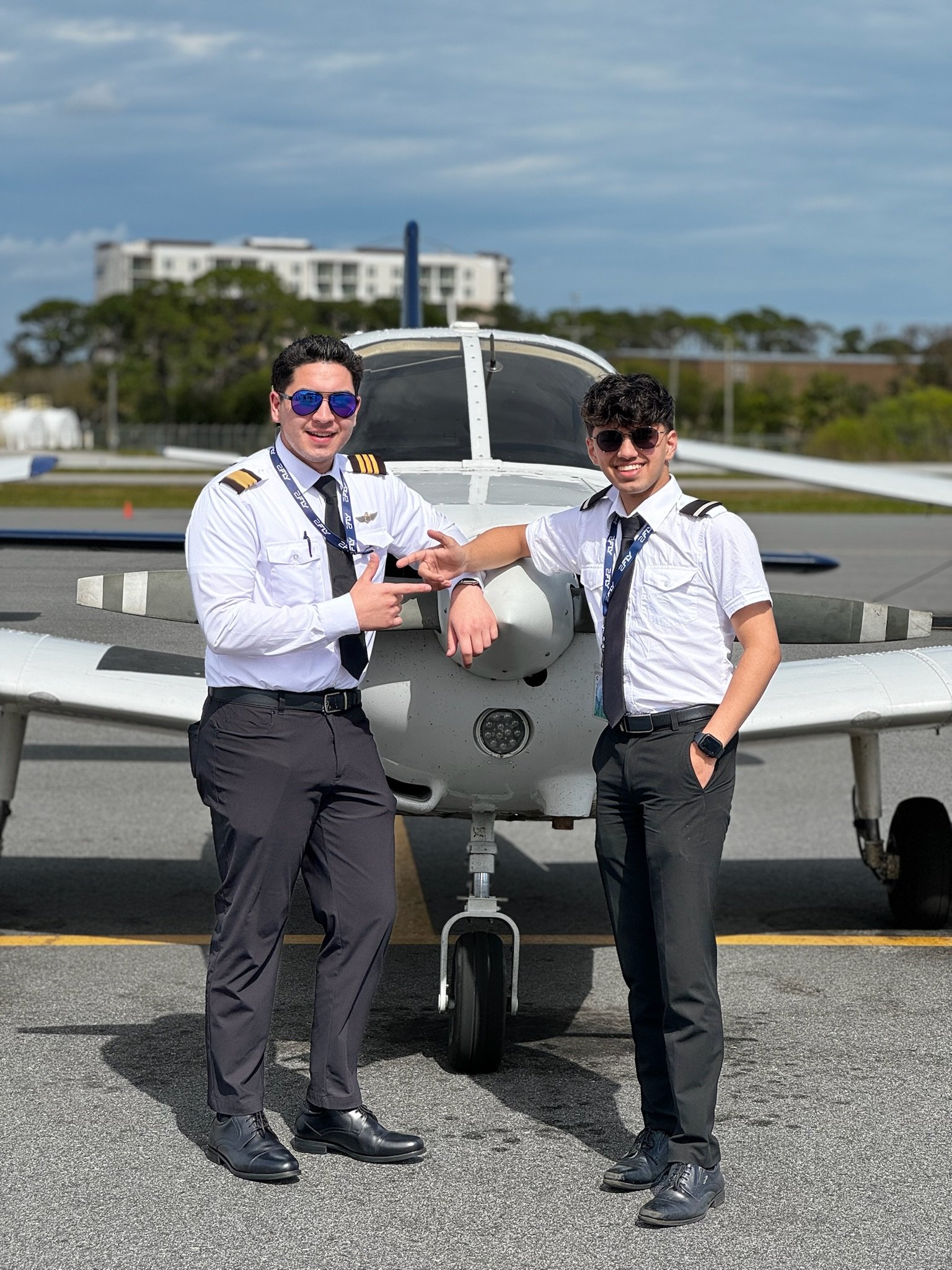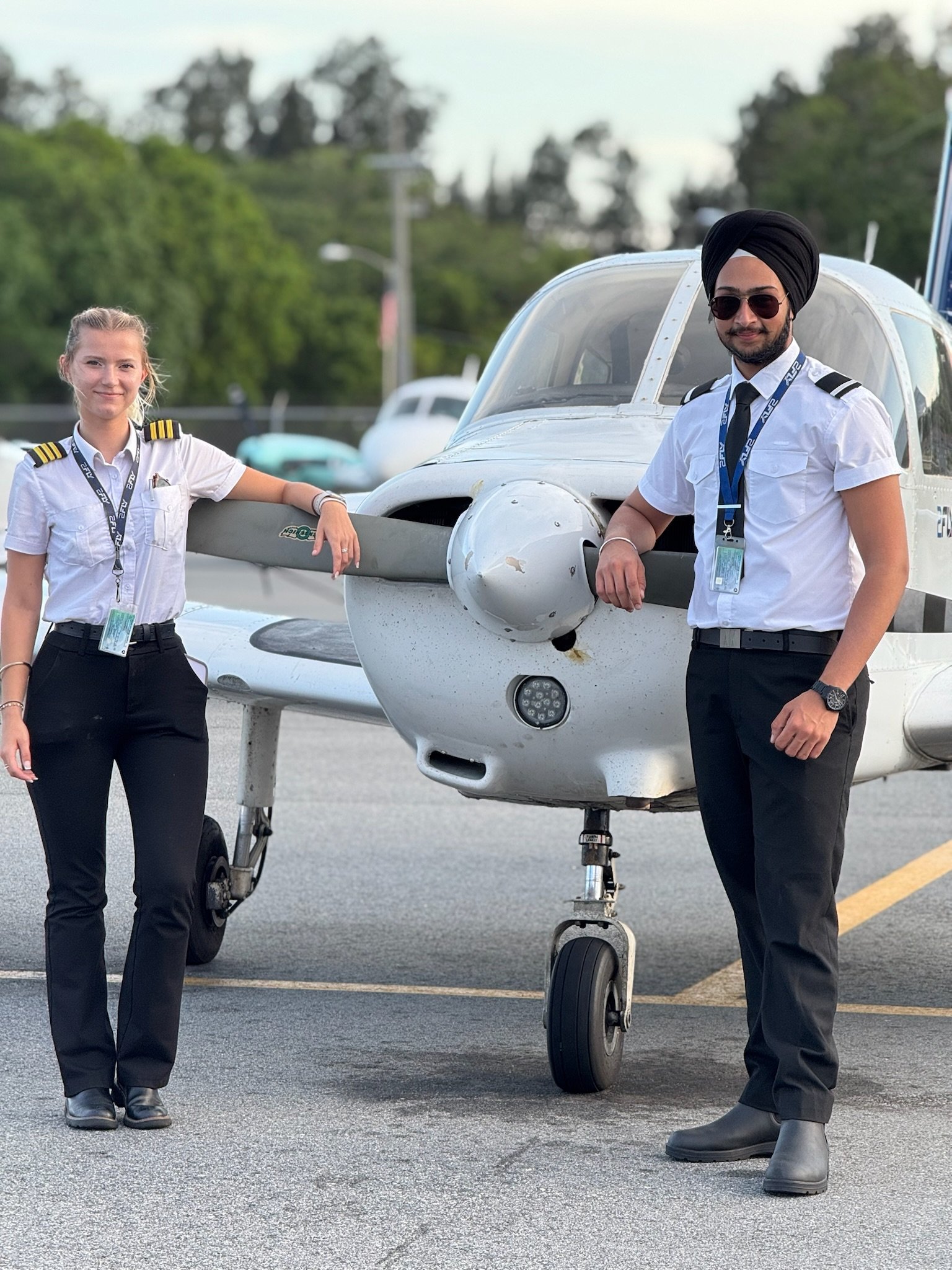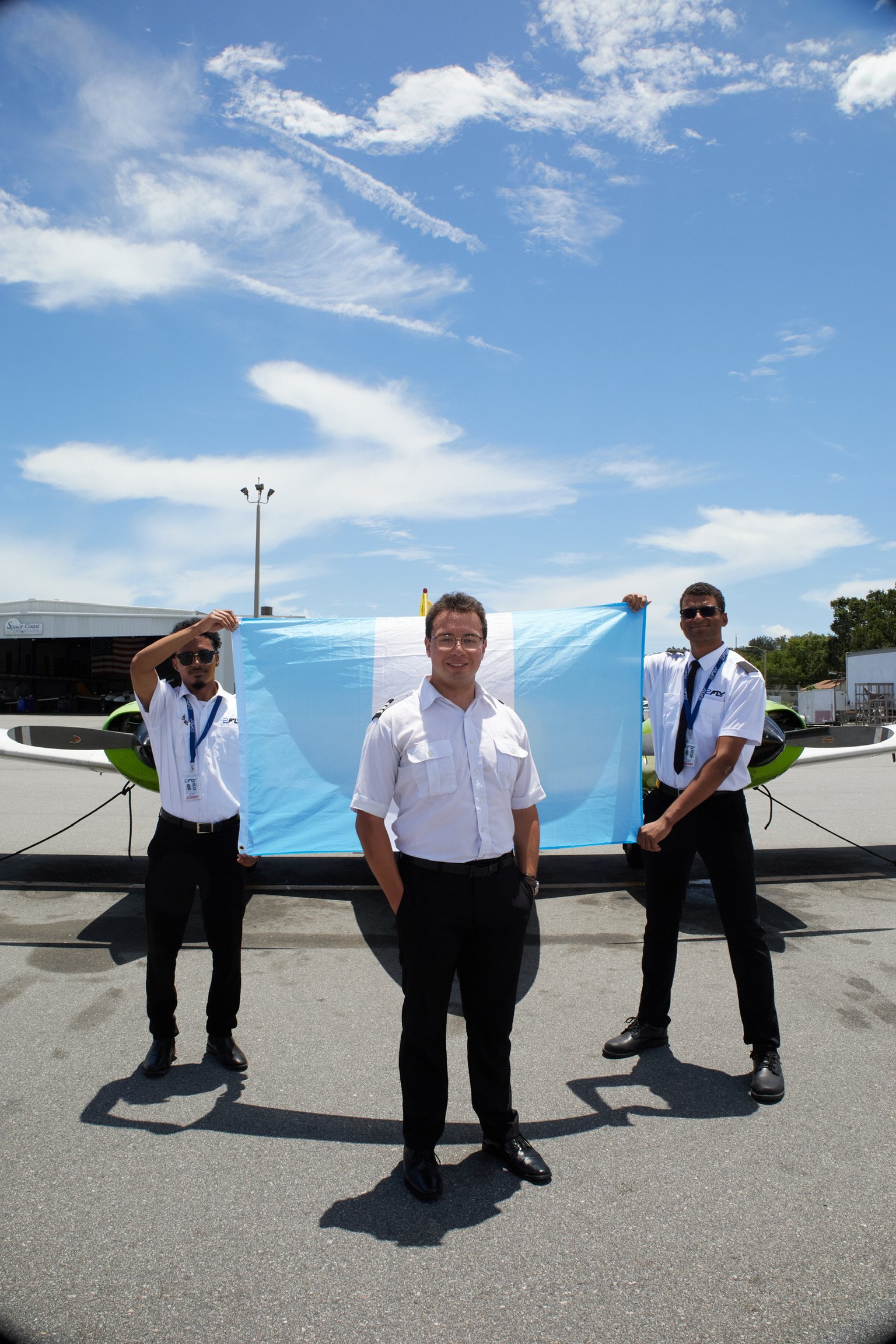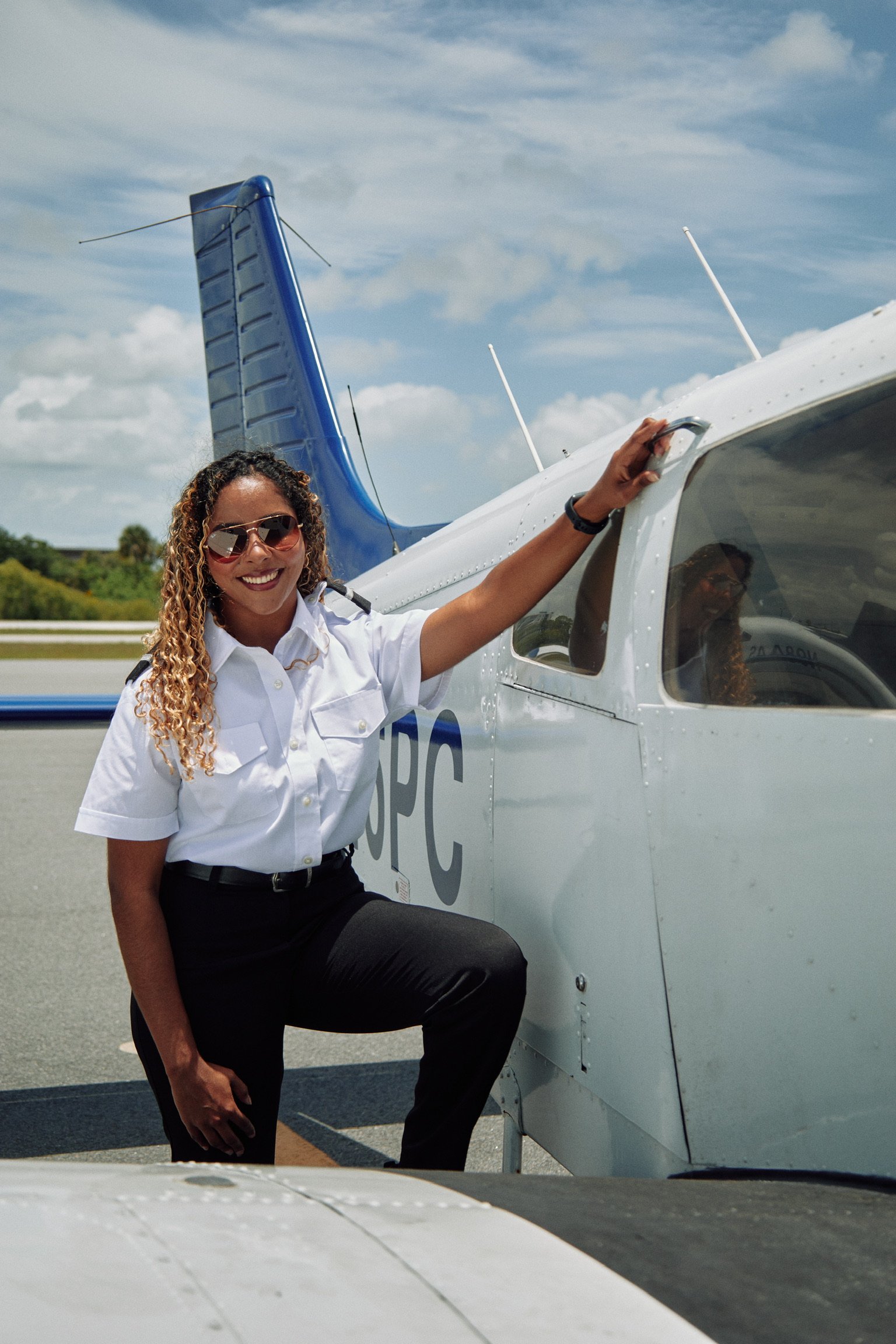
What if the most challenging part of your aviation journey isn’t mastering a steep turn, but navigating the regulatory path to reach the cockpit? For many aspiring aviators, the dream of training in the United States often feels stalled by a complex web of documentation and security protocols. Understanding the specific flight school requirements for international students is the first step toward transforming that ambition into a professional reality.
We know that the distinction between M1 and F1 visas can be confusing, and the prospect of a US Embassy interview often brings unnecessary stress. It’s natural to feel uncertain about TSA background checks or the exact timeline for medical clearances. You aren’t just looking for a school; you’re looking for a clear, reliable gateway to a global career.
This guide provides a definitive roadmap for your 2026 training start. You’ll master the M1 visa process and discover how to launch your commercial career through structured, professional training. We’ll examine everything from I-20 issuance to your arrival in the US, ensuring you have the confidence to choose the right vocational path for your future.
Key Takeaways
- Understand why the M1 visa is the primary vocational tool for students pursuing a professional pilot career in the United States.
- Learn how to navigate the administrative process, from obtaining your I-20 form to completing the mandatory DS-160 application.
- Identify the mandatory flight school requirements for international students, including the TSA security assessment and the FAA medical certification process.
- Compare the vocational M1 visa against the academic F1 visa to select the most efficient path for your commercial pilot training.
- Explore how a structured FAA Professional Pilot Program provides a direct pipeline from initial training to professional readiness.
Understanding the M1 Visa for Flight Training
The United States remains the premier destination for pilot training due to its vast airspace, diverse weather patterns, and the rigorous standards of the Federal Aviation Administration (FAA). For those arriving from overseas, the M-1 visa serves as the essential legal bridge to this world-class education. This specific visa category is designed for students attending vocational or non-academic programs, making it the primary choice for professional flight training.
Meeting the flight school requirements for international students begins with a clear understanding of your eligibility status. You must possess a valid passport from your home country and demonstrate a high school level of education or its equivalent. While the FAA allows individuals to begin certain training earlier, most professional programs require candidates to be at least 18 years old to ensure they can meet commercial licensing milestones and employment standards.
To better understand what life looks like once you arrive at your chosen academy, watch this helpful overview of the student pilot experience:
Why Choose the M1 Path for Aviation?
The M1 visa is the industry standard for those seeking a fast-tracked transition into the cockpit. It focuses entirely on technical mastery, allowing you to dedicate your full attention to flight hours and ground school without the distraction of unrelated academic electives. This streamlined approach is ideal for students enrolled in a structured FAA First Officer Program.
Another advantage is the global recognition of FAA certifications. Pilots trained under the M1 framework in the US often find their credentials highly valued by international carriers because of the high proficiency levels required. The program is designed for full-time, immersive training, which helps you build the necessary decision-making skills in a shorter timeframe than traditional university routes.
The Global Need for Professional Pilots
Choosing the right training environment is a strategic career decision that extends far beyond the initial solo flight. The 2025 Boeing Pilot and Technician Outlook projects a demand for 660,000 new pilots globally through 2044. This massive requirement highlights the importance of training in a system that is respected by airlines across every continent.
By selecting a school with a proven career pipeline, you position yourself to meet this global demand head-on. US flight schools offer exposure to complex air traffic control environments and advanced technology that are often unavailable in other regions. This technical edge ensures you graduate as an industry-prepared professional ready for the rigorous demands of commercial aviation.
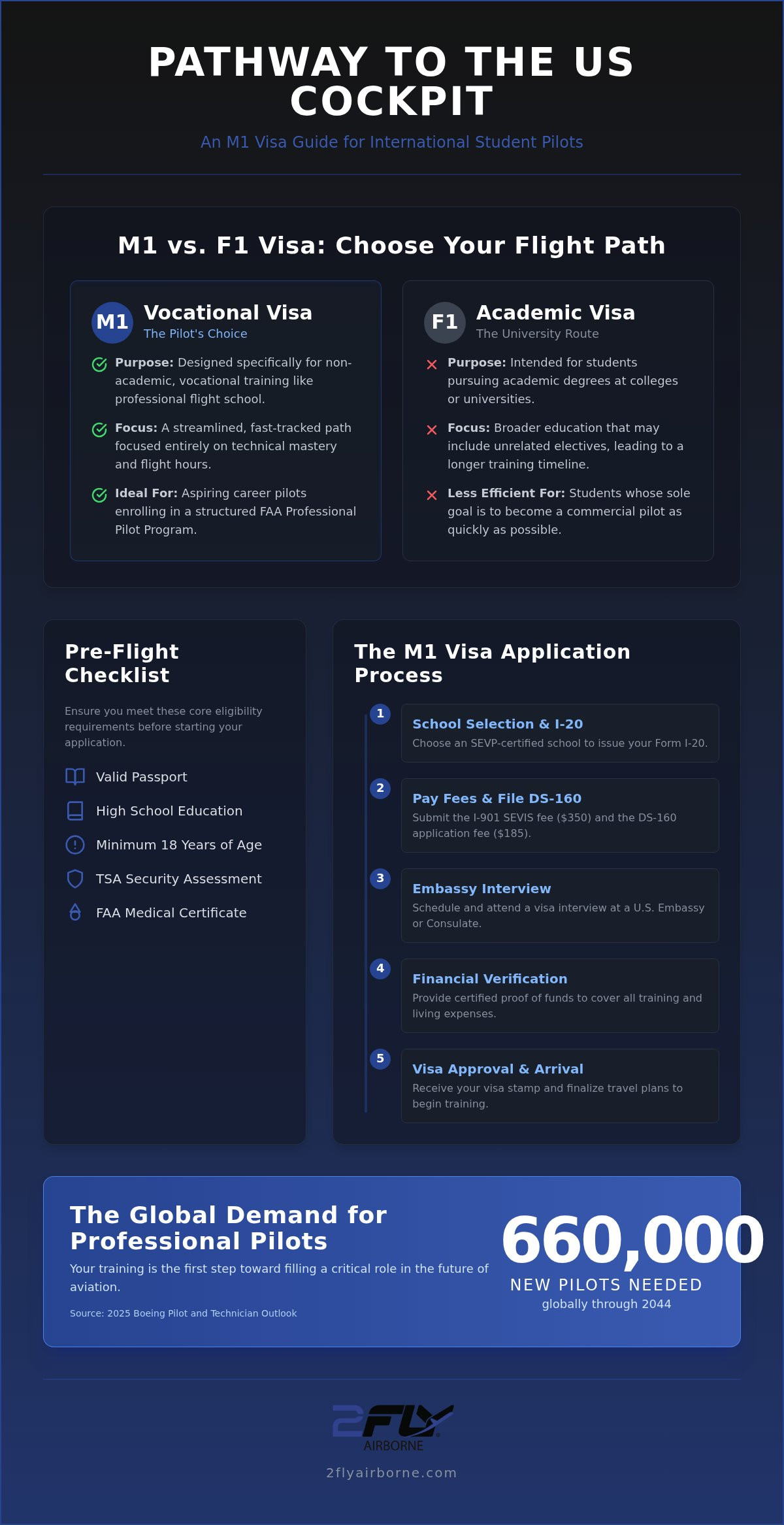
The Step-by-Step M1 Visa Application Process
Moving from an initial inquiry to a flight deck in the United States requires a disciplined, methodical approach to documentation. This process is a sequence of mandatory milestones designed to ensure you meet all U.S. student visa requirements before you ever set foot on campus. Each step must be completed with precision to avoid delays in your training timeline.
The journey begins with five critical phases:
- School Selection: You must choose an academy certified by the Student and Exchange Visitor Program (SEVP) to issue the Form I-20.
- Fee Submission: Pay the mandatory $350 I-901 SEVIS fee to register in the government tracking system and complete the online DS-160 application, which carries a $185 fee.
- Interview Scheduling: Secure an appointment at your nearest US Embassy or Consulate once your paperwork is processed.
- Financial Verification: Gather certified bank statements and sponsorship letters to prove you can cover the full cost of training and living expenses.
- Arrival Planning: Once the visa is stamped in your passport, you can finalize your travel to begin your professional syllabus.
Meeting these flight school requirements for international students is more manageable when you have an expert mentor guiding you through the administrative burden. If you’re ready to begin this transition, speaking with a training advisor can help clarify your specific timeline.
Securing Your Form I-20
The Form I-20 is your Certificate of Eligibility for Nonimmigrant Student Status. It’s the foundational document for your entire application. To receive this from a flight school, you’ll need to submit proof of your educational background and evidence of sufficient funds for the duration of your stay. Most academies take between two and four weeks to process this request once all your supporting documents are verified.
Mastering the US Embassy Interview
The consular interview is the final hurdle in your application. Officers typically focus on your “non-immigrant intent,” meaning you must demonstrate strong ties to your home country and a clear plan to return after your training. Be prepared to discuss your specific aviation career goals and why you’ve chosen a US-based vocational program. Presenting yourself as a focused, professional candidate who understands the rigors of the industry will instill confidence in the officer reviewing your case.
M1 vs. F1 Visas: Which is Right for Your Pilot Career?
Selecting the correct visa is as critical as selecting the right aircraft for a cross-country flight. The choice between an M1 and an F1 visa is one of the most consequential decisions you’ll make in your early career. While both allow you to train in the United States, they serve fundamentally different career trajectories. Meeting the flight school requirements for international students involves a careful evaluation of these two paths to ensure your legal status aligns with your professional goals.
The M1 visa is the definitive vocational tool. It’s designed specifically for students who want to focus exclusively on technical skills without the additional burden of a four-year academic degree. Conversely, the F1 visa is reserved for those enrolled in academic programs at colleges or universities. This path usually requires a longer commitment but offers different long-term benefits regarding stay duration and work authorization.
One of the primary differences lies in post-completion work authorization. M1 holders may apply for Practical Training (PT) after finishing their professional syllabus. This is typically authorized at a rate of one month of work for every four months of study, capped at a maximum of six months. F1 students can access Optional Practical Training (OPT), which provides up to 12 months of authorization. This is often utilized by students to build flight hours as an instructor before returning to their home region.
When to Choose the M1 Vocational Route
The M1 path is ideal for students focused on the FAA Professional Pilot Program. It’s the most efficient route for those who have a clear timeline to return to their home country for employment. This “Zero to Hero” approach minimizes administrative overhead and allows you to complete your certifications in a highly structured, accelerated environment. It feels like an elite institution because it remains accessible to those with the drive to succeed quickly.
Choosing the M1 visa also simplifies your financial planning. Because the training is focused, you spend less time on non-aviation requirements. This makes it a preferred option for high-achievers who value technical mastery and a direct pipeline to the commercial cockpit. It provides a stable and world-class setting for professional development without the distractions of a general academic syllabus.
The F1 Alternative: For Degree-Seekers
If your goals include obtaining a university degree alongside your pilot certificates, the Degree Program with Airline Pilot Training is the correct choice. This F1-sponsored route is better suited for students considering long-term residency or those who want the added security of an academic credential. The extended duration of stay allows for a more gradual training pace and the significant benefit of OPT for professional development.
Selecting this path depends on your individual career anchor. If your priority is a rapid return to your local market with a full set of FAA certificates, the M1 remains the superior vocational tool. However, if you seek a broader educational experience and more time to build hours within the US system, the F1 provides the necessary academic framework. Both paths require meticulous attention to detail during the application process.
TSA Clearance and Pre-Arrival Requirements
Entering the cockpit as an international trainee requires more than just a visa. You must also satisfy specific security and medical criteria established by the TSA and the FAA. These flight school requirements for international students ensure that every candidate meets the high safety standards of the US aviation system before training begins.
The Alien Flight Student Program (AFSP) is a mandatory security threat assessment for all non-U.S. citizens. You’ll register online and pay a $130 fee for each new training category, such as your initial certificate or instrument rating. This process verifies your background and is a prerequisite for any actual flight time.
Physical readiness is equally vital to your success. You must pass an examination by an FAA-authorized Aviation Medical Examiner to secure your medical certificate. Additionally, you’ll need to demonstrate English proficiency to the ICAO Level 4 standard. Because English is the universal language of air traffic control, clear communication is a non-negotiable safety requirement.
Navigating the TSA Security Process
Security clearance isn’t a one-time event. You’ll need to apply for TSA authorization for each major milestone, including your Private Pilot, Instrument, and Multi-Engine ratings. Fingerprinting is a critical step in this process, which you can often complete at authorized centers either in your home country or upon arrival in the United States. Starting your security registration early prevents delays in your flight schedule. You can speak with a training advisor to ensure your TSA and medical paperwork is in order before you travel.
Preparing for Life in the United States
Success in an accelerated syllabus depends on your ability to focus entirely on your training. Choosing a school with on-campus residential accommodation eliminates the stress of daily commuting and local logistics. This immersive environment allows you to live and breathe aviation alongside fellow high-achievers from around the world.
You should also create a comprehensive budget that accounts for health insurance and daily living costs. Life in Florida offers a fantastic training environment, but you must be prepared for the financial realities of living abroad. For a detailed breakdown of these expenses, consult our Flight School Cost Guide.
Launching Your Career with the FAA Professional Pilot Program
The final phase of your journey isn’t just about meeting the legal flight school requirements for international students; it’s about transforming that eligibility into a professional career. Integrating your M1 visa with a structured career syllabus ensures that every hour spent in the aircraft or simulator moves you closer to a commercial cockpit. This methodical approach is designed for maximum efficiency, allowing you to focus on technical mastery while we manage the regulatory complexities.
One of the most significant advantages for international candidates is the availability of fixed-price flight training. Financial transparency is essential when planning a move to the United States. A fixed-price model provides the certainty you need to manage your budget from day one, covering the progression from your initial Private Pilot Certificate to your Commercial Multi-Engine rating in a single, cohesive program.
The global aviation industry continues to expand at a rapid pace. The 2025 Boeing Pilot and Technician Outlook projects a demand for 660,000 new pilots globally through 2044. Training in the US prepares you to meet this demand by providing exposure to the world’s most sophisticated airspace and training standards. This technical edge ensures you graduate as an industry-prepared professional ready for the rigorous demands of international airlines.
Structured Success: The 2FLY Airborne Advantage
Our administrative team acts as your dedicated mentor throughout the enrollment process. We provide comprehensive support for your visa application and SEVIS registration, ensuring that your transition to the US is seamless. Once on campus, you’ll have access to state-of-the-art simulators and a diverse fleet of aircraft. This combination of administrative expertise and elite training facilities creates a stable, world-class environment for your development.
We also maintain a global network of recruitment offices to assist students from various regions. This international perspective ensures that our training remains aligned with global regulatory standards. You aren’t just joining a school; you’re entering a direct pipeline to employment that values both technical proficiency and professional discipline.
Final Steps: From Trainee to First Officer
As you complete your ratings, your focus will shift toward the global market. Whether you plan to convert your FAA licenses for use in your home country or leverage them in other regions, the skills you’ve gained will be your primary asset. FAA ratings are respected worldwide as a mark of excellence and vocational preparedness. This prestige provides you with significant professional mobility as you begin your career as a First Officer.
Taking the first step toward the flight deck requires a proactive approach. Our advisors are ready to help you navigate the specific flight school requirements for international students based on your unique background. To begin your professional transition, reach out to a 2FLY Training Advisor to begin your enrollment today.
Take Command of Your Aviation Future
The transition from an aspiring pilot to an industry-ready professional is a methodical progression that requires both passion and precision. You now have a clear roadmap for navigating the M1 visa process, from securing your I-20 to successfully completing your consular interview. Mastering the specific flight school requirements for international students is the first critical milestone in a career that offers unparalleled global mobility.
Safety and structure are the cornerstones of elite aviation training. By choosing a program that integrates fixed-price tuition models with dedicated visa sponsorship and on-campus residential housing, you remove the administrative friction that often stalls international candidates. This focused environment allows you to dedicate your full attention to technical mastery and the rigorous demands of the FAA Professional Pilot Program. Your ambition deserves a training setting that is as stable and world-class as the career you’re pursuing.
We’re here to ensure your journey to the flight deck is seamless and professional. Speak with a 2FLY Training Advisor today to begin your enrollment and finalize your 2026 training timeline. Please reach out to a 2FLY Training Advisor with any remaining questions you have about launching your international aviation career.
Frequently Asked Questions
How long does it take to get an M1 visa for flight school?
The timeline for obtaining an M1 visa typically ranges from four to eight weeks. This duration accounts for the two to four weeks required for an academy to issue your Form I-20 and the subsequent wait time for your US Embassy interview. It’s vital to begin this process at least three months before your planned start date to account for any local administrative delays.
Can I work in the US while on an M1 visa?
Employment is generally prohibited for students on an M1 visa. Unlike academic F1 students who may have on-campus options, M1 holders are expected to be fully self-funded for the duration of their vocational studies. The only exception is a limited period of authorized practical training that occurs after you complete your professional pilot syllabus.
What happens if my M1 visa application is denied?
If your application is denied, the consular officer will provide a specific reason for the decision. Most denials for international flight students occur due to a perceived lack of ties to their home country. You’re permitted to reapply, but you must provide new evidence that addresses the officer’s initial concerns regarding your intent to return home after training.
Do I need to be fluent in English to get an M1 visa for pilot training?
You must demonstrate a high level of English proficiency to meet flight school requirements for international students. The industry standard is ICAO Level 4, which ensures you can communicate effectively with air traffic control and understand technical manuals. Fluency is a critical safety requirement for anyone operating in the complex US National Airspace System.
How much money do I need to show for the M1 visa financial requirement?
You must provide evidence of sufficient funds to cover the entire cost of your training and living expenses. This requirement is typically satisfied through certified bank statements or a letter from a financial sponsor. Consular officers look for liquid assets that prove you won’t need to seek employment during your stay in the United States.
Can I transfer from an M1 visa to an F1 visa later?
Transferring from an M1 to an F1 visa while staying in the US is generally prohibited by USCIS regulations. If you decide to move from a vocational path to an academic degree program, you’ll likely need to return to your home country and apply for a new visa category. This underscores the importance of choosing the correct path before you begin your journey.
Is the M1 visa valid for helicopter training as well?
The M1 visa is the appropriate category for various types of vocational flight training, including helicopter programs. While our focus remains on fixed-wing commercial aviation, the M1 framework is designed to support a wide range of non-academic technical certifications. Each specific rating requires its own TSA security clearance and medical validation to ensure full compliance.
What is the maximum duration of stay on an M1 visa?
An M1 visa is typically authorized for the duration of your training program plus a 30 day grace period. However, the total stay cannot exceed one year unless you apply for an extension to complete additional ratings. Understanding these flight school requirements for international students helps you plan your training milestones effectively to ensure you remain in legal status throughout your stay.
Article by
2FLY Airborne
2Fly Airborne is a professional flight training organization dedicated to developing the next generation of skilled, confident, and safety-focused pilots. With decades of combined aviation experience, our team of certified instructors provides structured, real-world training designed to prepare students for both checkrides and long-term success in the aviation industry.
Content Disclaimer
Some blog content is generated with the assistance of automated tools and may not always be fully accurate or up to date. Please verify all aviation-related information with official sources or a certified instructor. For additional guidance or clarification, we encourage you to contact one of our training advisors at 2Fly Airborne.