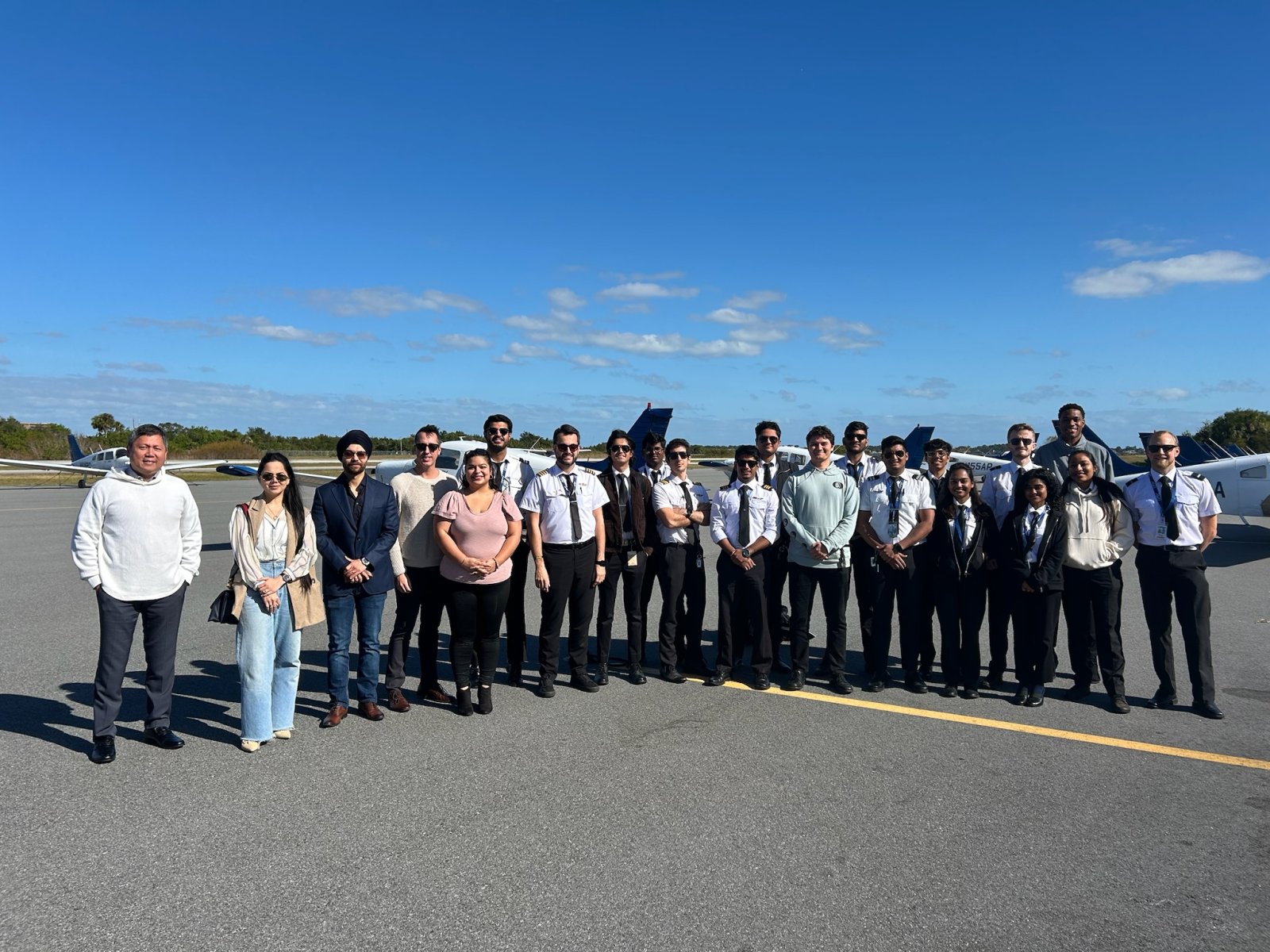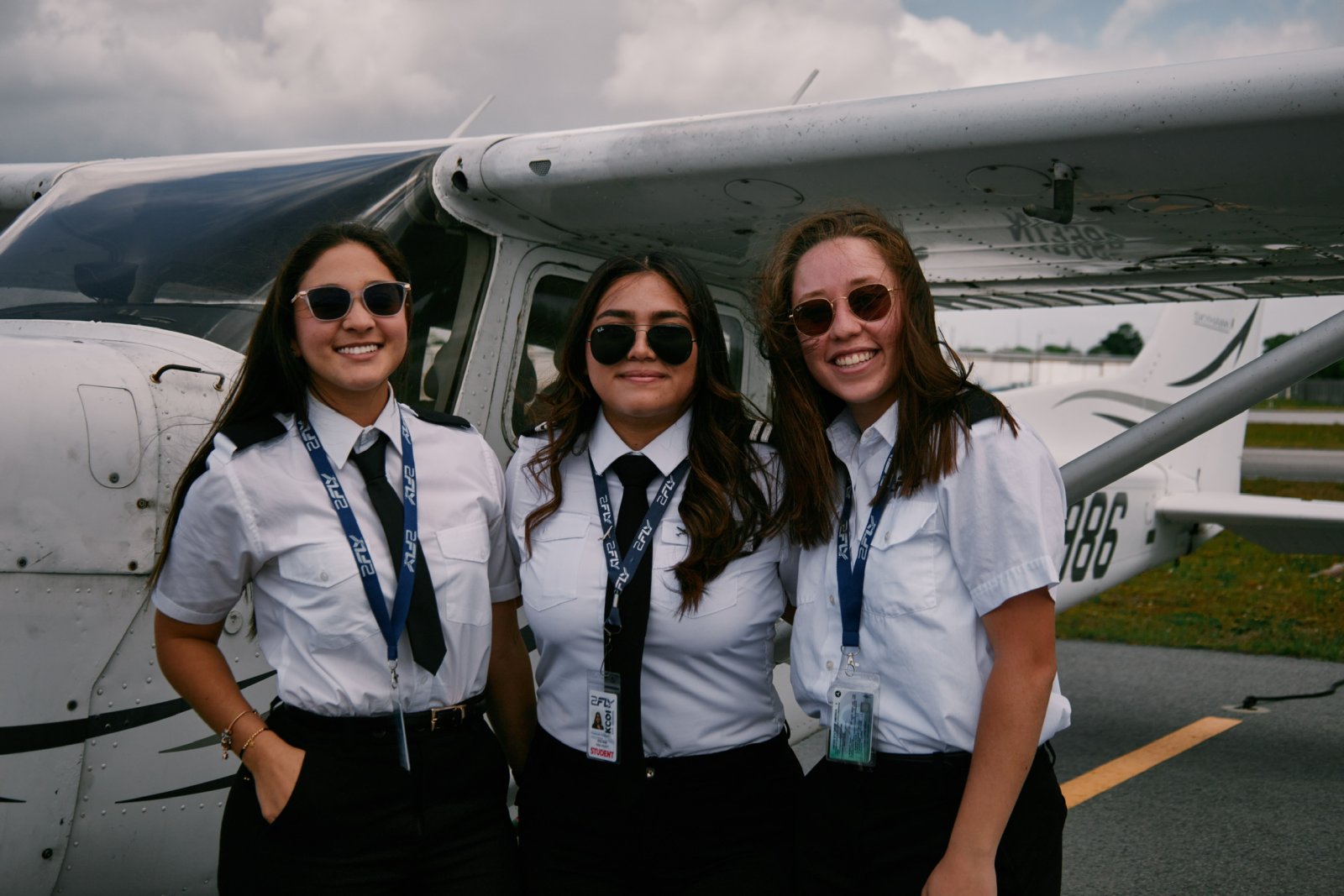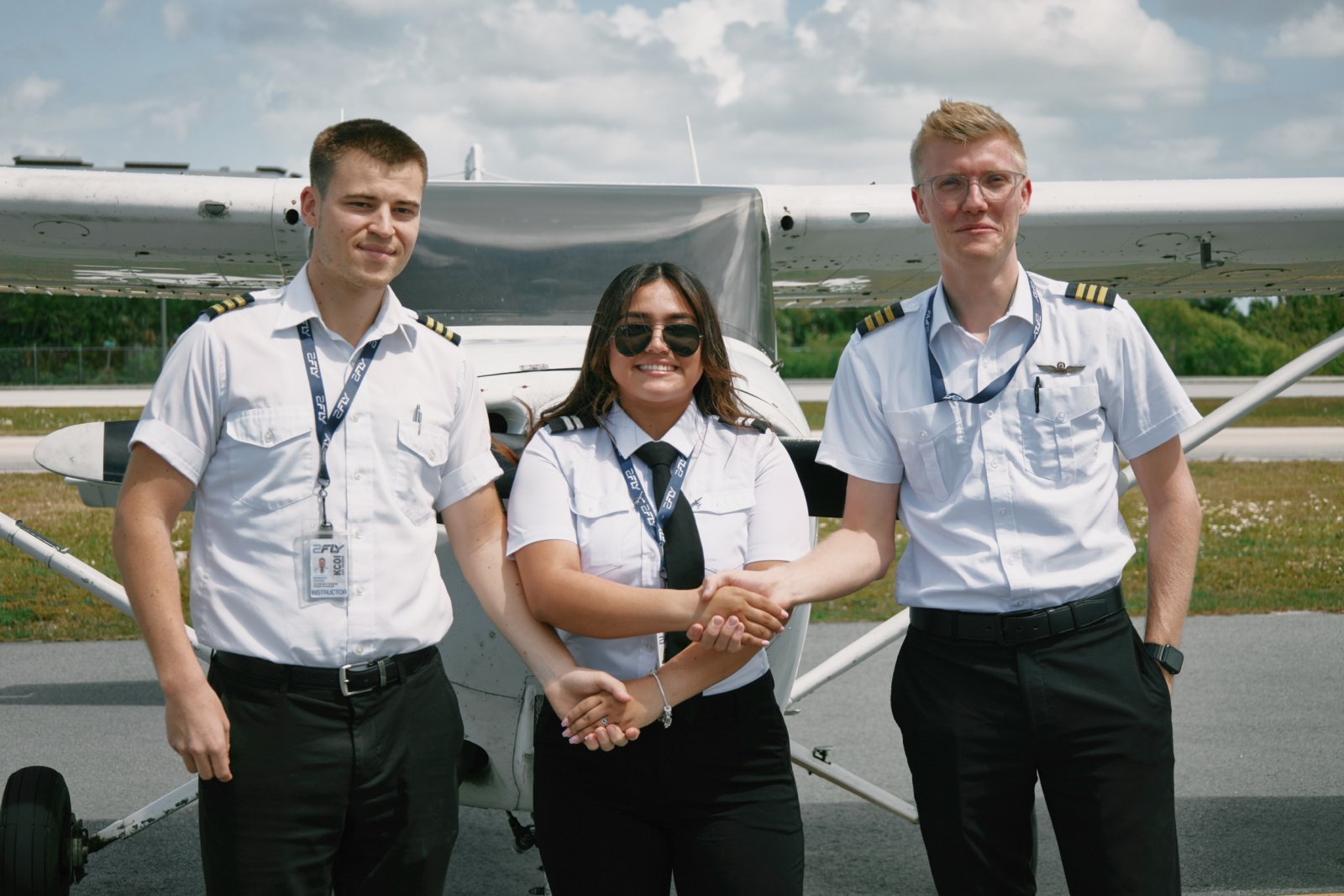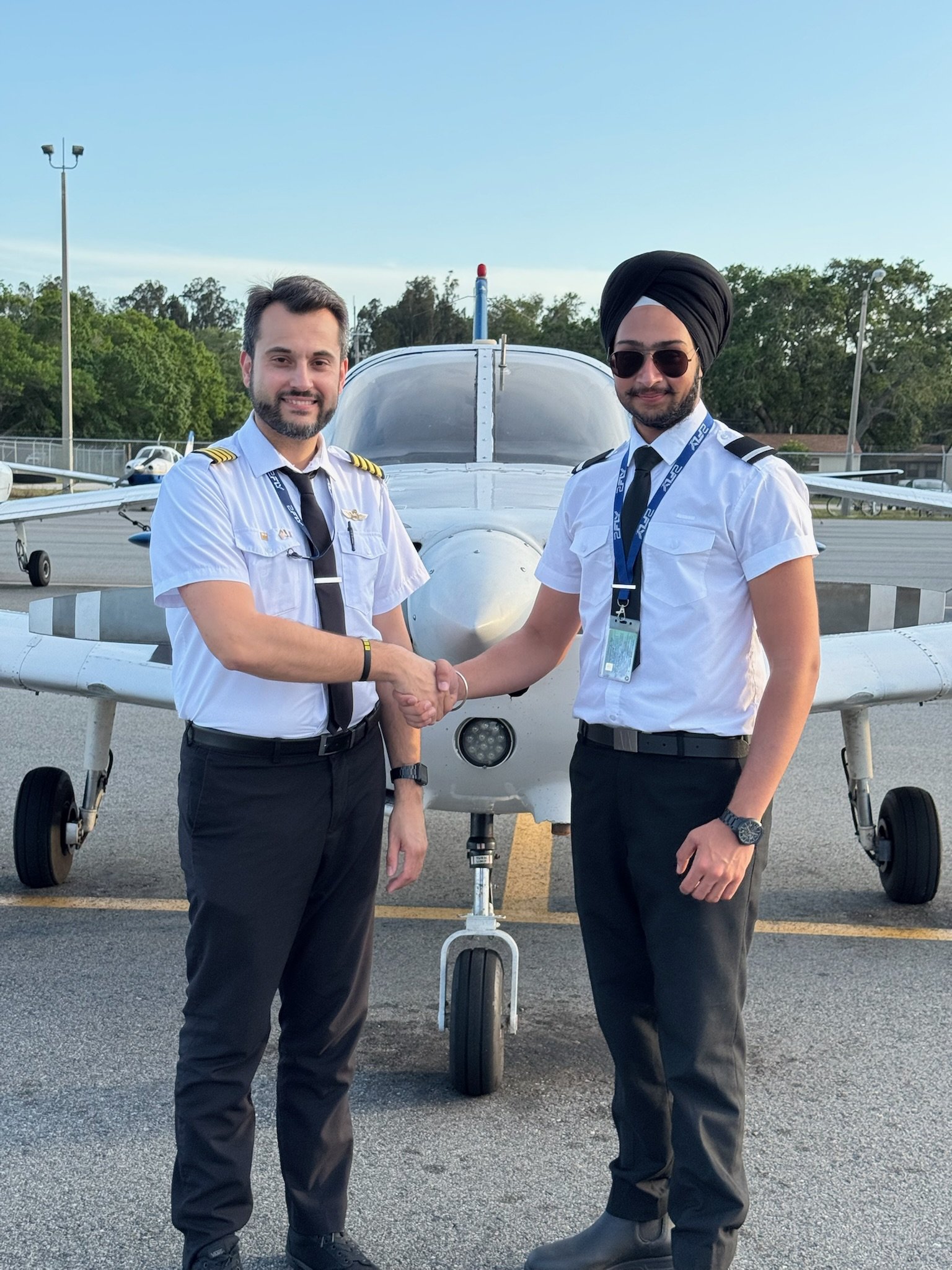
The fastest route to a European flight deck isn’t actually found in Europe. For many aspiring aviators, the traditional path through local flight schools often results in grounded aircraft and mounting costs due to unpredictable weather and congested airspace. By choosing to train in Florida, you can secure a dual faa easa pilot license while benefiting from year-round sunshine and world-class infrastructure. This strategic move doesn’t just save time; it positions you as a versatile professional ready for the global market from day one.
We understand the frustration of seeing your training timeline slip away because of a low ceiling or a sudden rainstorm. You want a clear, predictable journey to your ATPL (Frozen) without the hidden fees and logistical confusion of international conversions. This 2026 guide breaks down exactly how to navigate EASA regulatory standards from a US-based campus. We’ll explore the transition from trainee to industry-prepared professional, detailing the 12-18 month timeline and the fixed-price structures that make international professional mobility a reality.
Key Takeaways
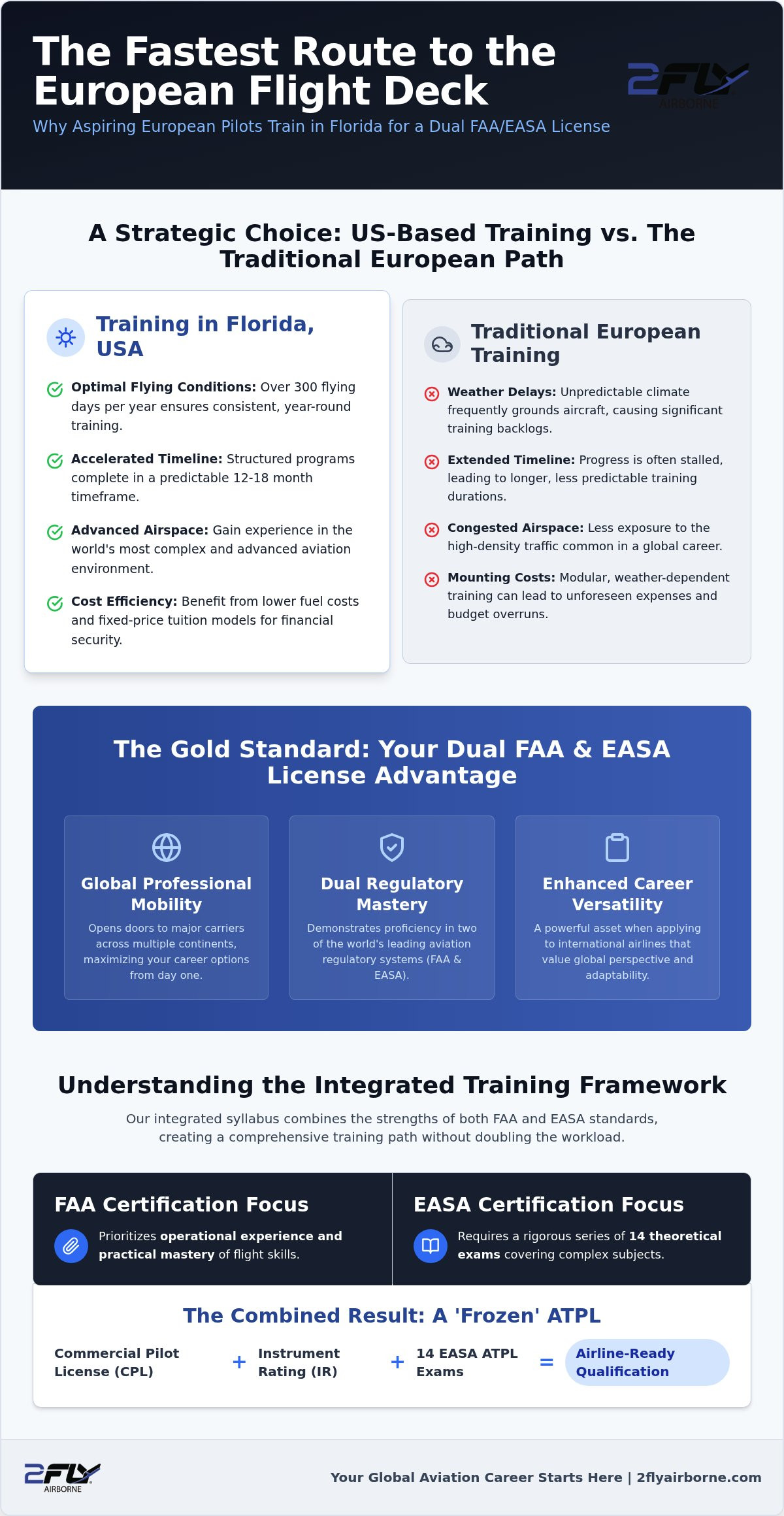
- Discover why Florida’s climate provides a strategic advantage, offering over 300 flying days per year to keep your training on a strict 12-18 month schedule.
- Learn how a dual faa easa pilot license serves as the gold standard for professional mobility, opening doors to major carriers across multiple continents.
- Master the logistics of international training, from navigating the M-1 visa process to securing residential accommodation that simplifies your move to the United States.
- Evaluate the security of fixed-price tuition models that eliminate the financial uncertainty often associated with traditional modular flight training.
- Gain insight into the global demand for new pilots and how specialized training programs bridge the gap between being a student and an airline-ready professional.
Why Choose an EASA Flight School in the USA for 2026?
Choosing a flight school in Florida is a calculated career move for European students. It bridges the gap between high-quality instruction and optimal training conditions. By pursuing a dual faa easa pilot license in the United States, you bypass the logistical bottlenecks that often plague European academies.
Florida provides over 300 flying days per year. This consistency prevents the training backlogs common in the UK or Northern Europe, where weather frequently grounds fleets for weeks. You’ll find that lower fuel costs and the absence of landing fees at most US training airports provide a distinct financial advantage. These savings allow for more intensive training without the constant worry of budget overruns.
Training in the US places you in the most advanced airspace globally. You’ll learn to manage complex communications and high-density traffic patterns from your very first solo. This exposure builds a level of professional readiness that prepares you for the demands of a global aviation career. Programs like the FAA Professional Pilot Program provide the structured environment needed to master these skills.
The Operational Benefits of US Training Environments
Daily exposure to diverse air traffic control environments sharpens your situational awareness. You’ll maintain a consistent flight schedule that is vital for developing muscle memory and technical proficiency. This immersive environment is why US-trained pilots often graduate with a higher volume of flight experience compared to their European-trained counterparts.
Building confidence through regular flight operations is a cornerstone of professional development. In Florida, you won’t lose weeks of progress to seasonal rain or low visibility. Instead, you’ll engage in a steady progression that mirrors the rhythm of a professional airline schedule. This prepares you for the high-tempo environment of commercial aviation.
Regulatory Alignment: How EASA Training Works on US Soil
Training in Florida doesn’t mean compromising on European standards. Your education is overseen by the European Union Aviation Safety Agency (EASA) through approved instructors and examiners based directly at the academy. This dual-regulatory oversight ensures your skills meet the exact requirements of European carriers.
The 2026 standards are designed for seamless license recognition across all EU member states. By earning a dual faa easa pilot license, you demonstrate a mastery of two distinct regulatory systems. This versatility is a powerful asset when applying to international airlines that value global perspective and technical adaptability. You are not just getting a license; you are building a foundation for a lifelong career.
Understanding the Dual Licensing Path: FAA and EASA Integration
Holding a dual faa easa pilot license is the gold standard for pilots entering the industry in 2026. This combined certification represents a level of technical mastery and regulatory knowledge that sets you apart in a competitive job market. Integrating these two pathways during your initial training is far more efficient than attempting a conversion later in your career.
Our syllabus allows you to meet the stringent FAA pilot license requirements while simultaneously satisfying European theoretical and practical standards. This concurrent approach ensures that you don’t just learn two sets of rules; you develop a comprehensive understanding of international aviation systems. Invest in a certification that transcends borders and maximizes your professional reach.
The FAA vs. EASA Certification Framework
The primary difference between the two systems lies in the depth of theoretical study and specific flight hour distributions. While the FAA prioritizes operational experience and practical mastery, EASA requires a rigorous series of 14 theory exams covering complex subjects like aircraft general knowledge and flight planning. A Frozen ATPL is the combination of a Commercial Pilot License (CPL) and Instrument Rating (IR) with all 14 ATPL theory exams successfully completed.
Our integrated training model ensures you remain on track for both certifications without doubling your workload. This prepares you for the FAA Professional Pilot Program milestones while keeping your European career goals within reach. You’ll gain the confidence to operate in any environment, from busy US metroplexes to strict European instrument corridors.
Maximizing Global Employability
Airlines in the Middle East and Asia frequently seek pilots who possess a dual faa easa pilot license. This certification proves you can operate in diverse regulatory environments without the need for extensive retraining. It provides several strategic advantages:
- The ability to fly N-registered aircraft globally, a common requirement for corporate flight departments and international leasing companies.
- Direct access to recruitment pools in regions experiencing rapid aviation growth.
- A competitive edge during airline selection processes that value international perspective and technical adaptability.
This flexibility is your greatest career asset. It means you aren’t tied to a single region’s economic fluctuations. Instead, you can follow the strongest recruitment trends, moving seamlessly between European carriers and global operators. You’ll graduate not just as a pilot, but as a globally mobile professional ready for the highest levels of the industry.
Essential Logistics for International Students: Visas and Housing
Securing a dual faa easa pilot license in Florida requires more than just technical skill; it demands a solid logistical foundation. Transitioning to a new country for intensive training is a significant undertaking. We prioritize a streamlined administrative process to ensure you remain focused on your progression from day one. By handling the complexities of international relocation, we clear the path for your professional development.
Success in this fast-paced environment depends on stability. You shouldn’t have to worry about lease agreements or utility setups while preparing for a checkride. Our approach integrates these essential services into your training journey. This allows you to immerse yourself fully in the aviation culture and build the discipline required for a global career. While exploring international opportunities, you might also find interest in local heritage programs; for example, you can learn more about nature discovery initiatives in the Baltic region.
The M-1 vocational student visa is the standard requirement for international trainees in the United States. Your journey begins with the issuance of an I-20 form from our FAA-approved academy. This document serves as the official certification of your eligibility for student status. You’ll need this to schedule your interview at the local US Embassy or Consulate.
Planning is critical here. The current lead time for an M-1 visa application is typically 60 to 90 days. You must also pay the mandatory SEVIS I-901 fee, which is currently $350. To maintain your visa status, you’re required to maintain full-time attendance throughout your program. This structure keeps you accountable and ensures you meet your 12-18 month graduation timeline.
Living the Aviator Life: Housing and Campus Facilities
Focus is your most valuable asset during flight training. Residential accommodation is not just a convenience; it’s a strategic advantage that fosters a peer-learning environment. Living alongside fellow trainees allows you to share insights, conduct group study sessions, and build a professional network that lasts a lifetime. You’ll find that some of your most significant breakthroughs happen during evening discussions in the student lounge.
Our managed Student Housing and Residential Accommodation options eliminate the logistical stress of moving abroad. Your room is ready for you upon arrival, allowing you to transition from the airport to the briefing room within days. This immersive setting ensures you live and breathe aviation, which is essential for mastering the rigorous standards of a dual faa easa pilot license. By removing daily distractions, we help you maintain the momentum needed to reach the flight deck faster.
Comparing Training Structures: Fixed-Price vs. Modular Programs
Deciding on a training structure is one of the most critical financial decisions you’ll make. Many trainees overlook the hidden costs of pay-as-you-go models, which can quickly derail a career plan. A fixed-price program provides the certainty needed to focus entirely on earning your dual faa easa pilot license without the stress of fluctuating expenses.
Modular training often appears cheaper on paper. However, it frequently leads to budget overruns due to fuel surcharges, unexpected instruction needs, or aircraft availability issues. A comprehensive tuition fee typically covers your flight hours, ground school, and simulator sessions. This transparency ensures there are no surprises mid-way through your syllabus, allowing you to manage your investment with confidence.
Fleet quality is equally important. Training on modern, well-maintained aircraft reduces downtime and ensures you’re learning on technology that mirrors what you’ll find in a professional cockpit. Reliability in your fleet is essential for maintaining a predictable 12-18 month training timeline. When your aircraft is ready when you are, your progression remains steady and efficient.
The Fixed-Price Advantage for Career Students
For those committed to an airline career, fixed pricing eliminates the risk of price creep. It locks in your costs from day one, protecting you from market fluctuations in fuel or maintenance. This structured path accelerates your progress, allowing you to transition from a student to an industry-prepared professional without financial distractions. Explore your options for Financing Your Training to see how this model supports your long-term goals.
Modular Options for Targeted Skill Building
Modular training serves a specific purpose for pilots who don’t require a full ab-initio program. It’s an excellent choice for adding specific ratings, such as a Multi-Engine (ME) rating, or for those needing targeted Hour Building Packages to meet specific EASA requirements. If you already hold a Private Pilot License (PPL), you can customize your path to bridge the gap toward your commercial goals. This flexibility allows you to supplement your existing experience while still working toward a dual faa easa pilot license.
Ready to secure your future with a proven training model? Apply for the FAA Professional Pilot Program today and start your journey toward a global aviation career.
Launching Your Global Career with 2FLY Airborne
The transition from a training environment to a commercial flight deck is the most significant milestone in your journey. It marks the moment you shift from learning the fundamentals to executing professional standards at the highest level. Earning a dual faa easa pilot license in Florida ensures you are prepared for this leap, providing the technical foundation required by global carriers.
The industry outlook remains exceptionally strong for those with the right credentials. The 2025 Boeing Pilot and Technician Outlook projects a demand for 660,000 new pilots globally through 2044. This massive requirement underscores the value of an international perspective. By leveraging our global recruitment network and partner locations, you position yourself at the forefront of this demand.
Preparation for airline assessments and simulator evaluations is a core part of our final training phases. You’ll learn to demonstrate not just flying skill, but the decision-making and leadership qualities airlines prioritize. This focus on vocational preparedness turns your license into a direct pipeline to employment.
The Pathway to the First Officer Seat
Bridging the gap between graduation and a commercial role requires a strategic approach to hour building. The FAA First Officer Program is specifically designed to facilitate this transition, helping you gain the operational experience airlines demand. A Multi-Engine Rating (ME) is often the final technical hurdle for airline eligibility, proving you can handle complex aircraft systems under pressure.
Many graduates choose to become a Certified Flight Instructor (CFI) to build professional hours while refining their own skills. This role is highly respected by recruiters as it demonstrates a deep mastery of aviation theory and practical instruction. It’s a proven way to reach the required hour thresholds while maintaining a constant presence in the cockpit.
Your Next Steps Toward the Flight Deck
Your journey toward a dual faa easa pilot license starts with gathering the right information. We invite you to attend 2FLY Events to meet our training advisors and discuss your specific career goals. These sessions provide a granular look at the training syllabus and the reality of life as a professional pilot in the United States.
The path to the flight deck is defined by safety, structure, and professional mobility. We provide the definitive gateway for high-achievers who value technical mastery and long-term rewards. Reach out today for a personalized training consultation and take the first step toward your international aviation career.
Secure Your Future on the Global Flight Deck
The path to becoming a commercial pilot is demanding, but the rewards of an international career are unparalleled. By choosing to train in Florida, you leverage over 300 days of sunshine to complete your syllabus on a predictable timeline. This strategic environment allows you to focus on the technical mastery required for a dual faa easa pilot license, positioning you as a high-value candidate for airlines worldwide. You don’t have to wait for the weather to clear to reach your goals.
Our commitment to your success is built on EASA and FAA dual-regulatory approval, ensuring your training meets the most rigorous global standards. We provide the stability you need through fixed-price tuition security and dedicated on-campus international student housing. These foundations allow you to immerse yourself in the aviator life from day one. You aren’t just earning a certificate; you’re entering a direct pipeline to professional employment.
Ready to start your international aviation career? Speak with a 2FLY Training Advisor today. The demand for skilled pilots is growing, and your journey toward the flight deck begins with a single, decisive step. We’re here to guide you through every milestone of this elite profession.
Frequently Asked Questions
Can I work in Europe with an EASA license earned in the USA?
Yes, you can fly for any European airline with an EASA license earned in the United States. The training follows the exact same regulatory syllabus and standards as schools located within Europe. Because the license is issued by an EASA member state authority, it’s fully recognized across the continent. This allows you to transition directly into the recruitment pool for major European carriers upon graduation.
How long does it take to complete an EASA Frozen ATPL in Florida?
A full-time ab-initio program typically takes between 12 and 18 months to complete. The primary advantage of training in Florida is the consistent weather, which minimizes the seasonal delays often found in Europe. This structured timeline covers everything from your initial flight hours to the completion of all 14 ATPL theory exams. It’s an intensive path designed to get you into a first officer seat quickly.
What are the medical requirements for EASA pilot training?
You must hold a valid EASA Class 1 medical certificate to begin commercial flight training. Since you are pursuing a dual faa easa pilot license, you’ll also need to secure an FAA Class 1 medical certificate. These examinations confirm you meet the rigorous physical and mental health standards required for professional aviation. We recommend completing both medical exams before you arrive in the US to ensure a smooth start.
Do I need an M-1 visa if I already have a tourist visa for the US?
Yes, you must obtain an M-1 vocational student visa to legally undertake flight training in the United States. A standard tourist visa or ESTA does not permit full-time study or vocational training. You’ll need to use the I-20 form issued by the academy to apply at your local US Embassy. Training on an incorrect visa is a violation of immigration law and could jeopardize your future career.
Is housing included in the flight school tuition fees?
Many professional programs offer residential accommodation as part of an integrated, fixed-price package. This simplifies the transition for international students by providing fully managed housing near the training facilities. Including housing in your tuition ensures you have a stable environment from the day you arrive. This setup allows you to focus entirely on your studies while living alongside fellow trainees in a professional aviation community.
Can I convert my FAA license to an EASA license later?
While conversion is possible, earning a dual faa easa pilot license concurrently is a much more efficient strategy. Converting later requires passing all 14 EASA theory exams and a practical skill test in European airspace. By training for both licenses at once in Florida, you avoid redundant costs and administrative hurdles. This dual-certification approach maximizes your professional mobility and makes you a more versatile candidate for global airlines.
What happens if I fail an EASA theory exam while in the USA?
You’re permitted to retake exams within the specific attempt limits set by EASA regulations. Generally, you have four attempts per subject across six sittings to pass all 14 modules. If you don’t pass an exam on the first try, our instructors provide targeted ground school support to address your weak areas. We monitor your progress through mock exams to ensure you’re fully prepared before you sit for the official assessments.
How much does the EASA Professional Pilot Program cost in 2026?
The total investment depends on the specific training path and ratings you choose to pursue. We recommend looking for fixed-price tuition models that include flight hours, instruction, and housing to avoid financial surprises. These programs protect you from the “price creep” often associated with fuel surcharges or additional training needs. You should speak with a training advisor to receive a personalized quote based on your current experience level, or explore Kursgebühren für die Pilotenausbildung options to compare flight school costs.
Article by
2FLY Airborne
2Fly Airborne is a professional flight training organization dedicated to developing the next generation of skilled, confident, and safety-focused pilots. With decades of combined aviation experience, our team of certified instructors provides structured, real-world training designed to prepare students for both checkrides and long-term success in the aviation industry.
Content Disclaimer
Some blog content is generated with the assistance of automated tools and may not always be fully accurate or up to date. Please verify all aviation-related information with official sources or a certified instructor. For additional guidance or clarification, we encourage you to contact one of our training advisors at 2Fly Airborne.